BEYOND ASMAT
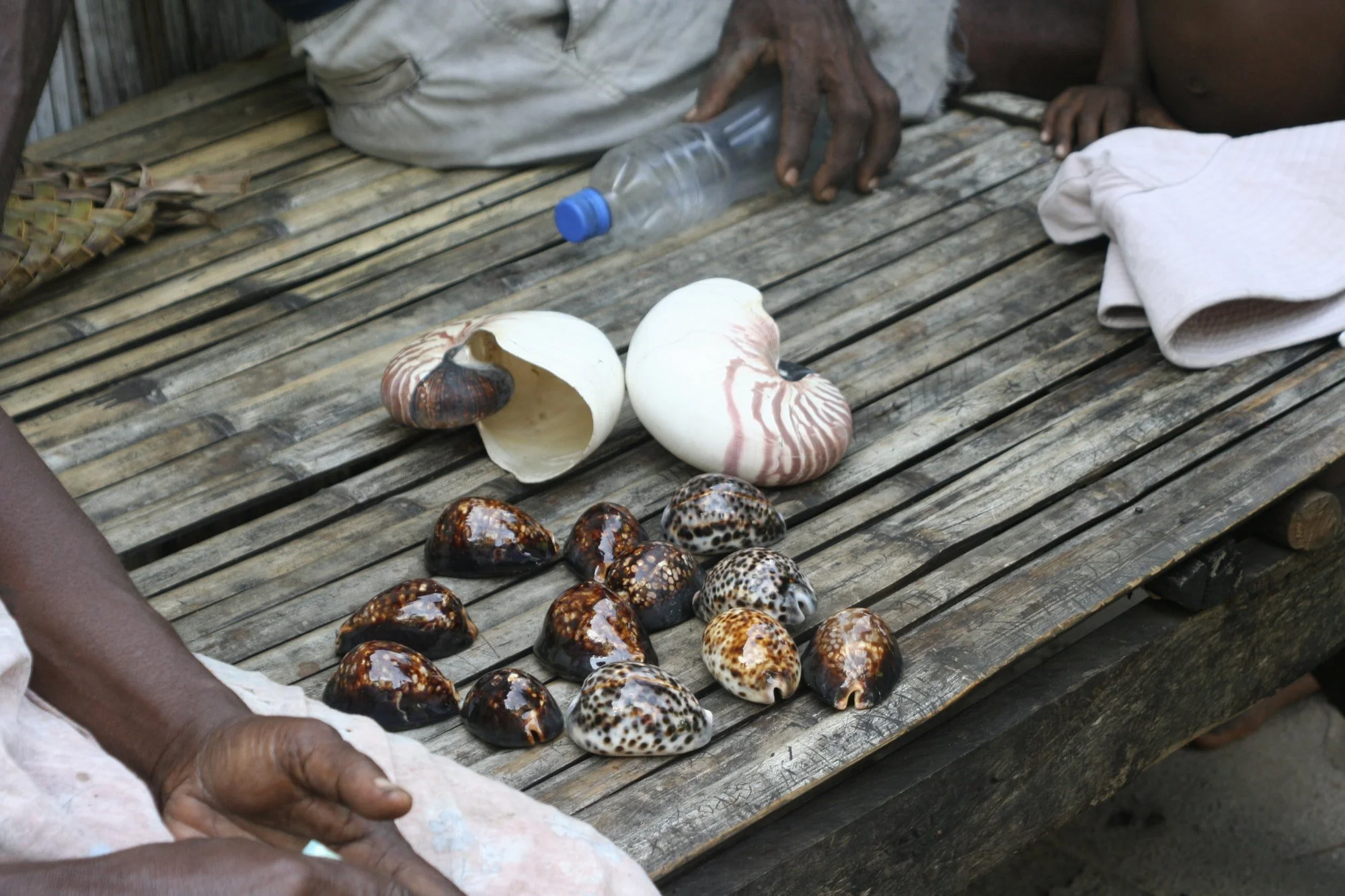
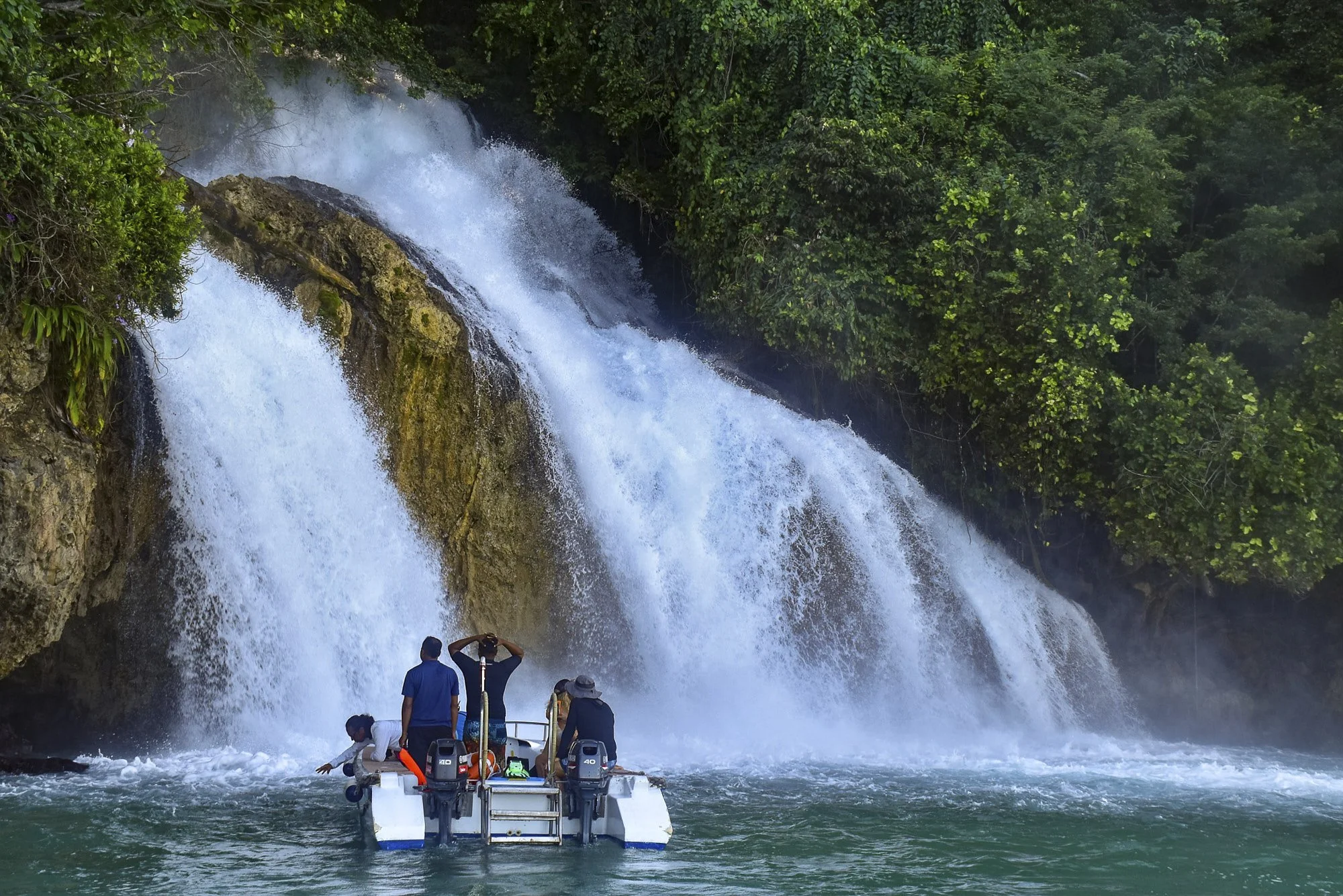
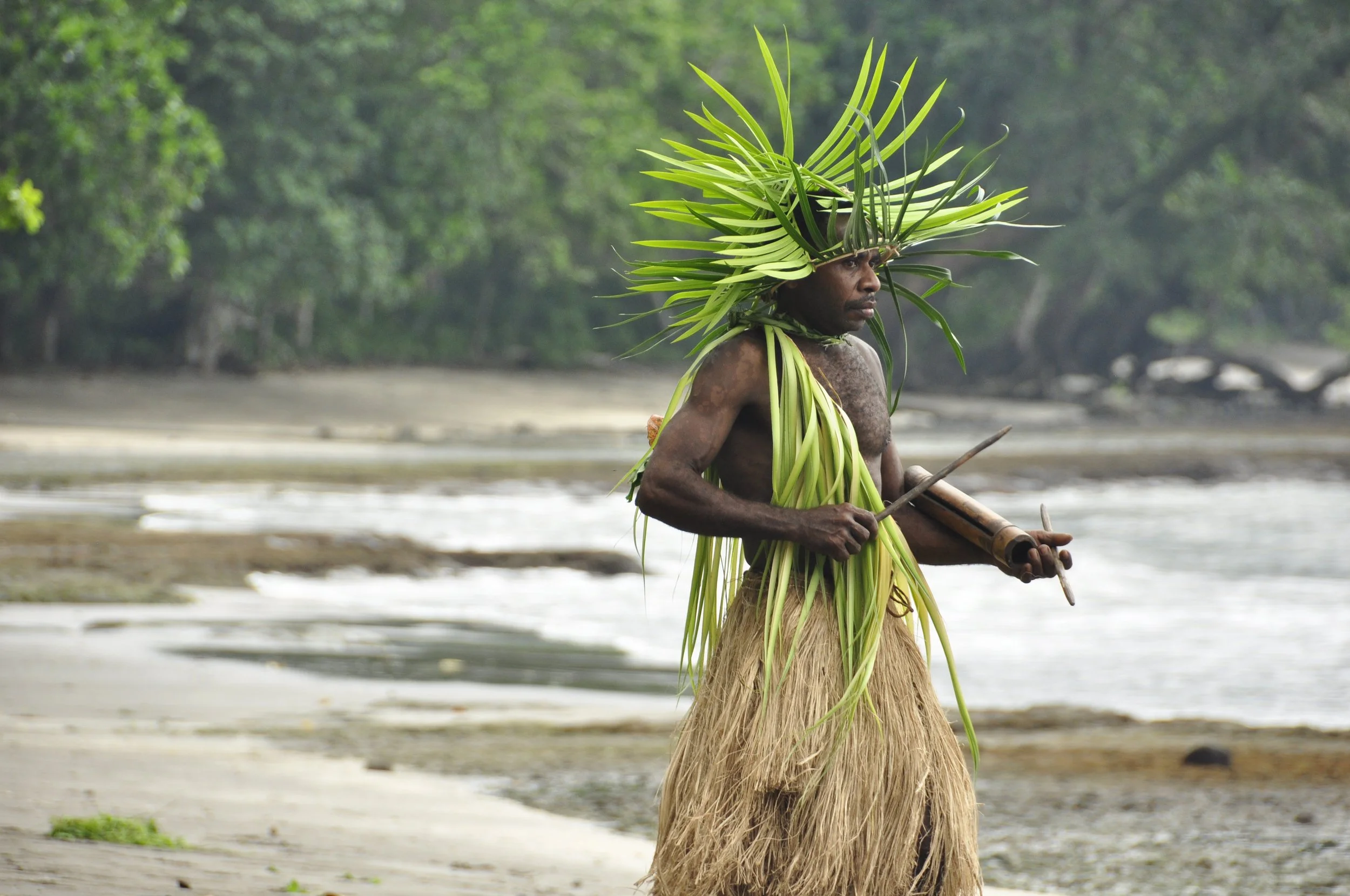
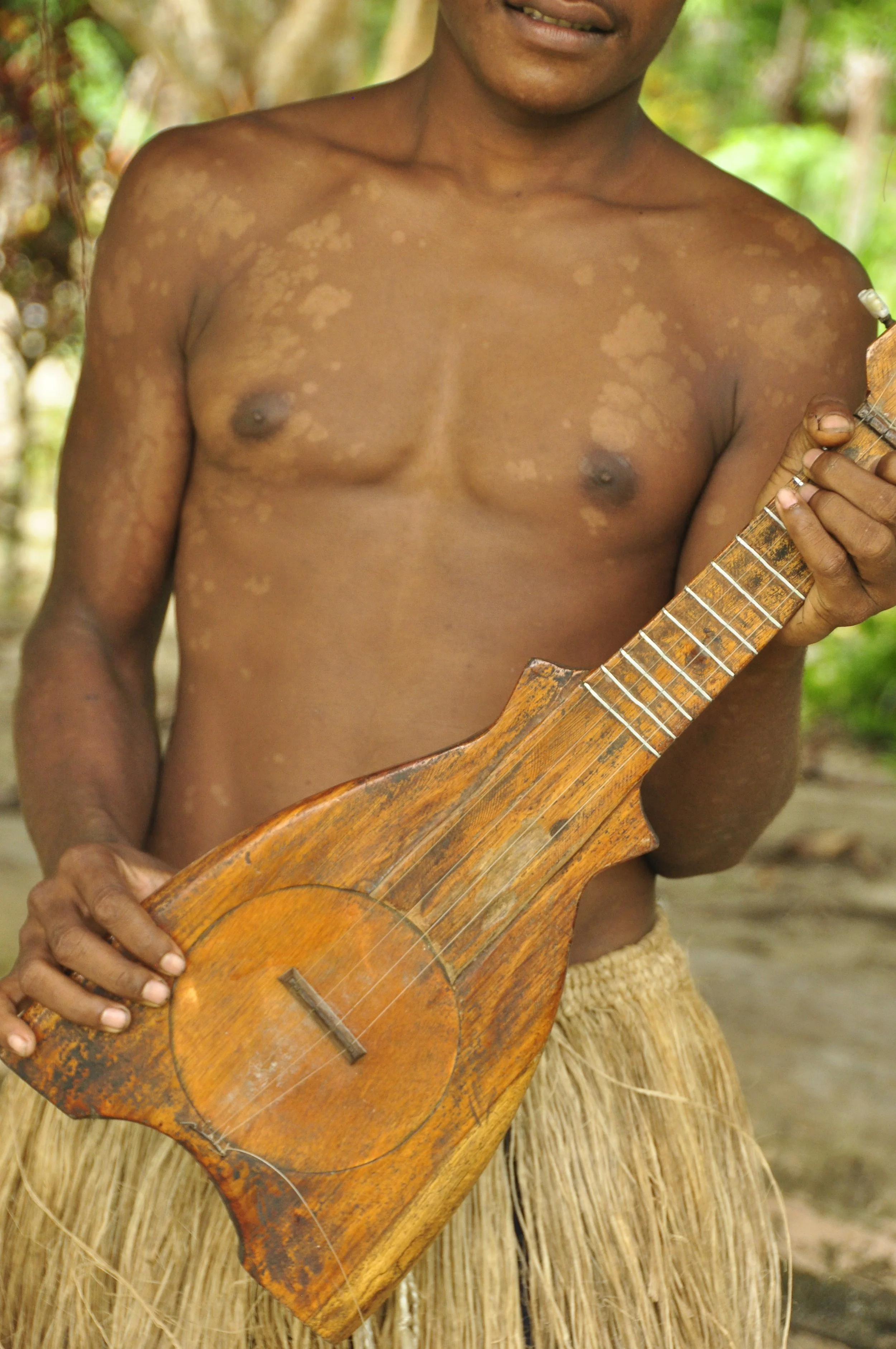
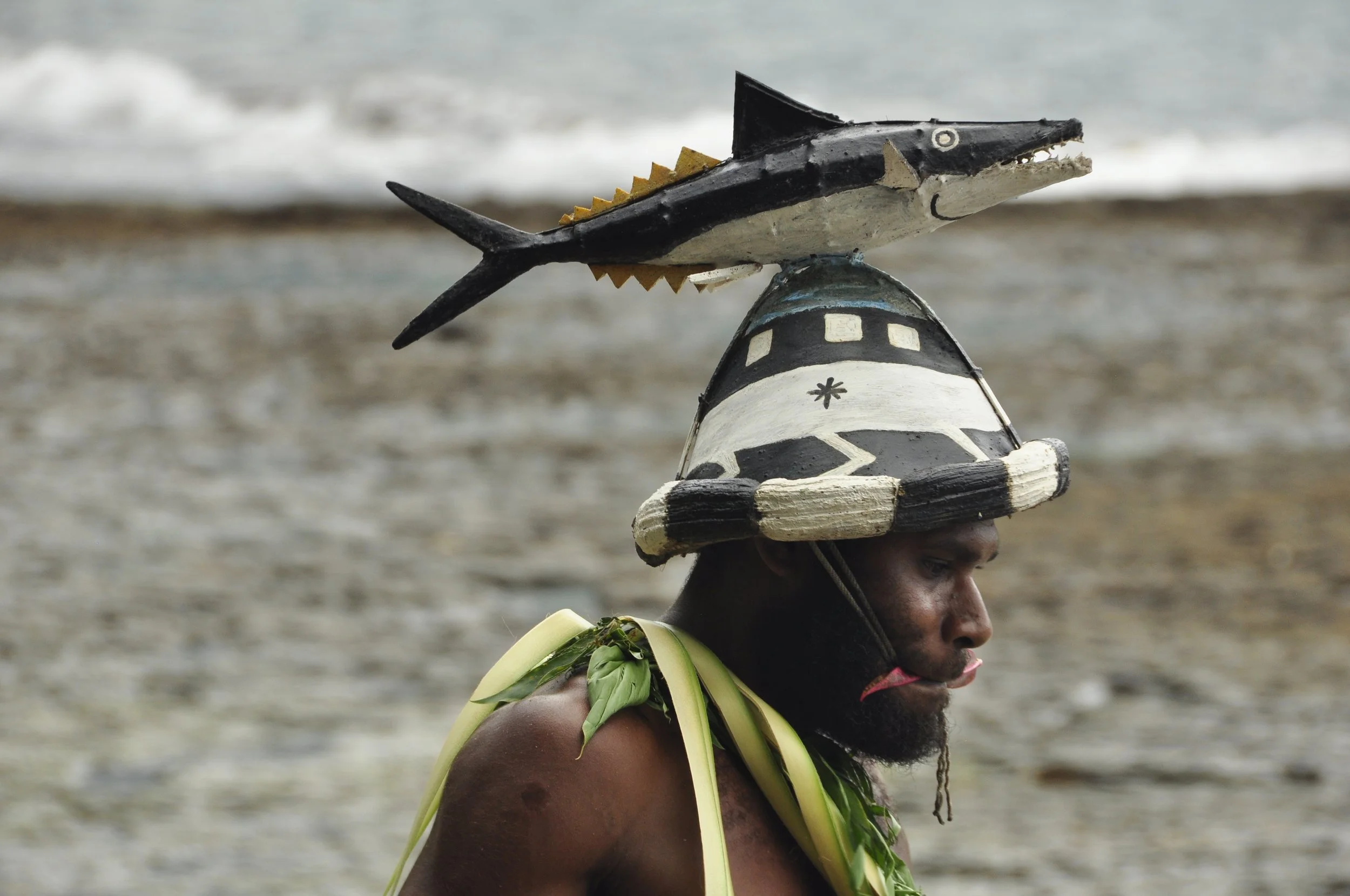
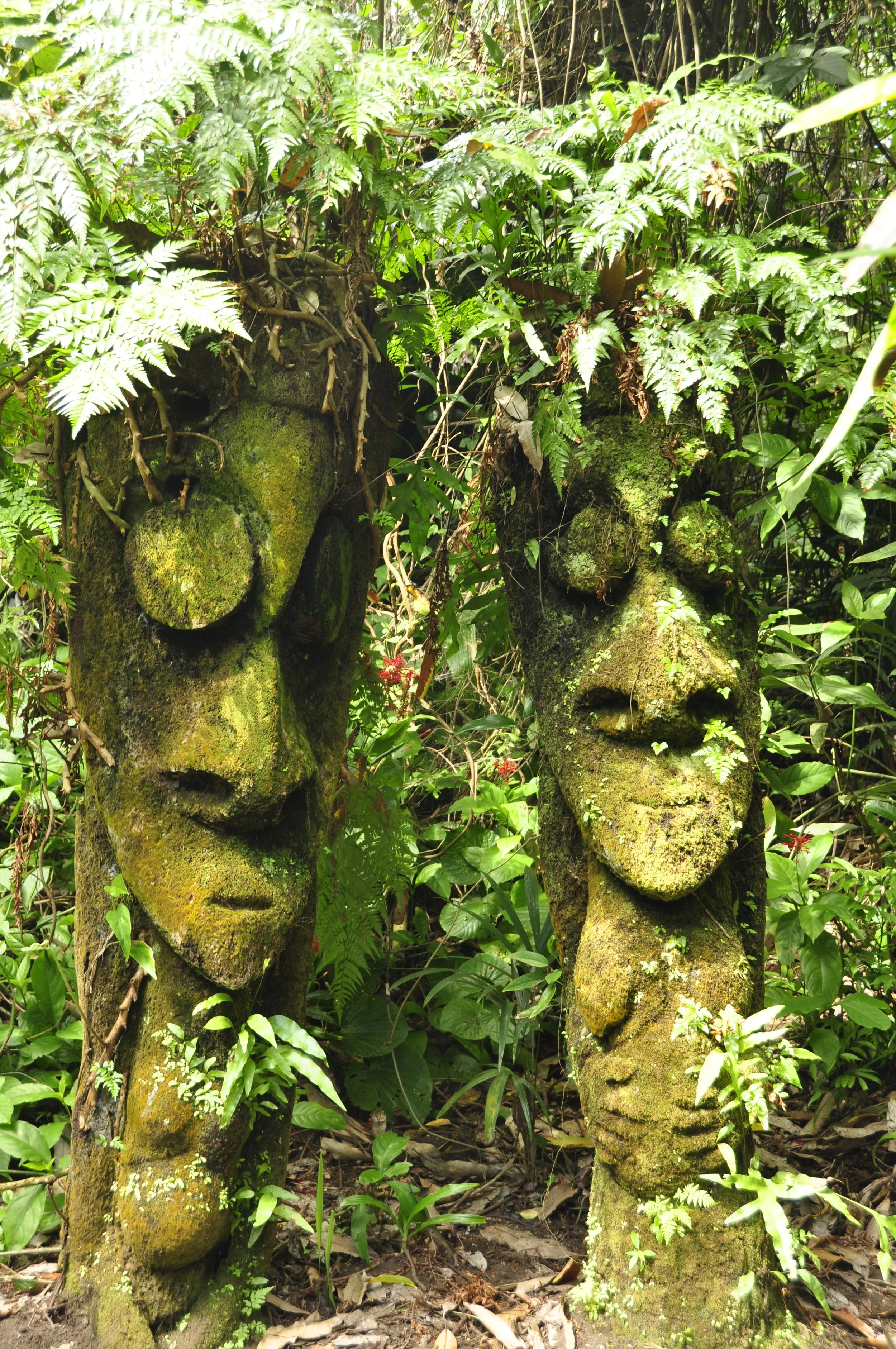
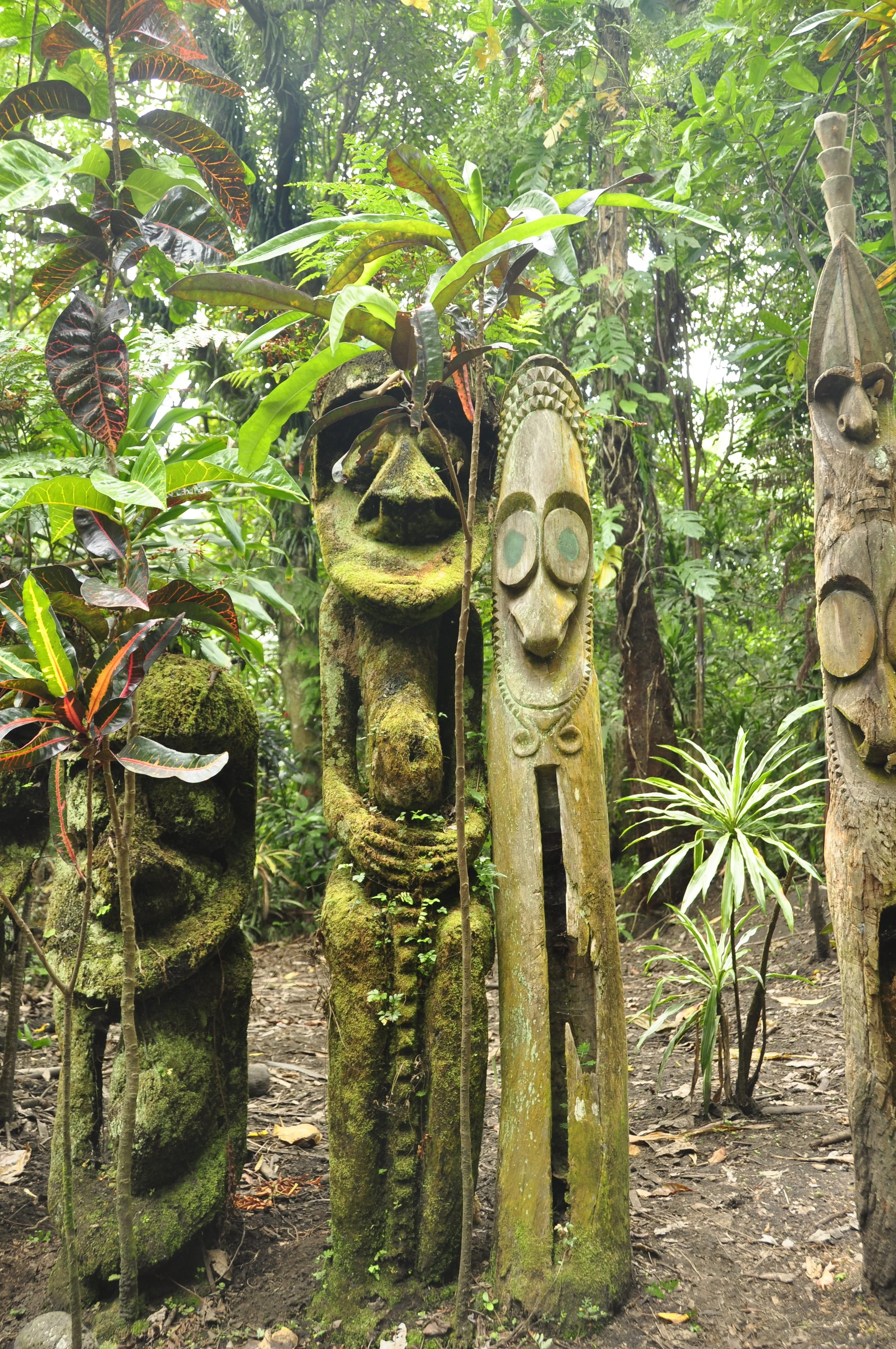
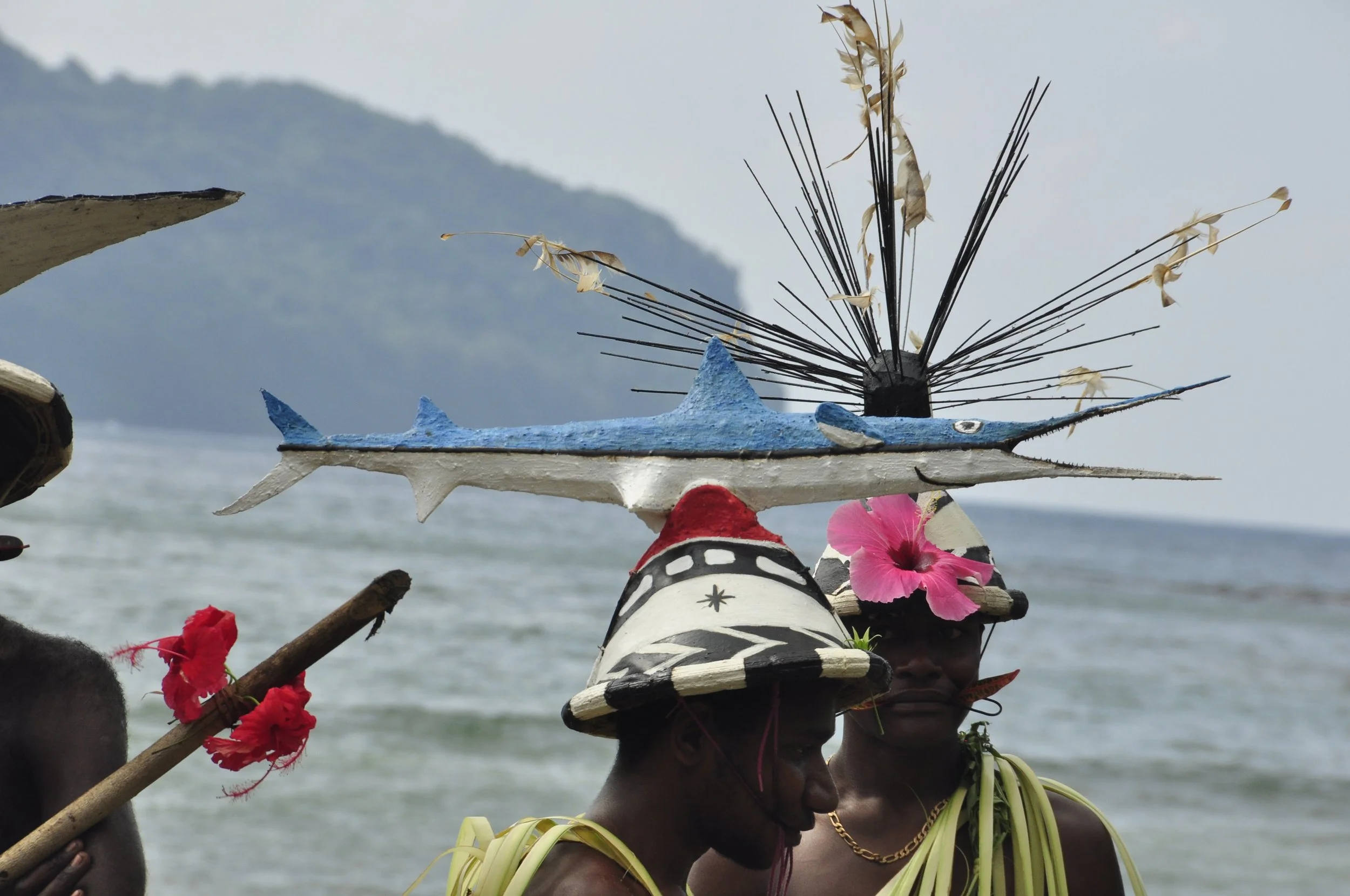
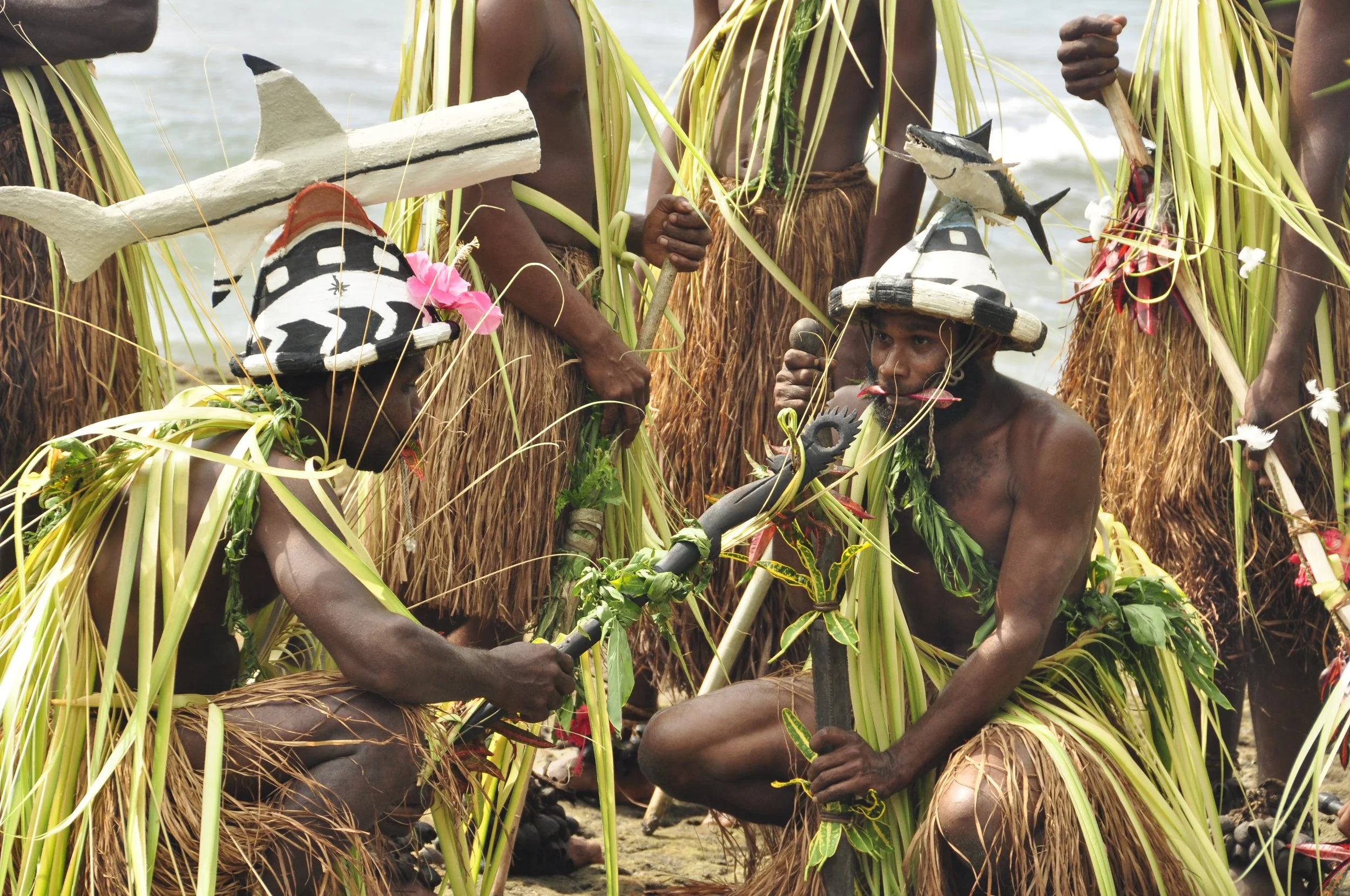
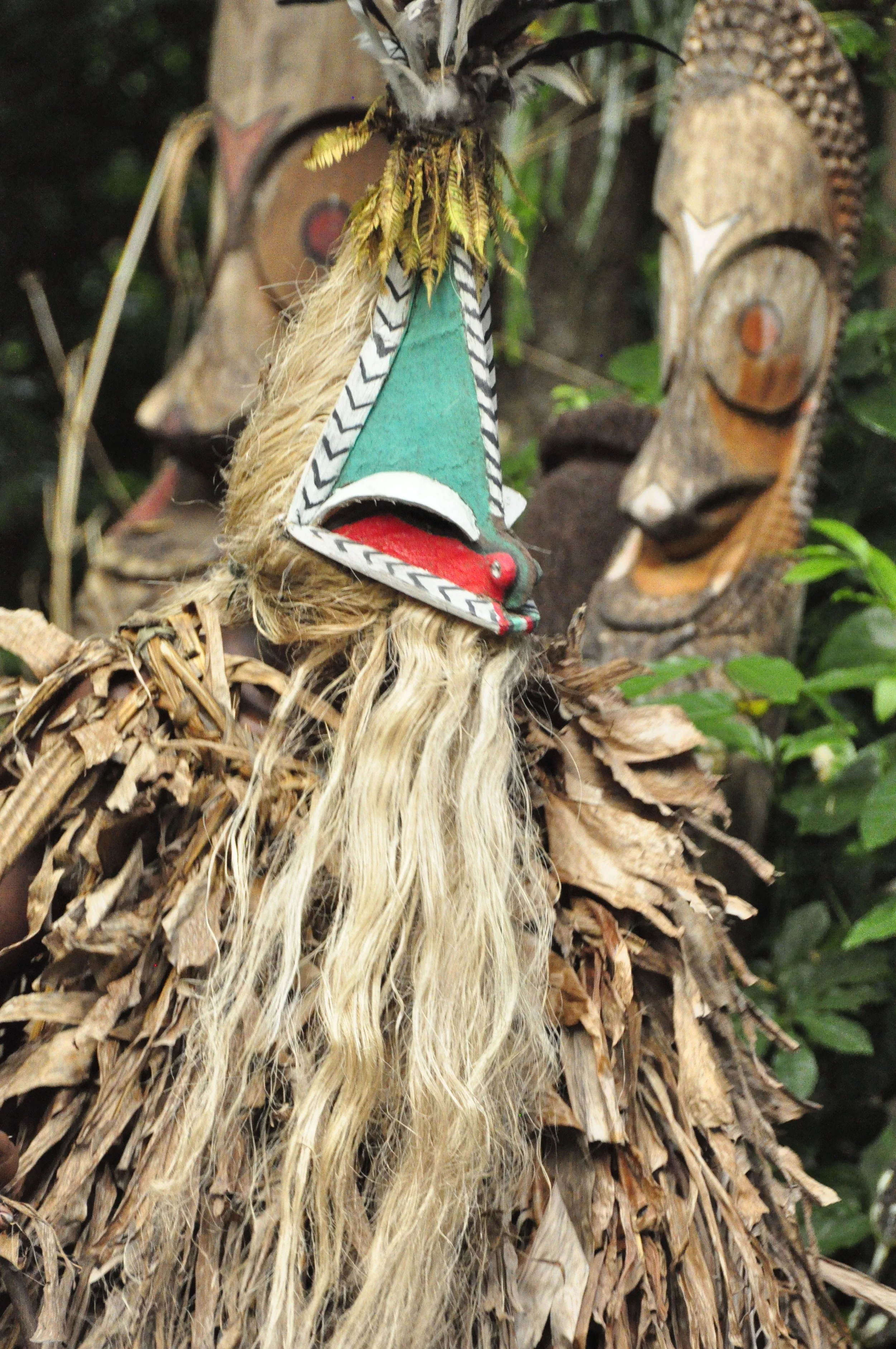
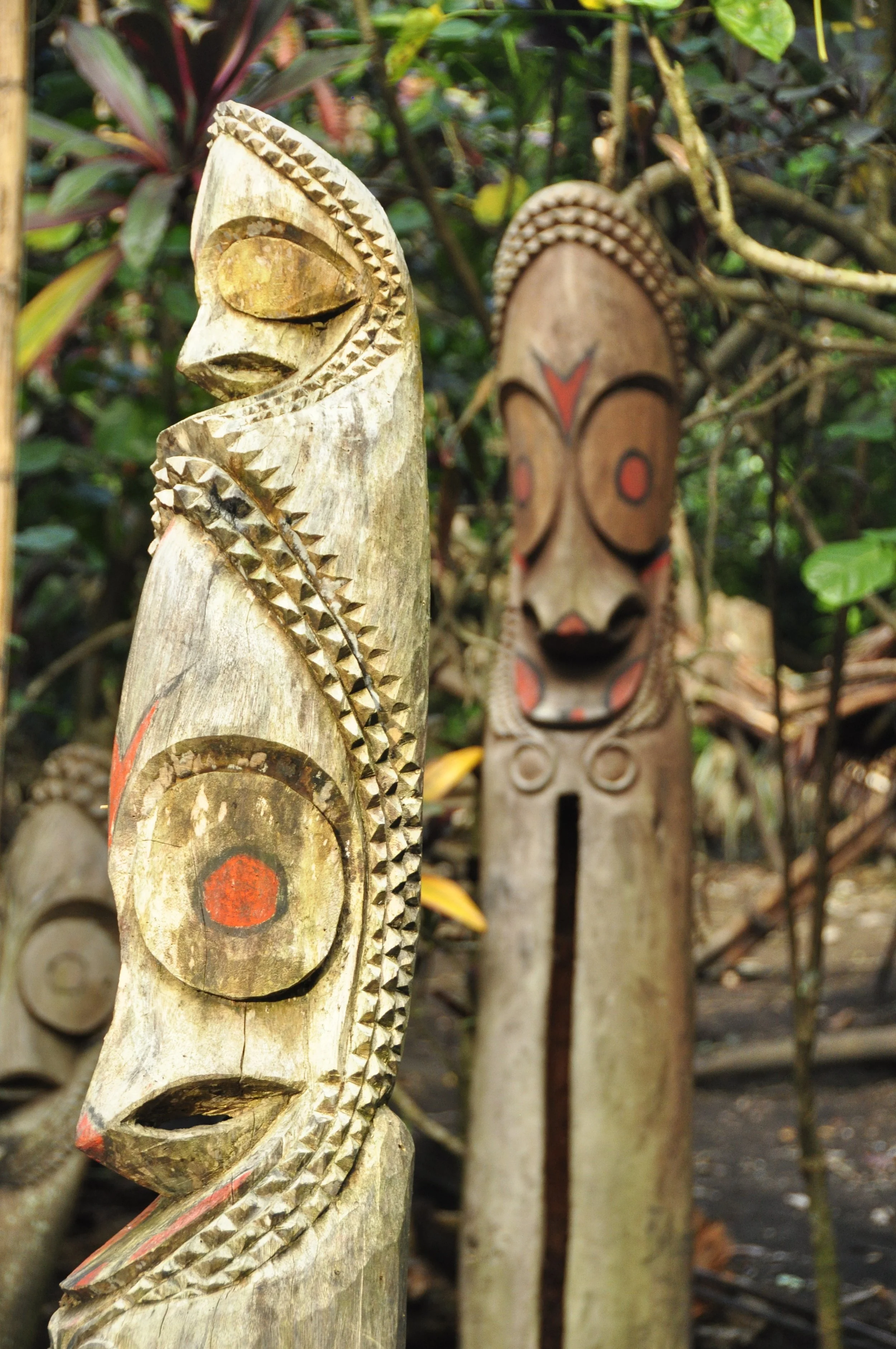
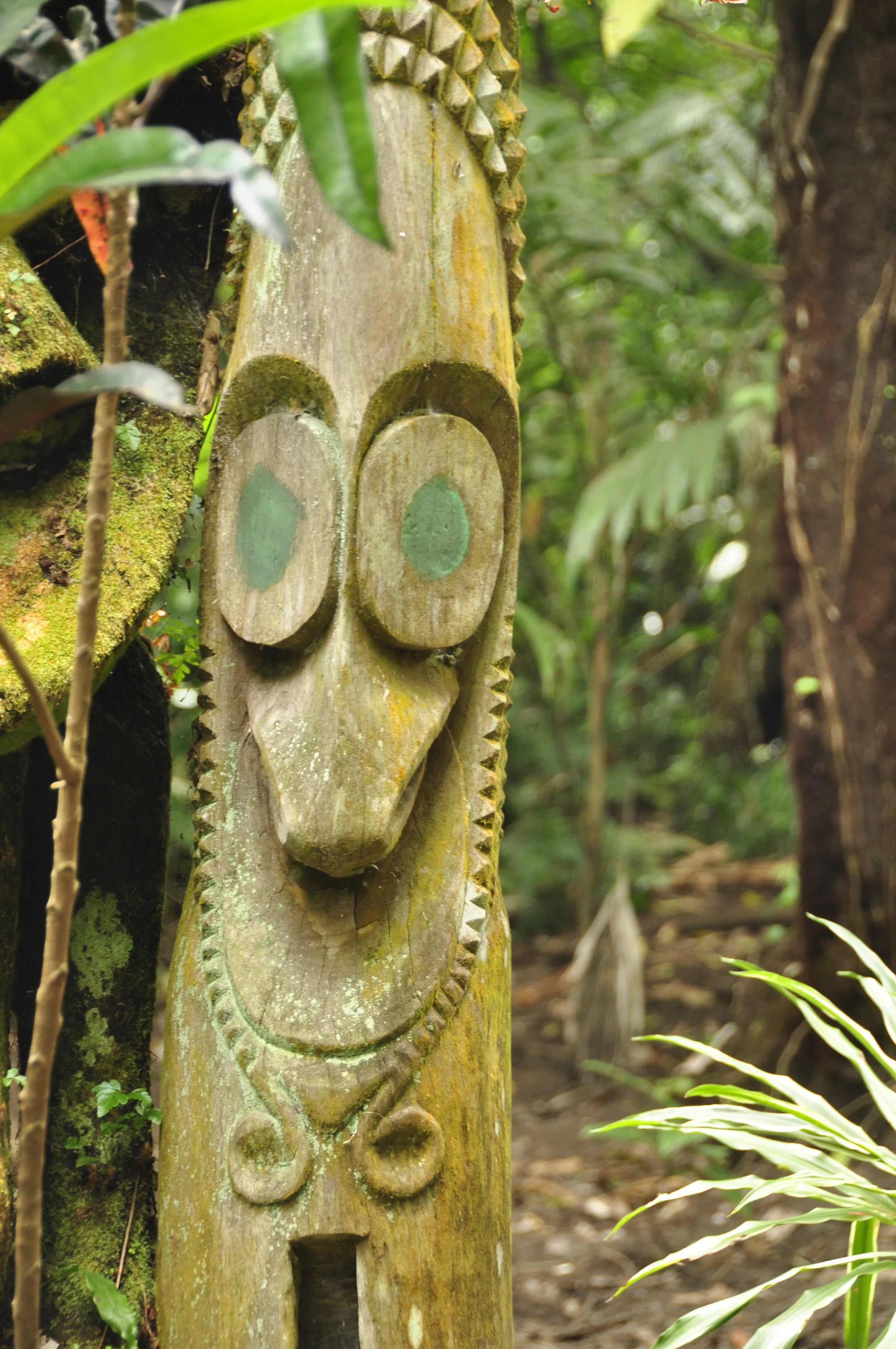
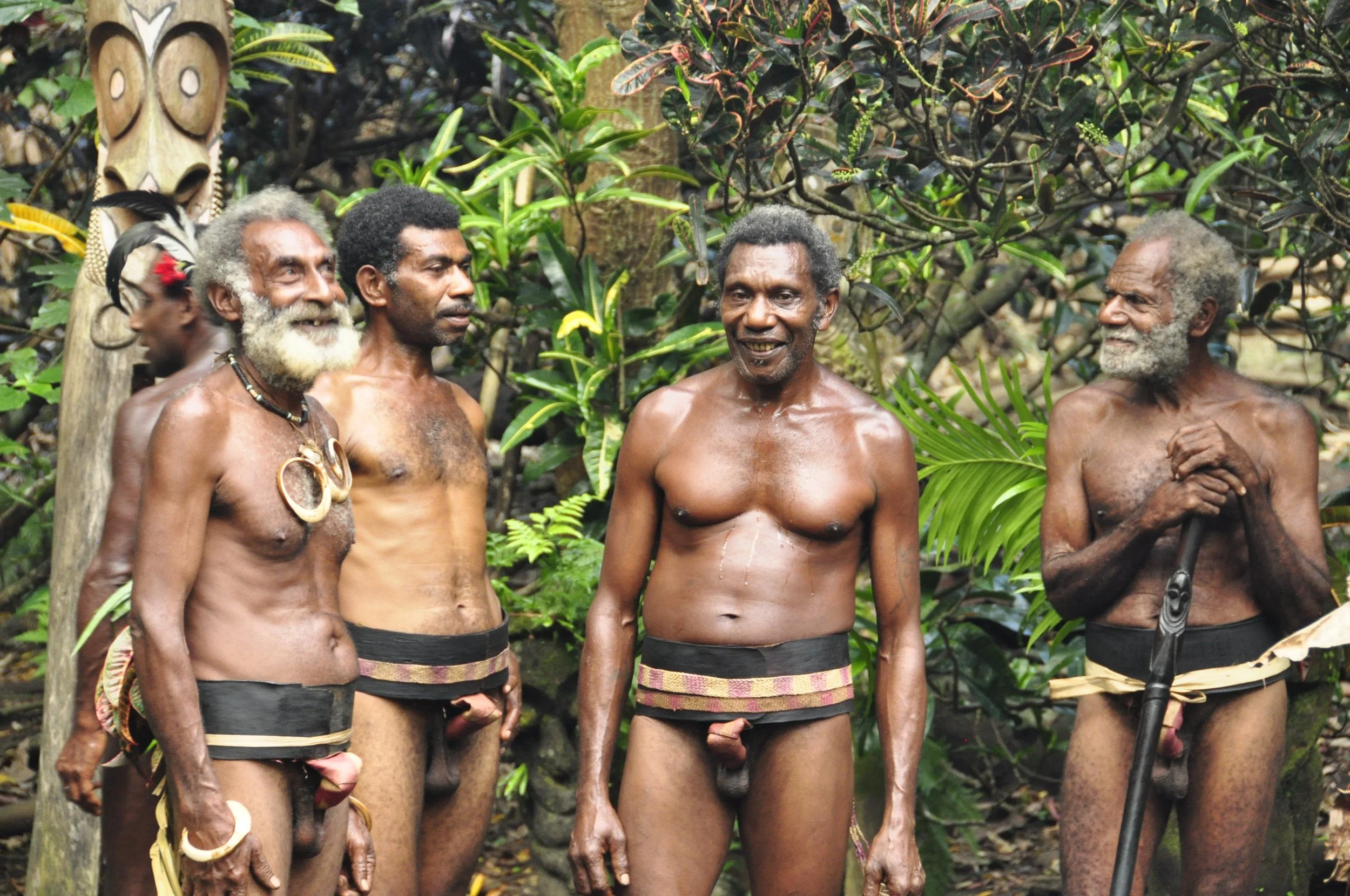
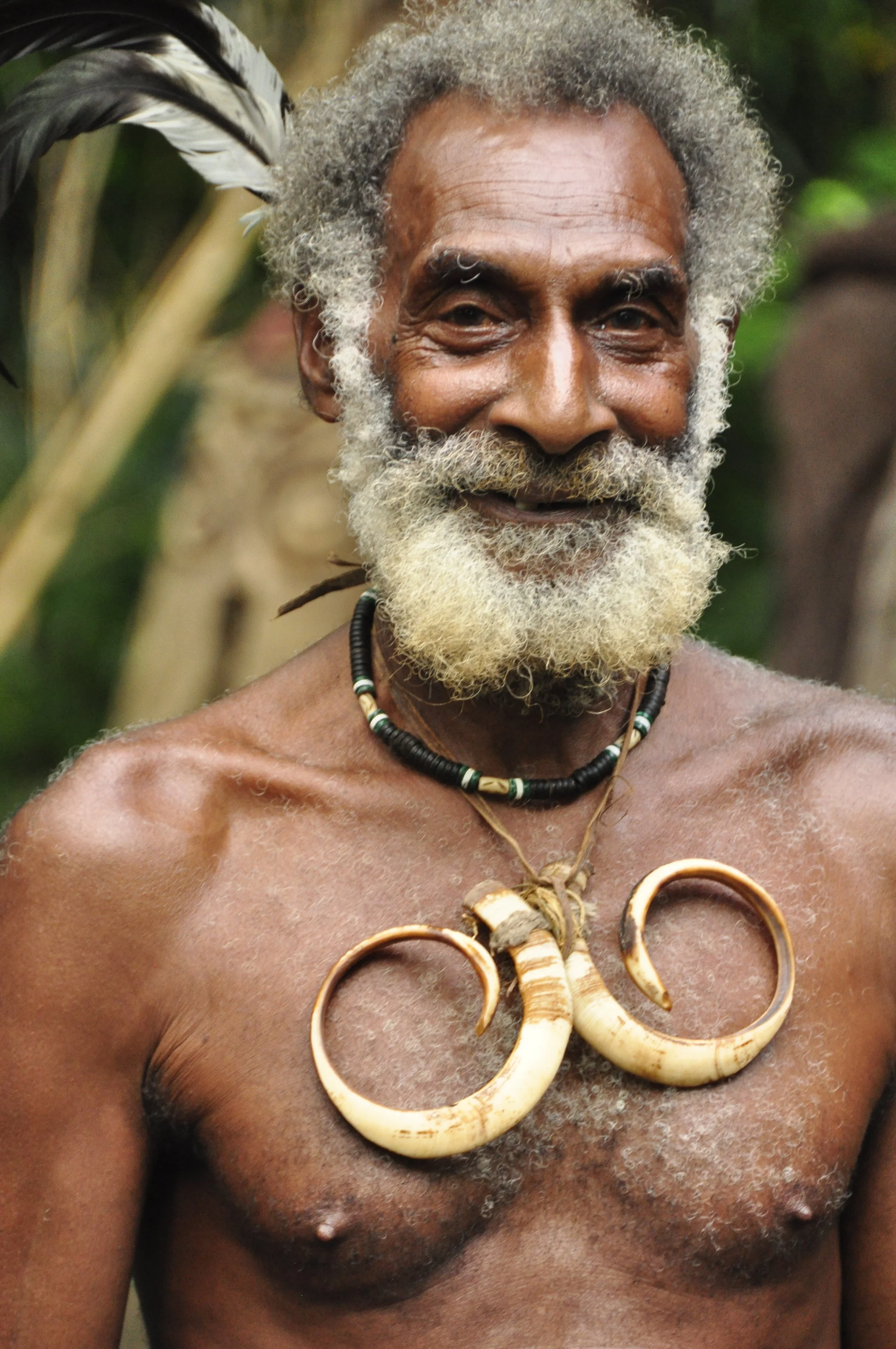
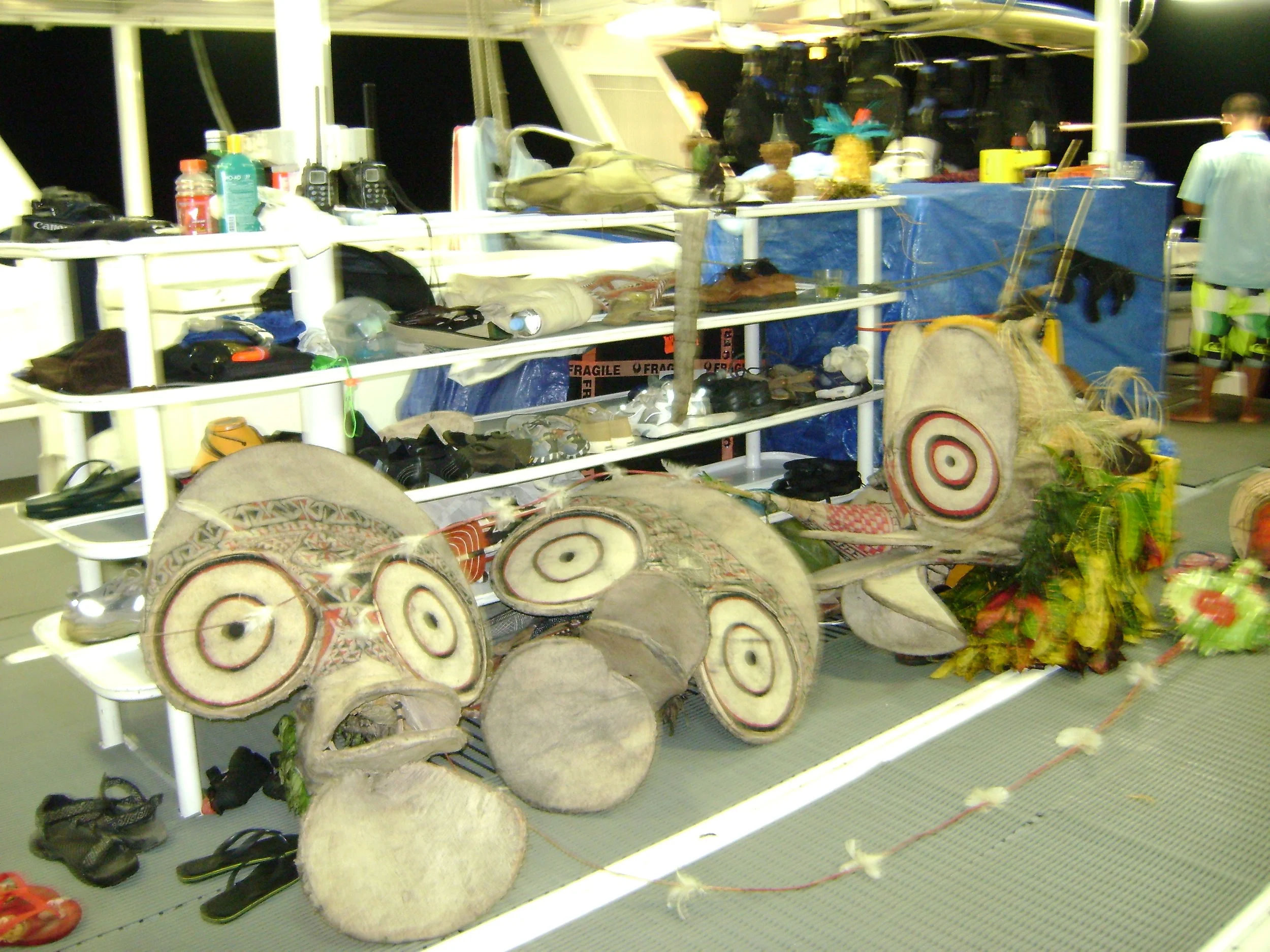
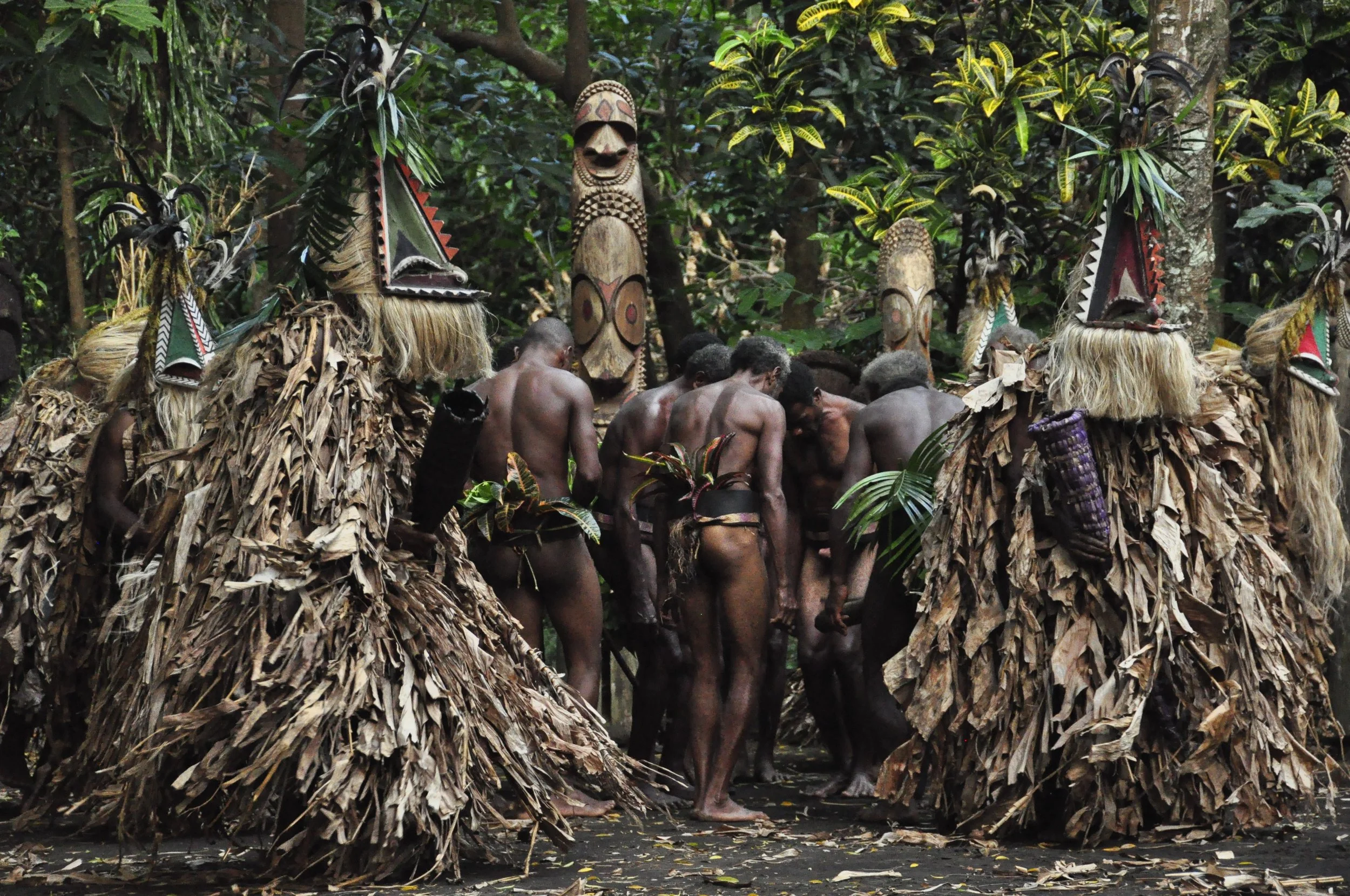
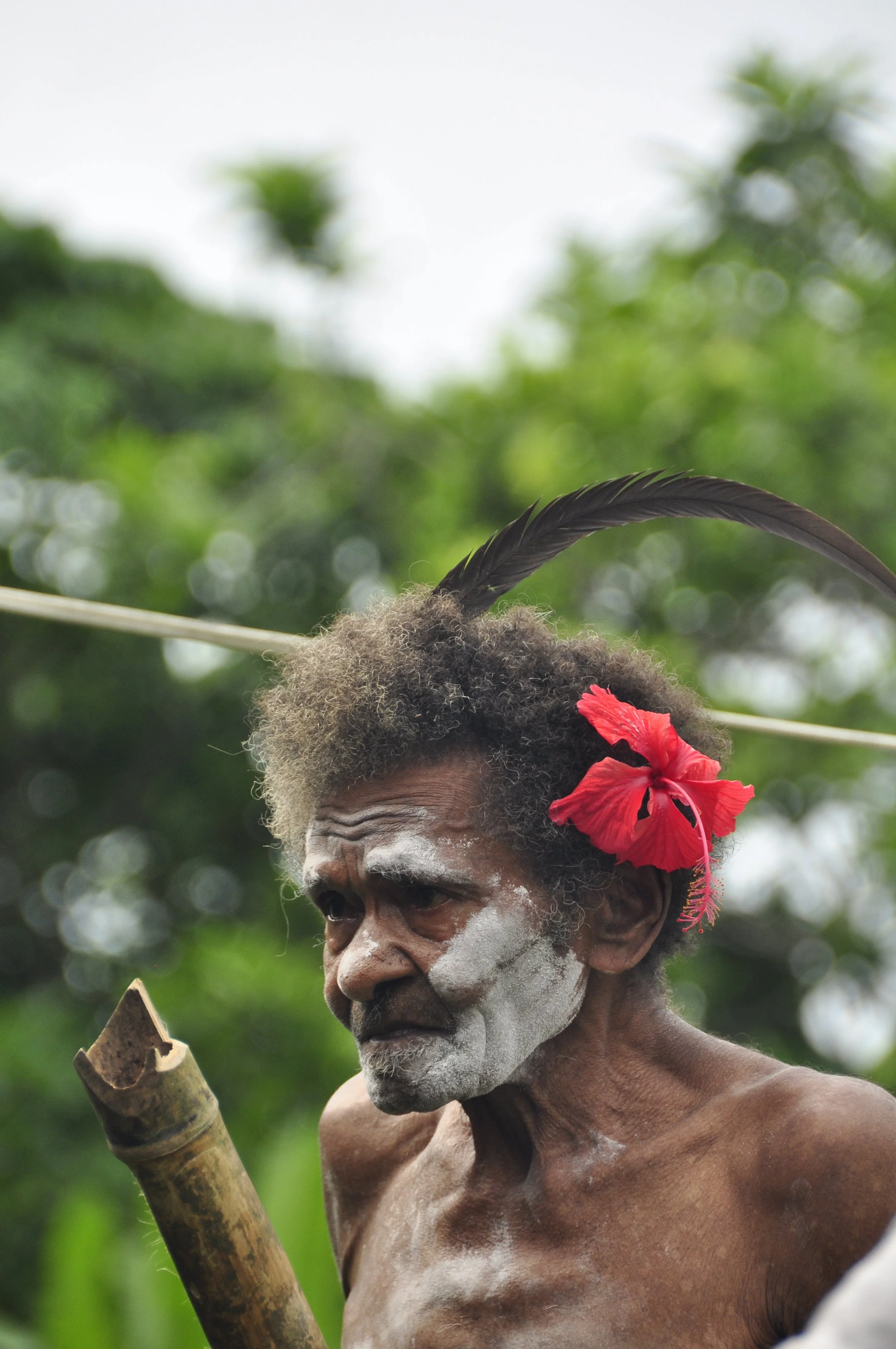
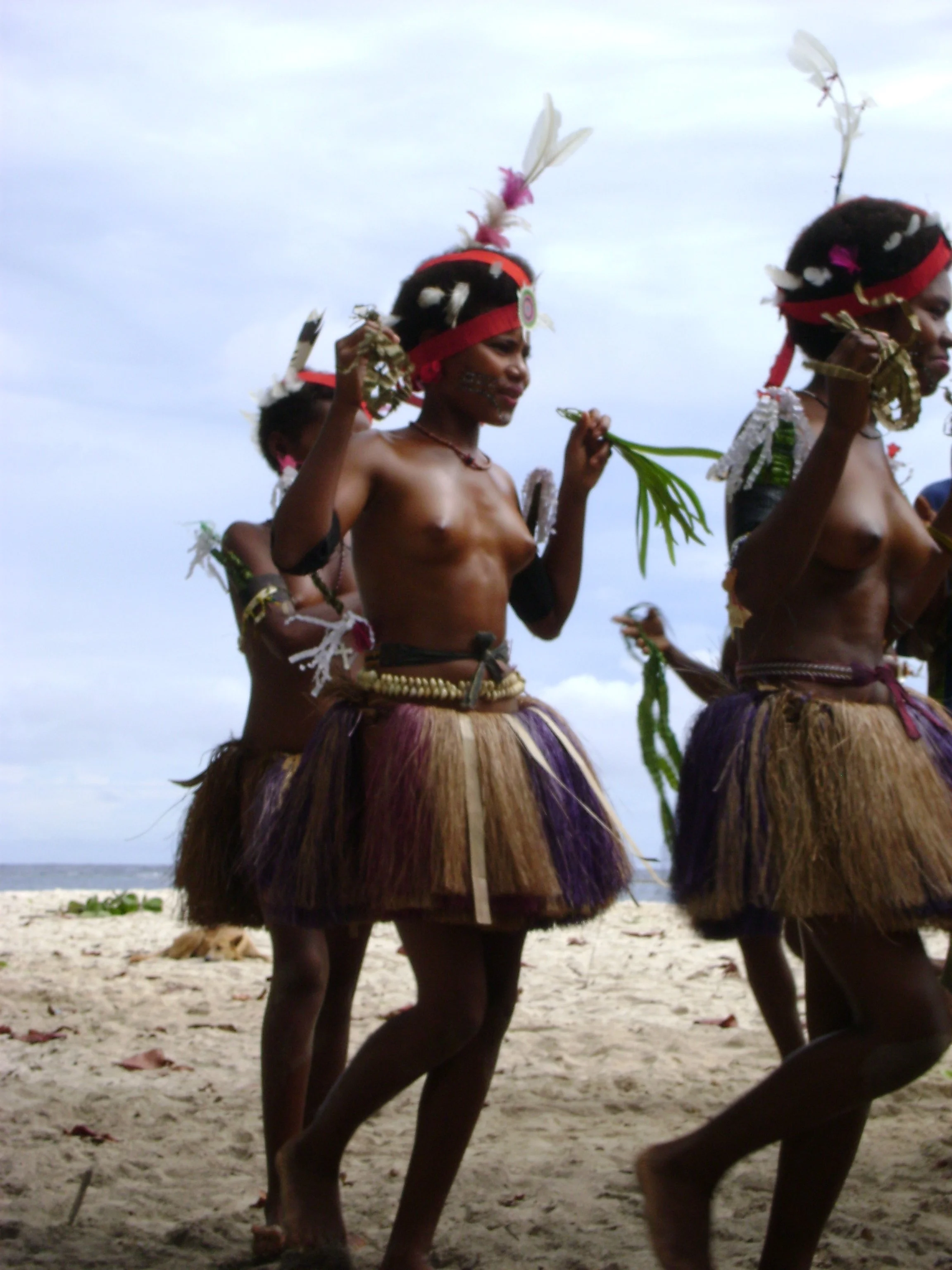
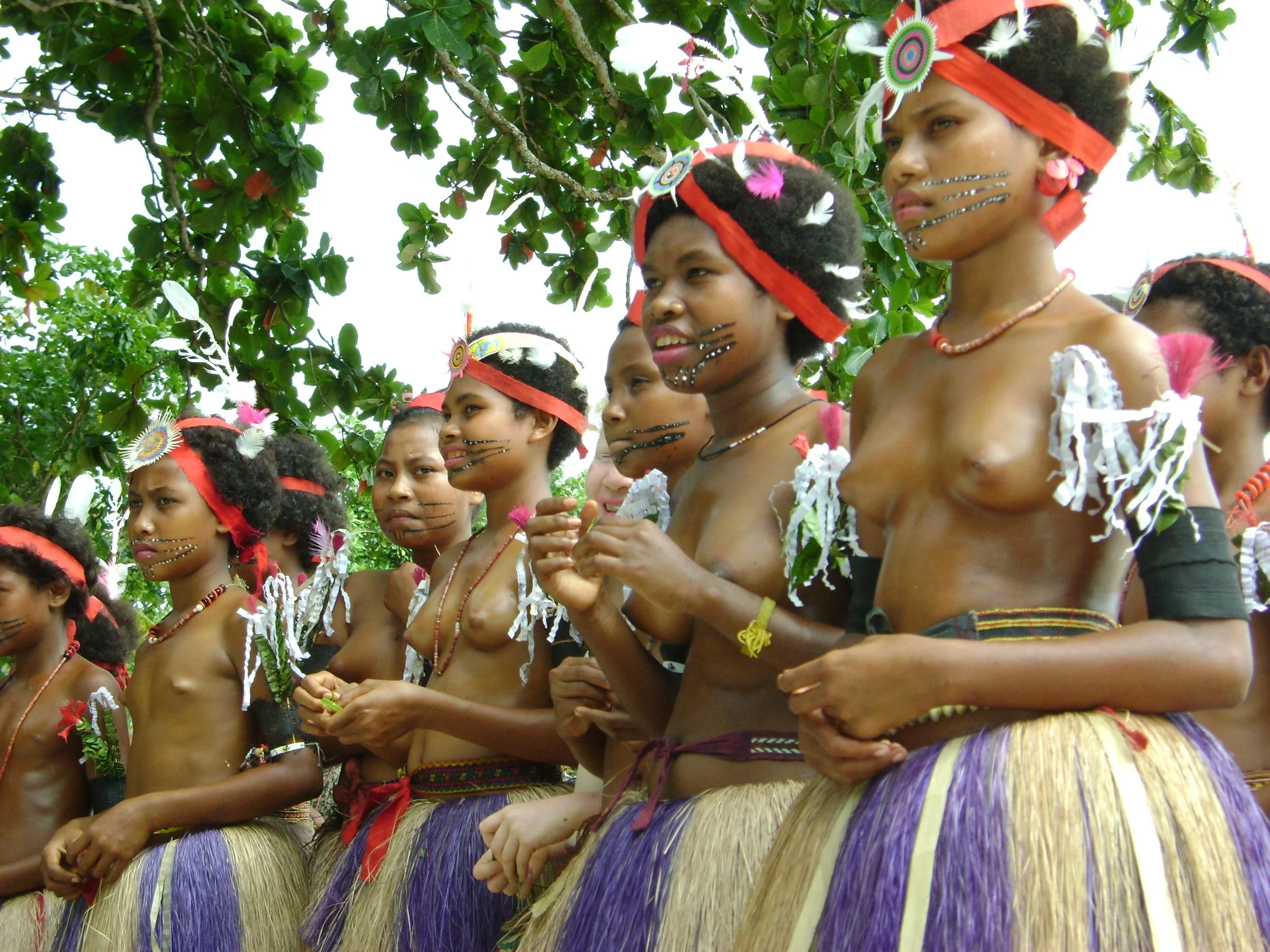
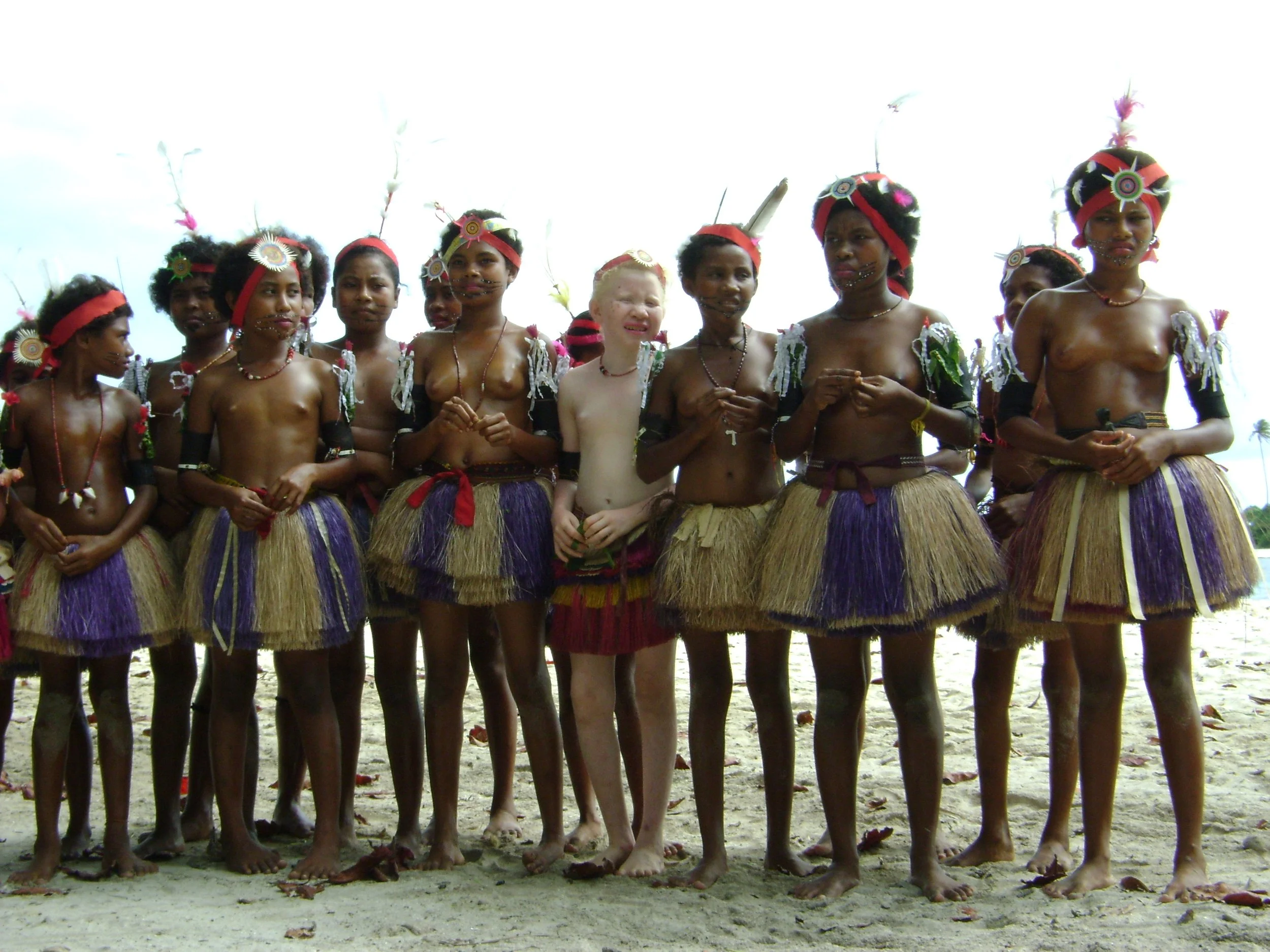
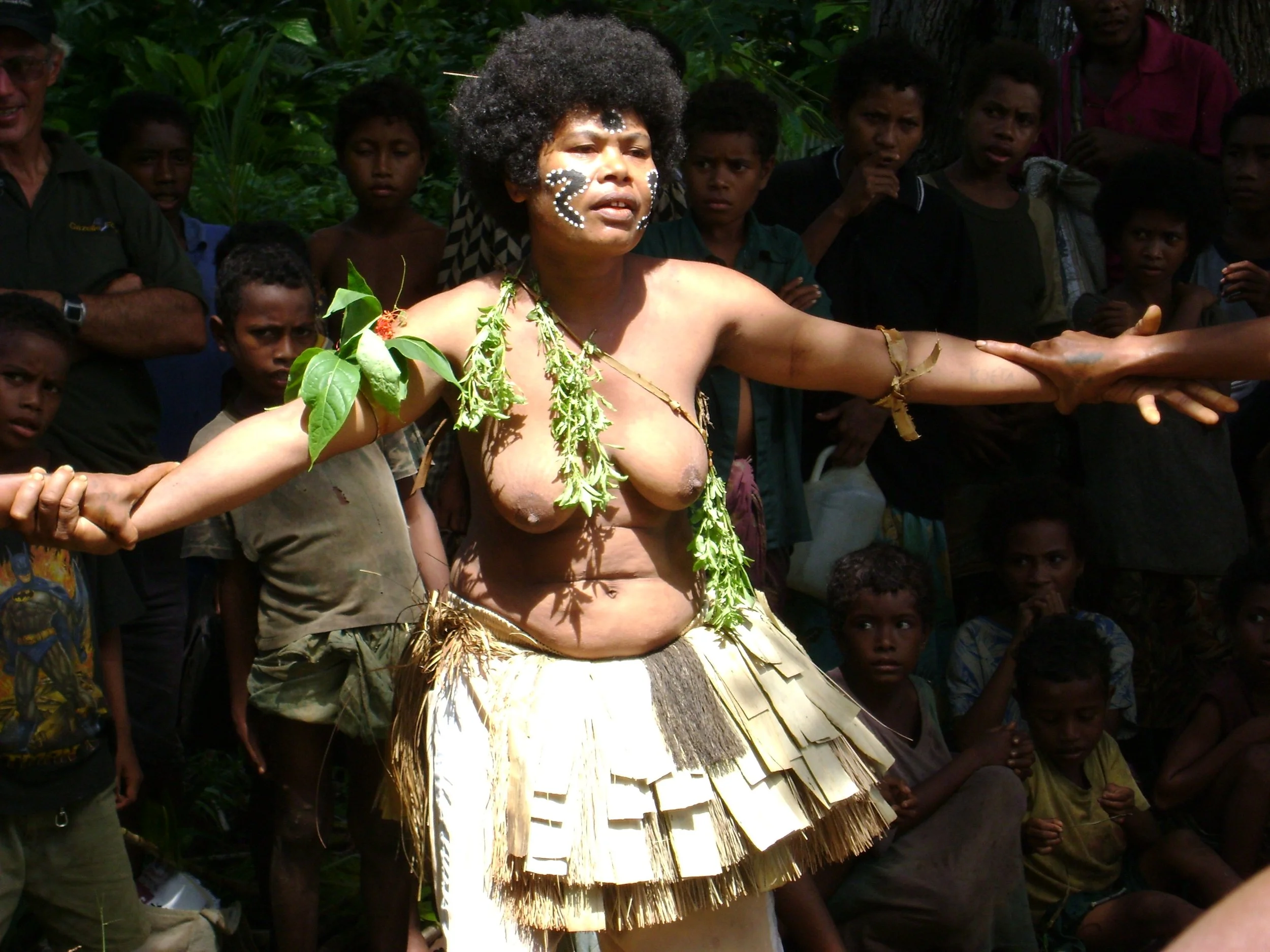
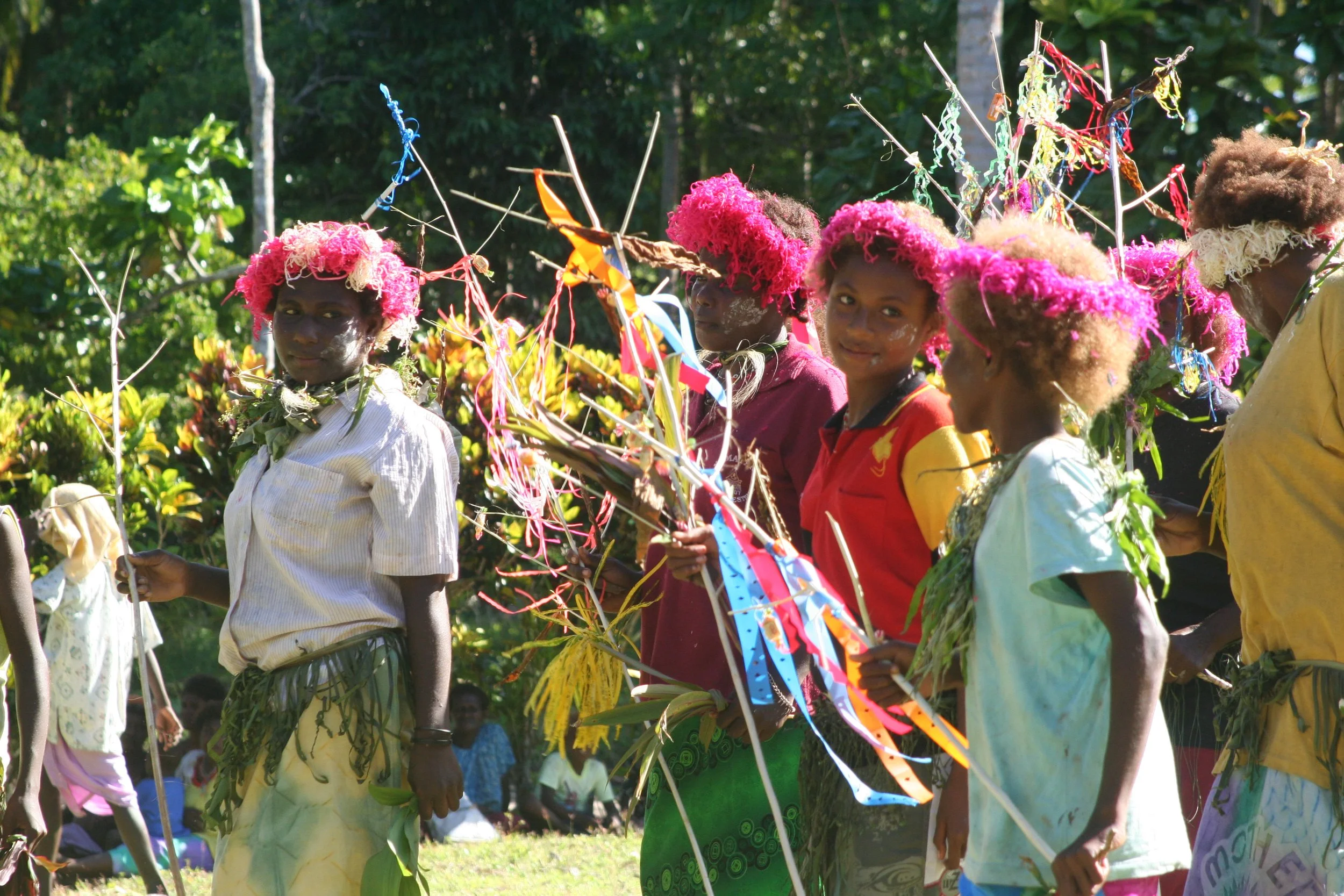
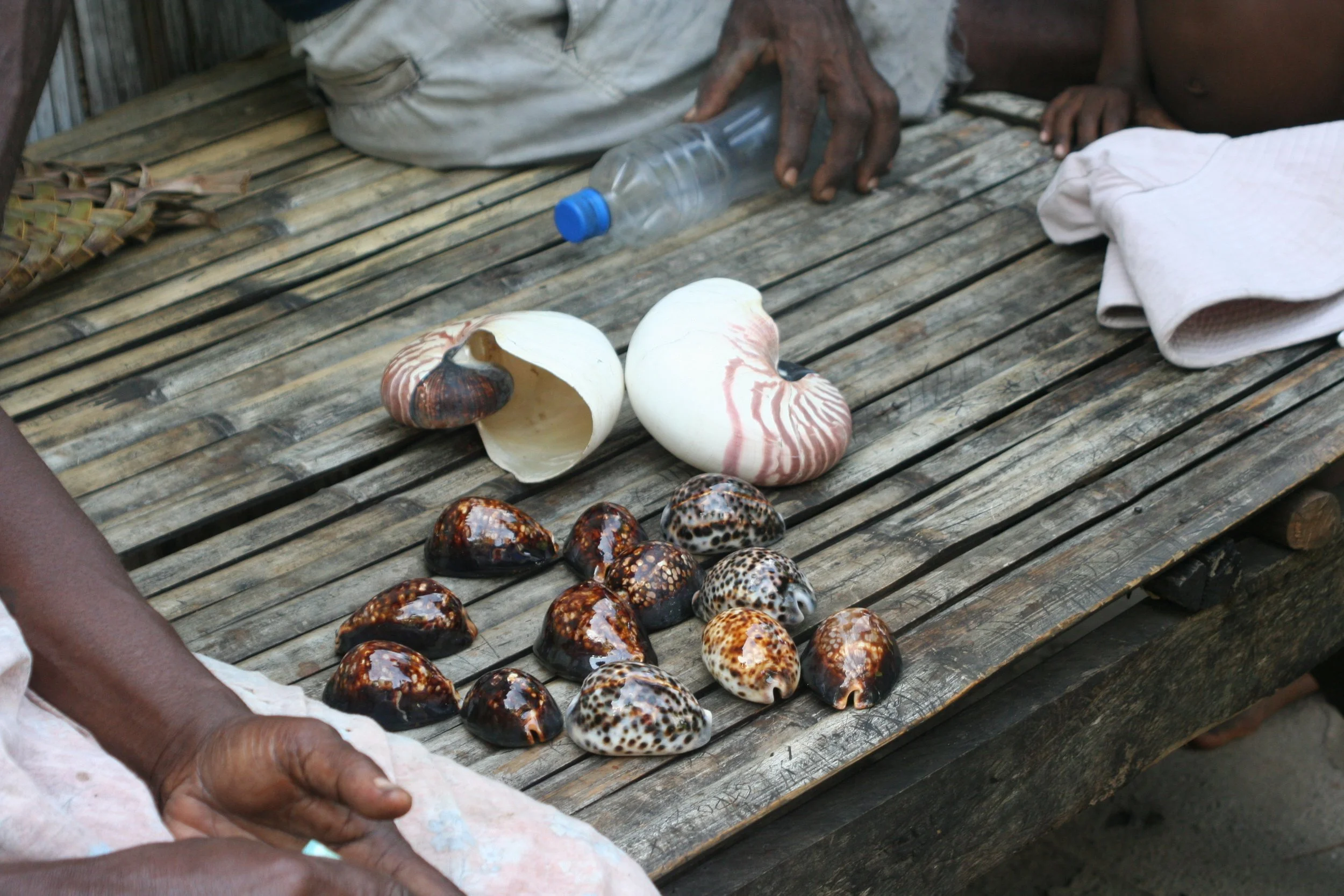
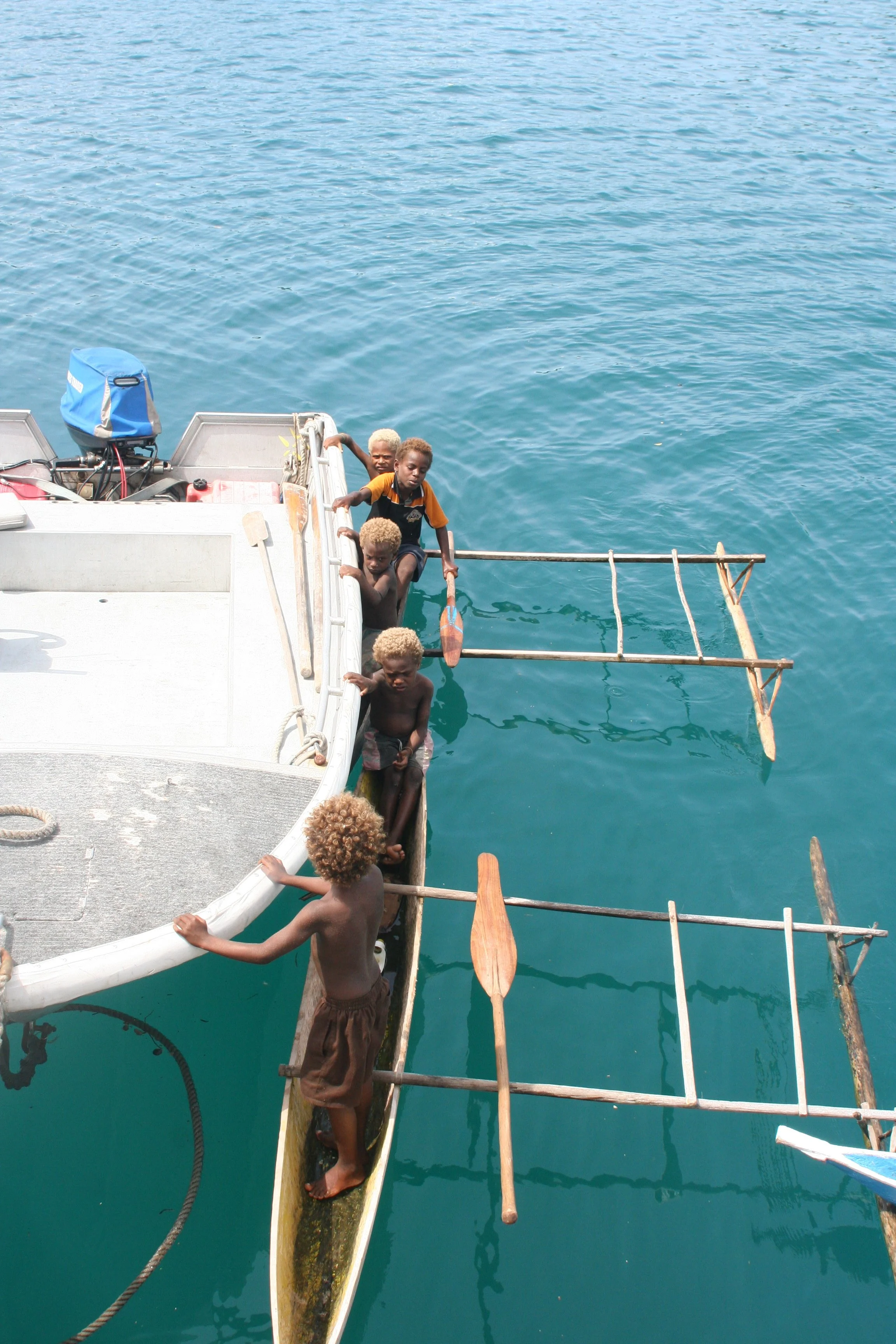
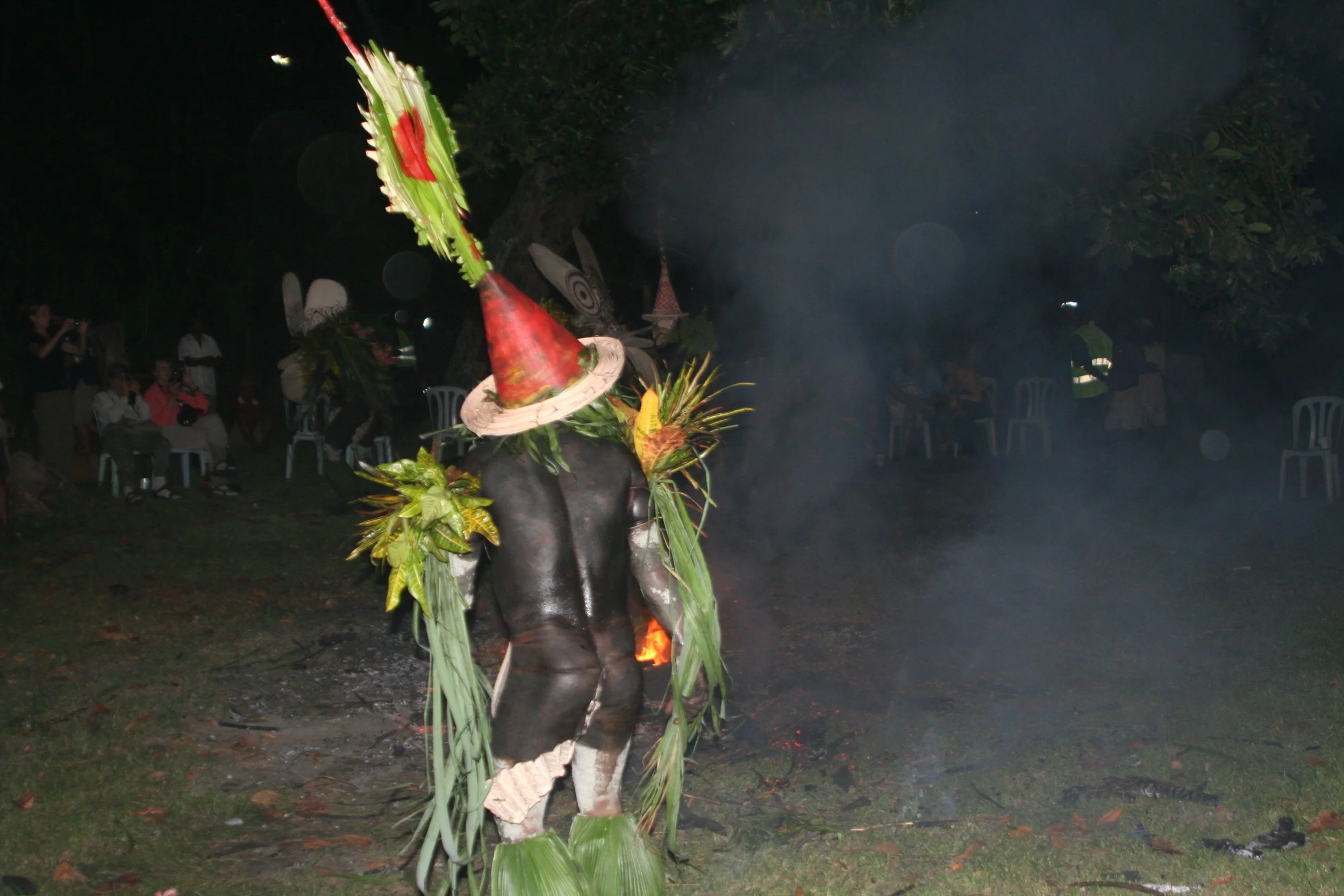
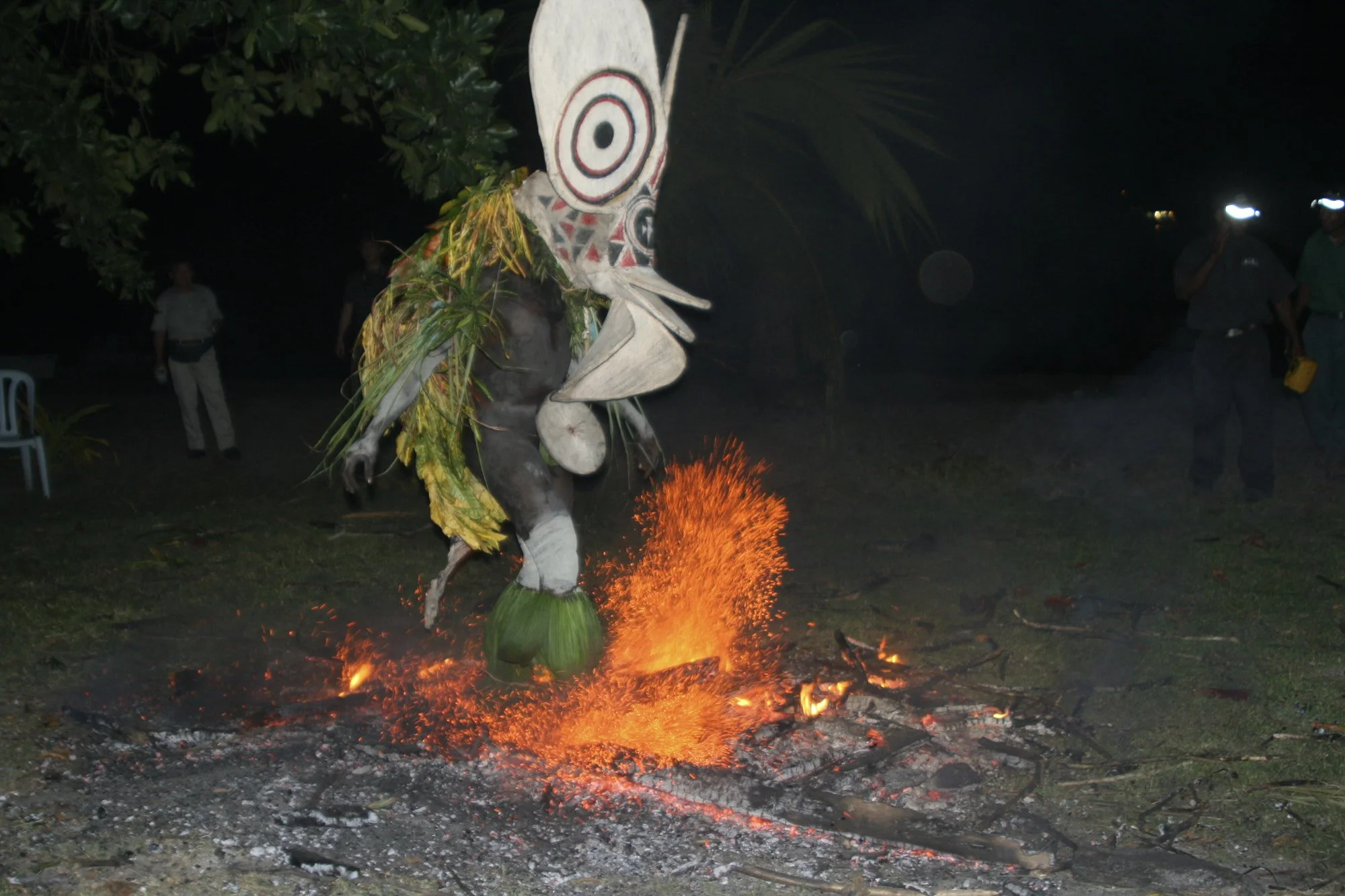
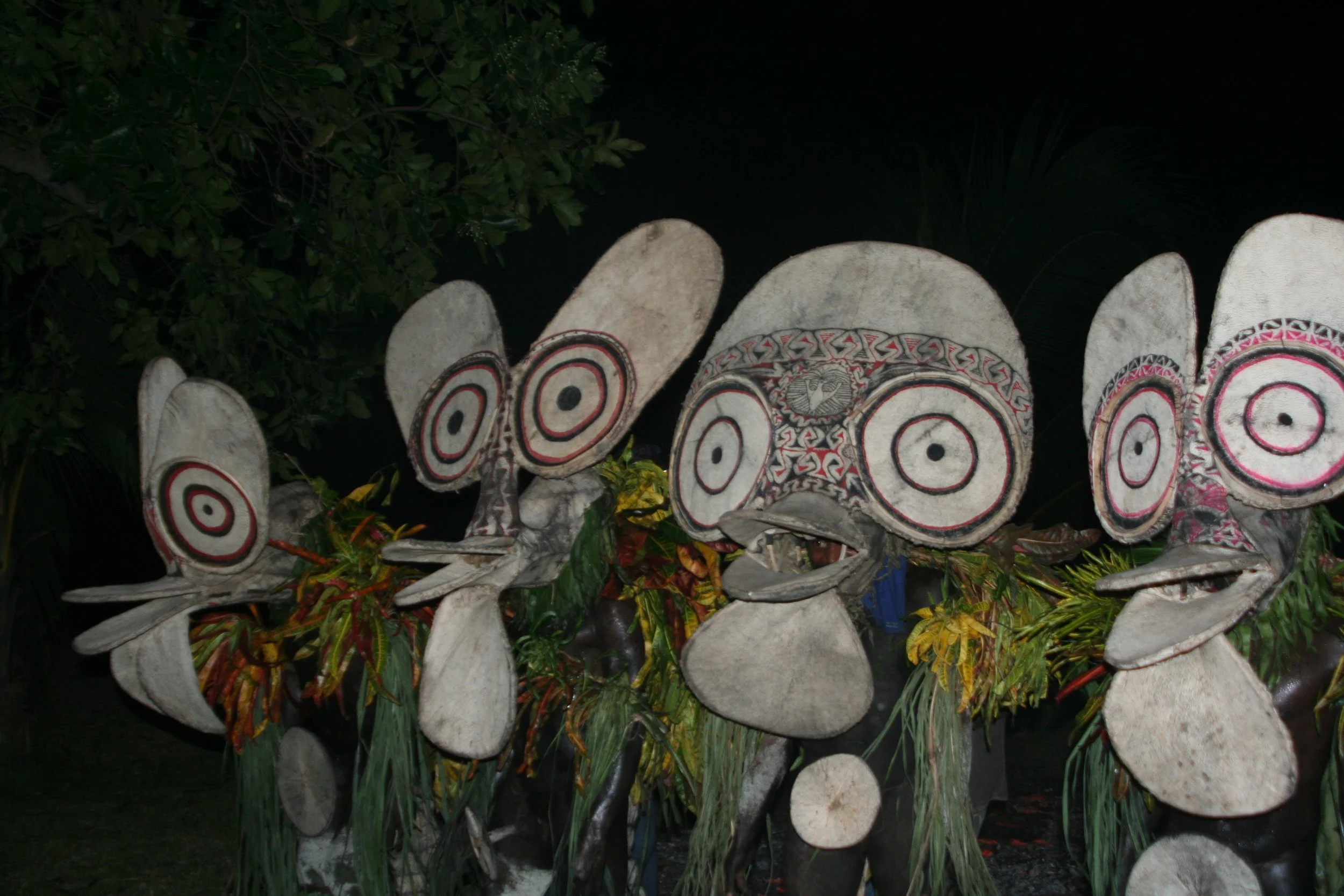
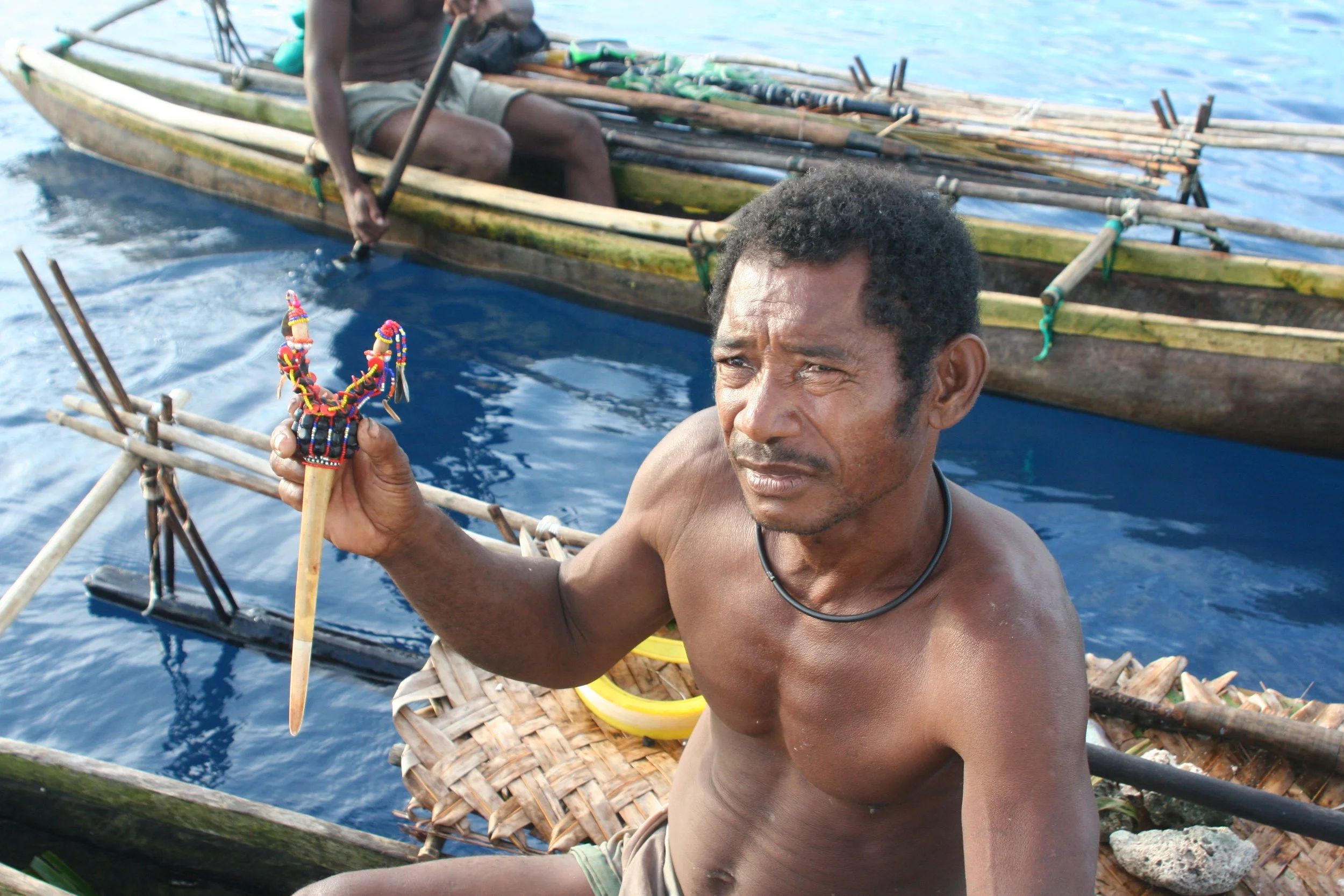
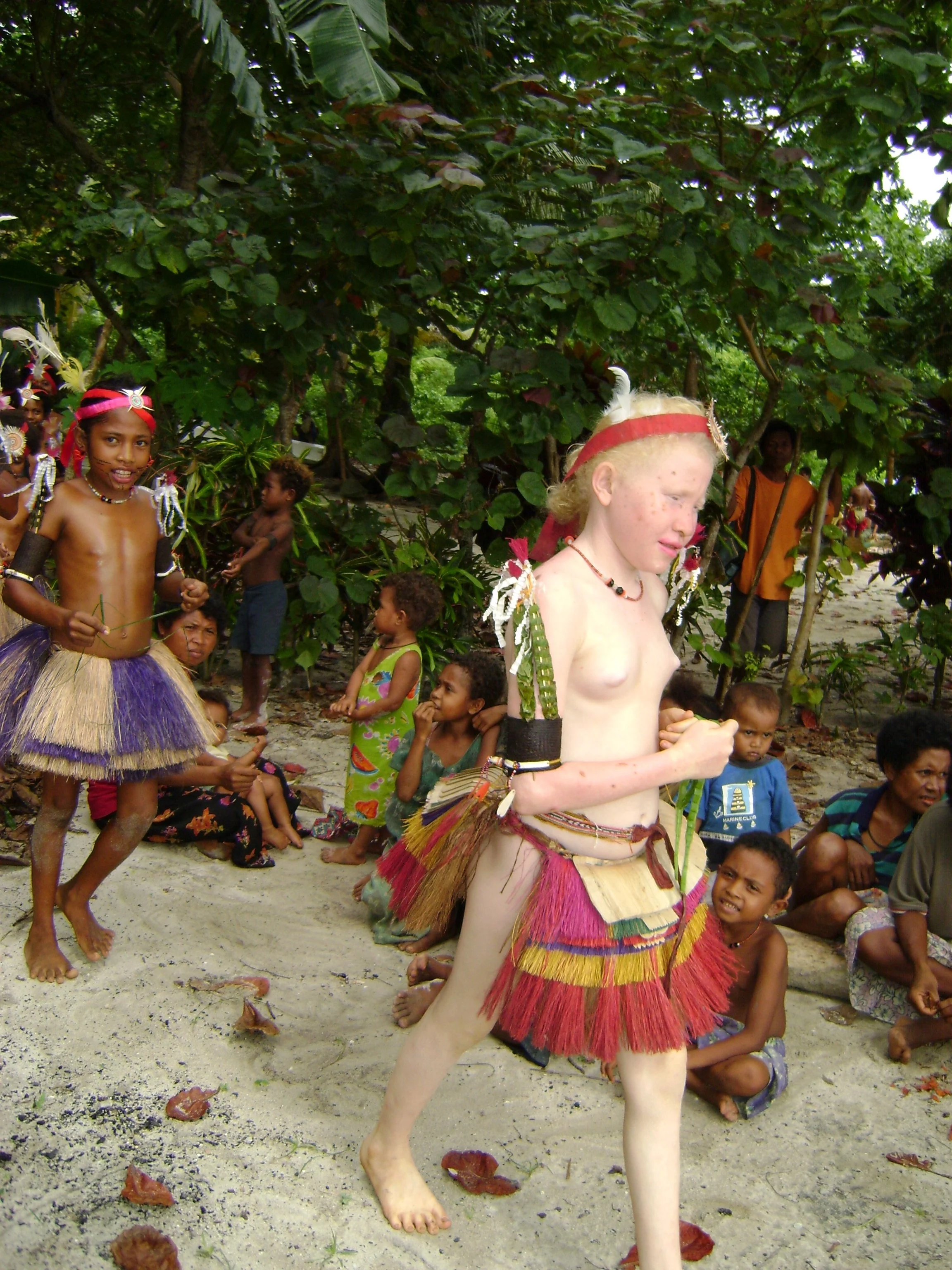
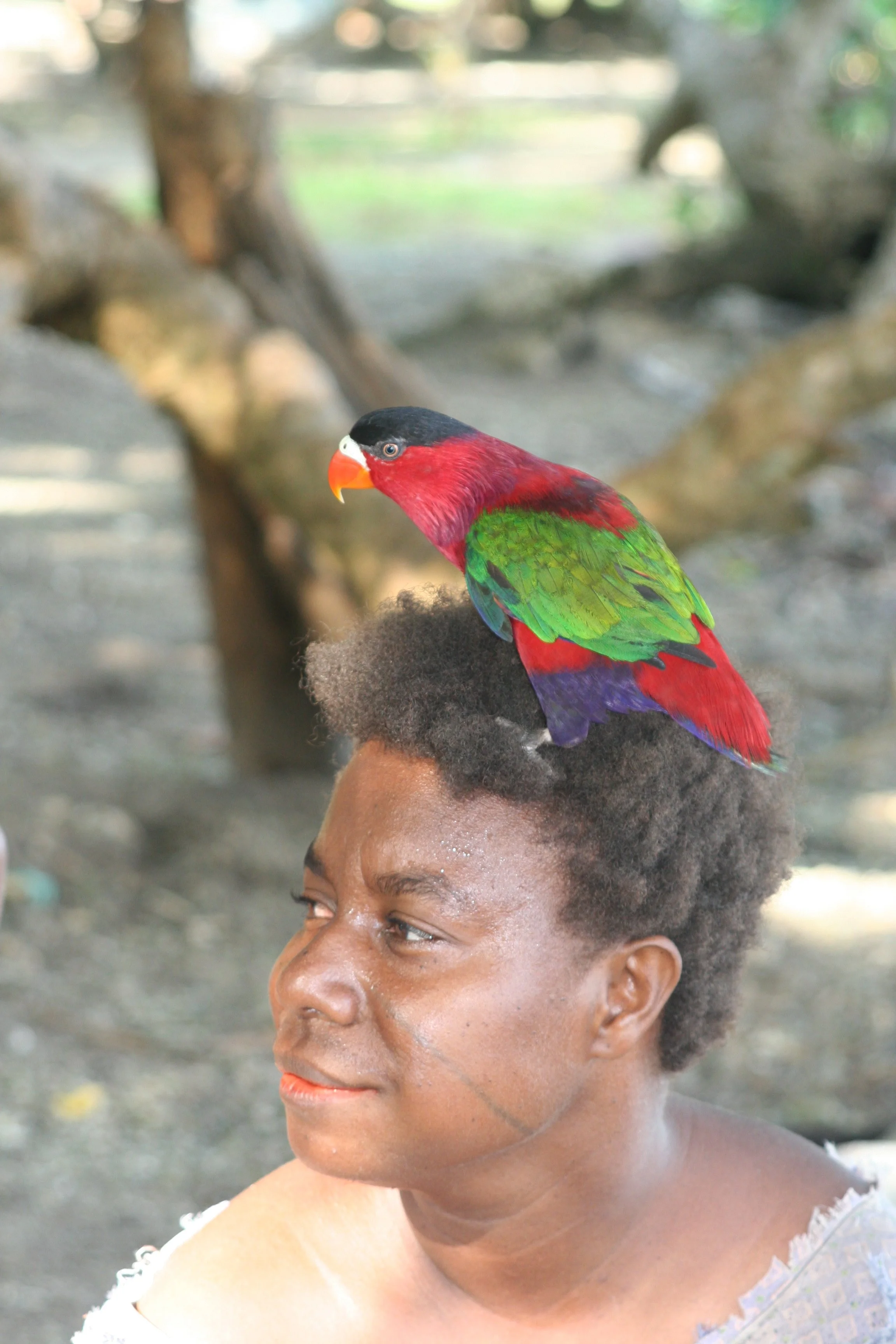
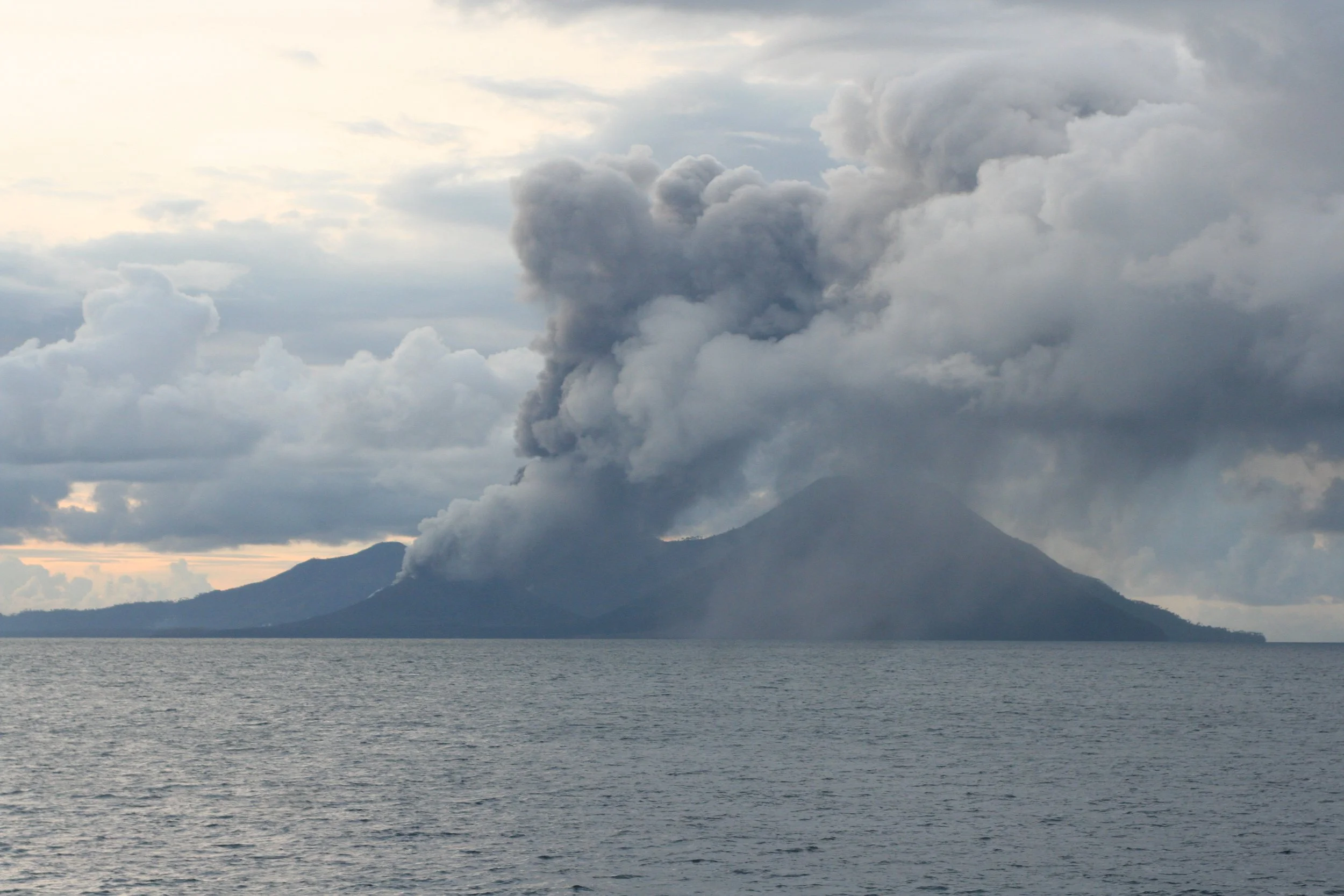
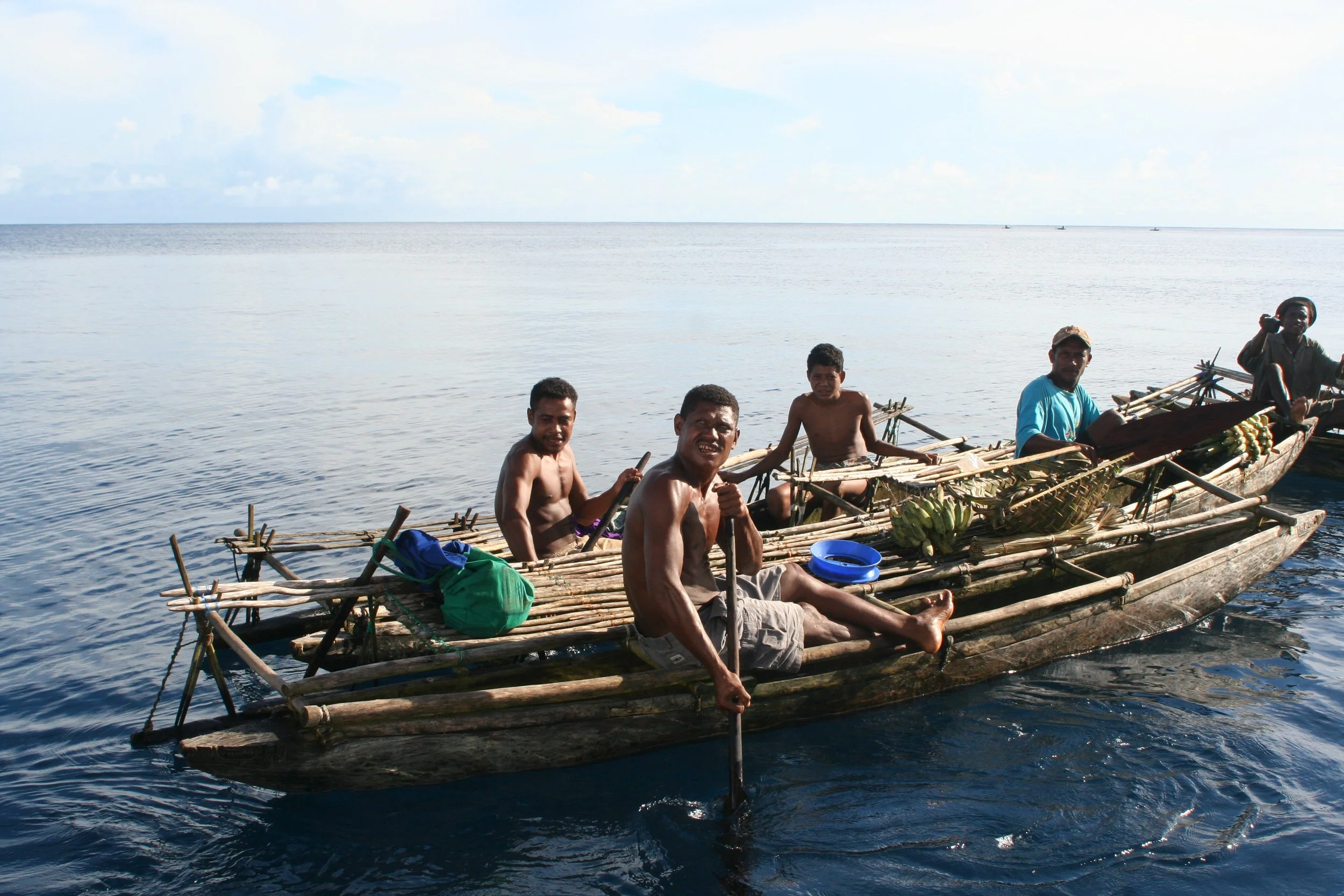
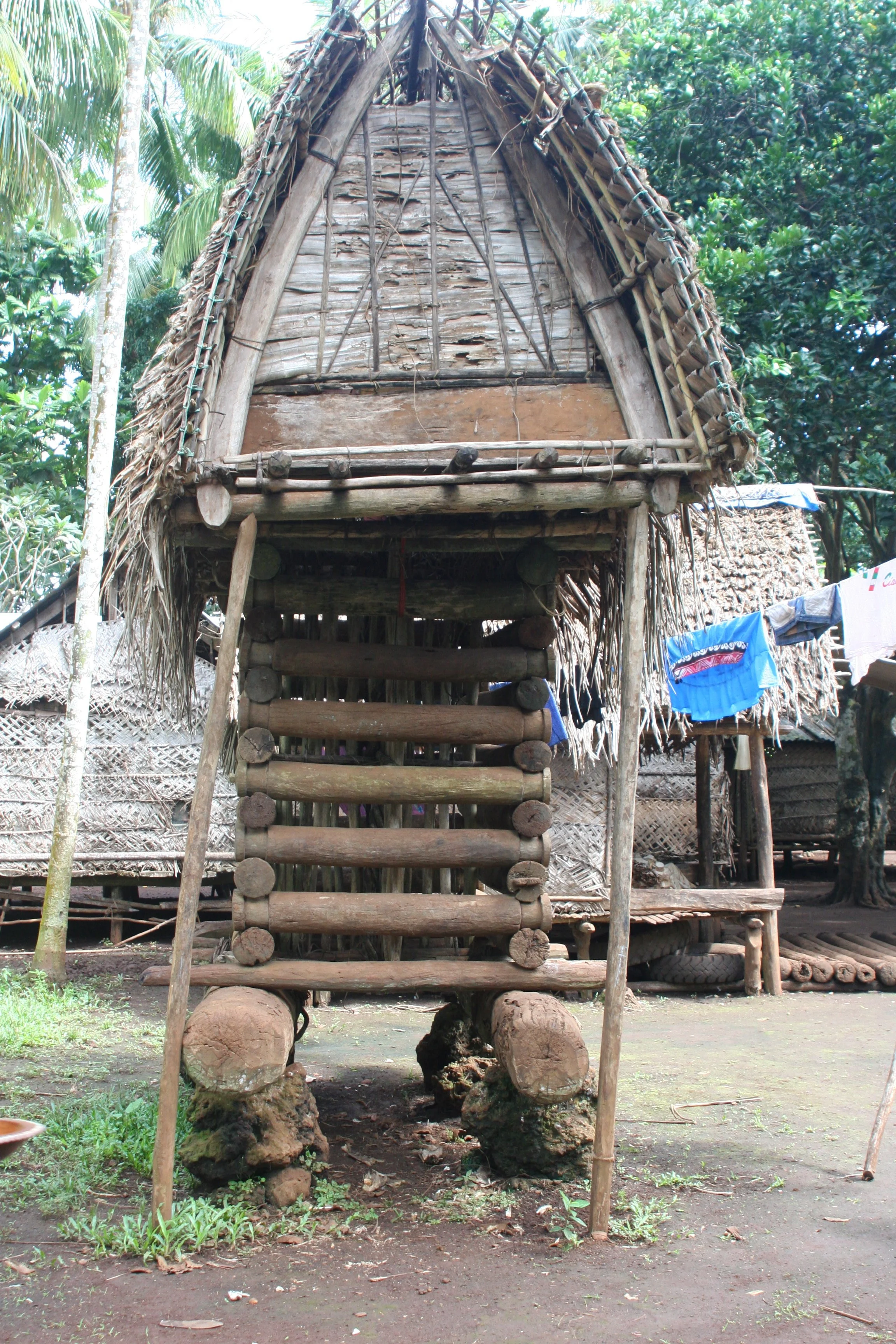
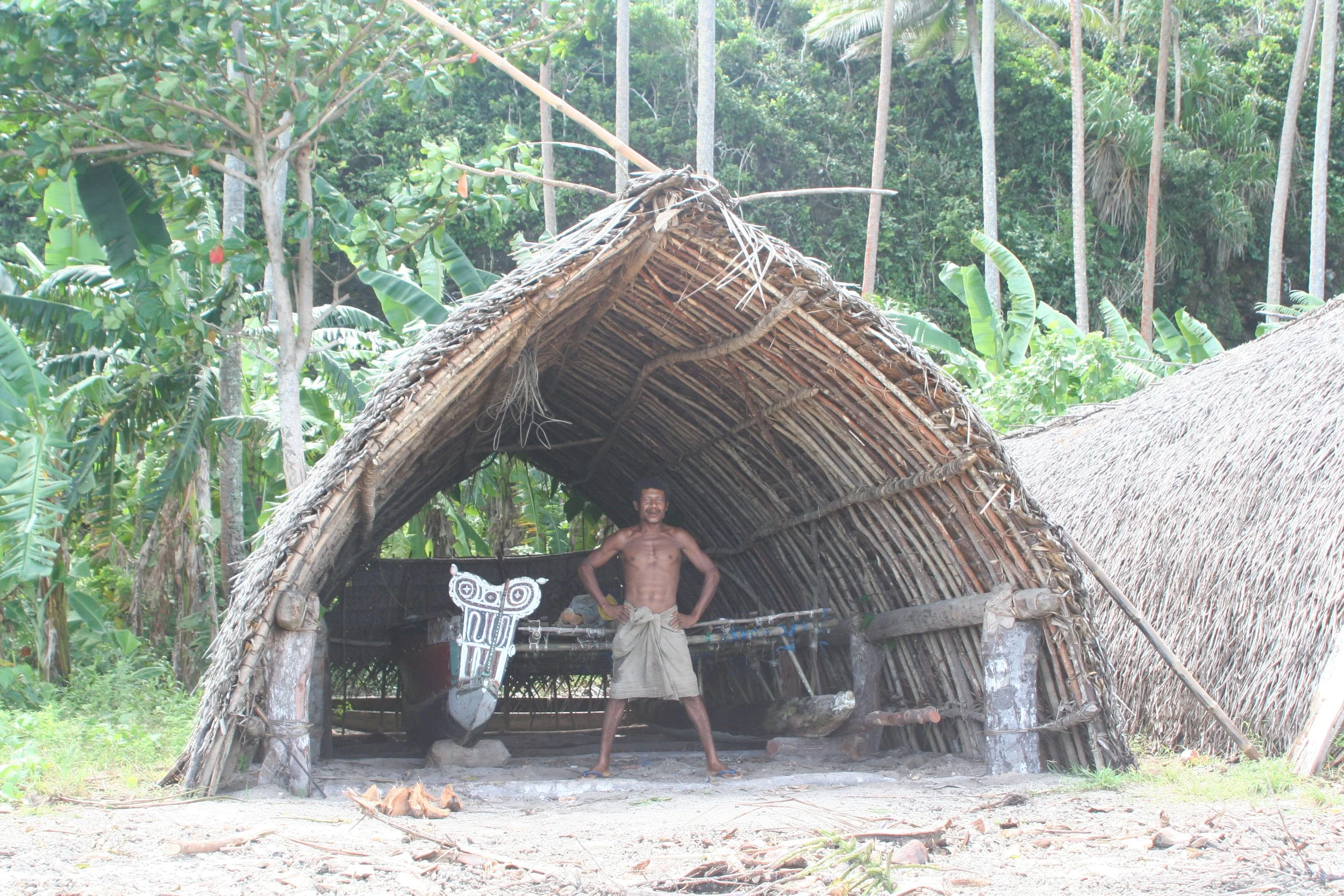
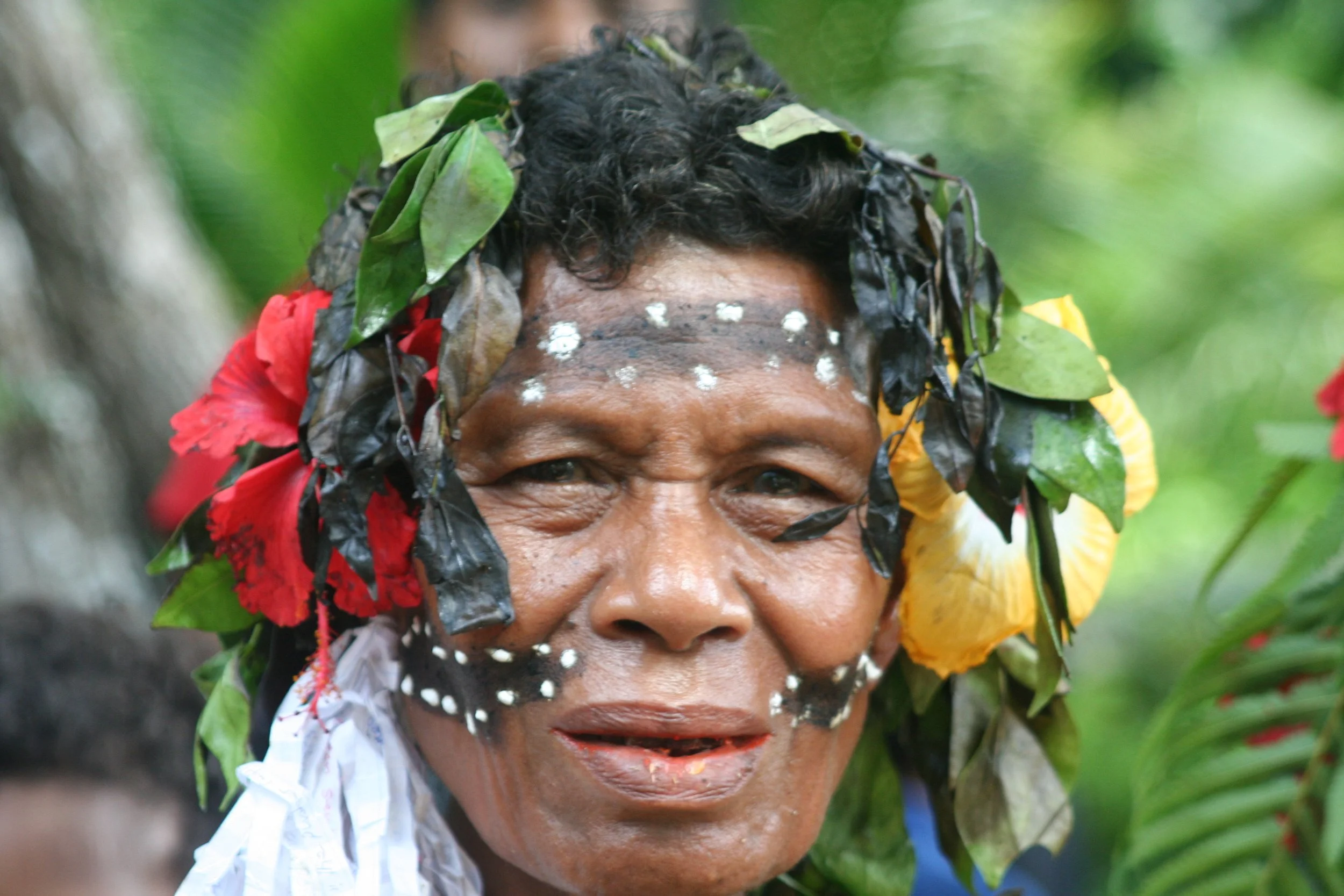
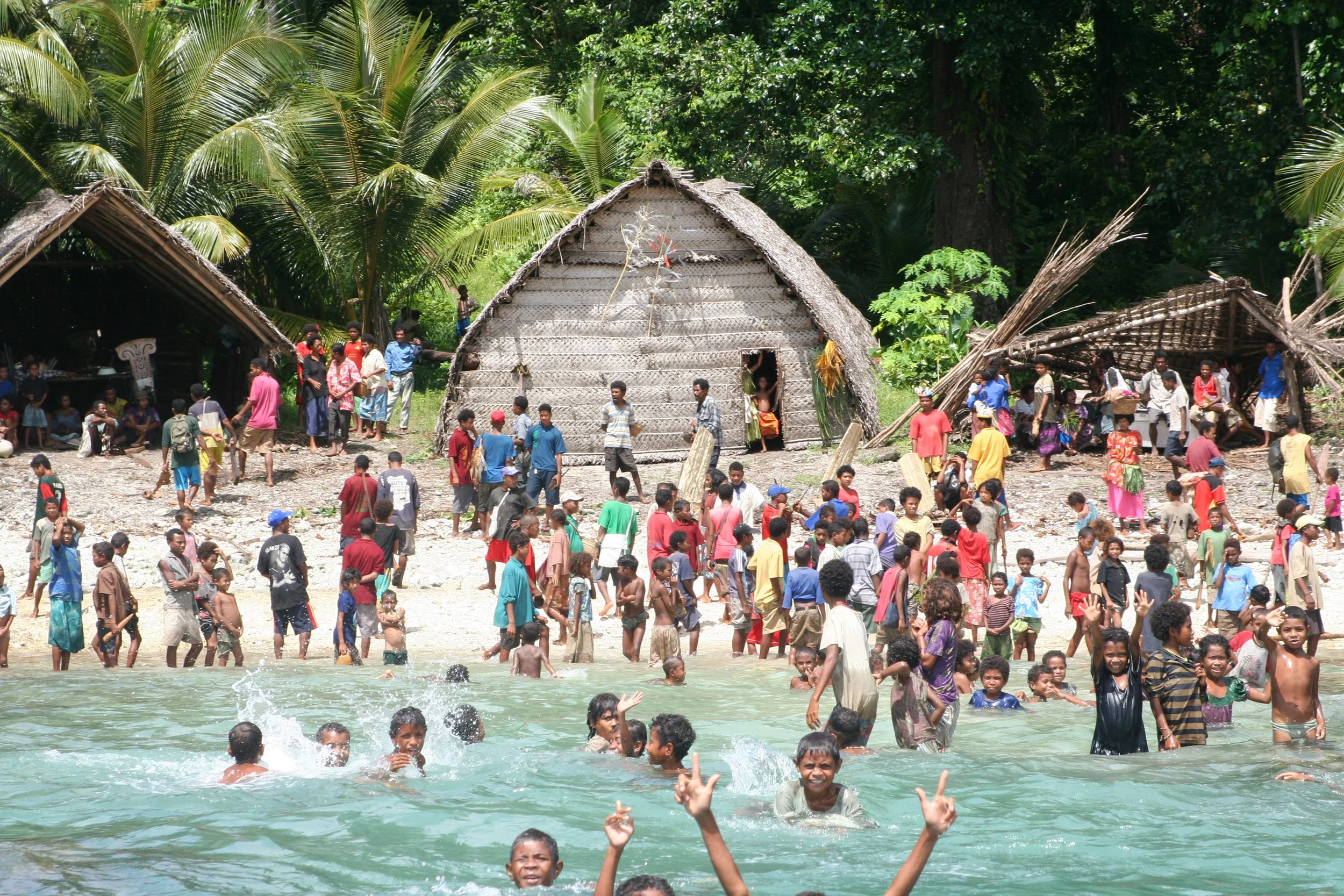
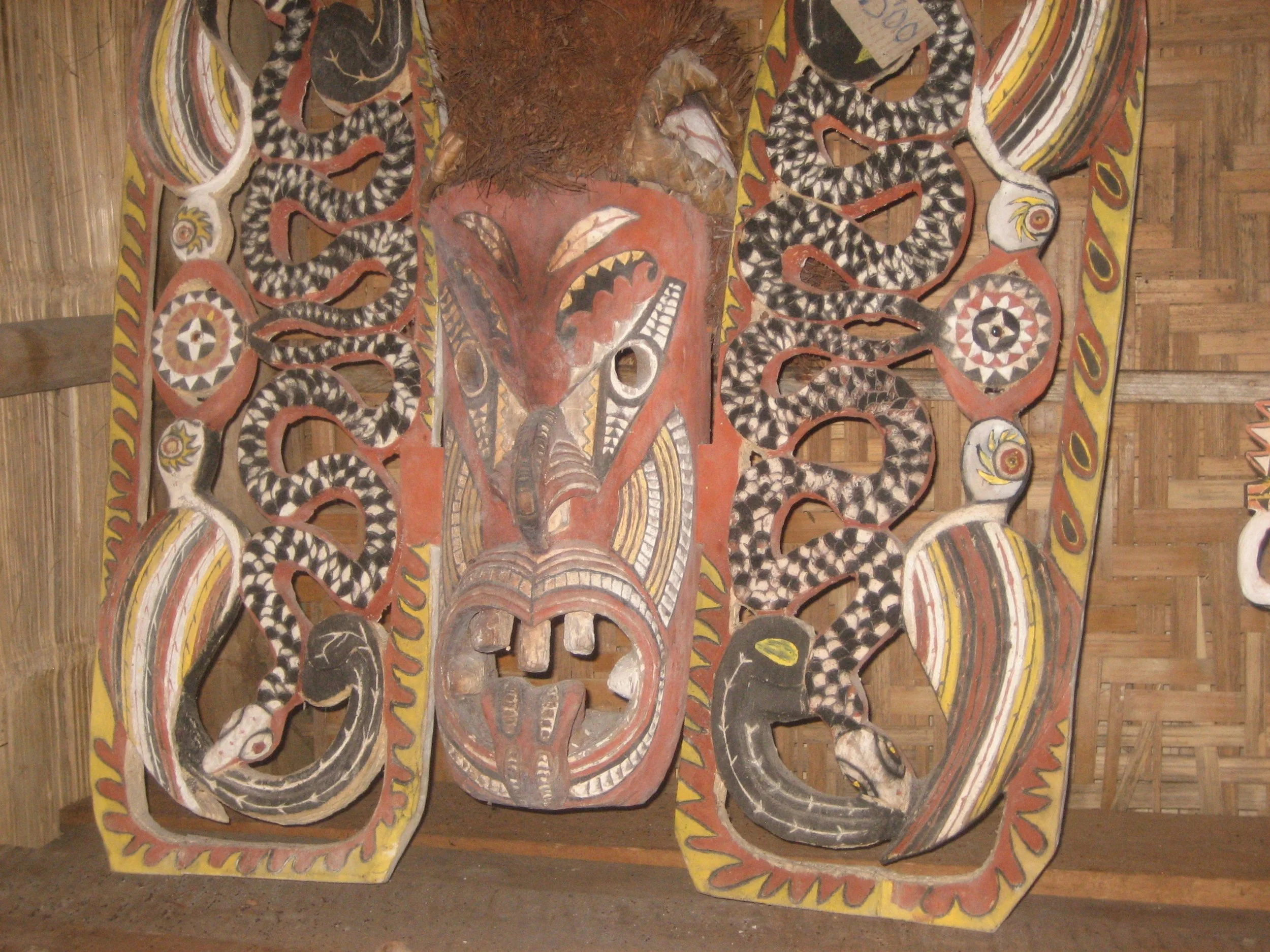
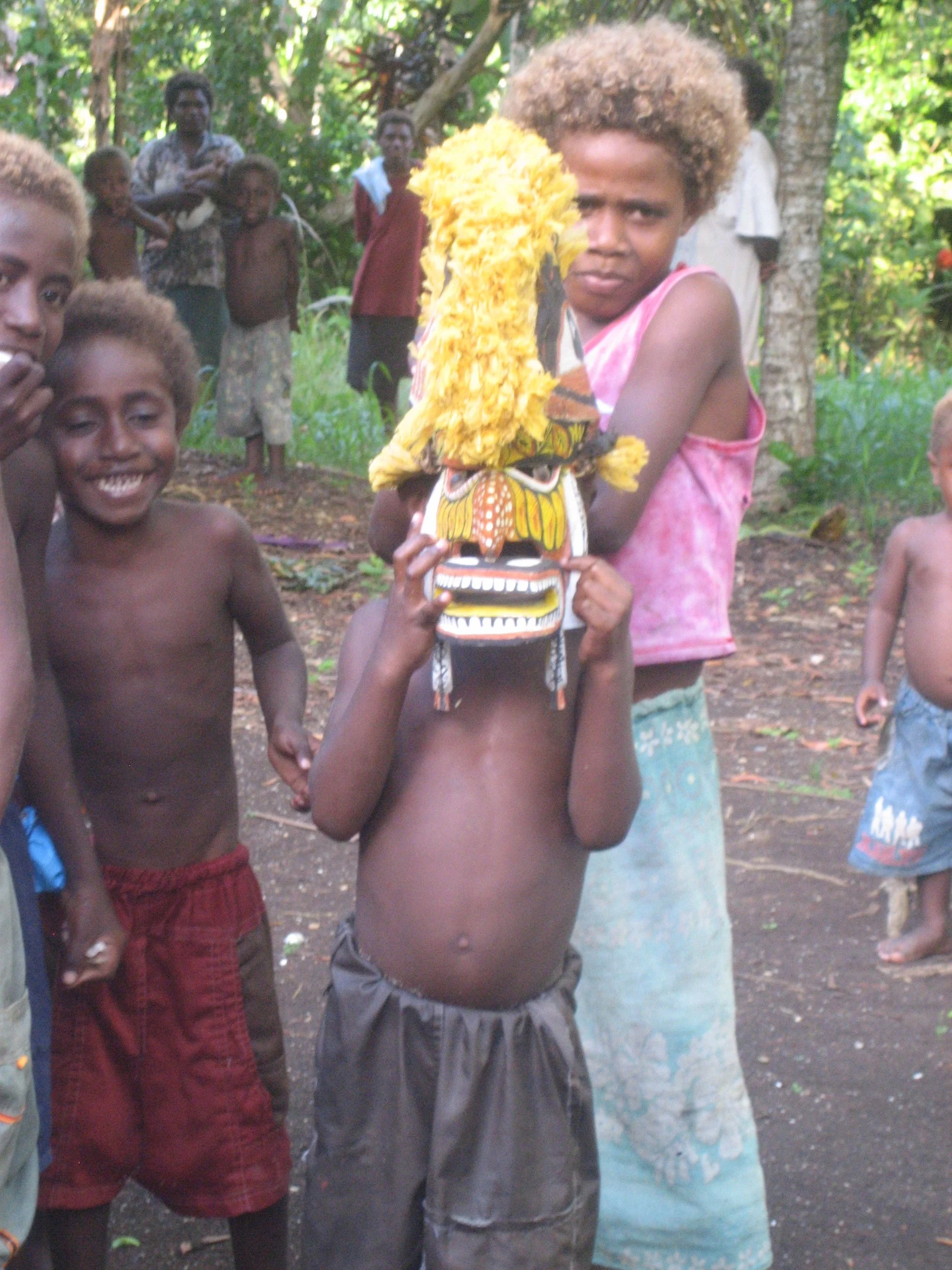
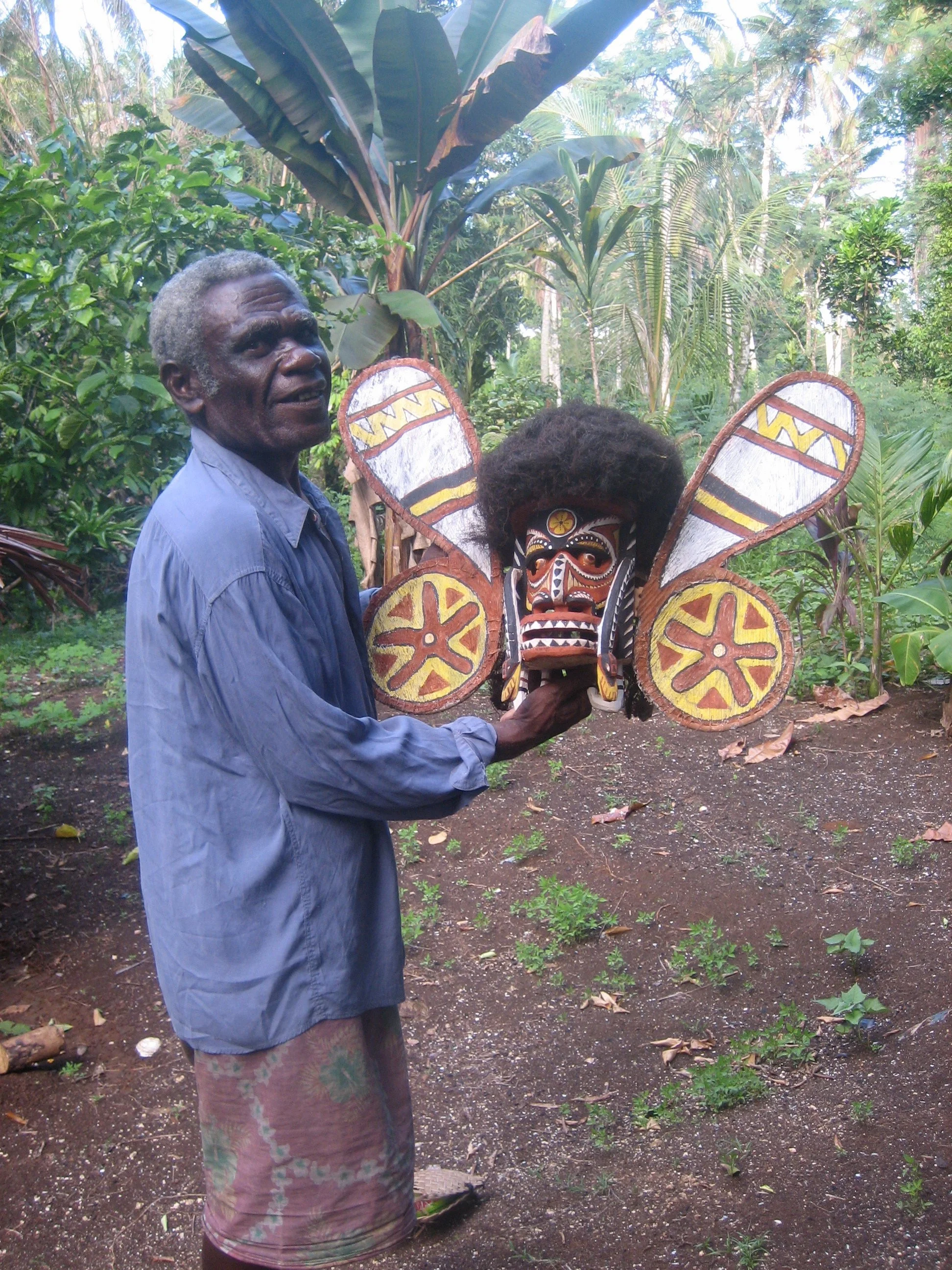
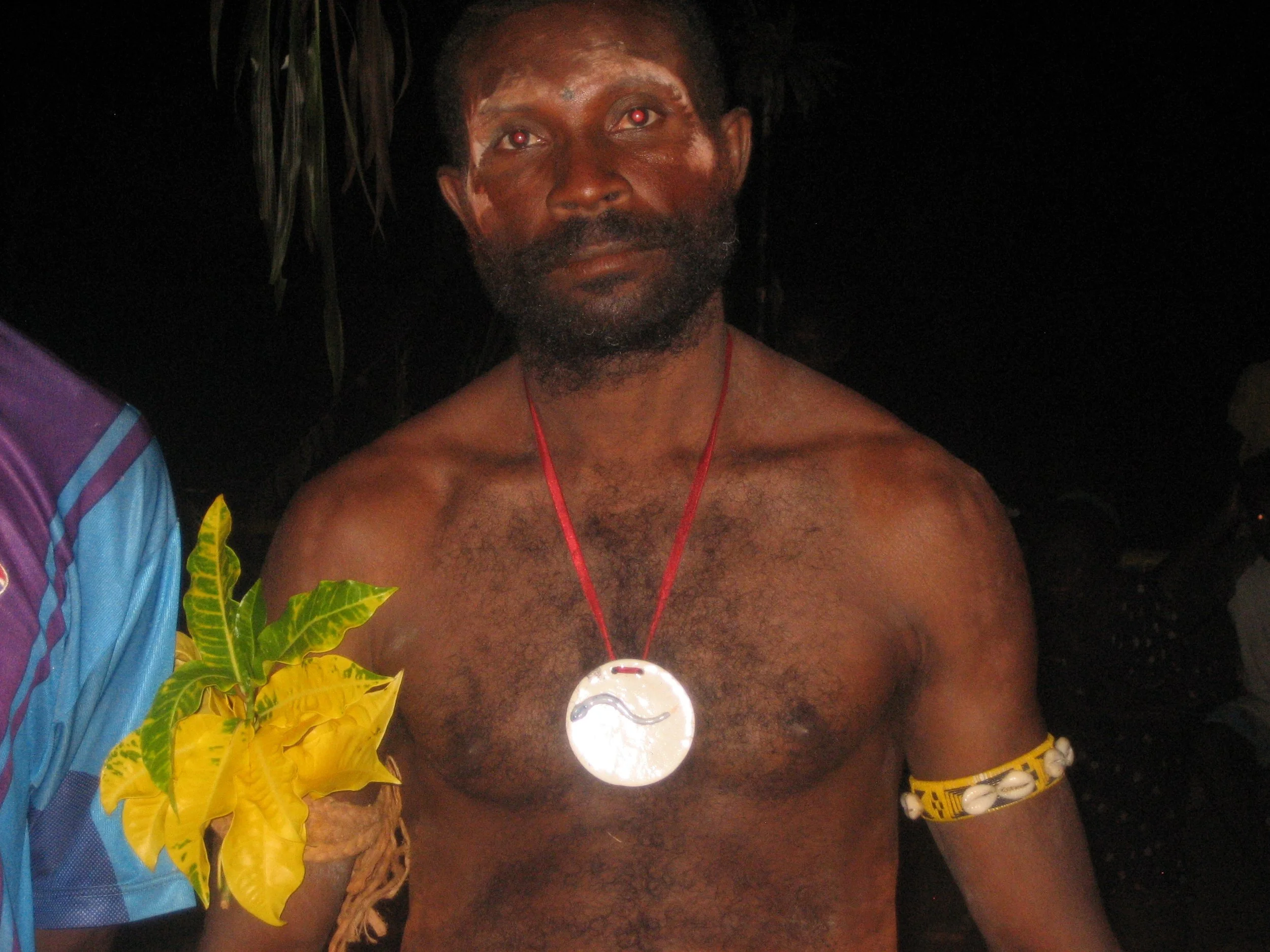
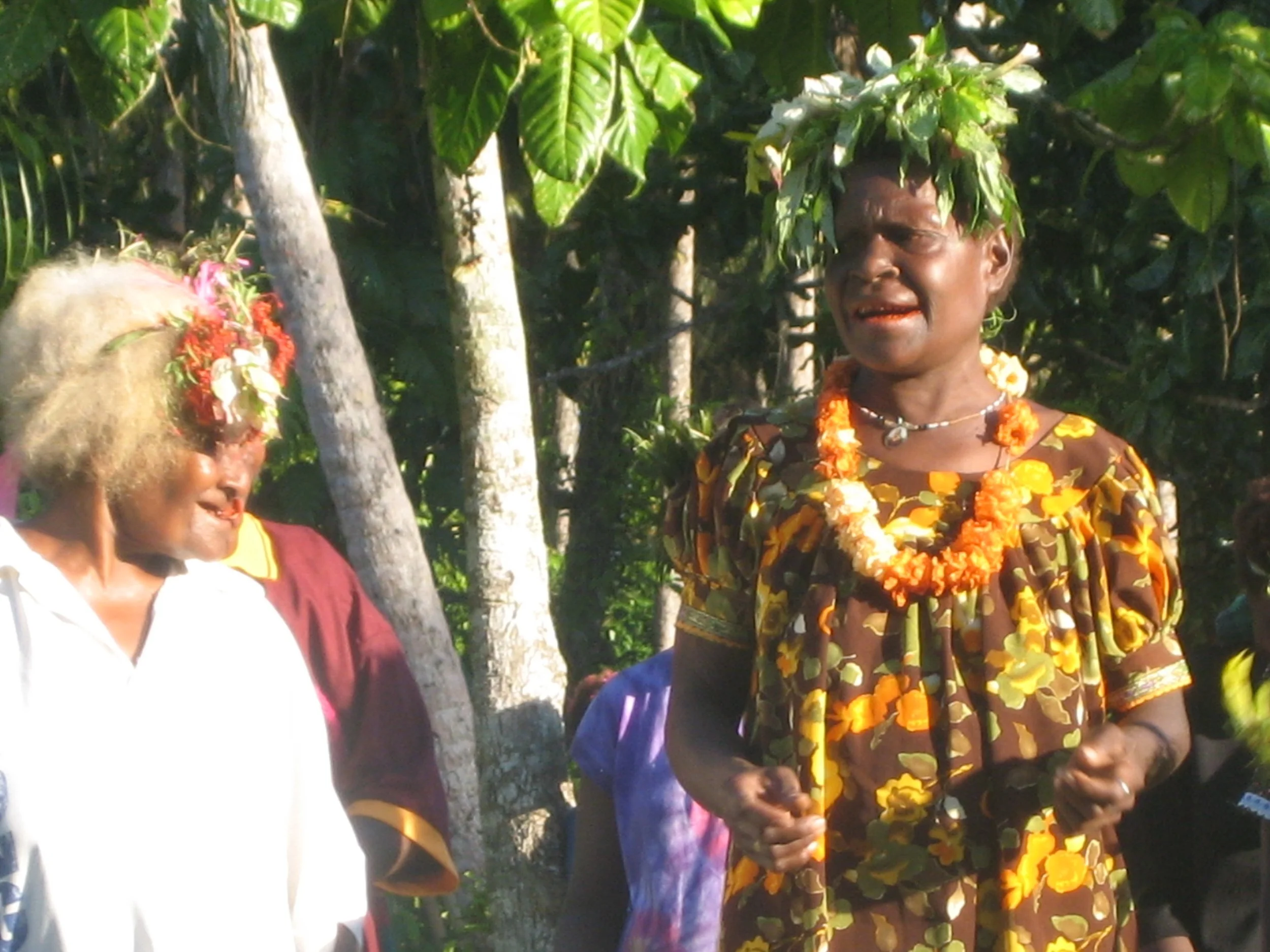
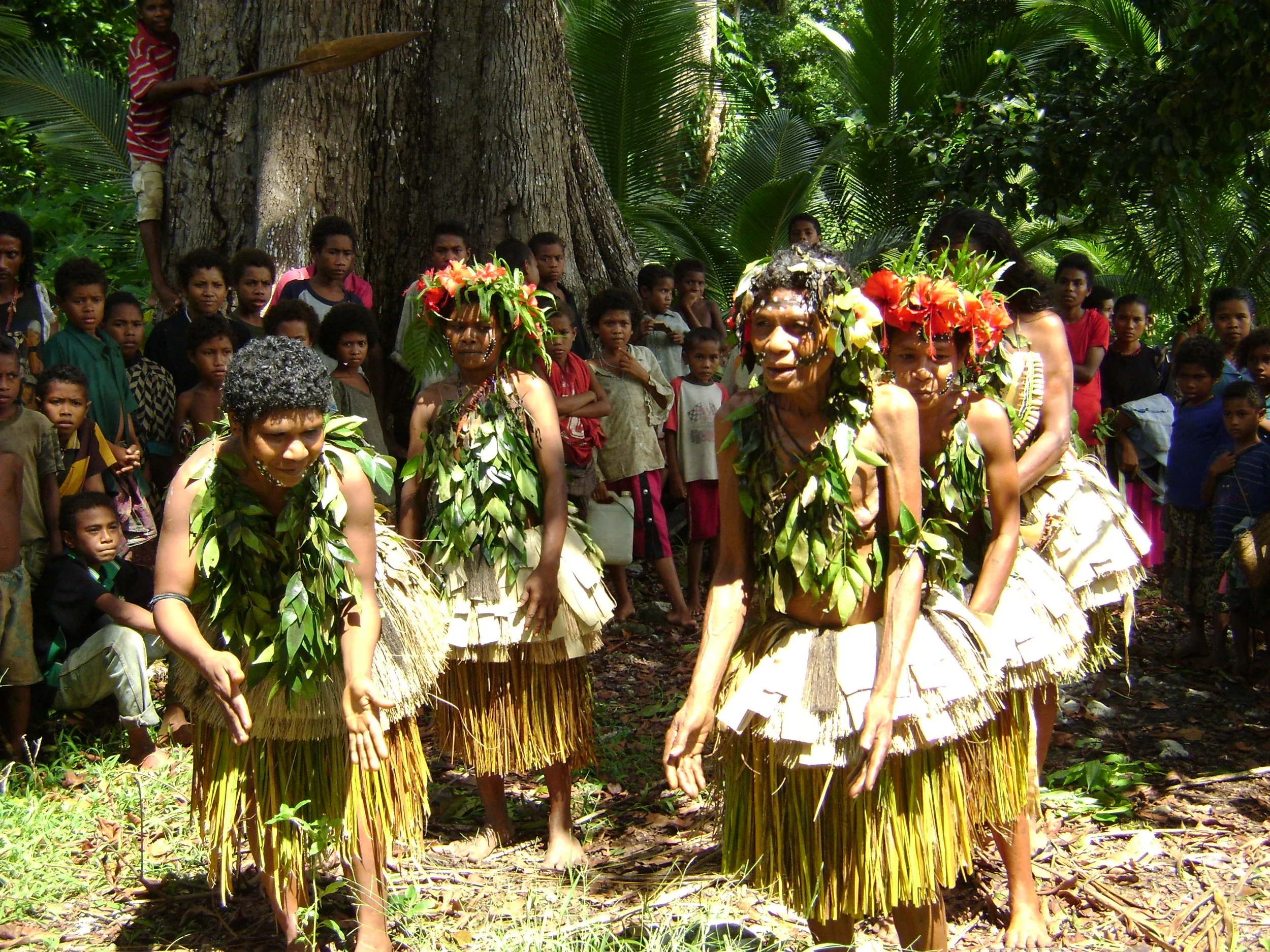
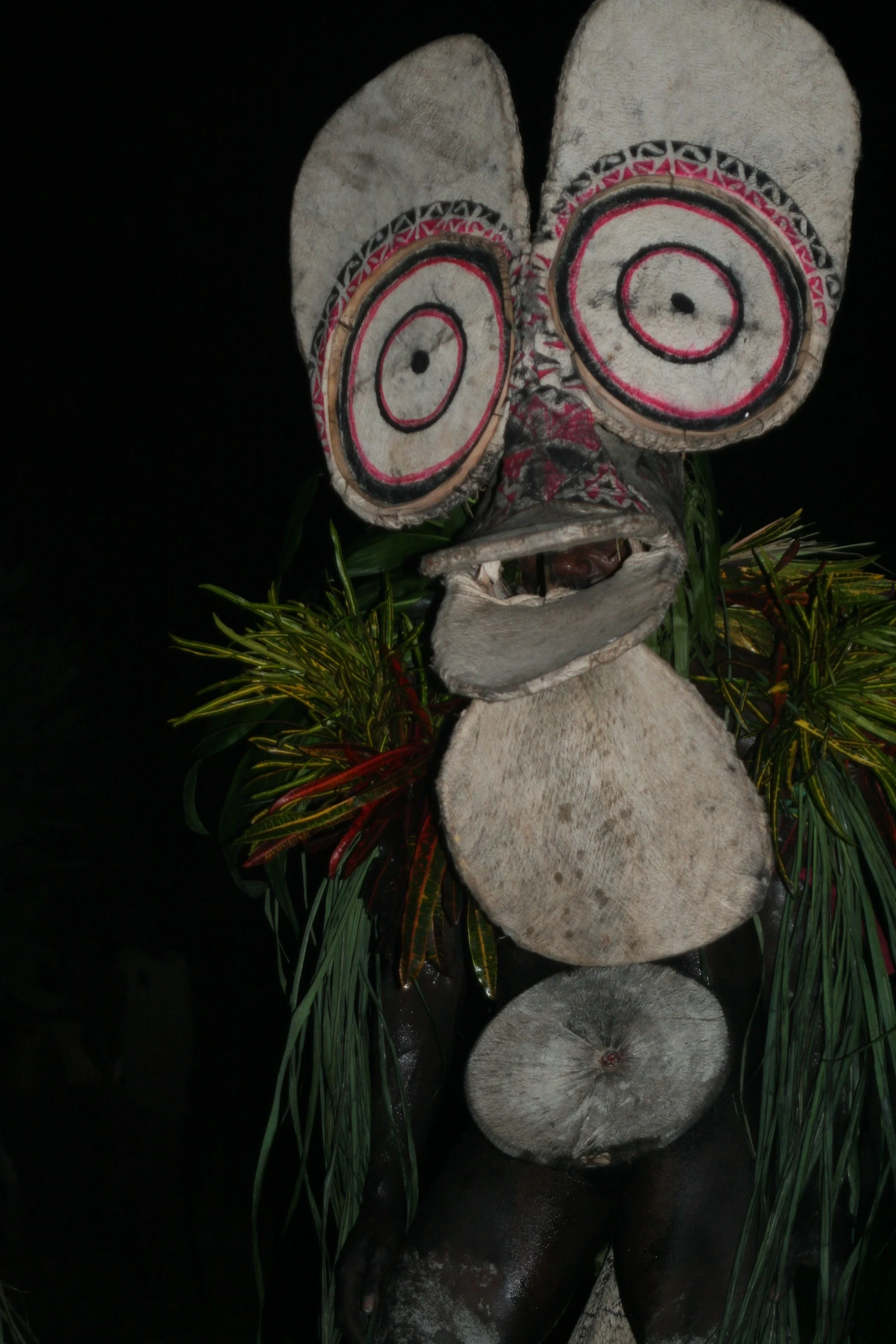
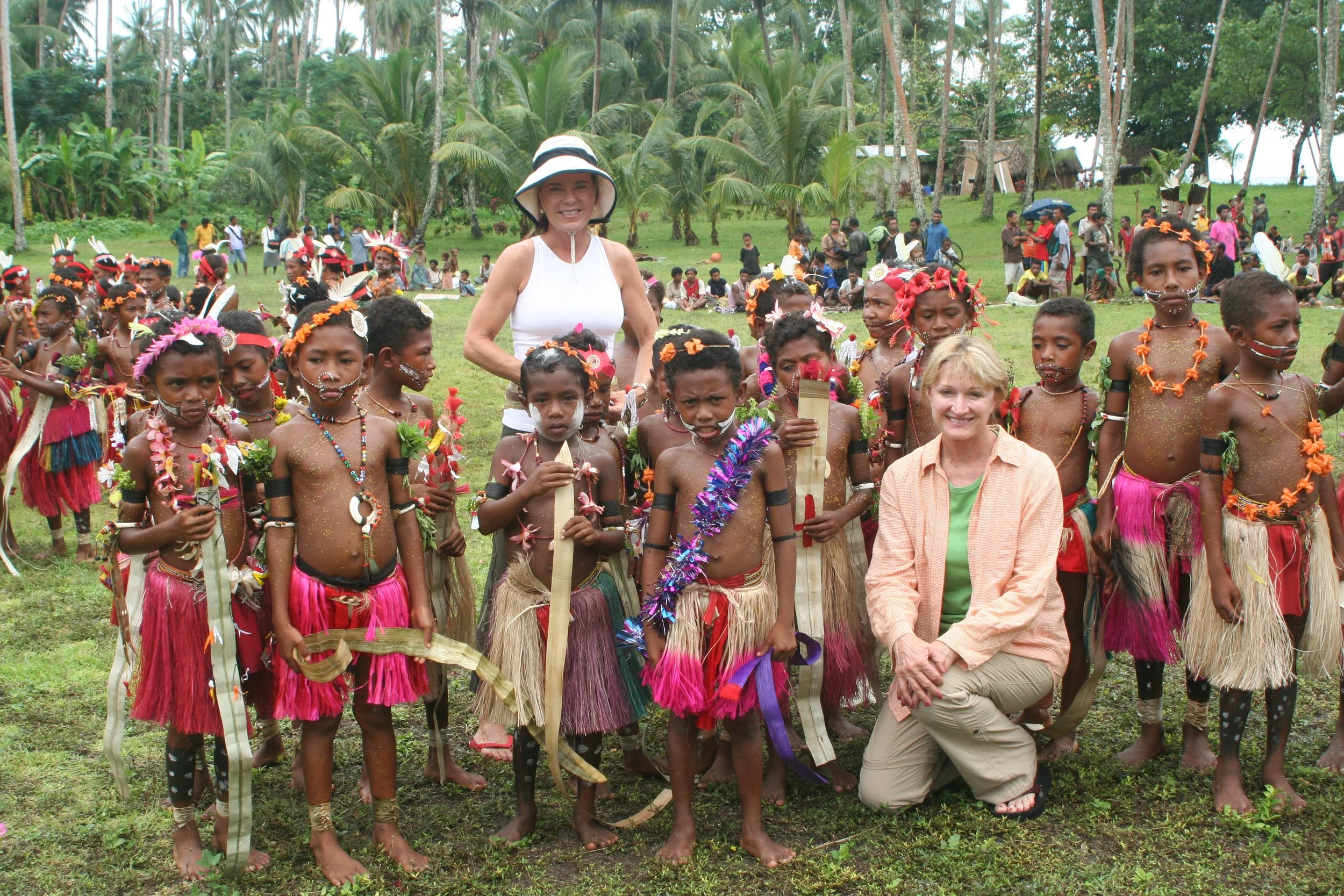
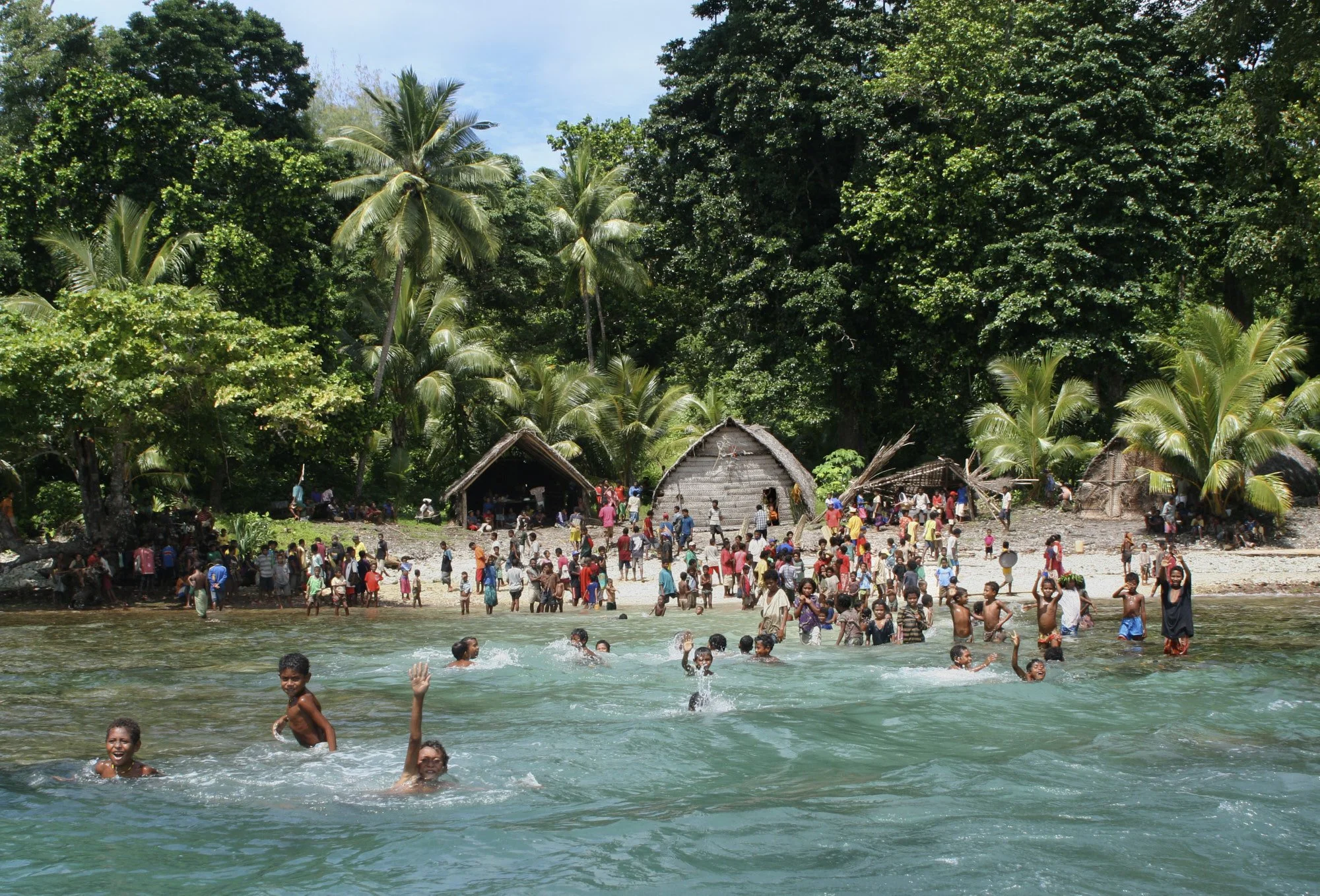
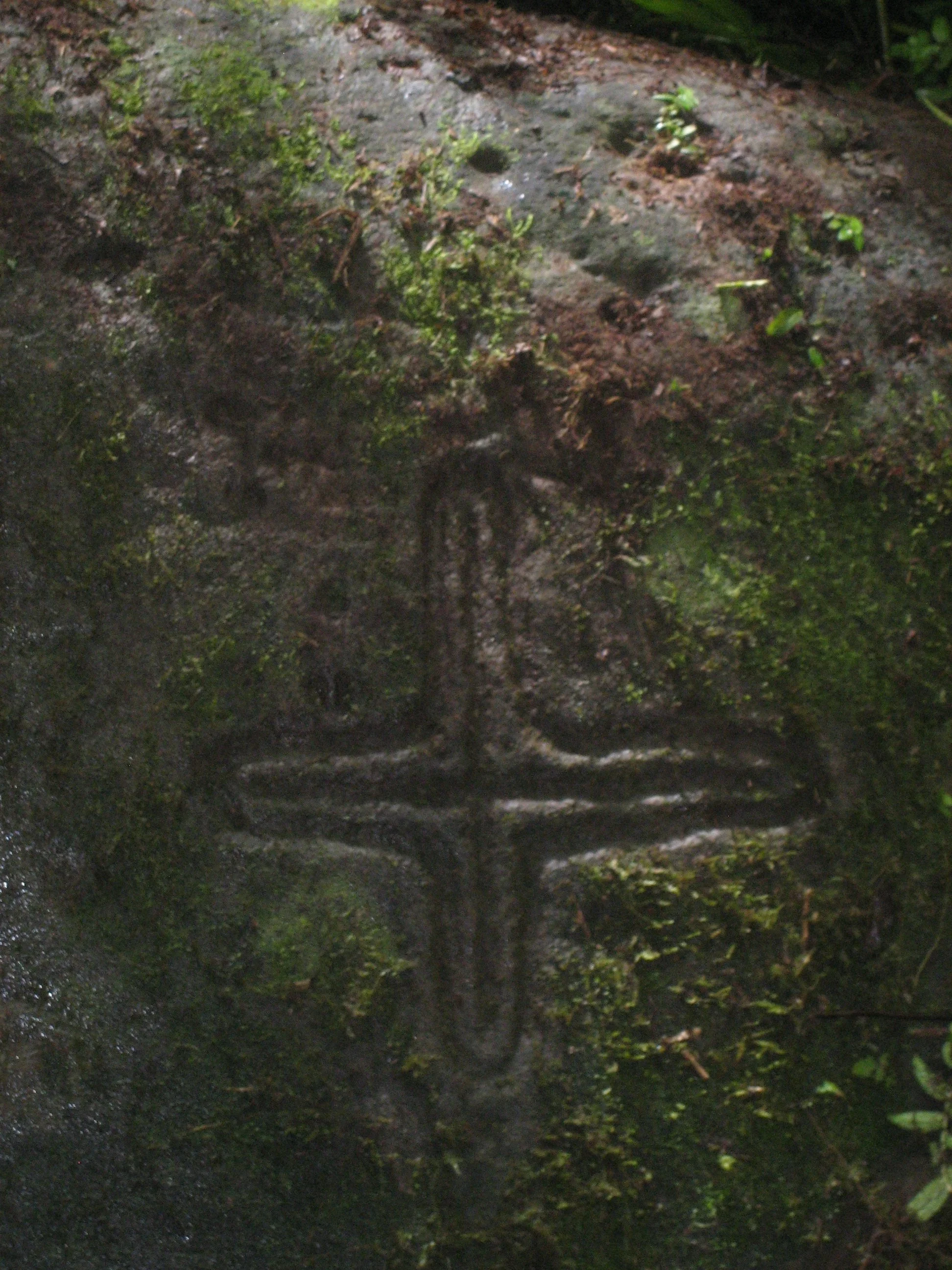
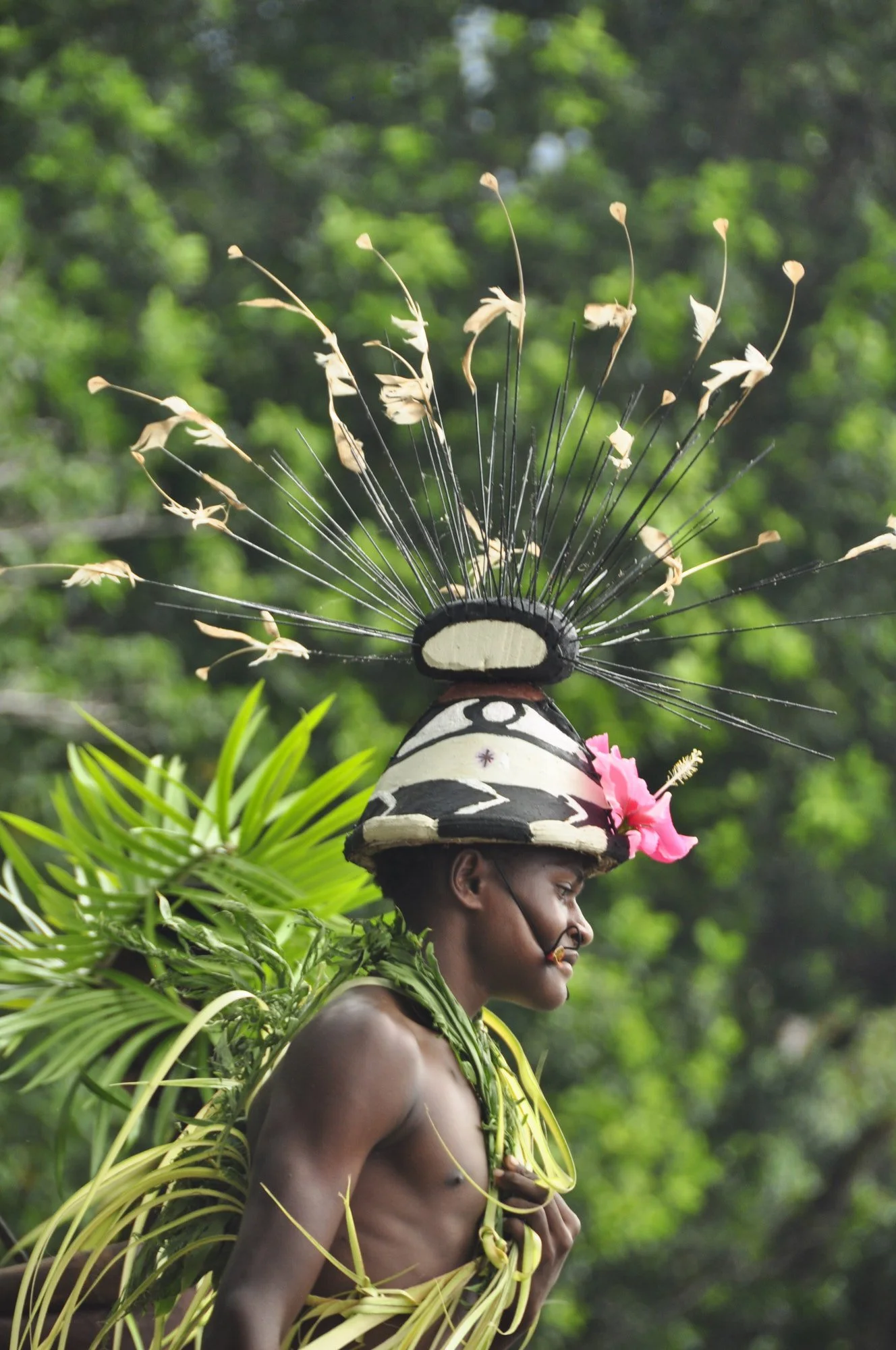
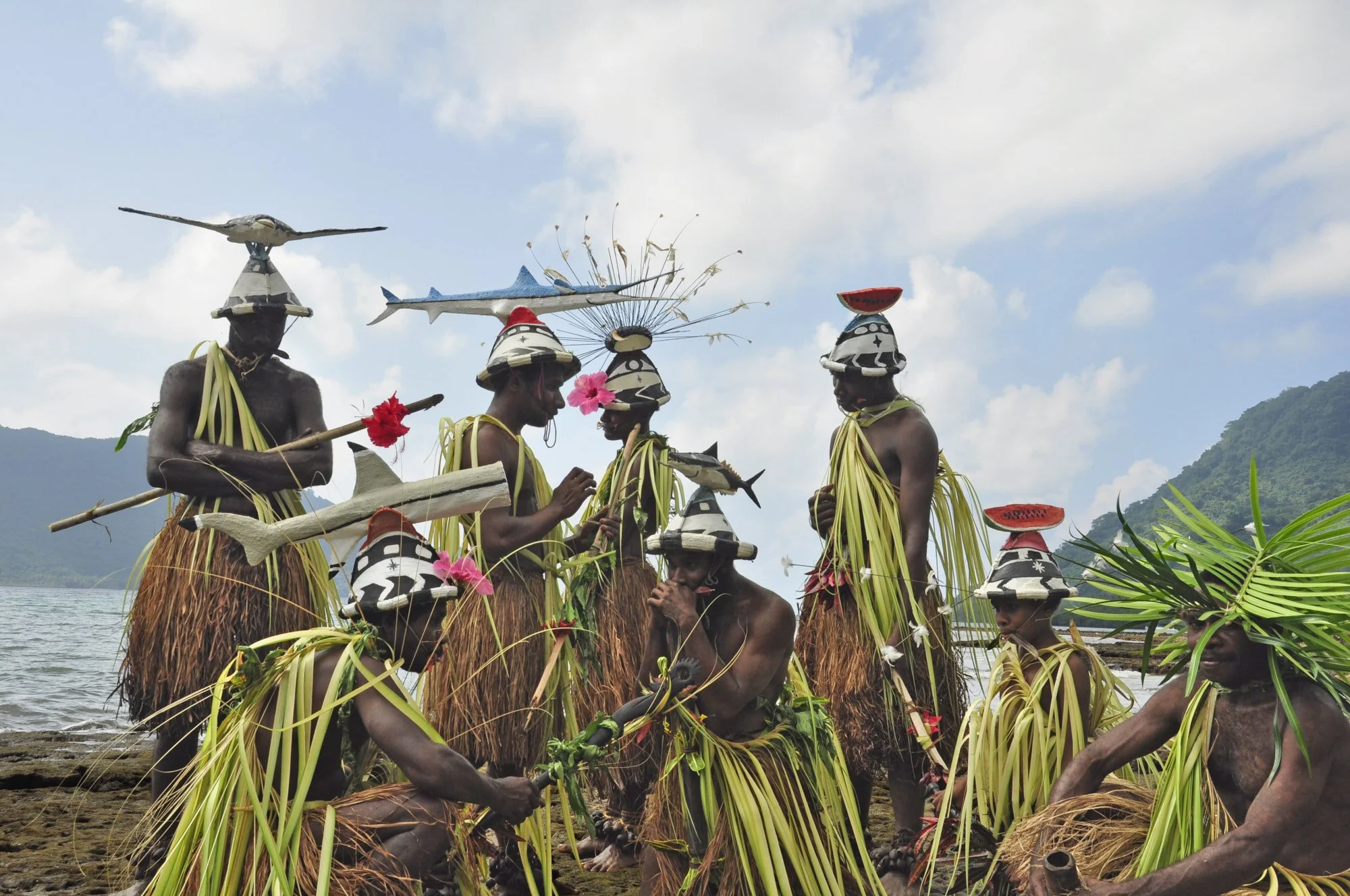
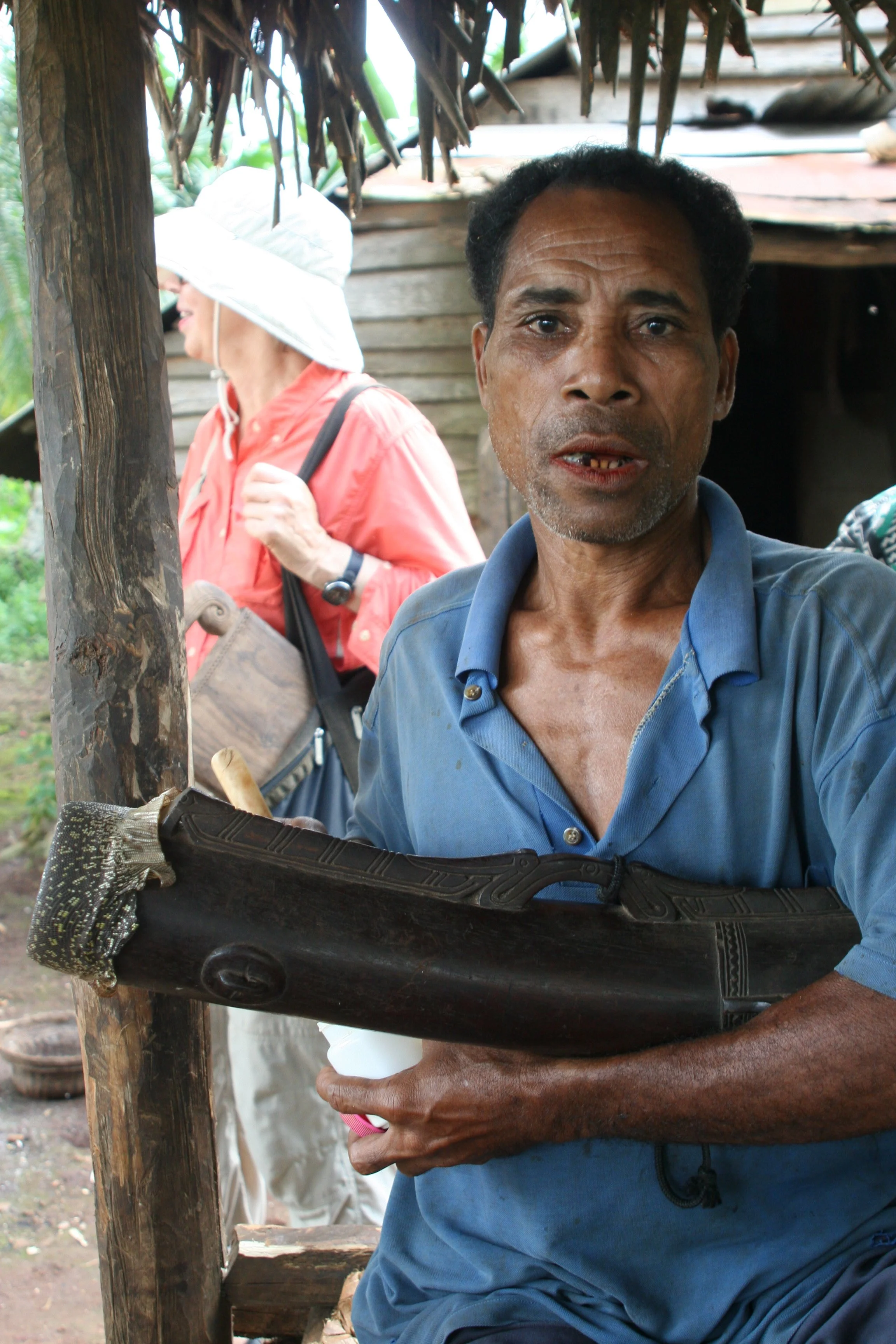
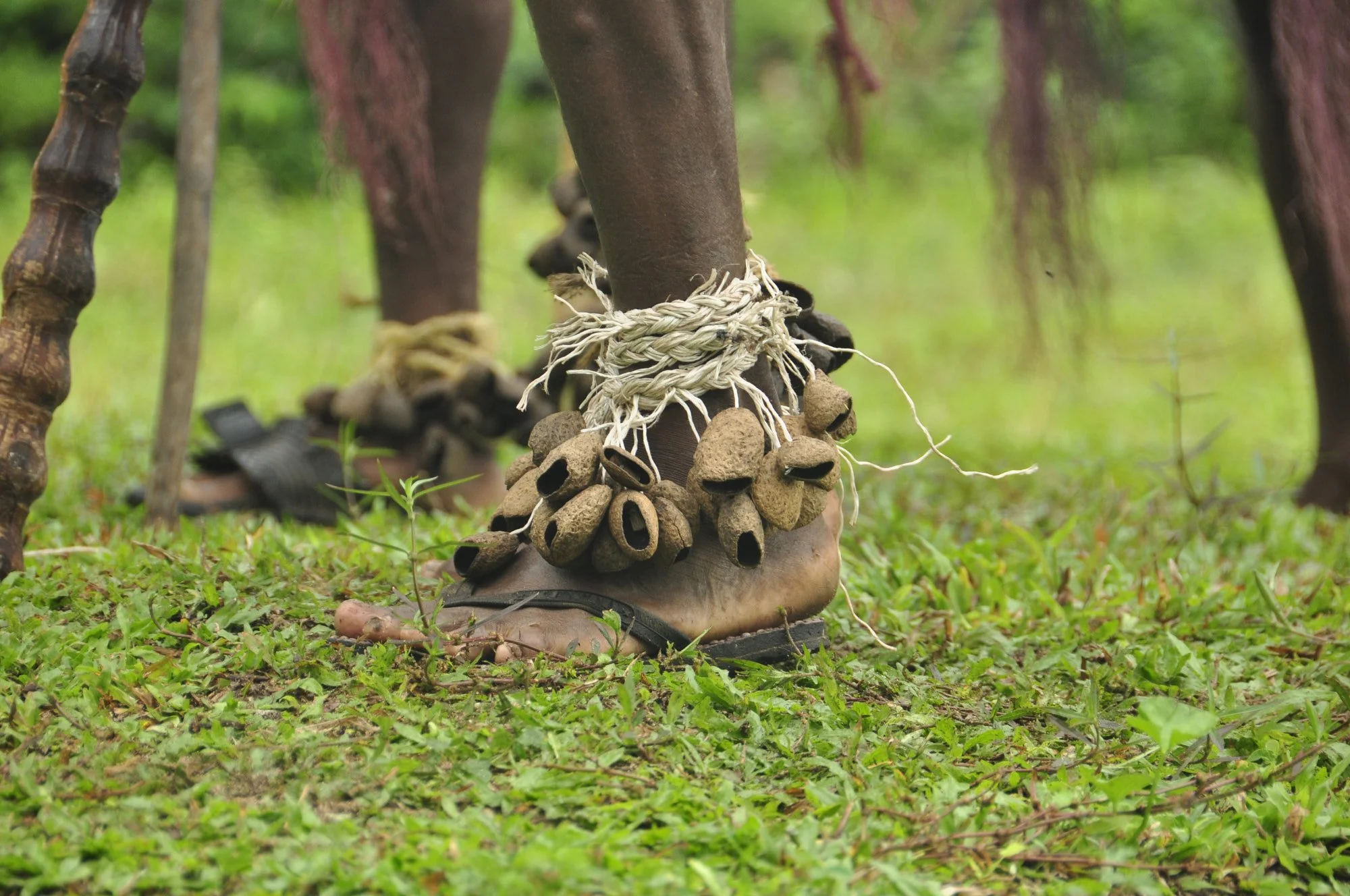
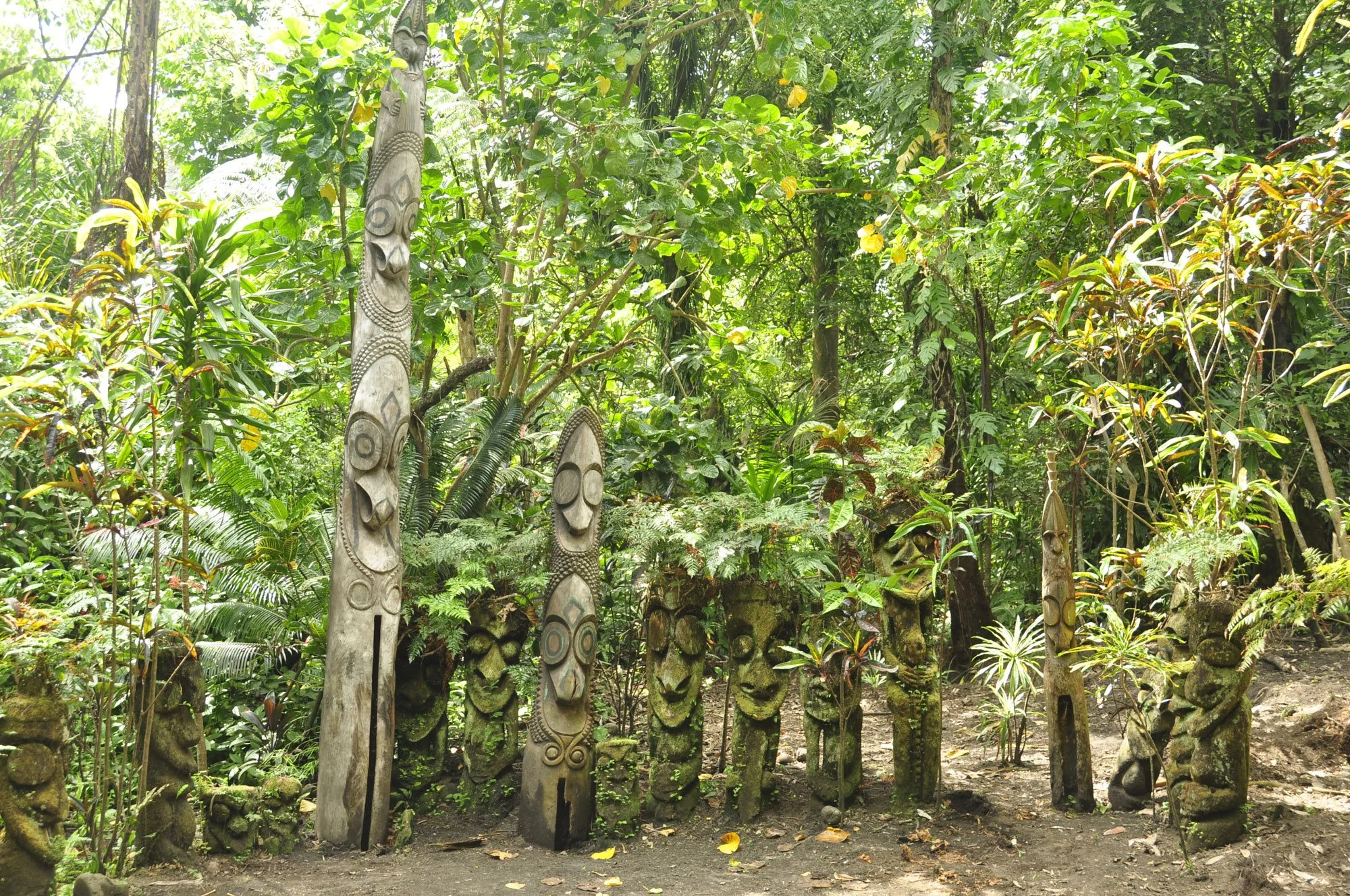
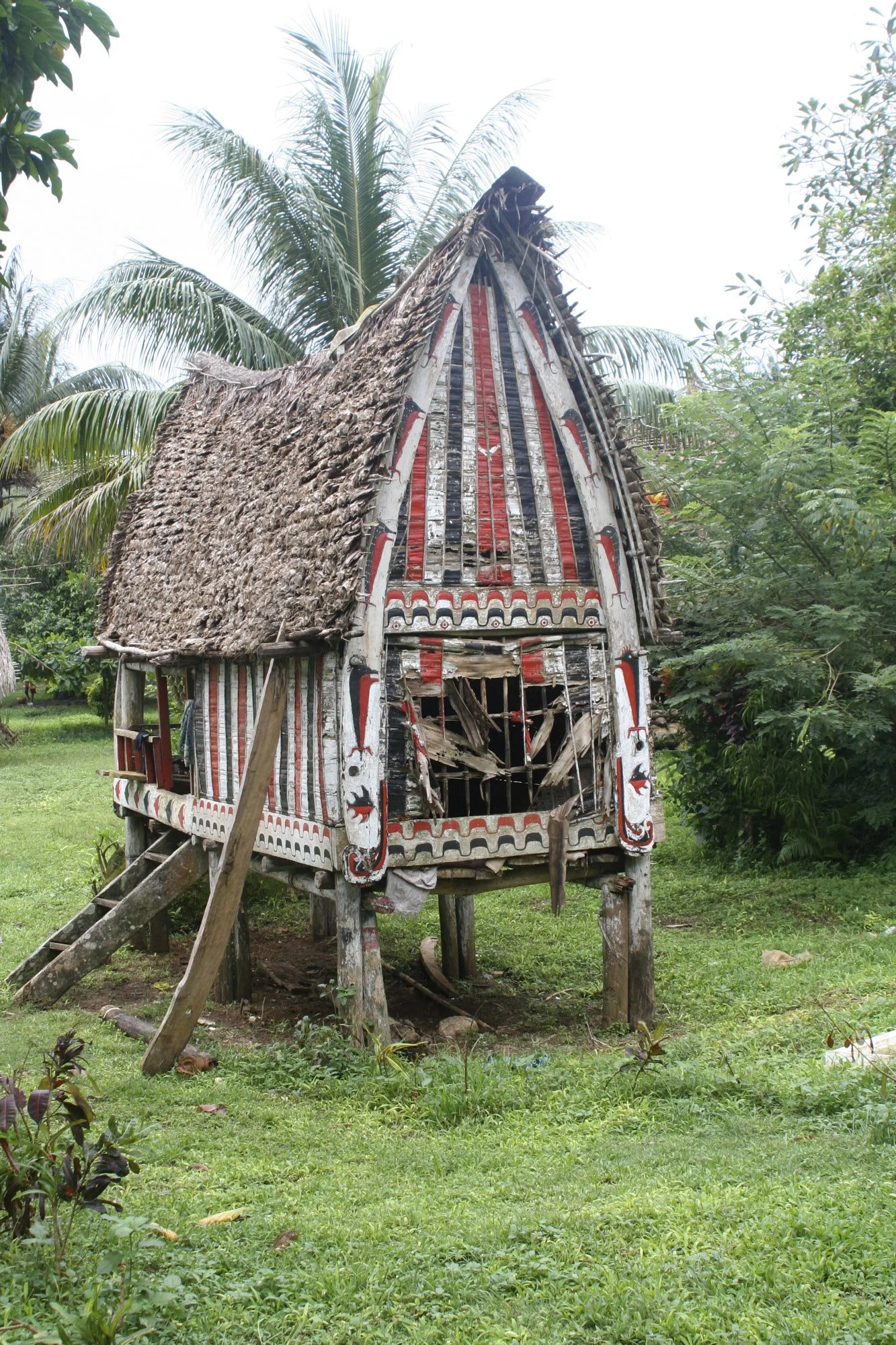
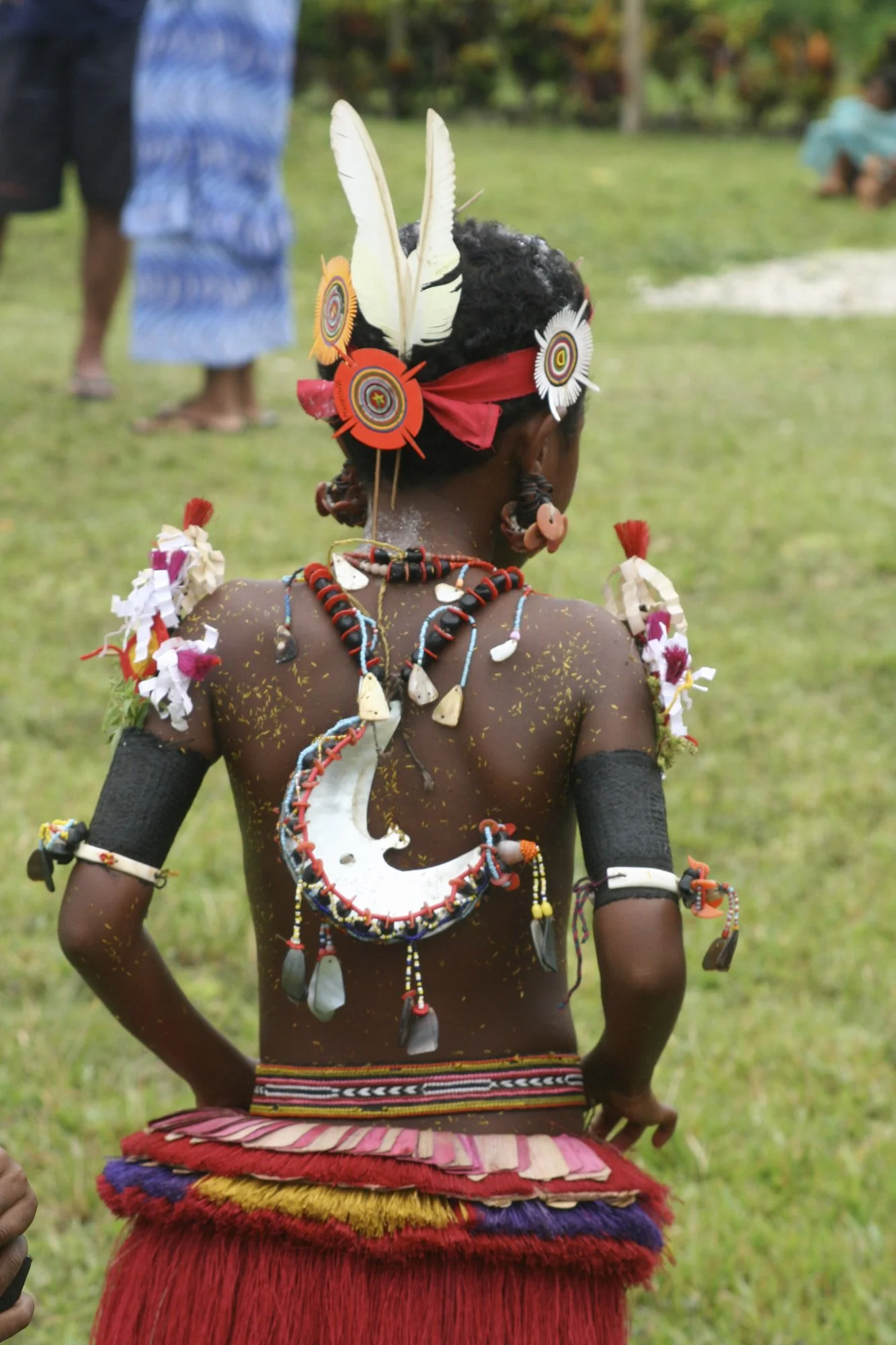
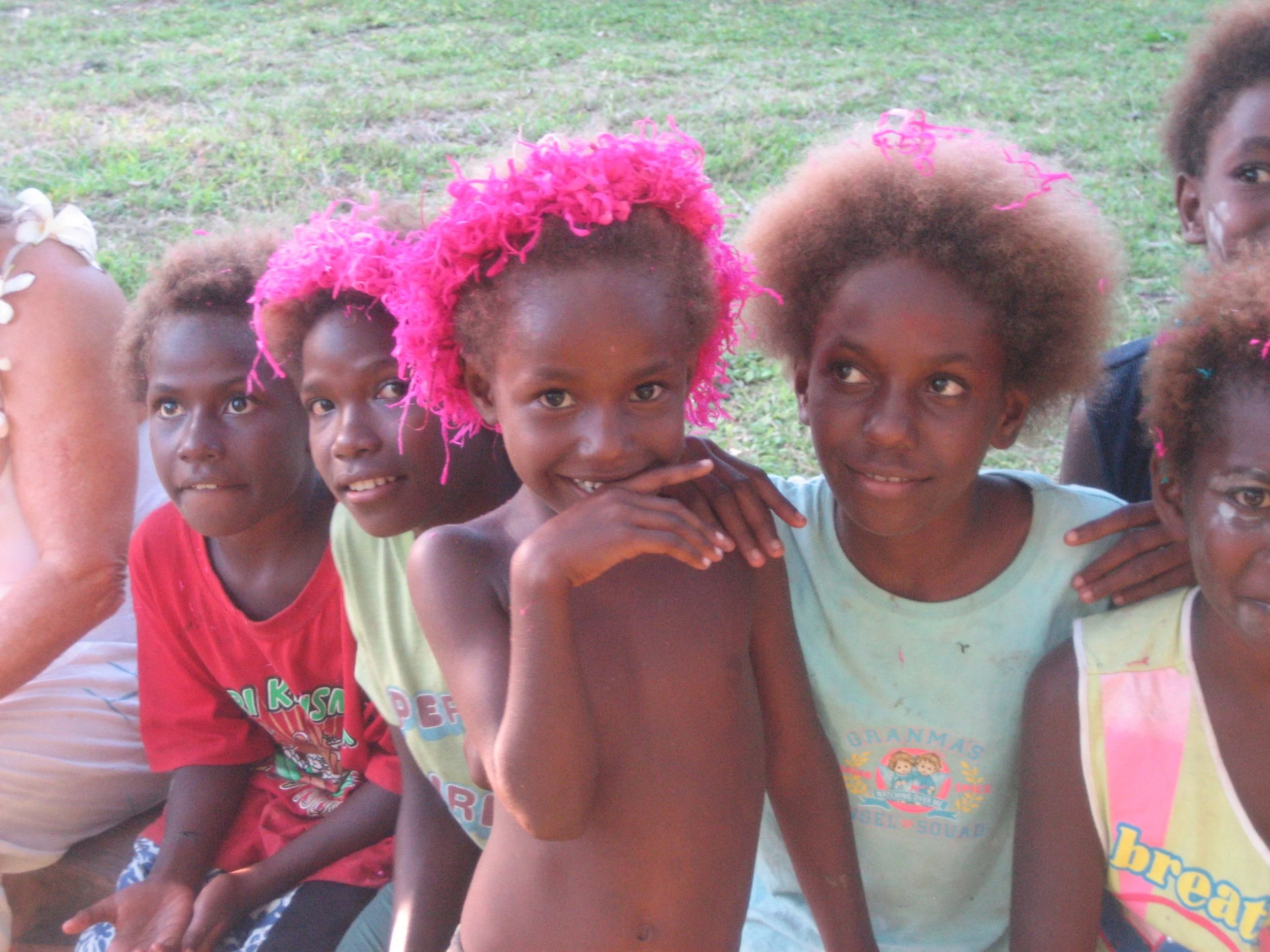
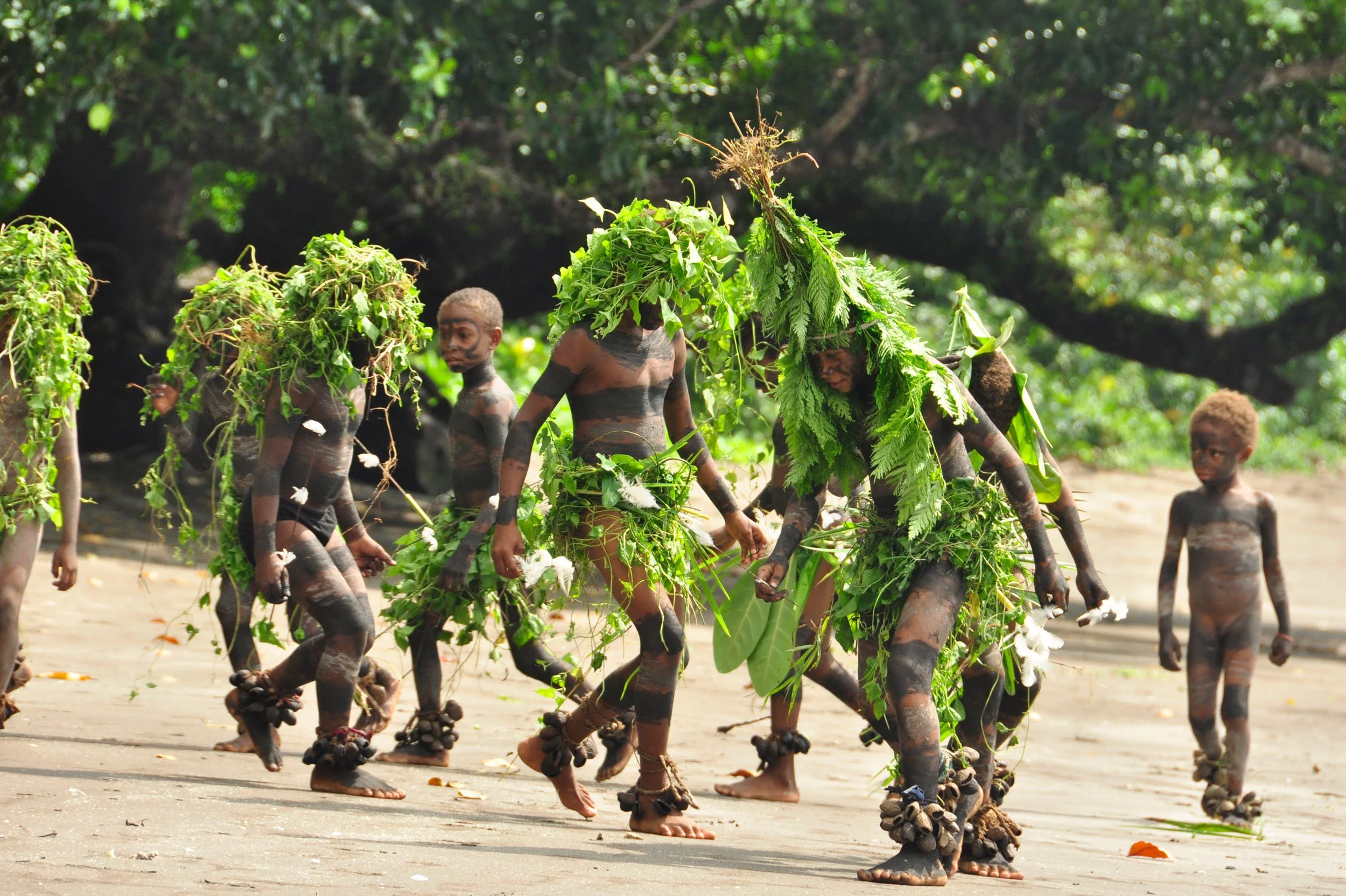
Ureparepare Banks Islands Vanuatu
Asmat has always been at the heart of my collecting, but it is only one part of a remarkably diverse cultural world.
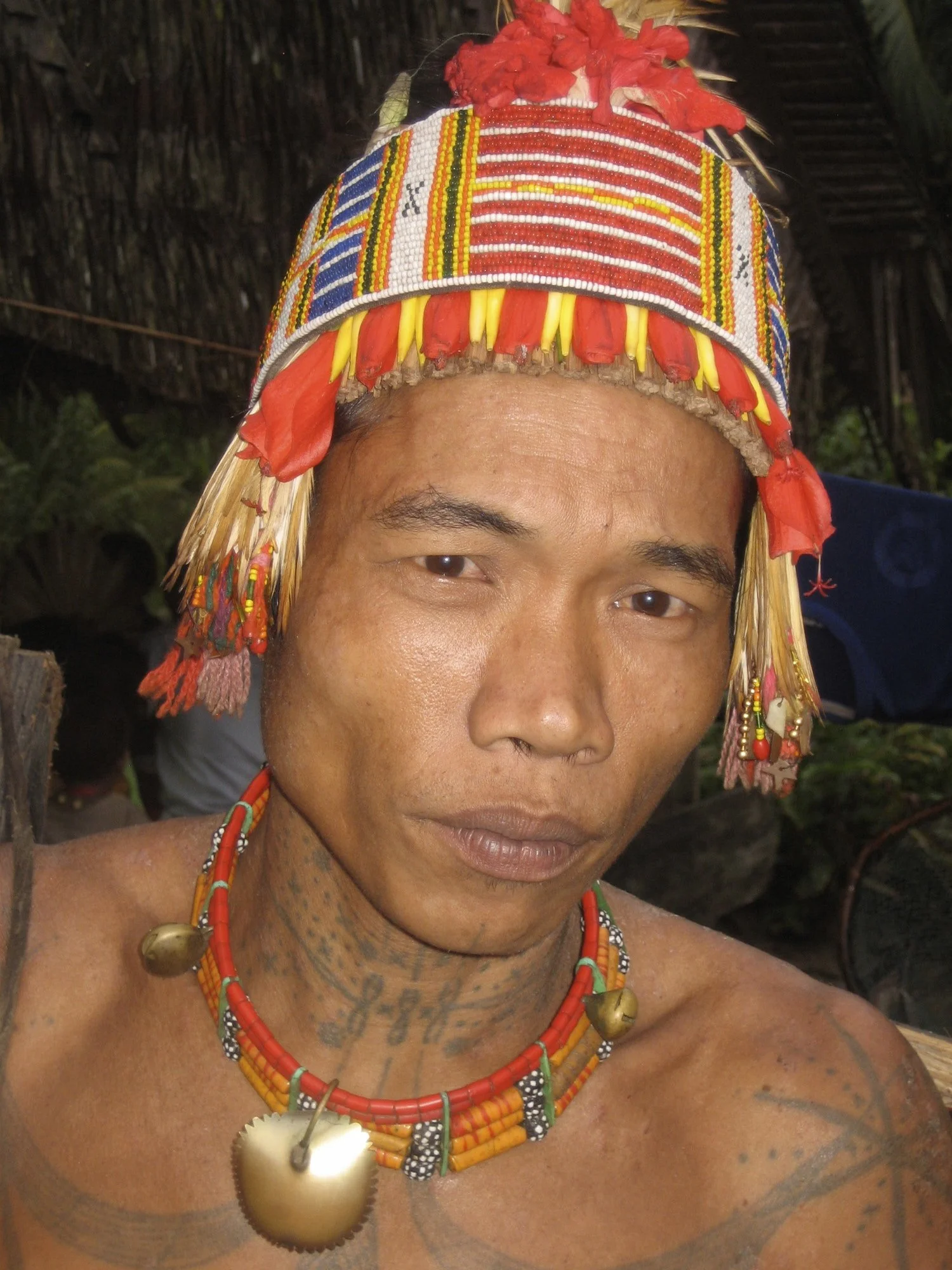
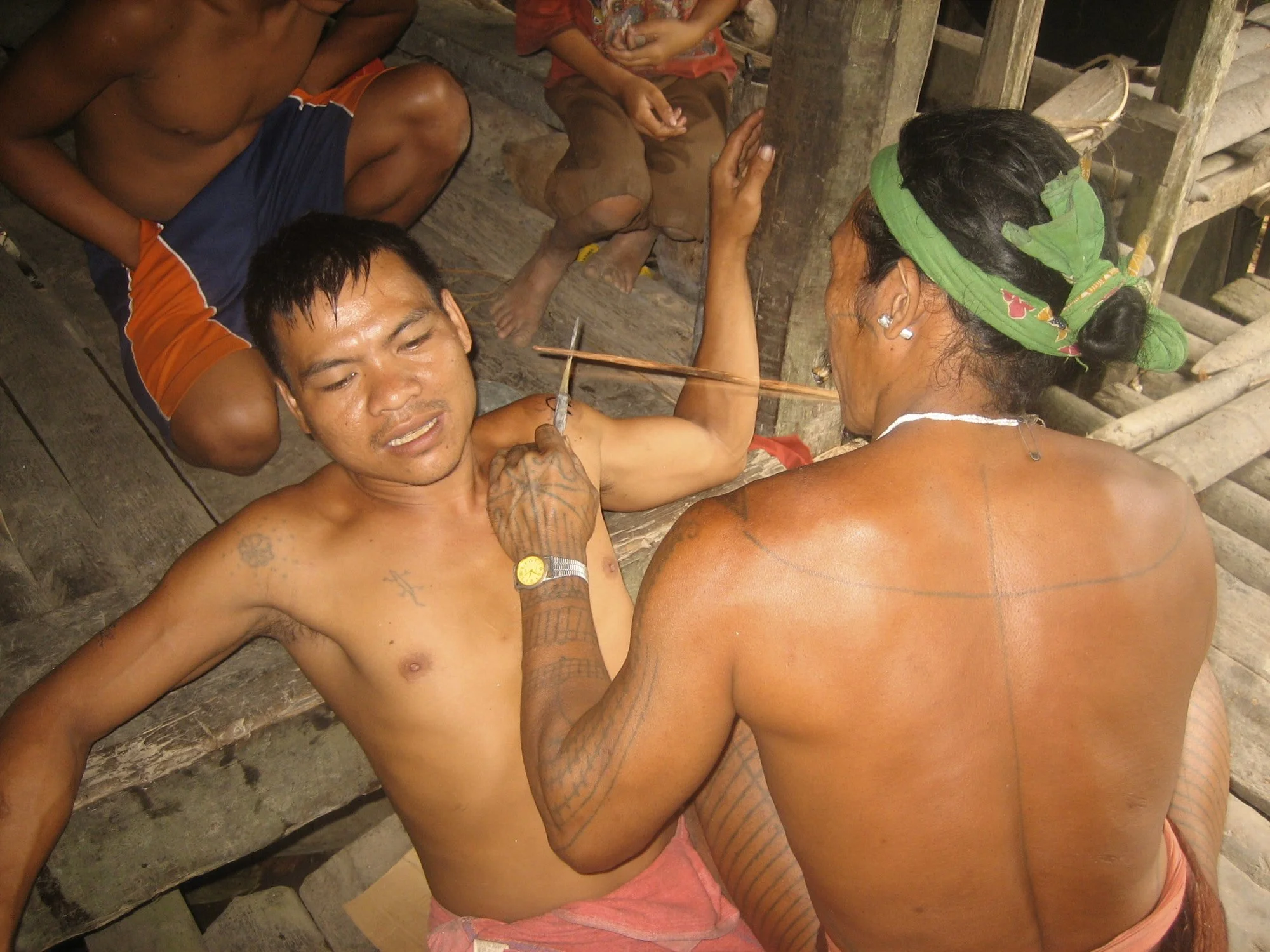
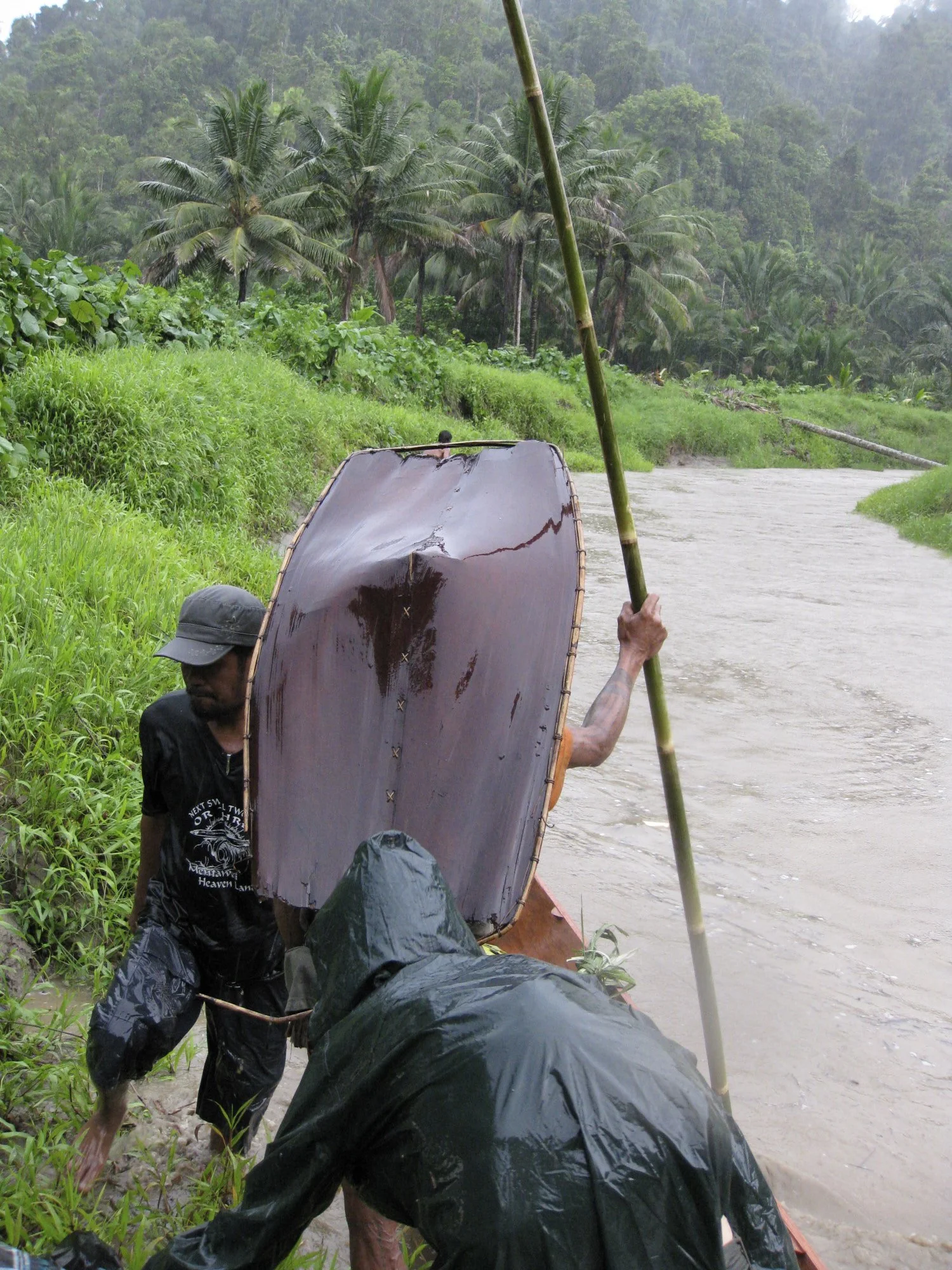
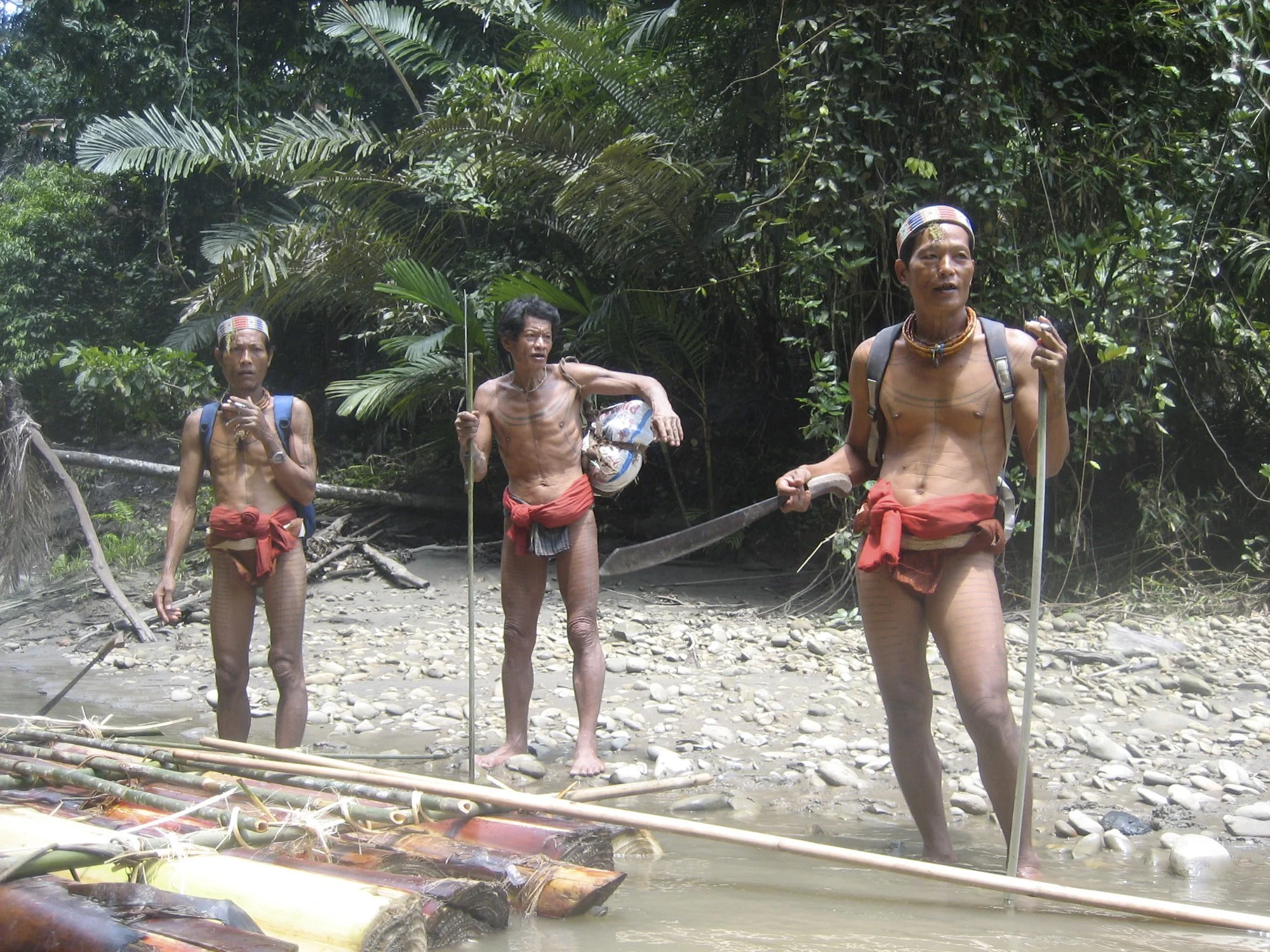
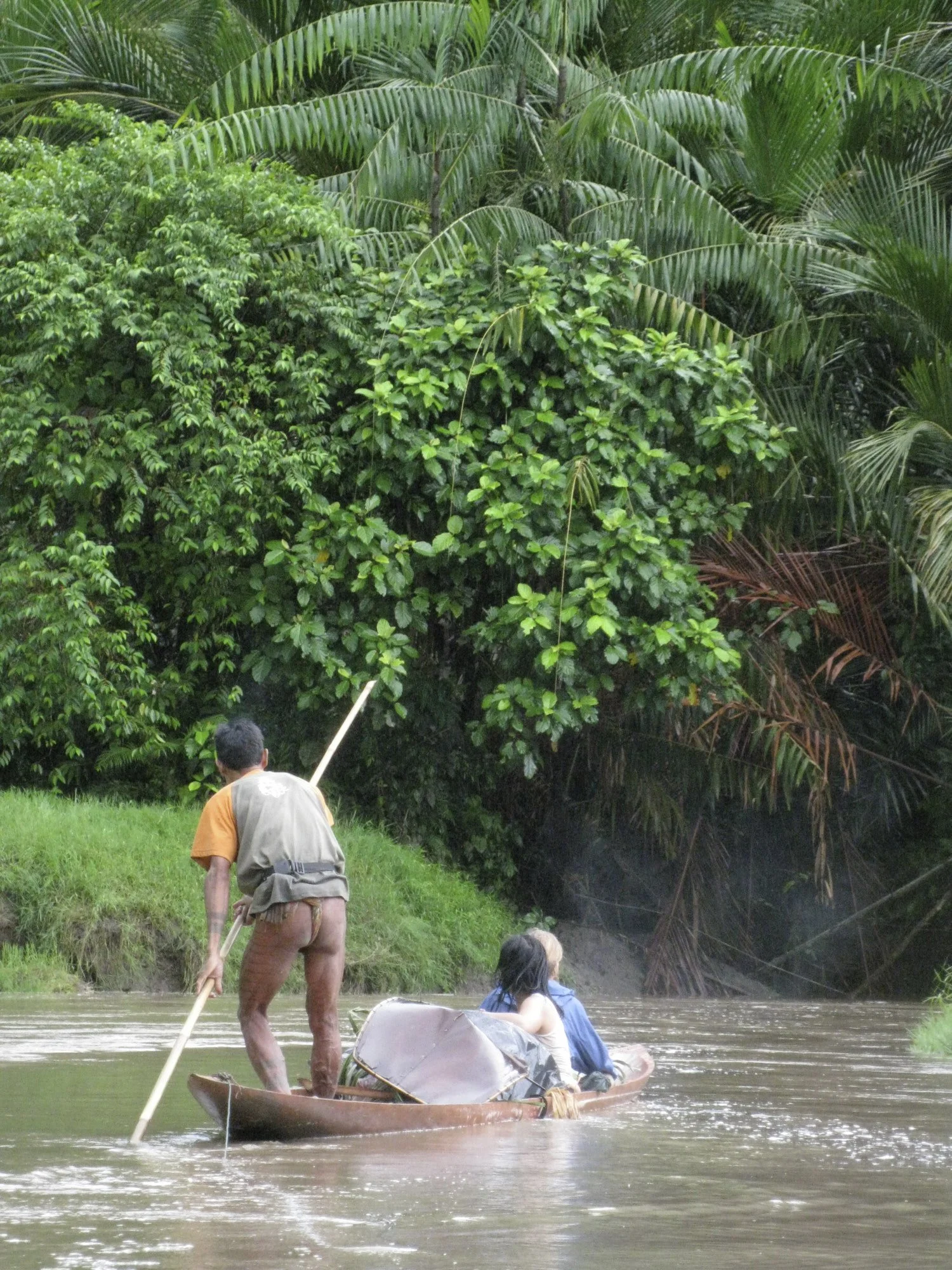
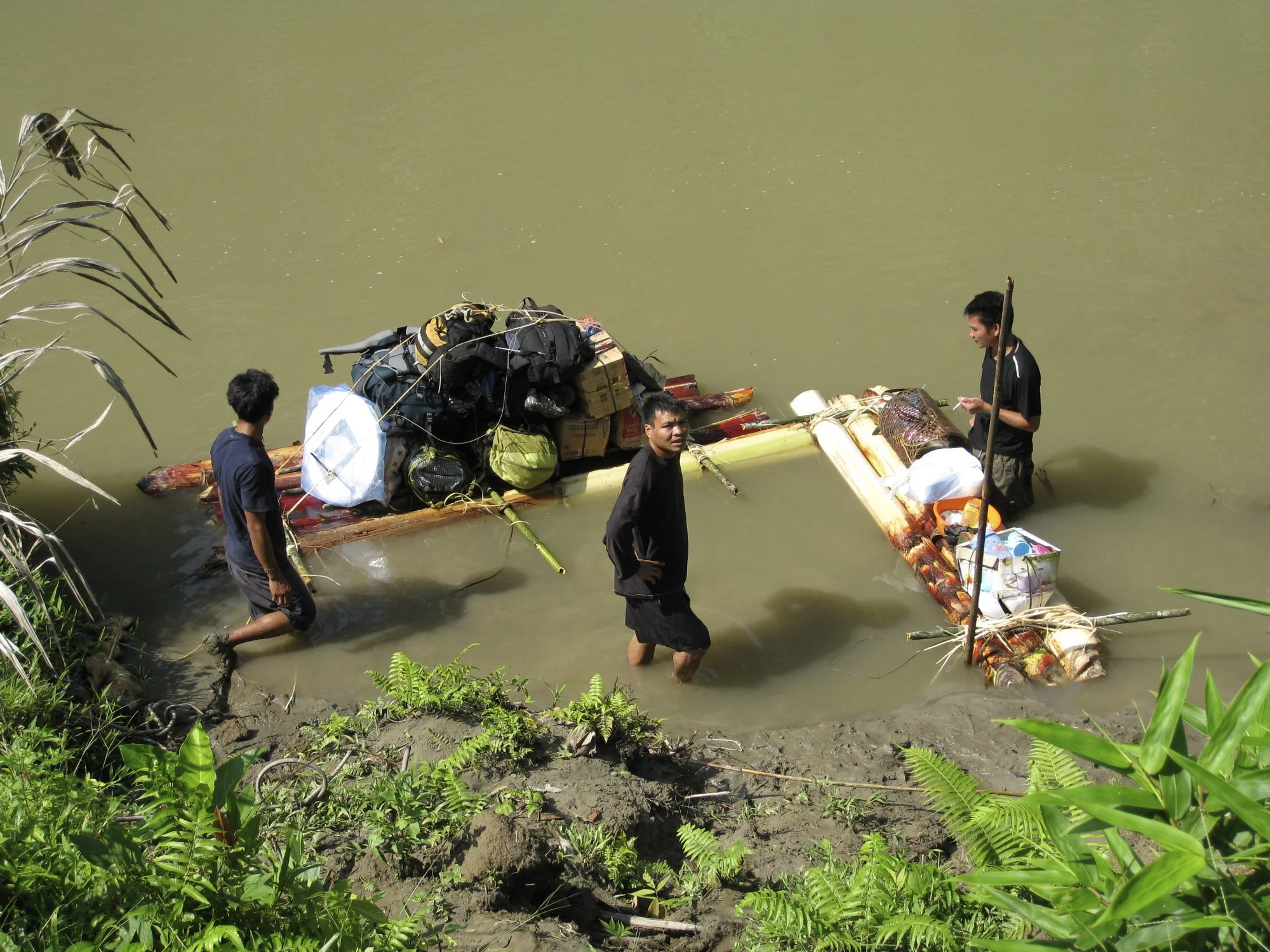
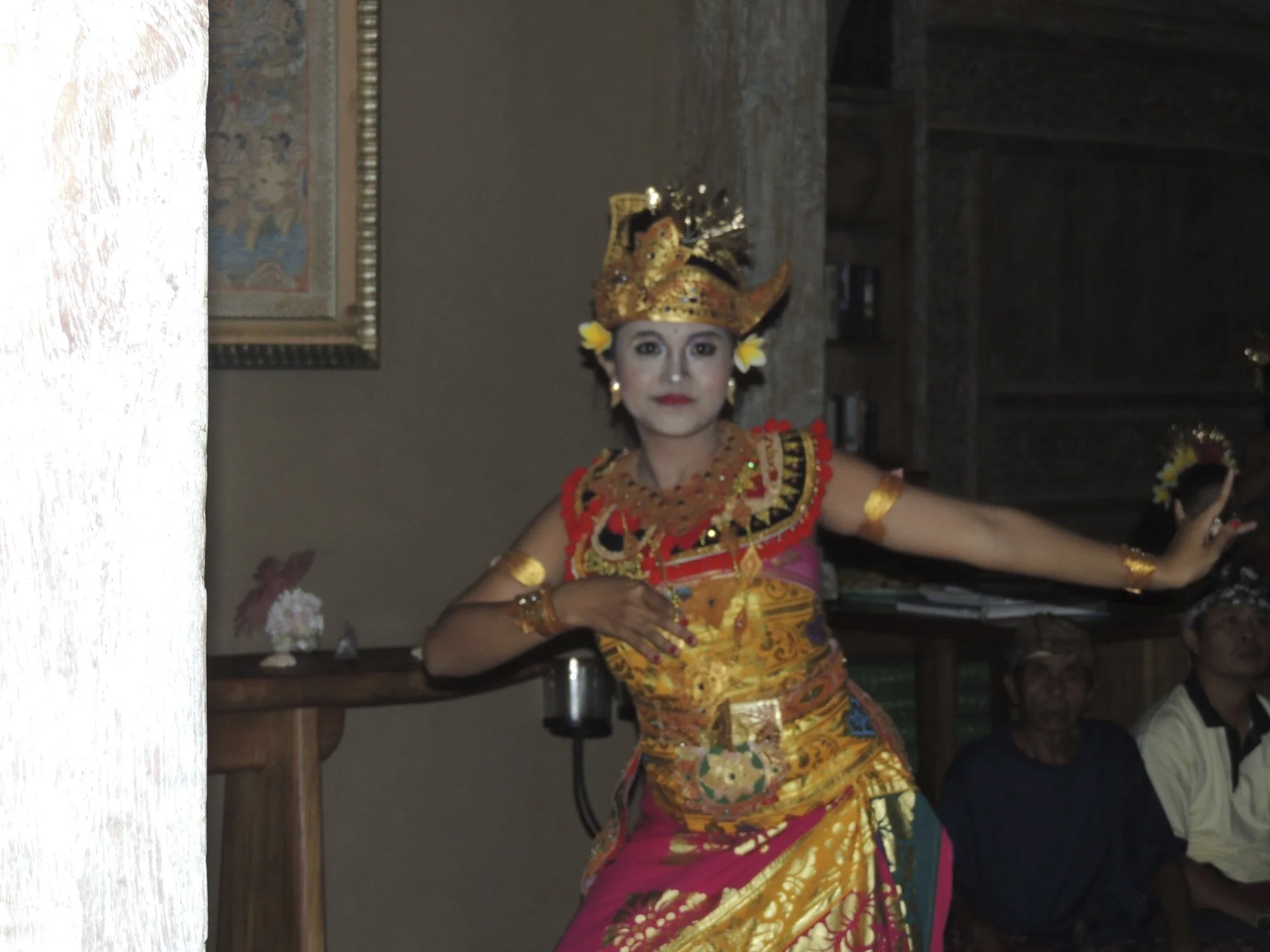
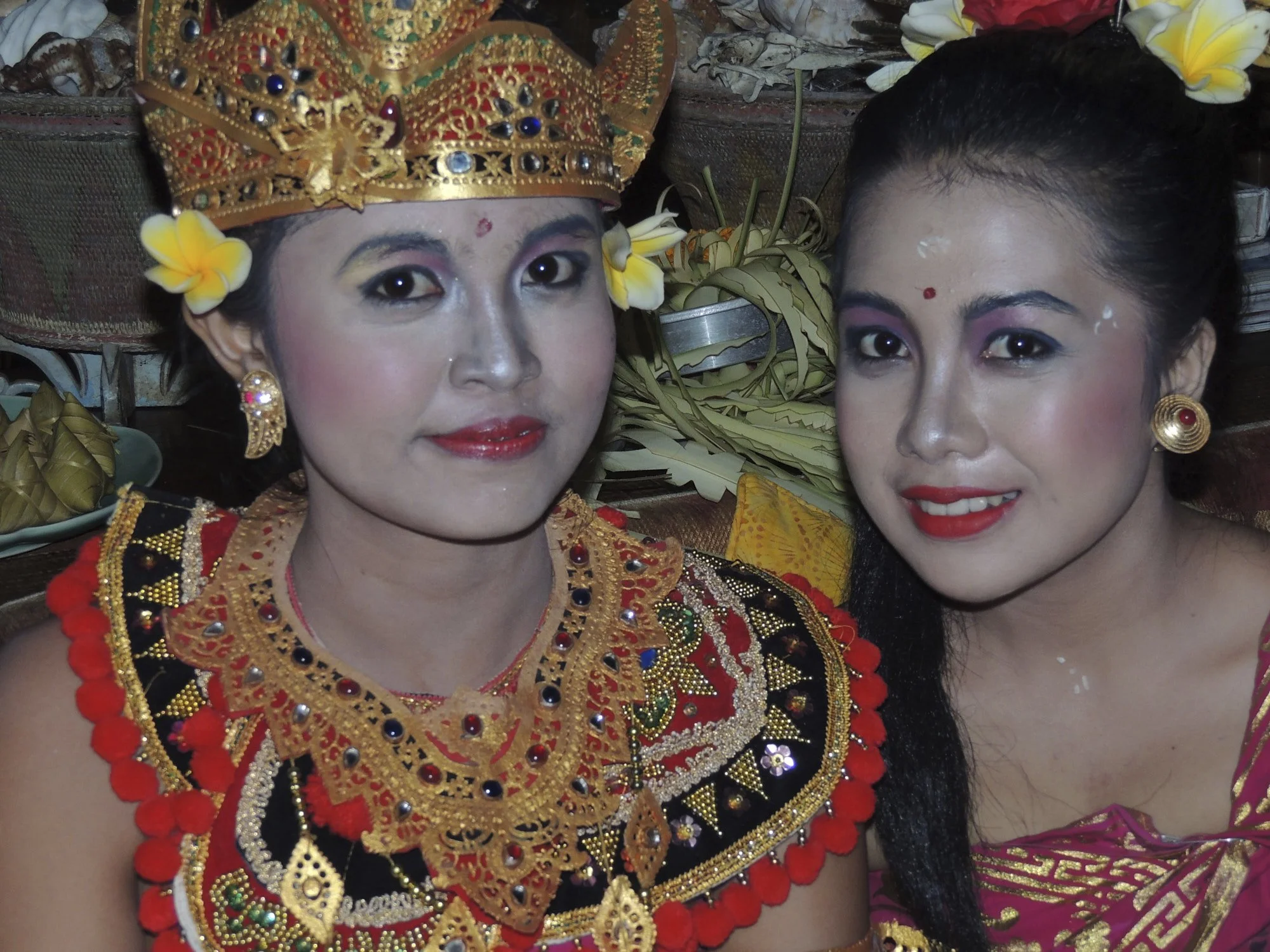
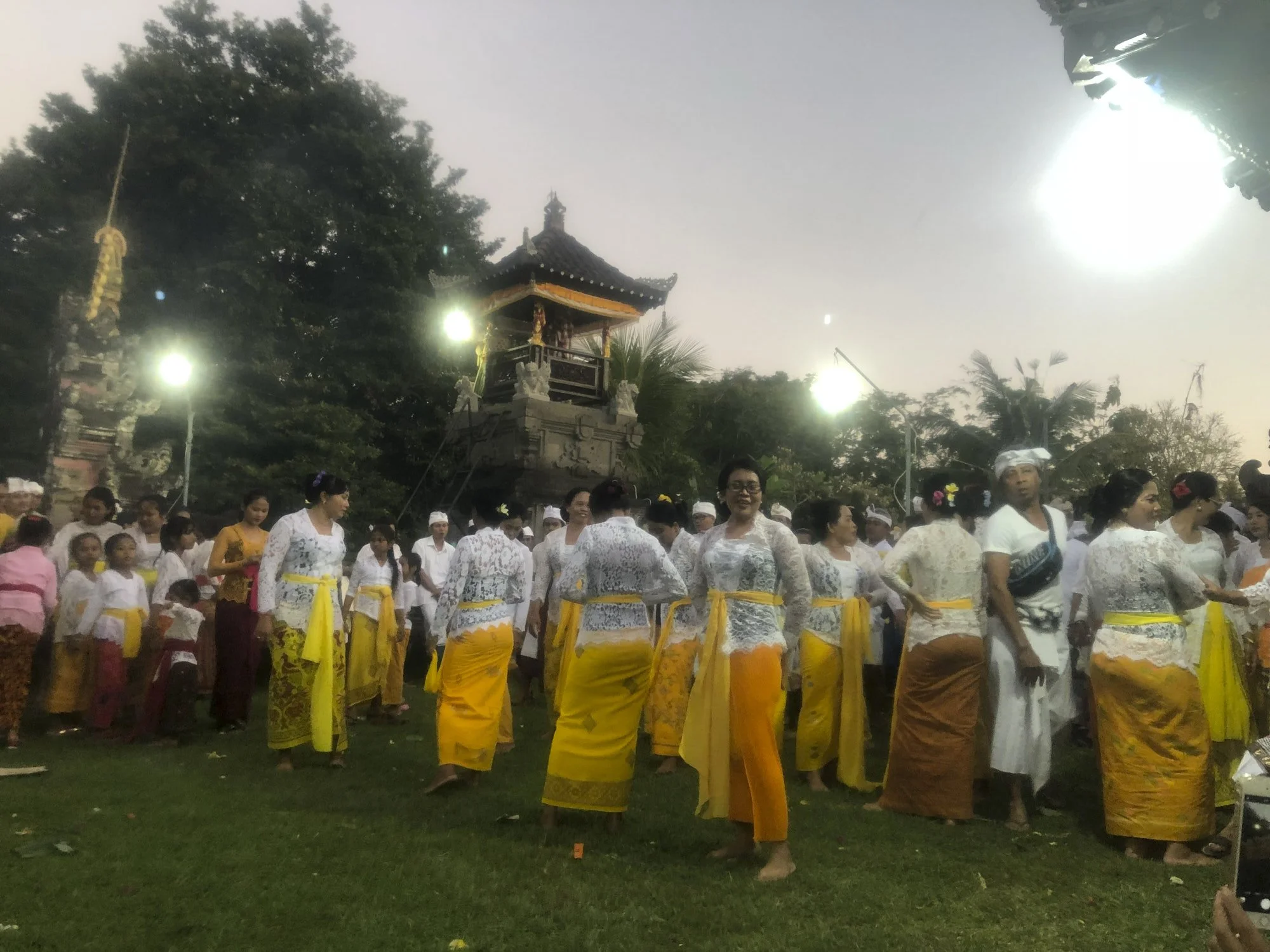
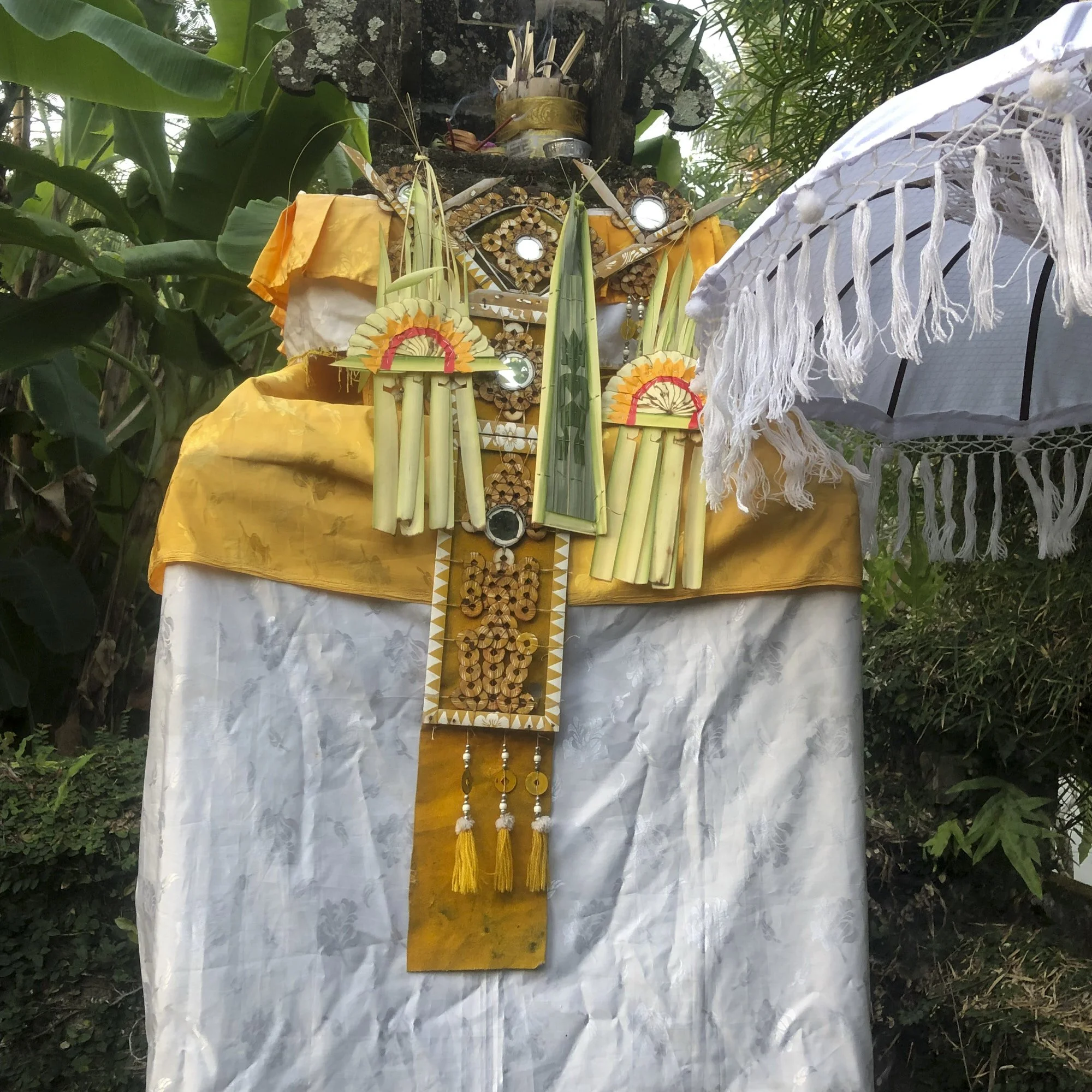
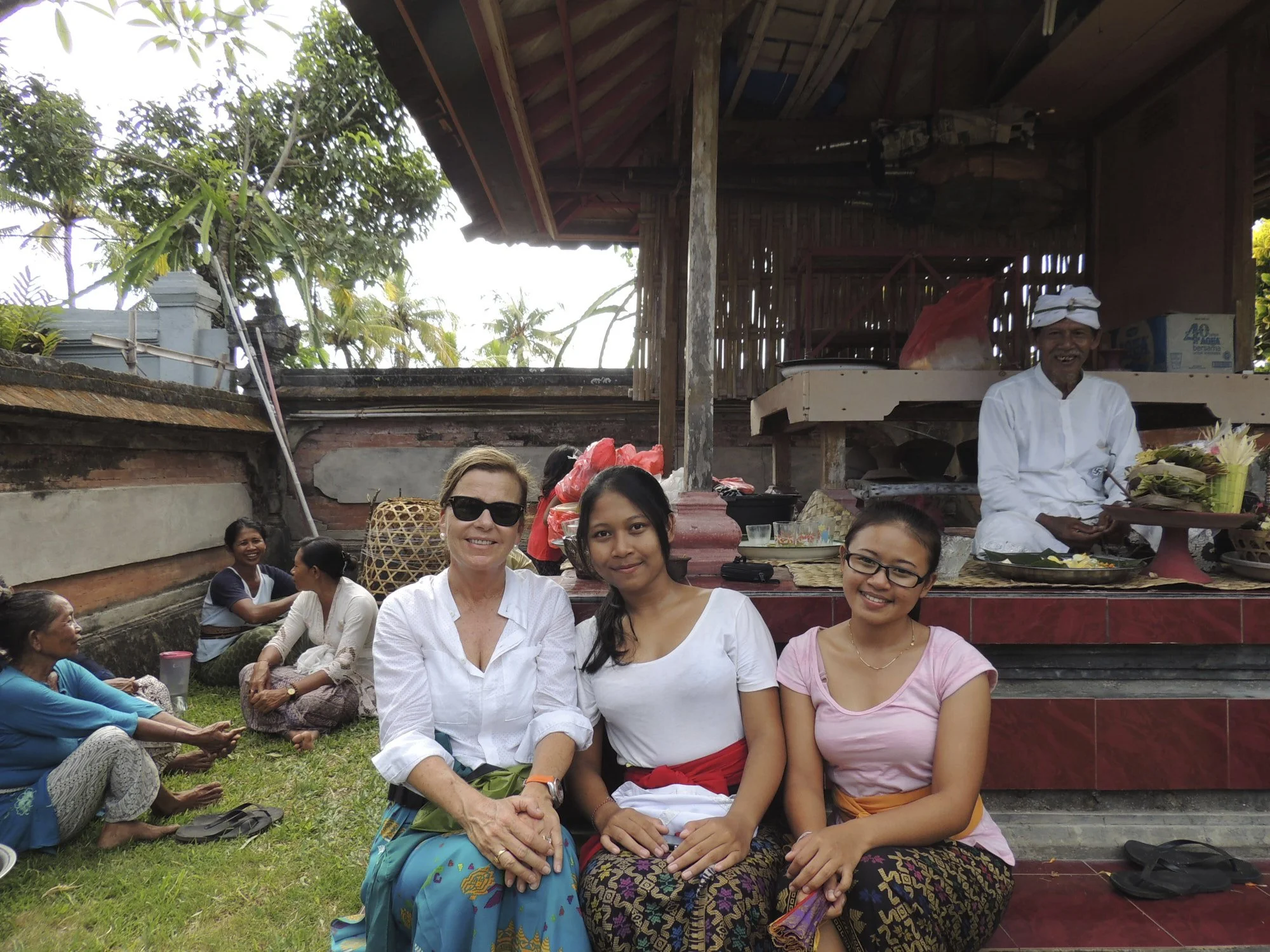
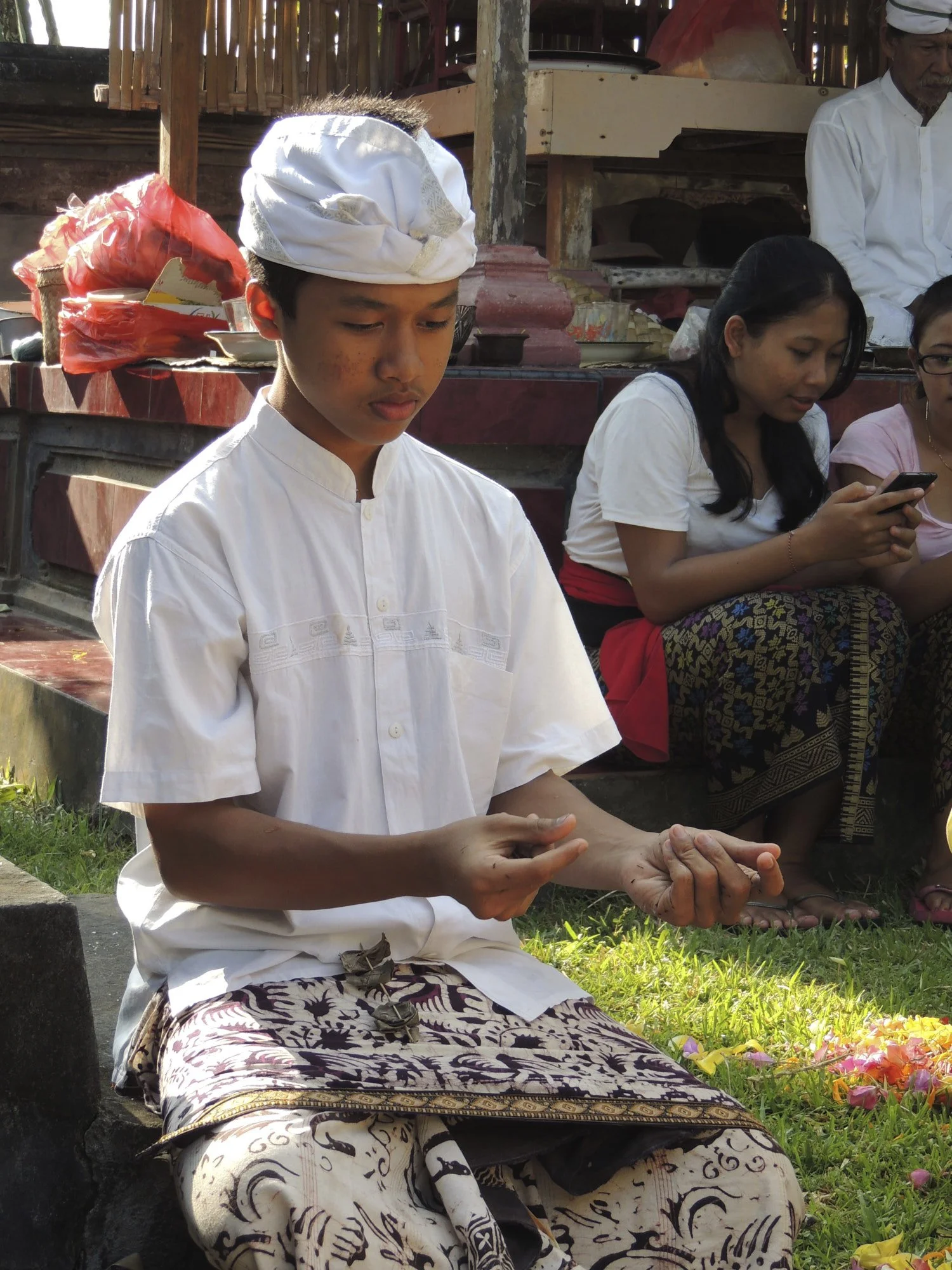
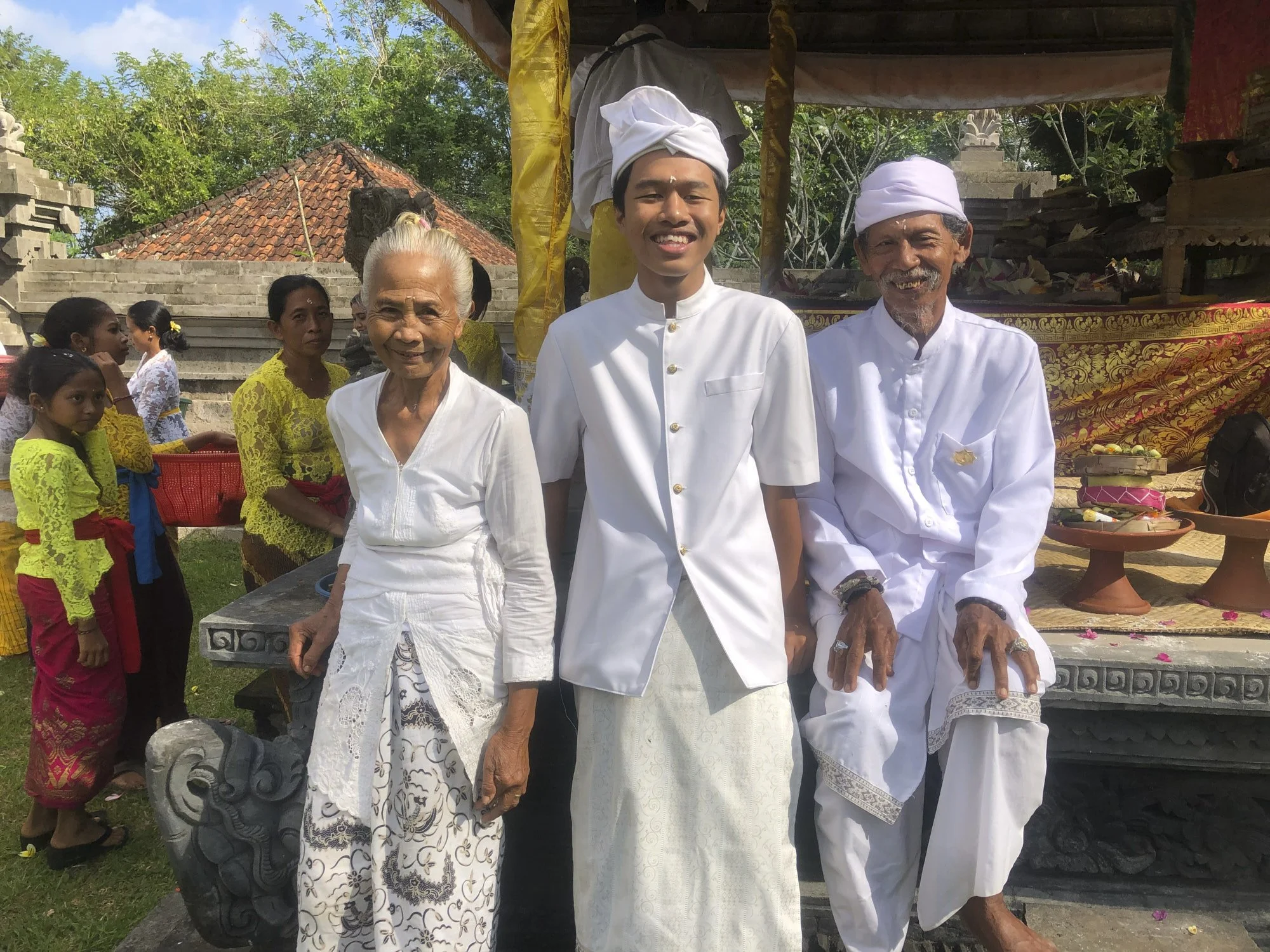
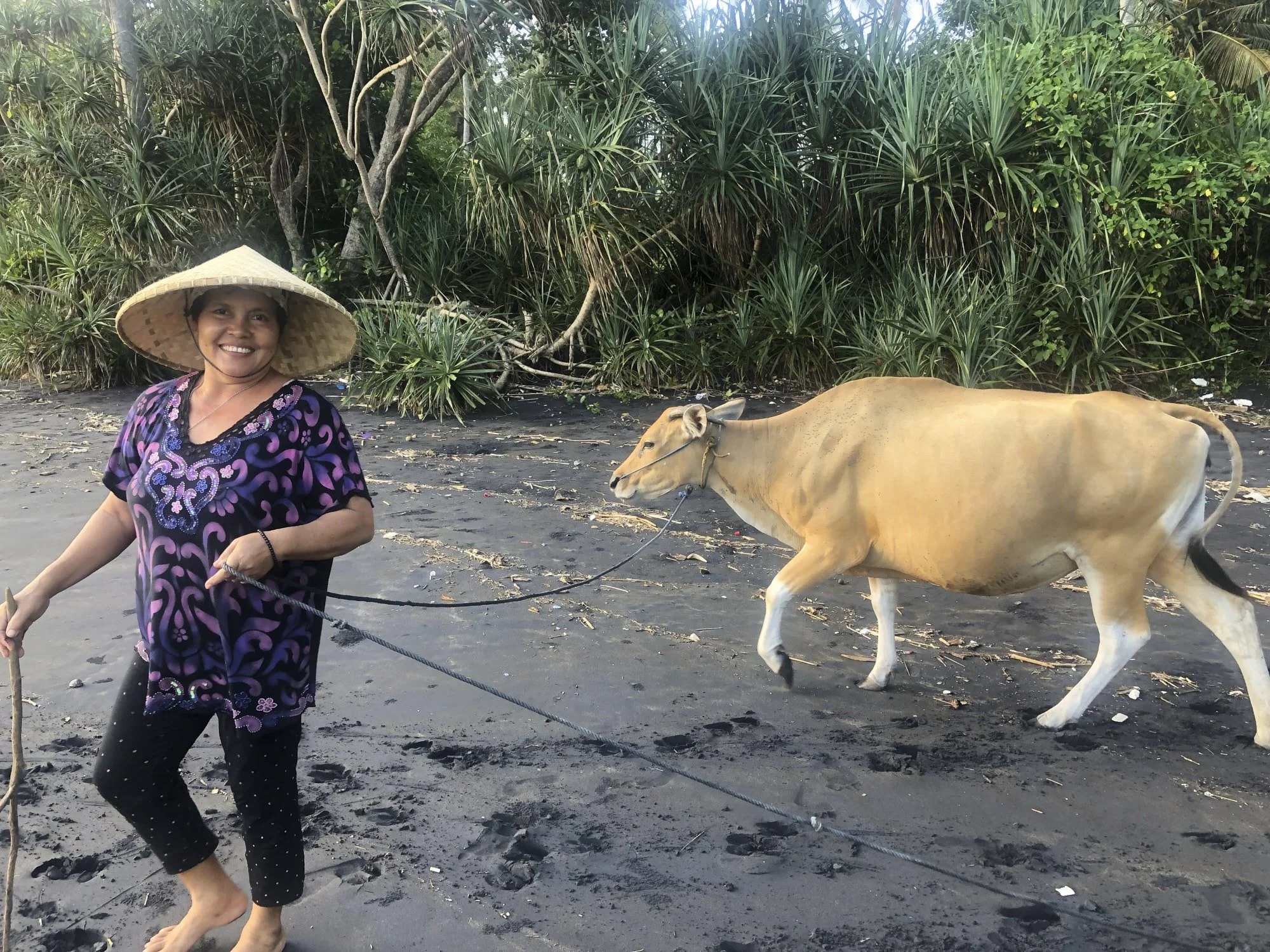
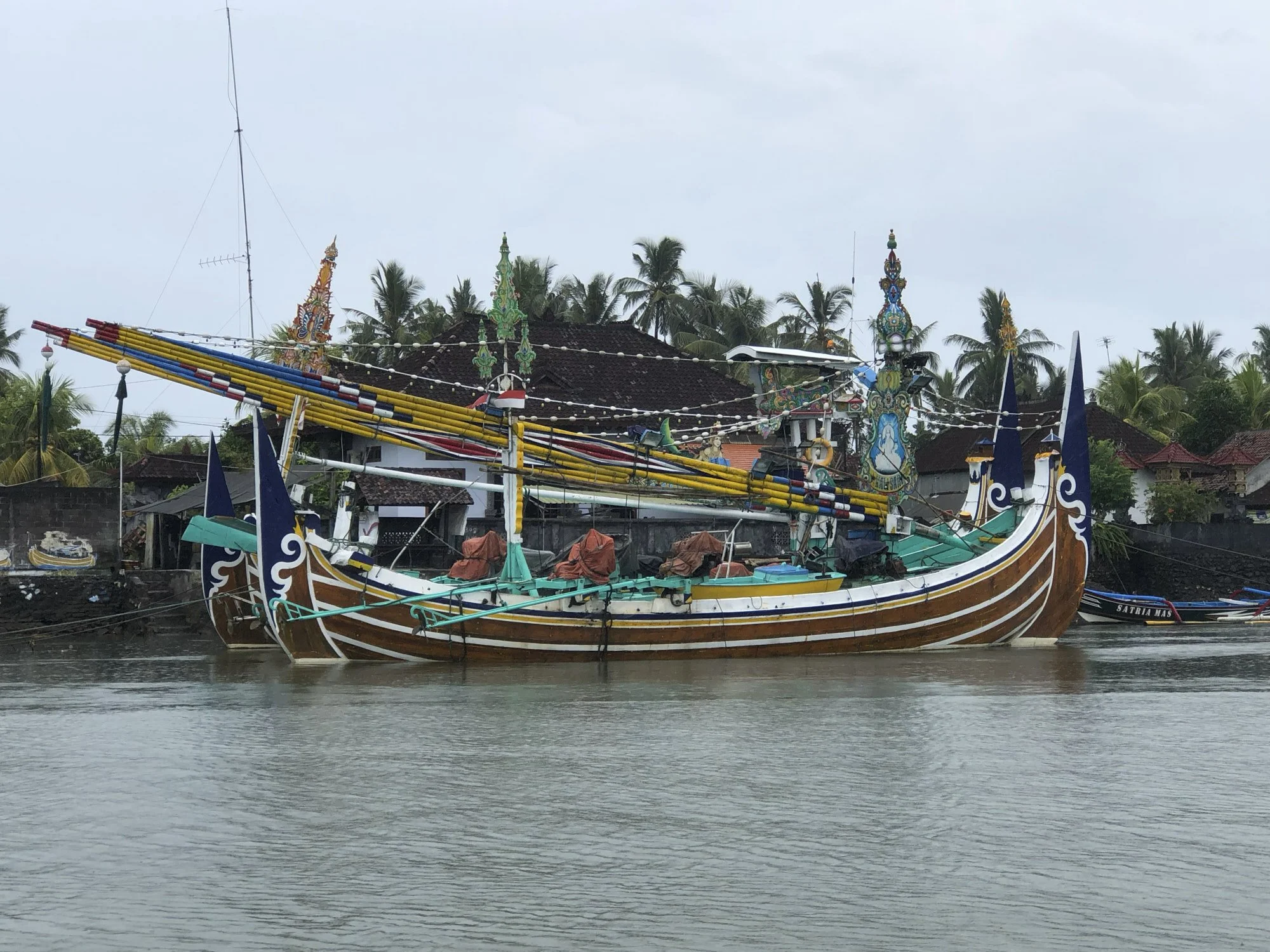
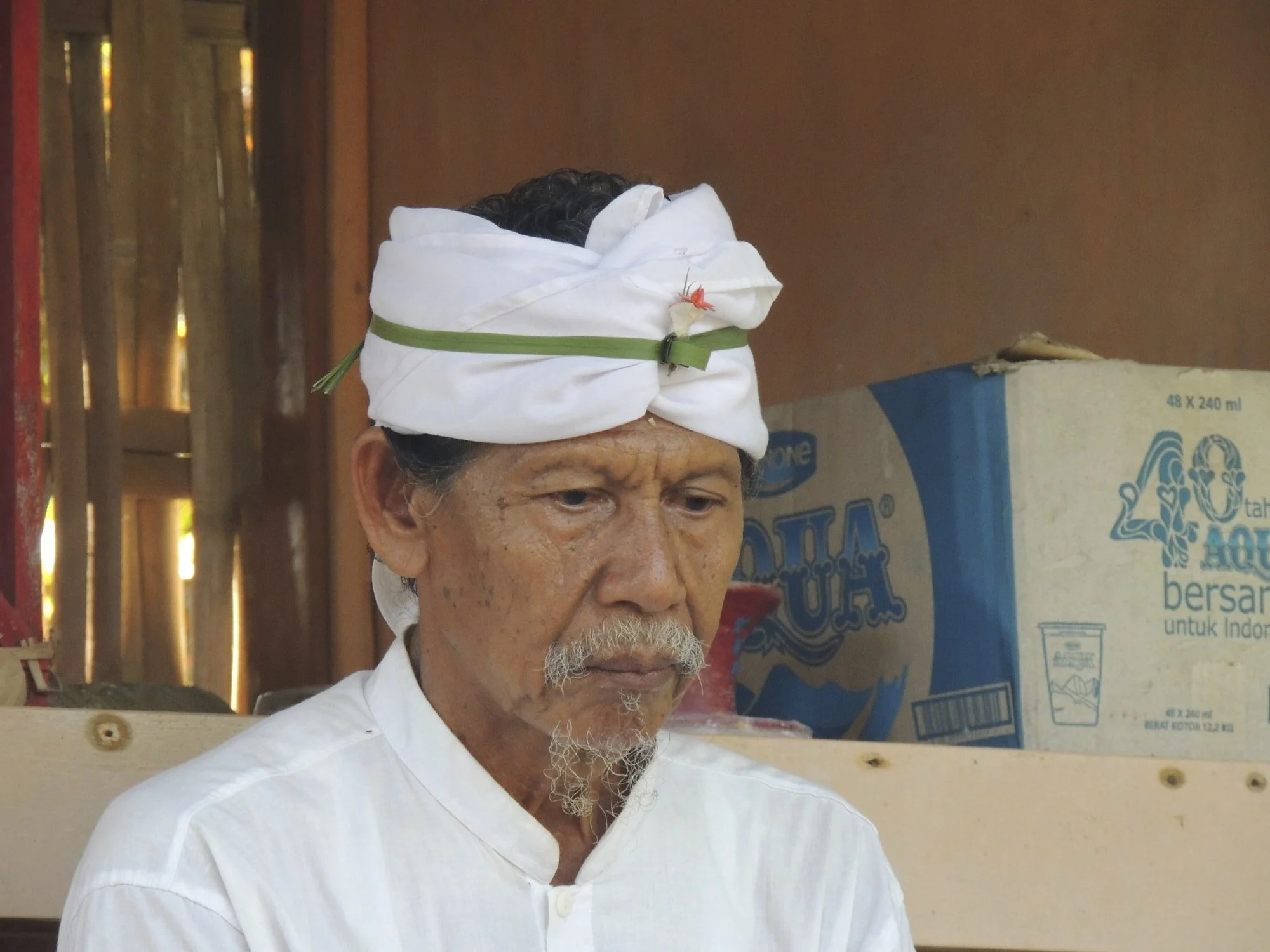
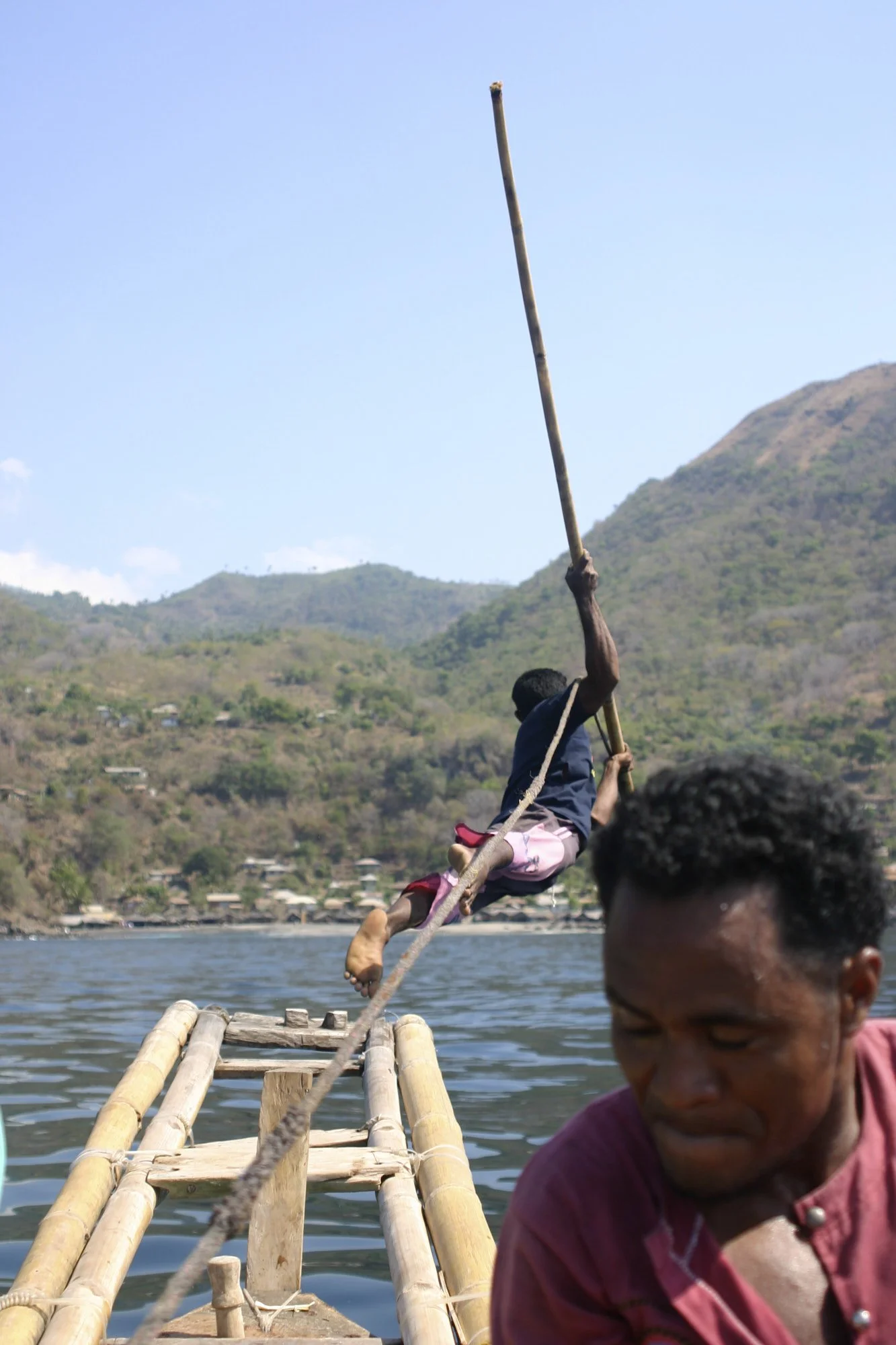
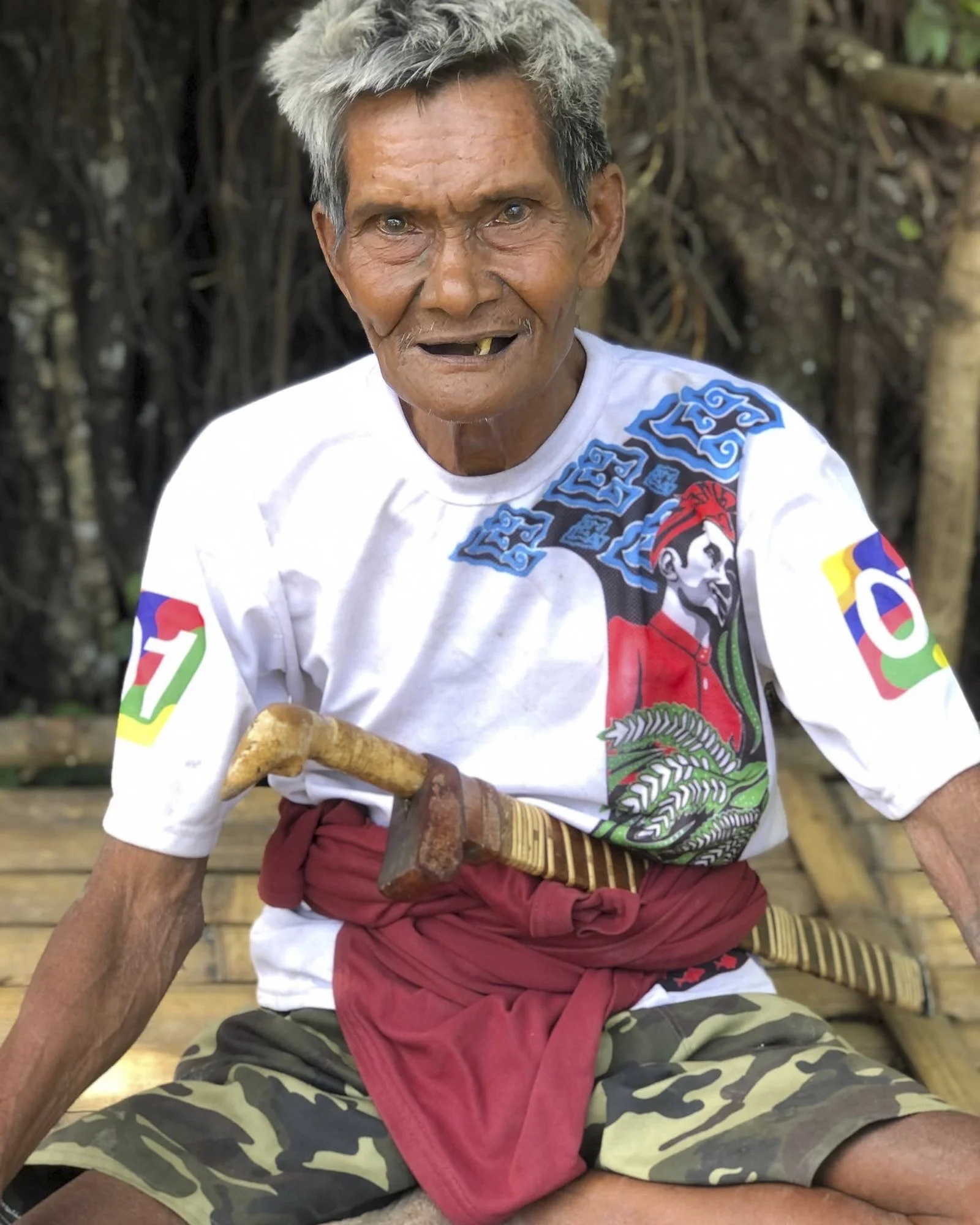
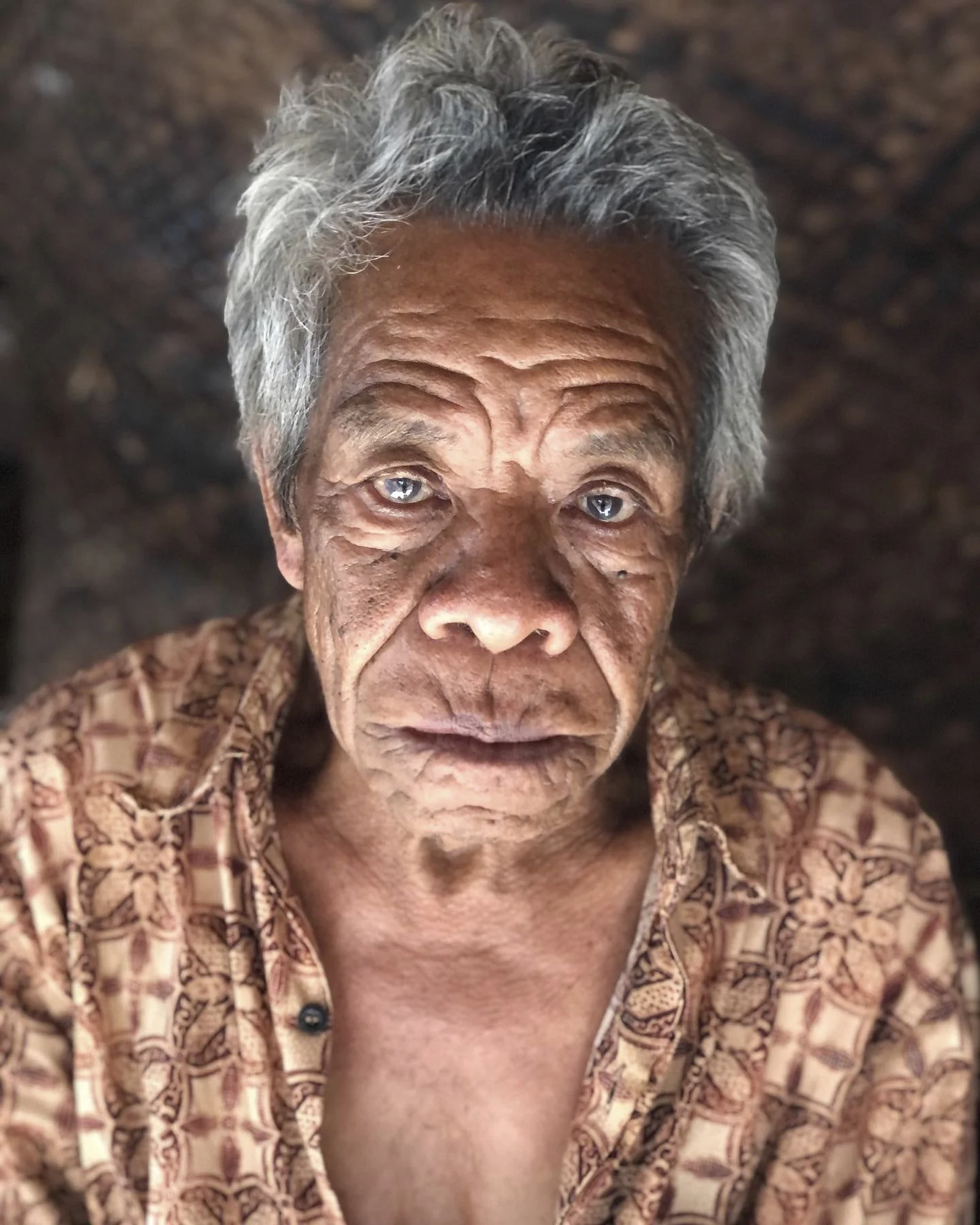
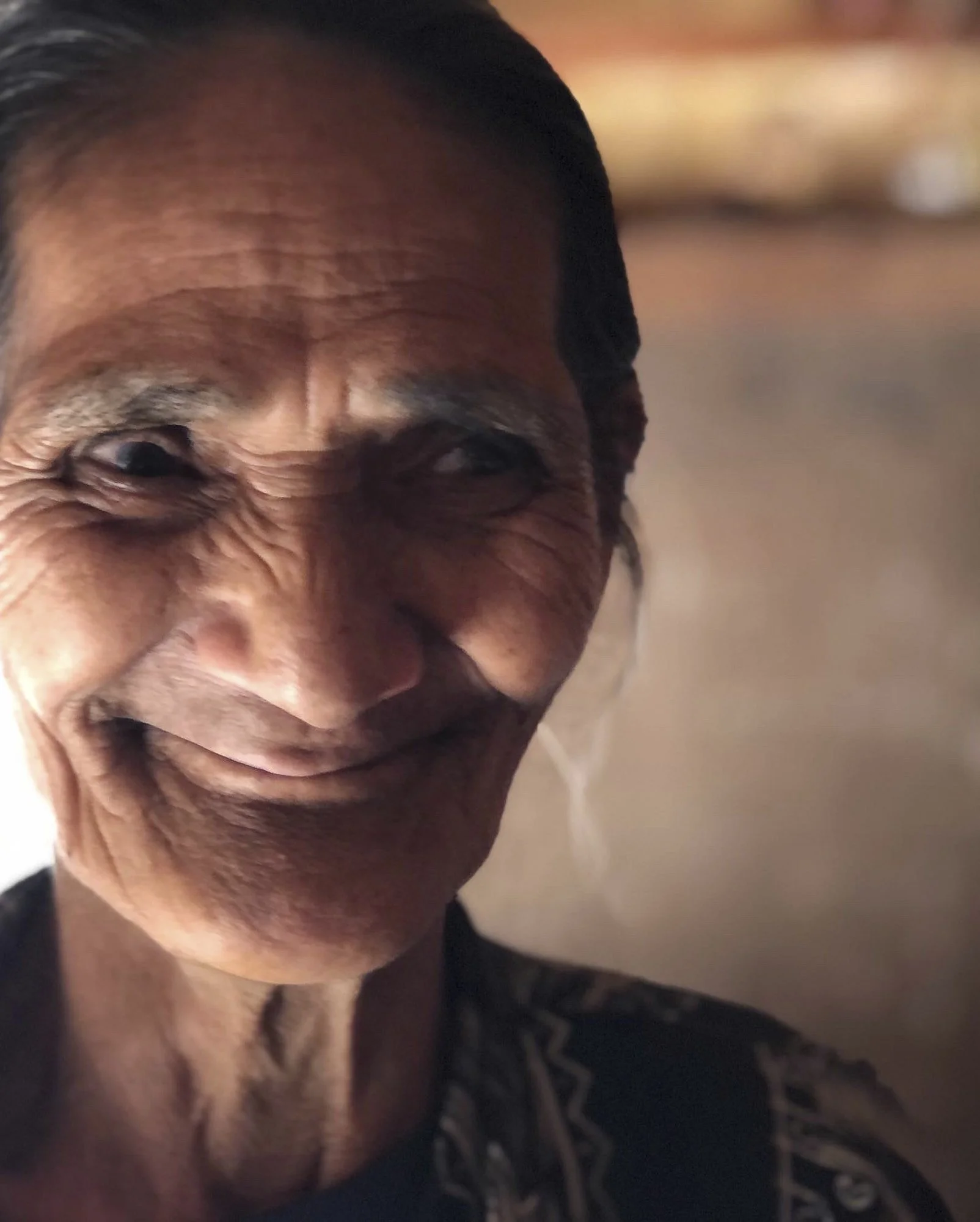
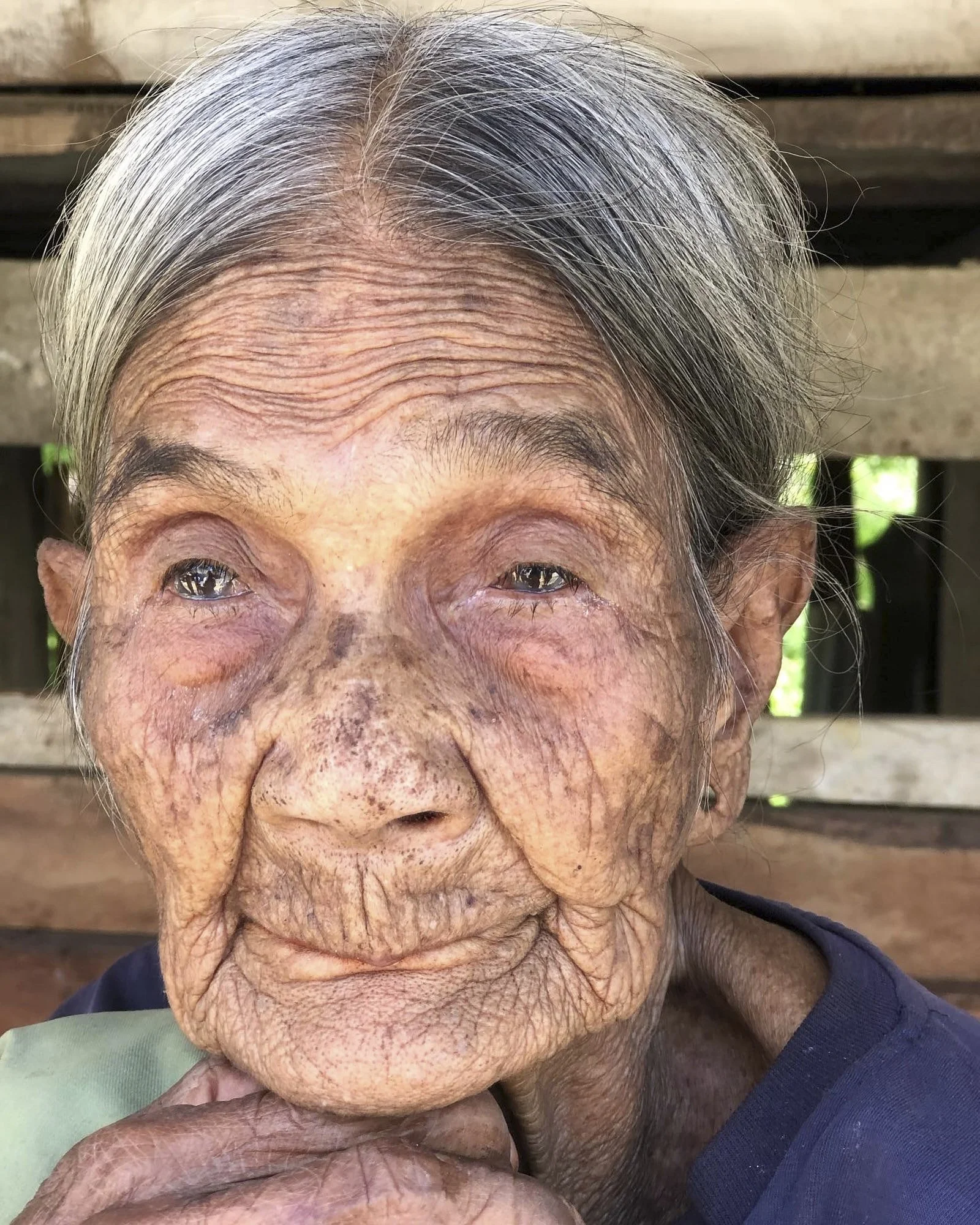
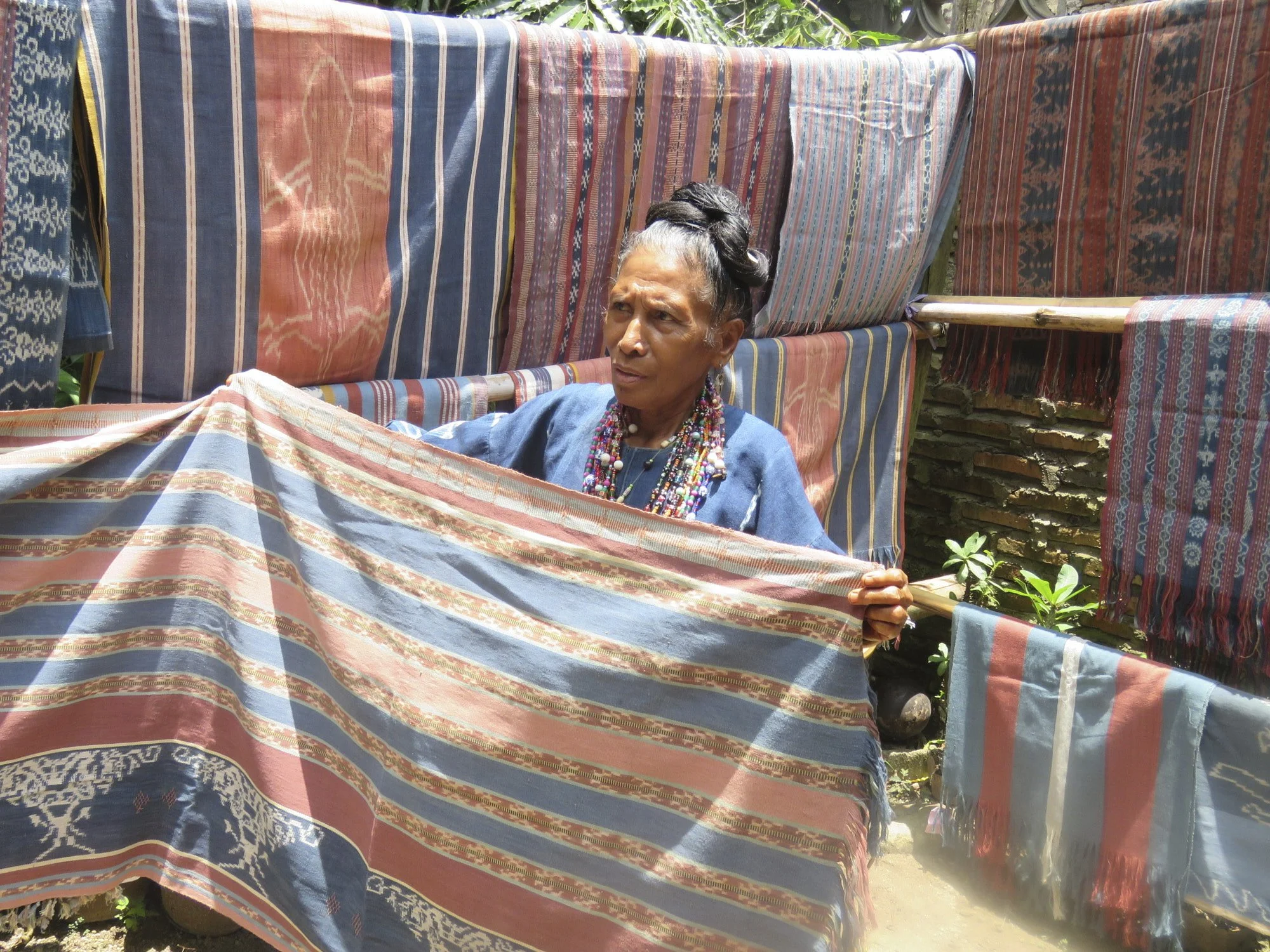
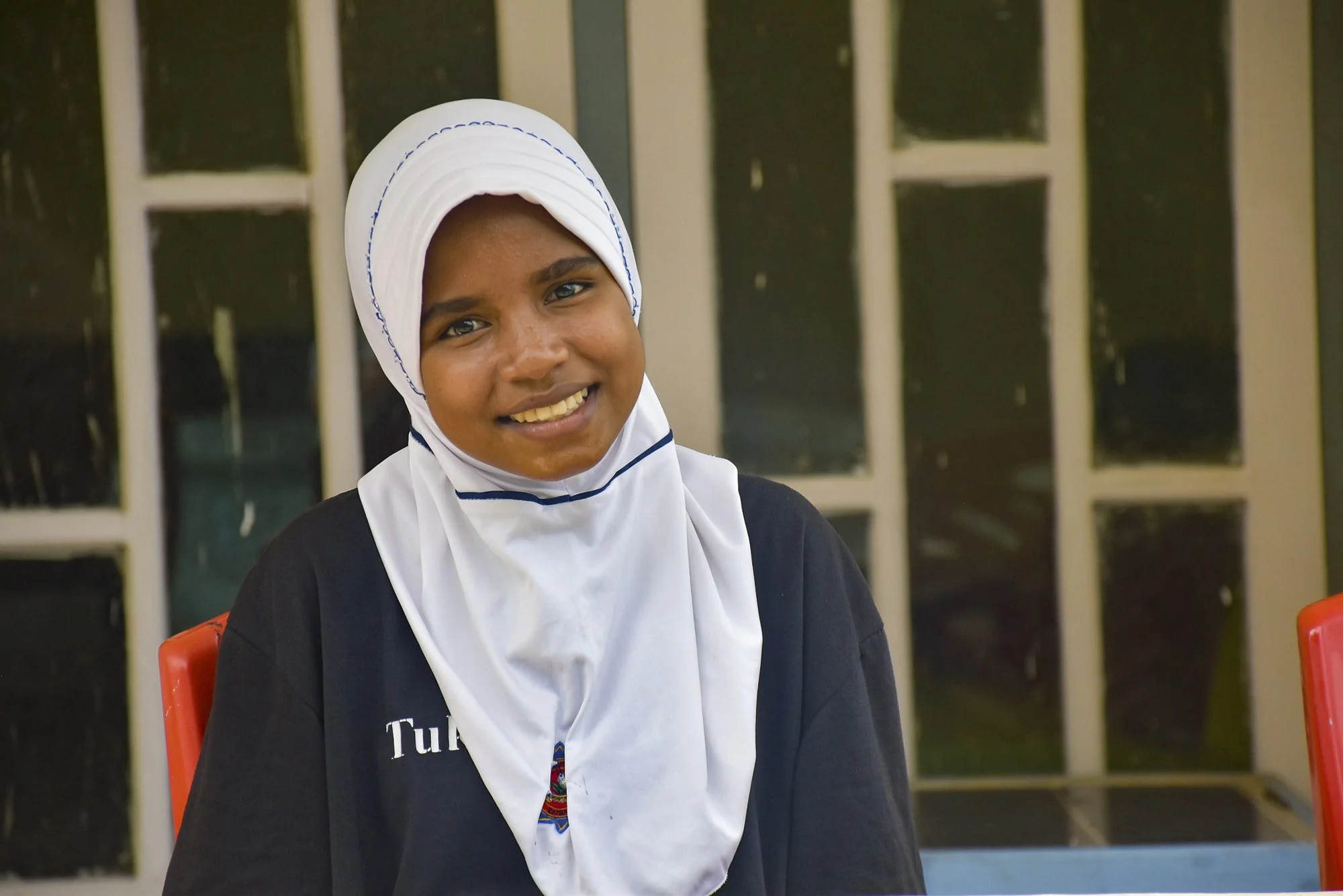
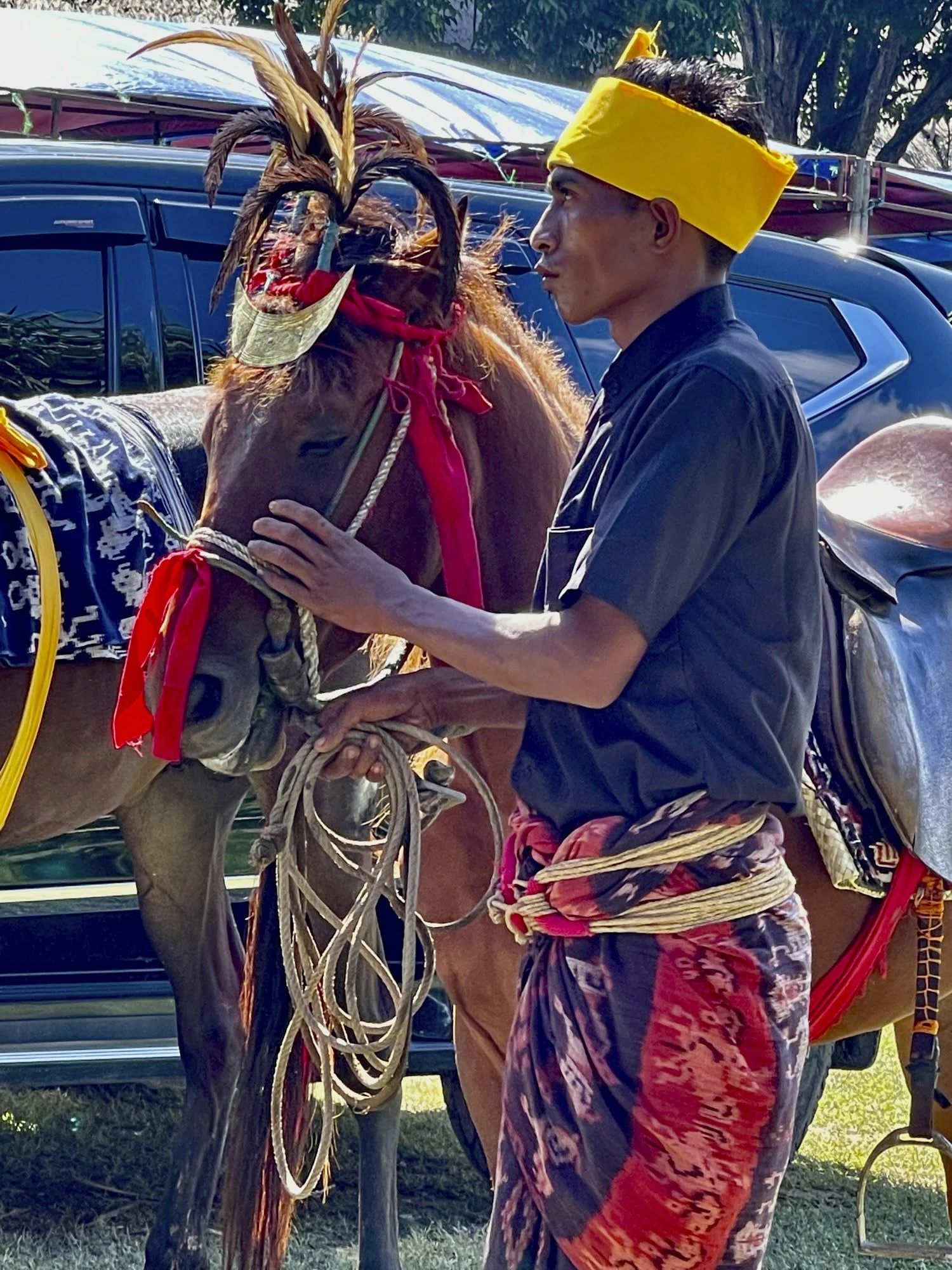
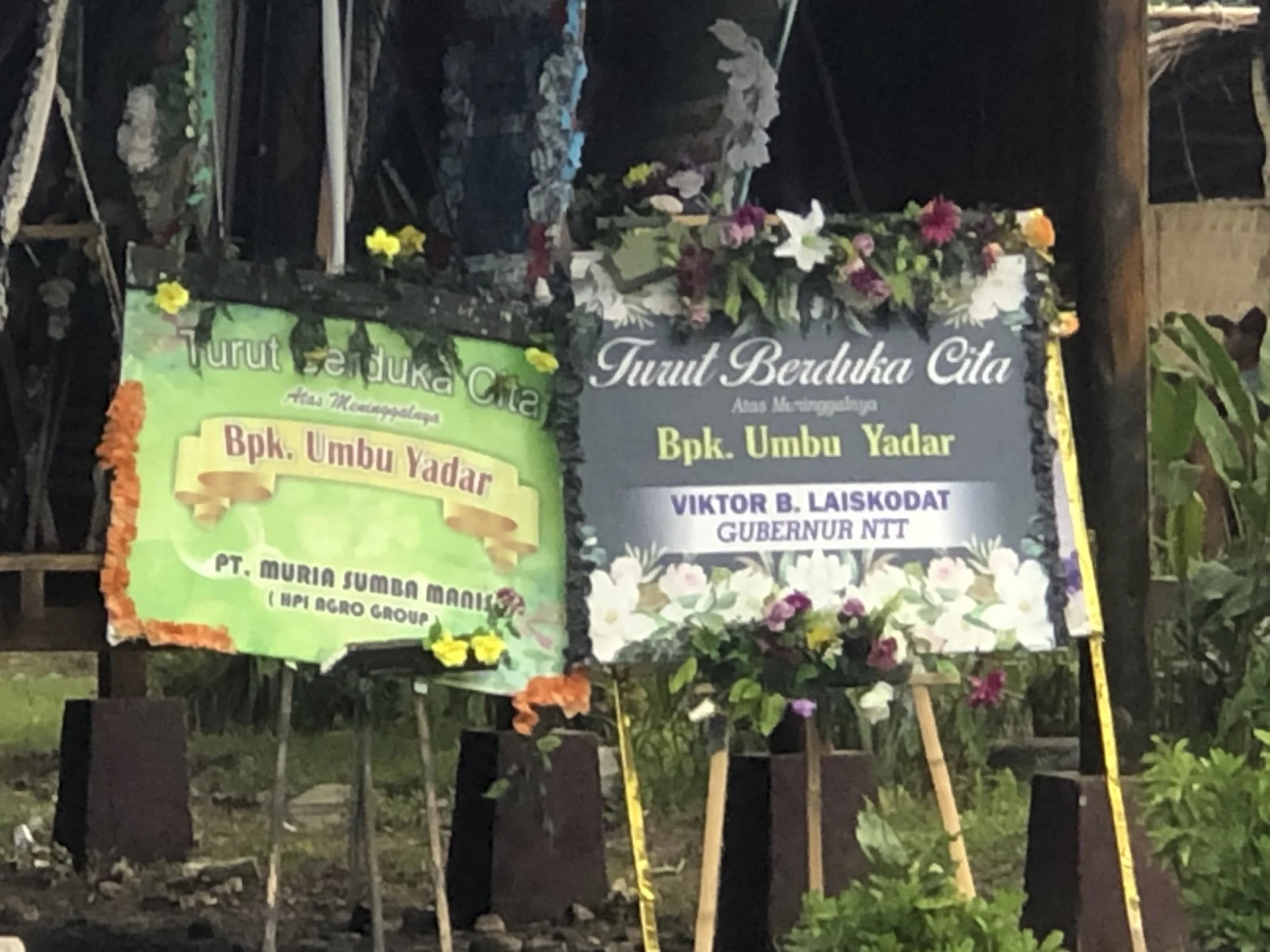
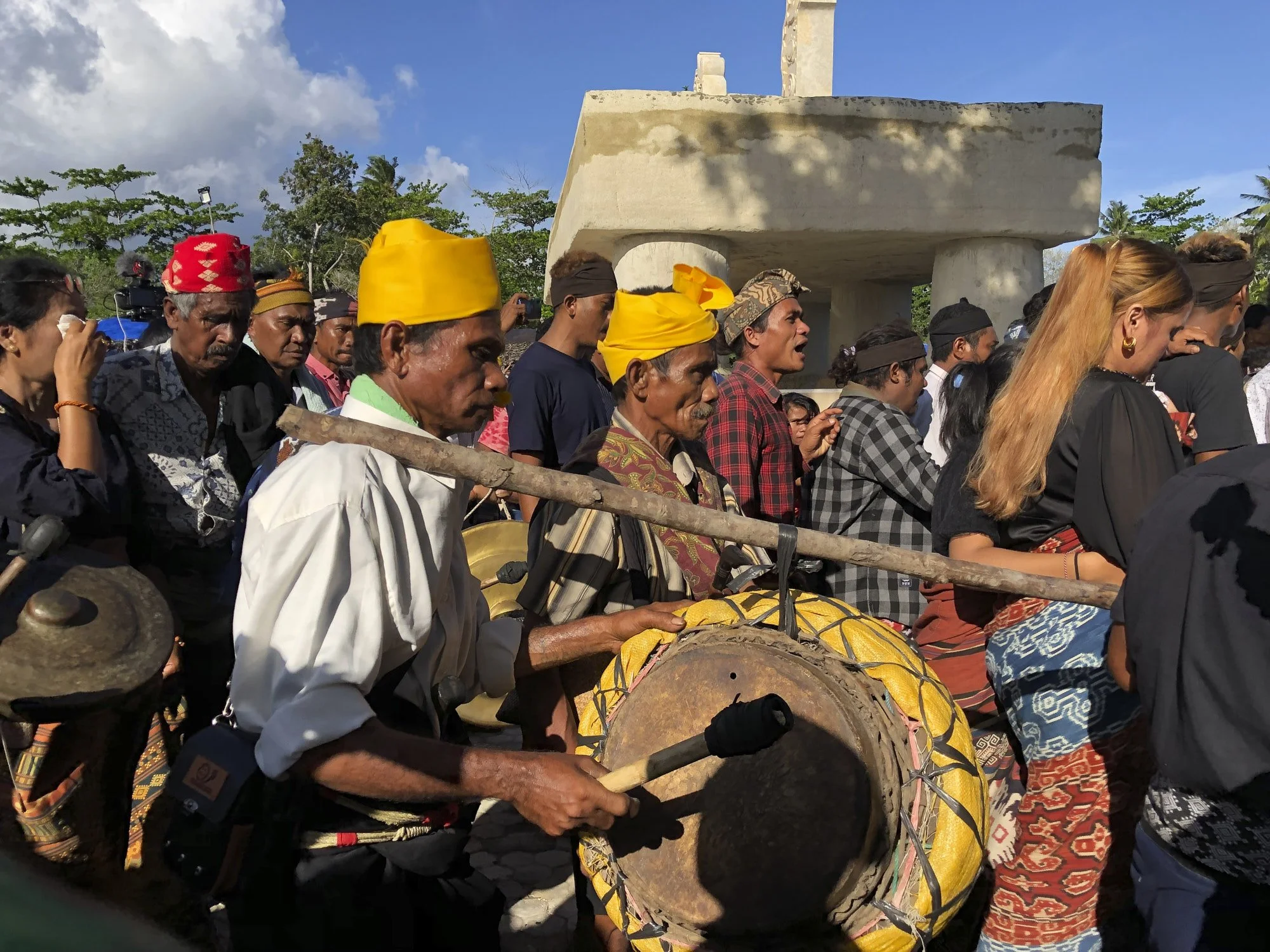
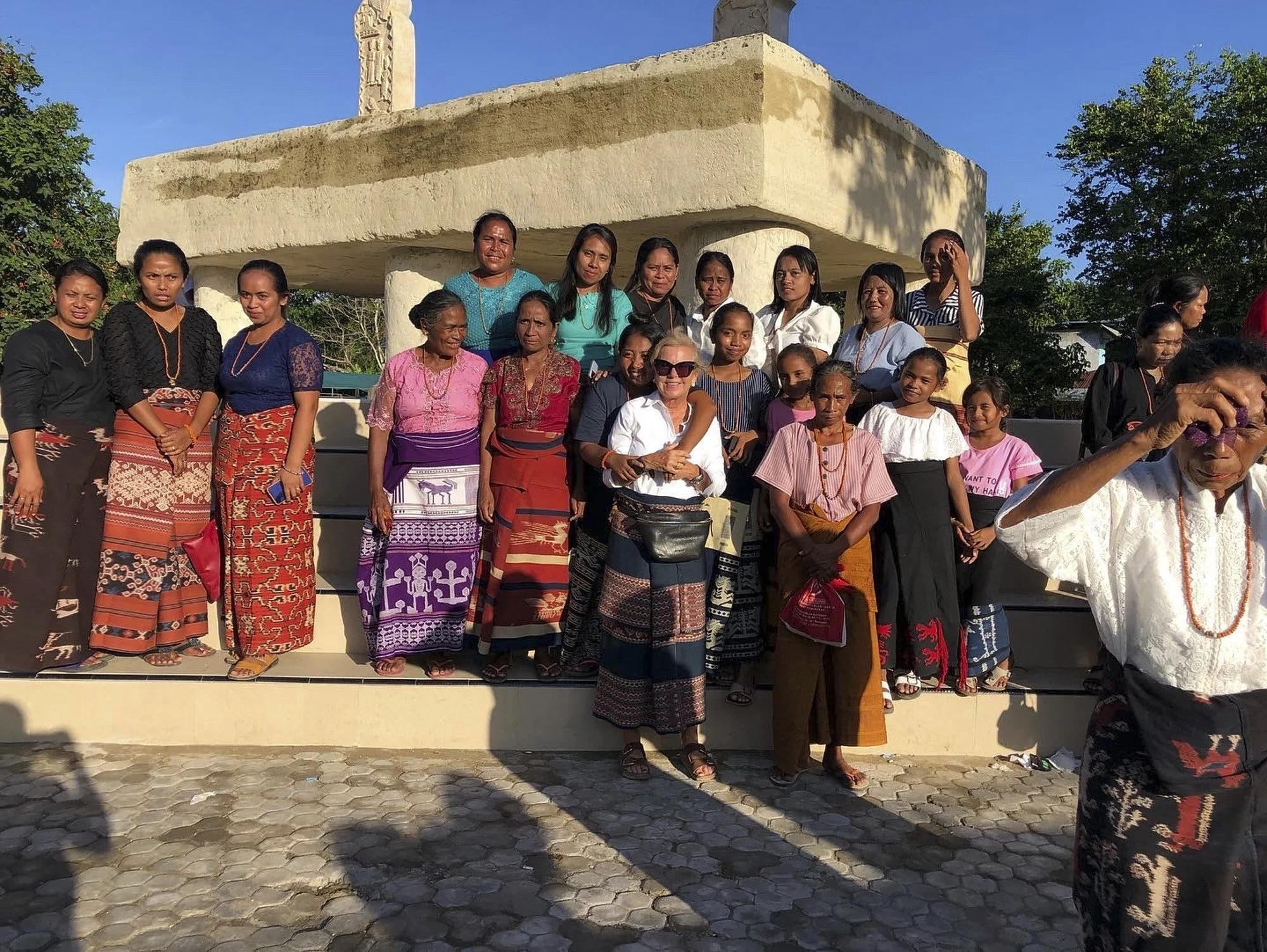
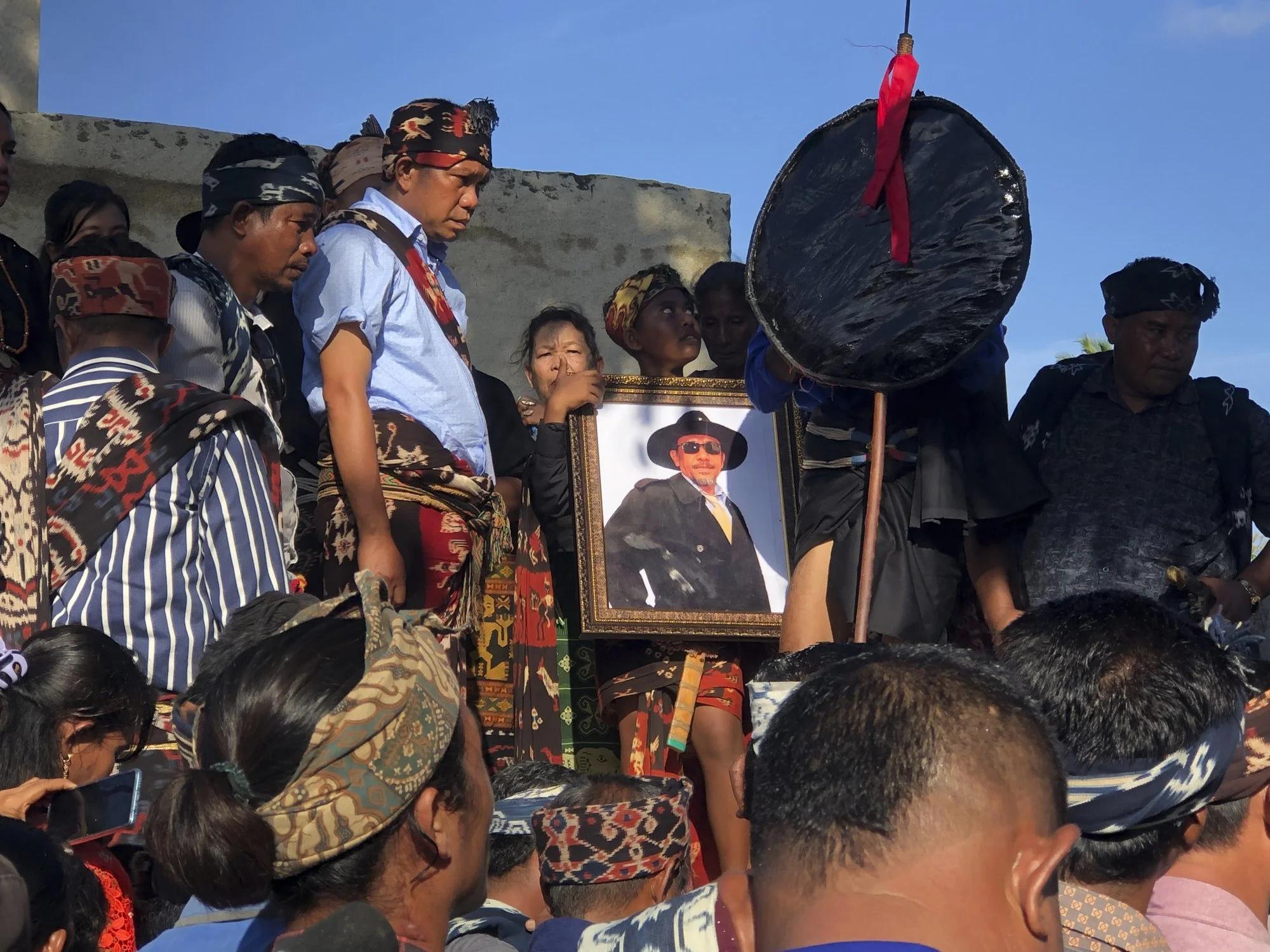
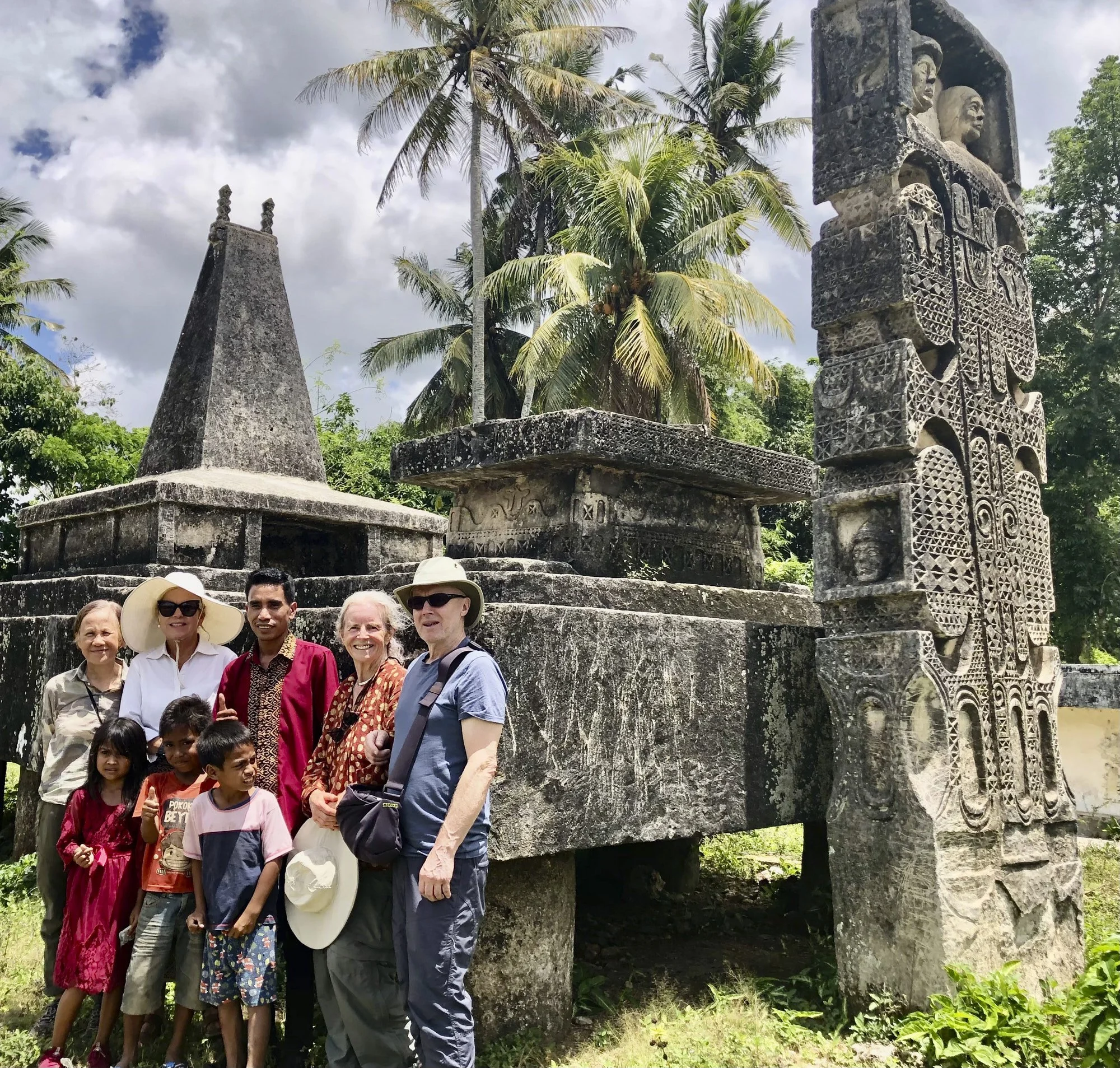
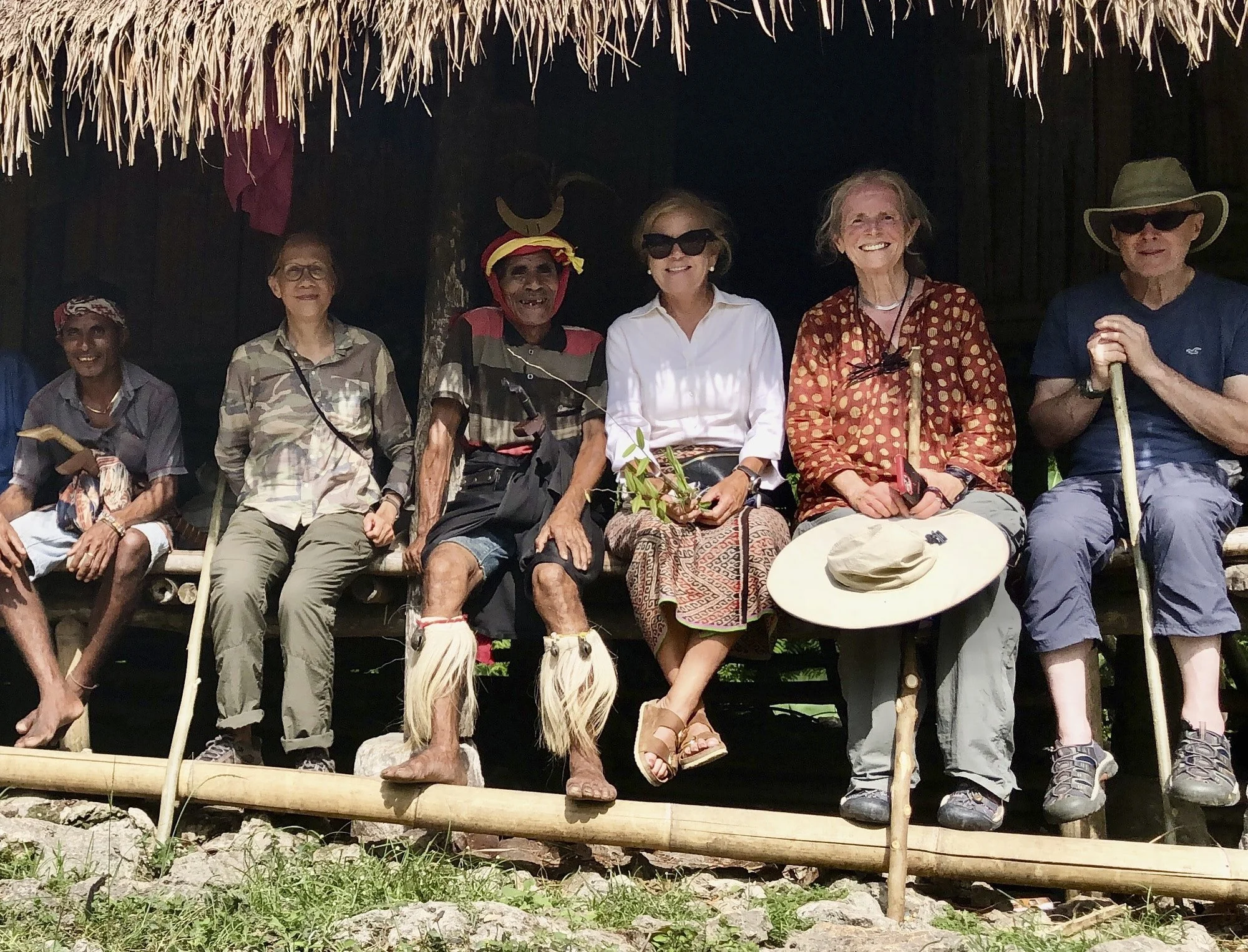
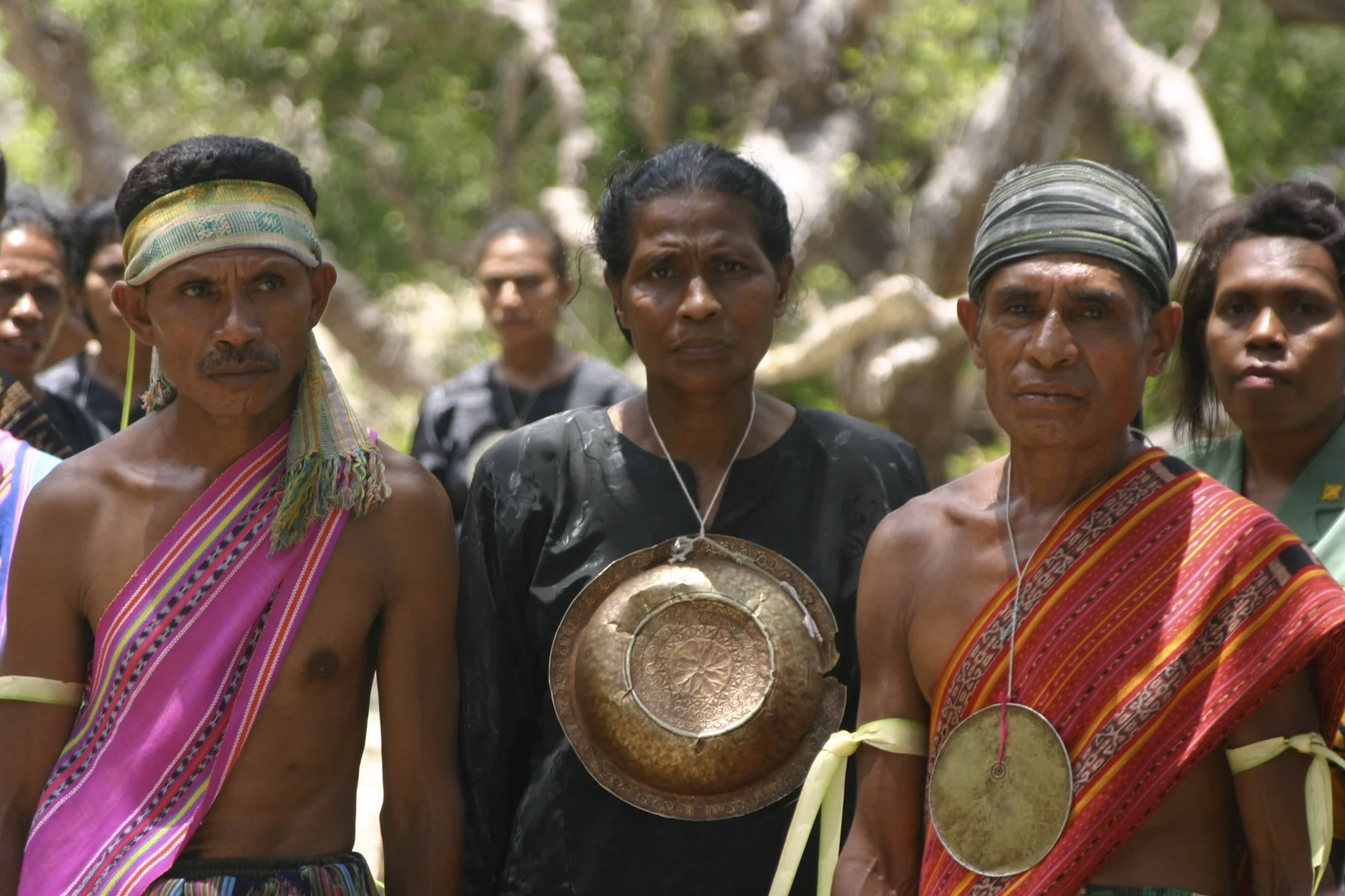
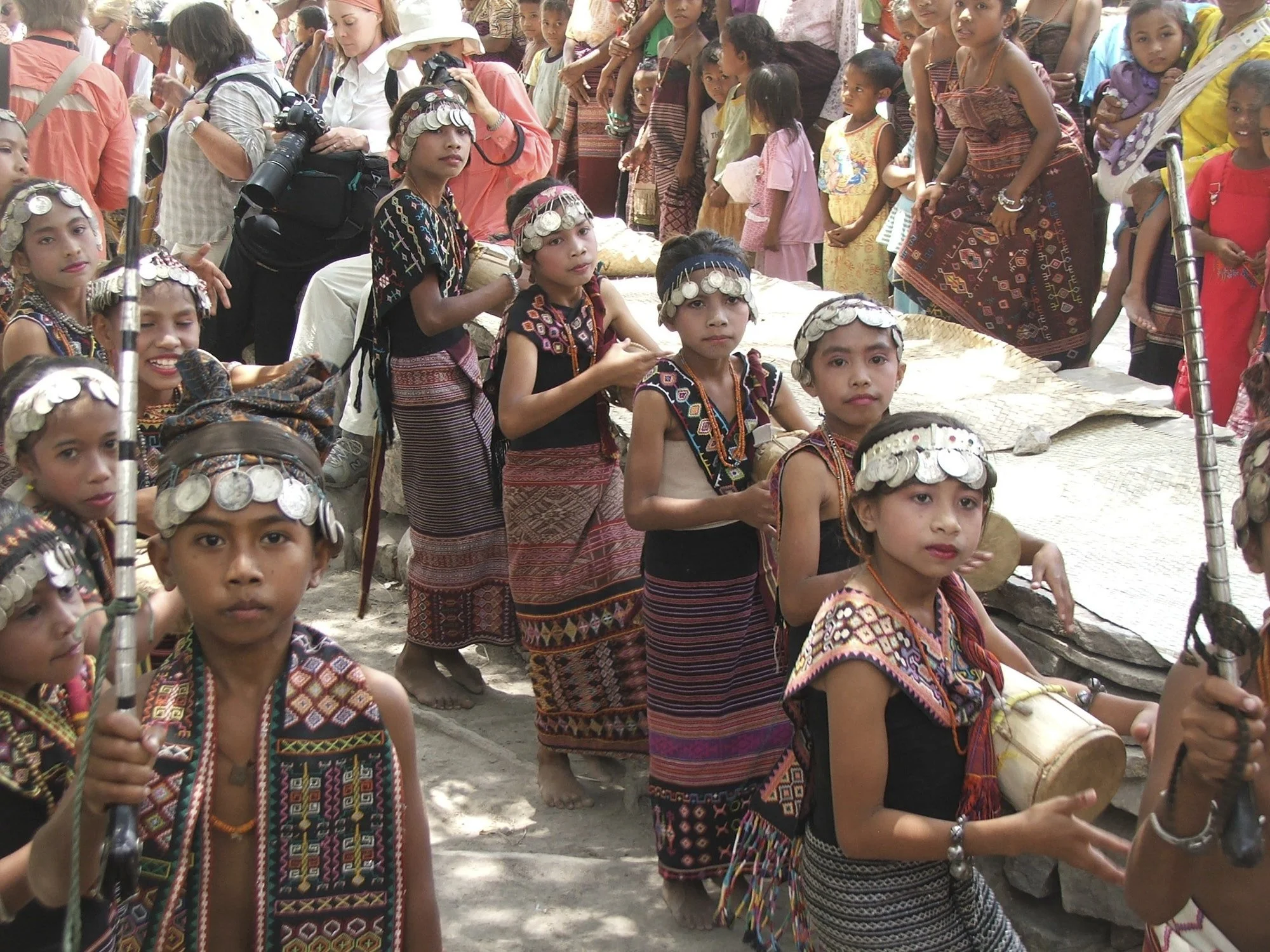
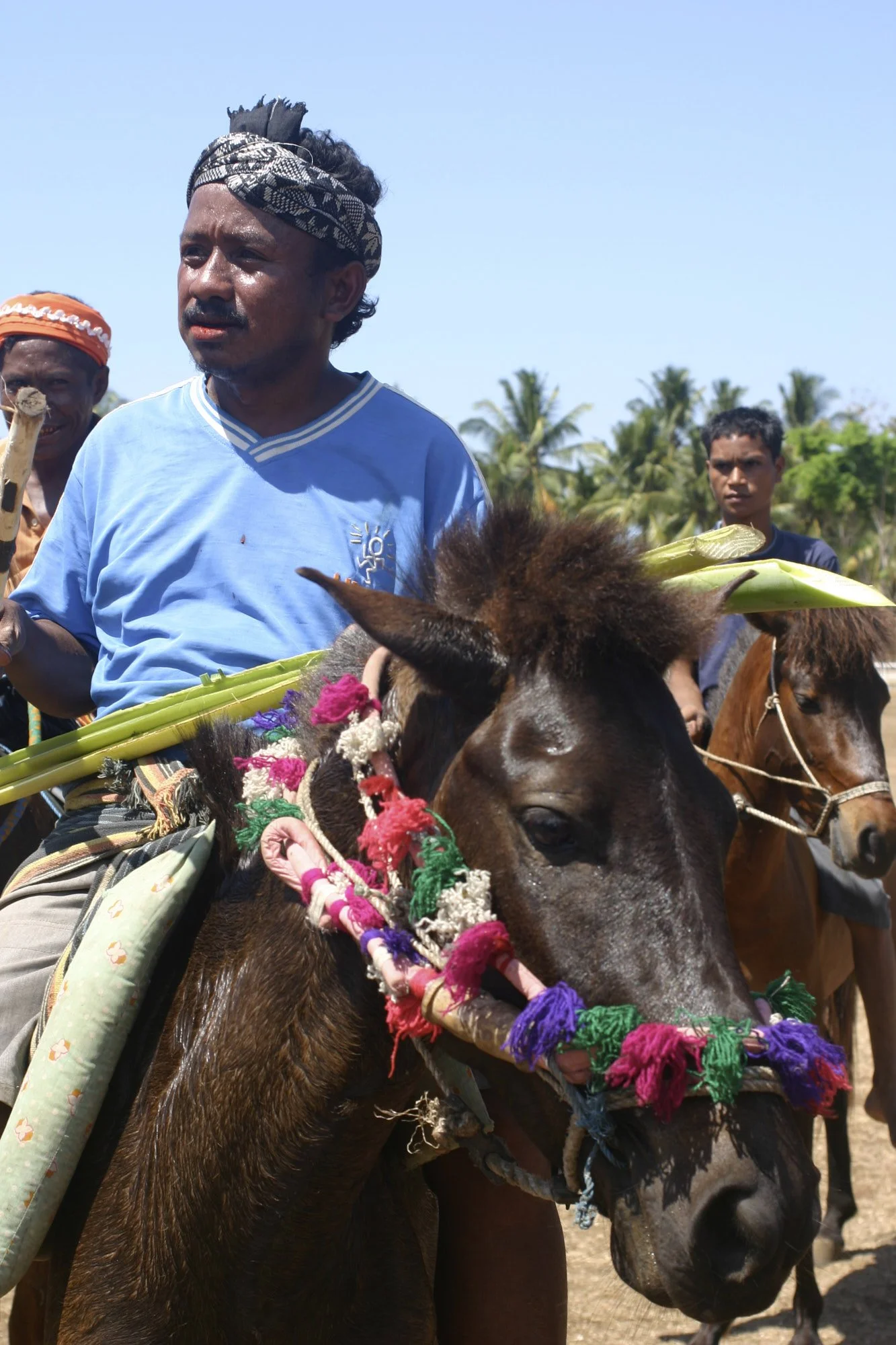
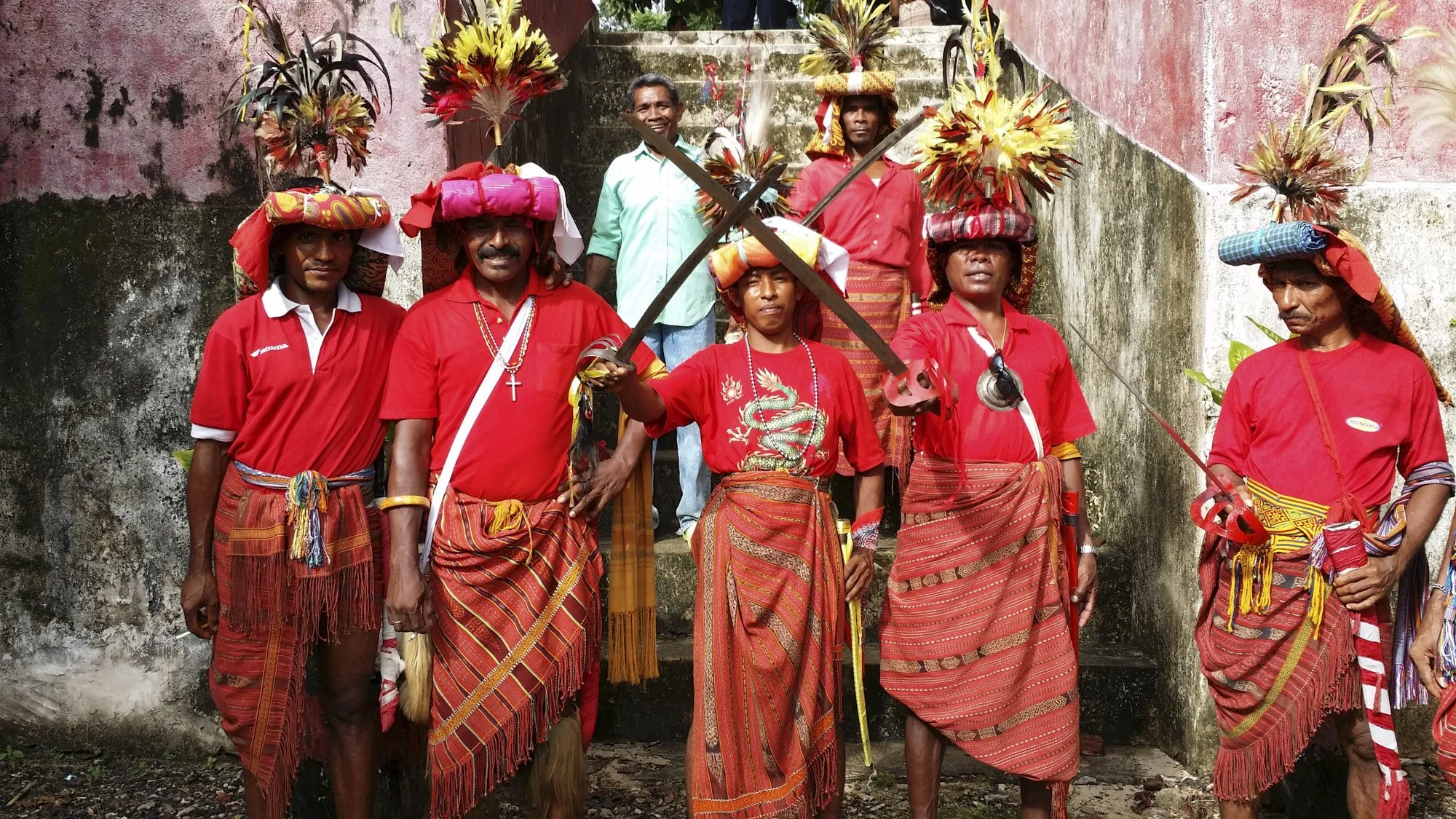
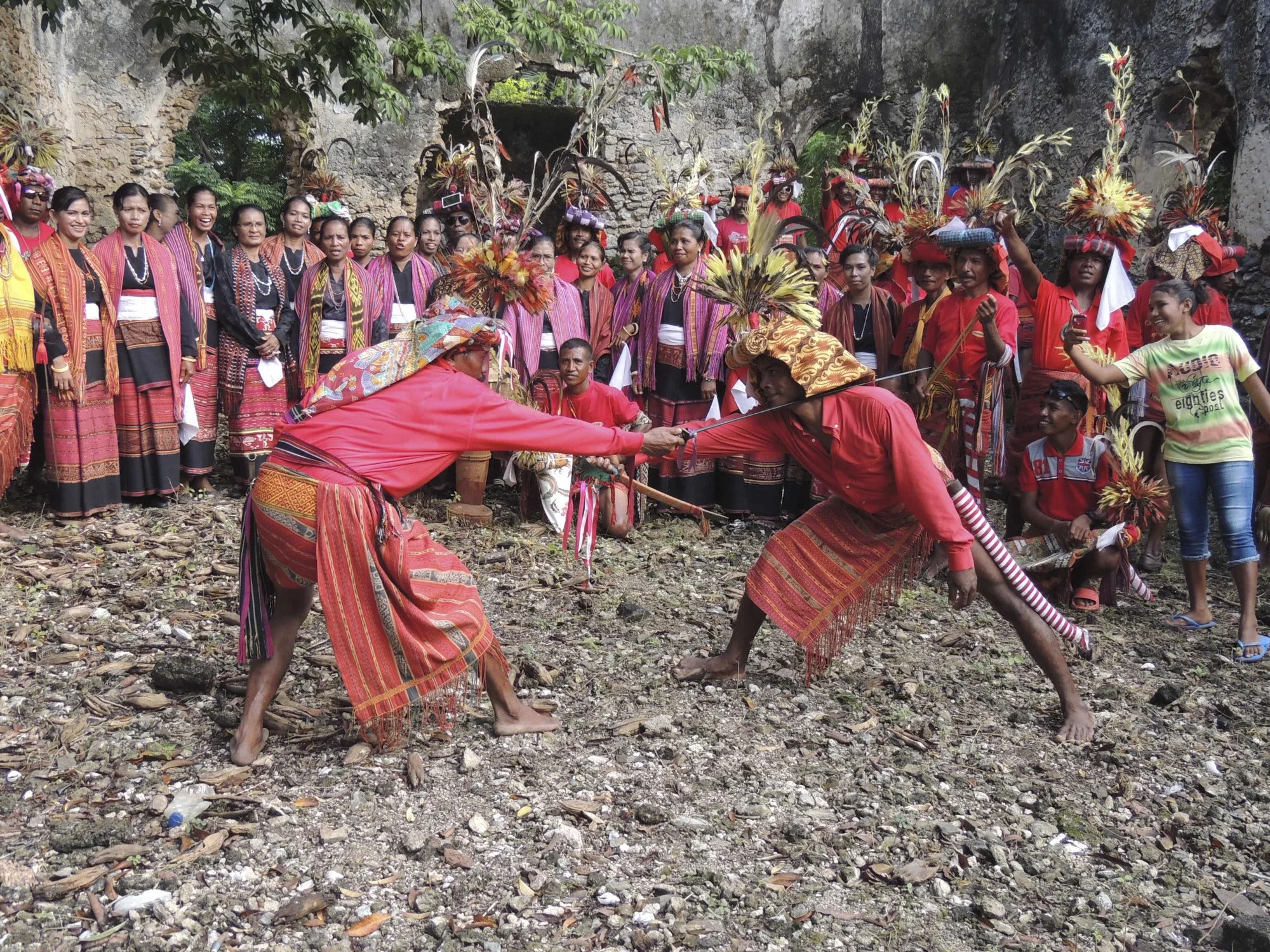
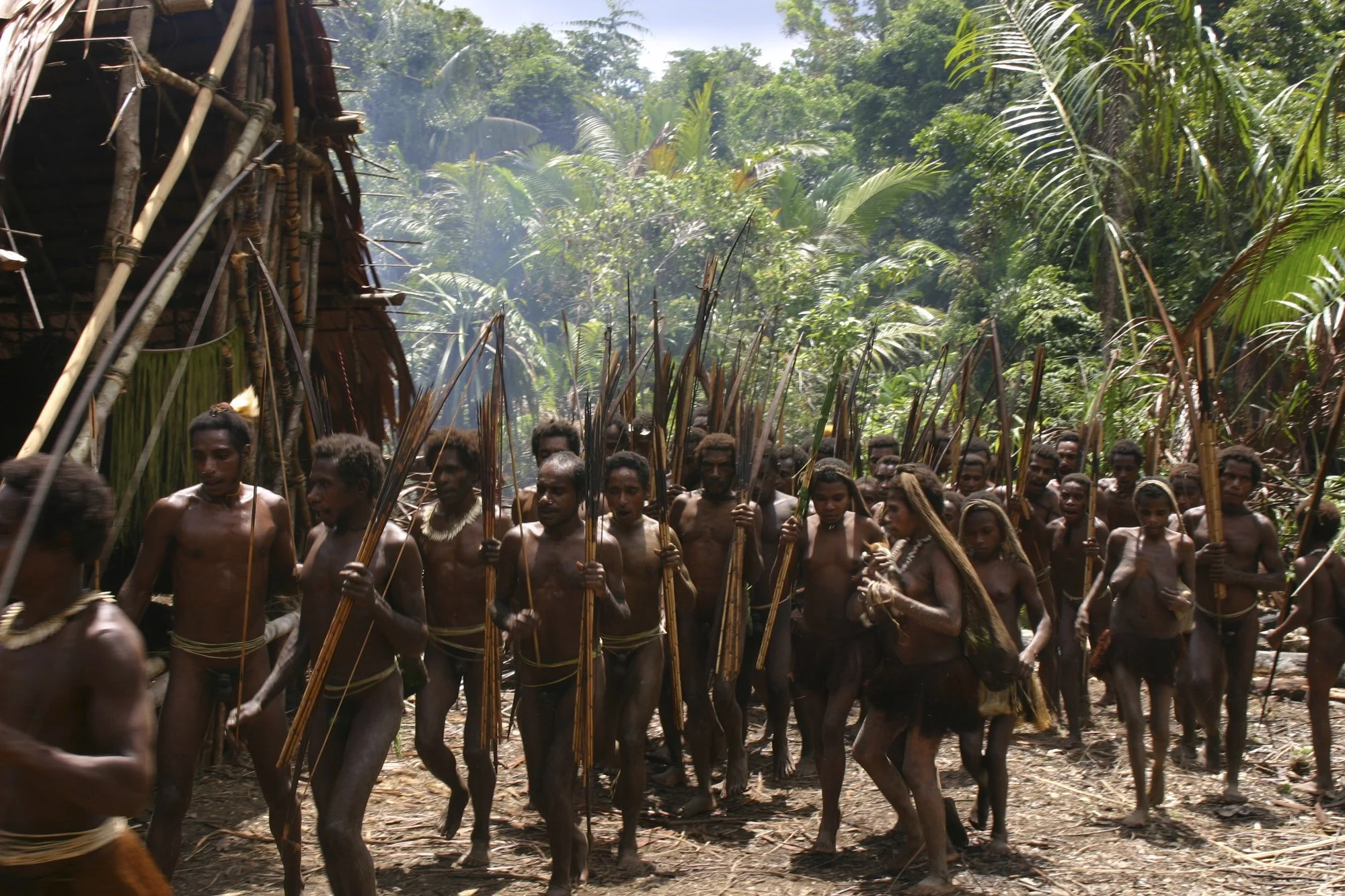
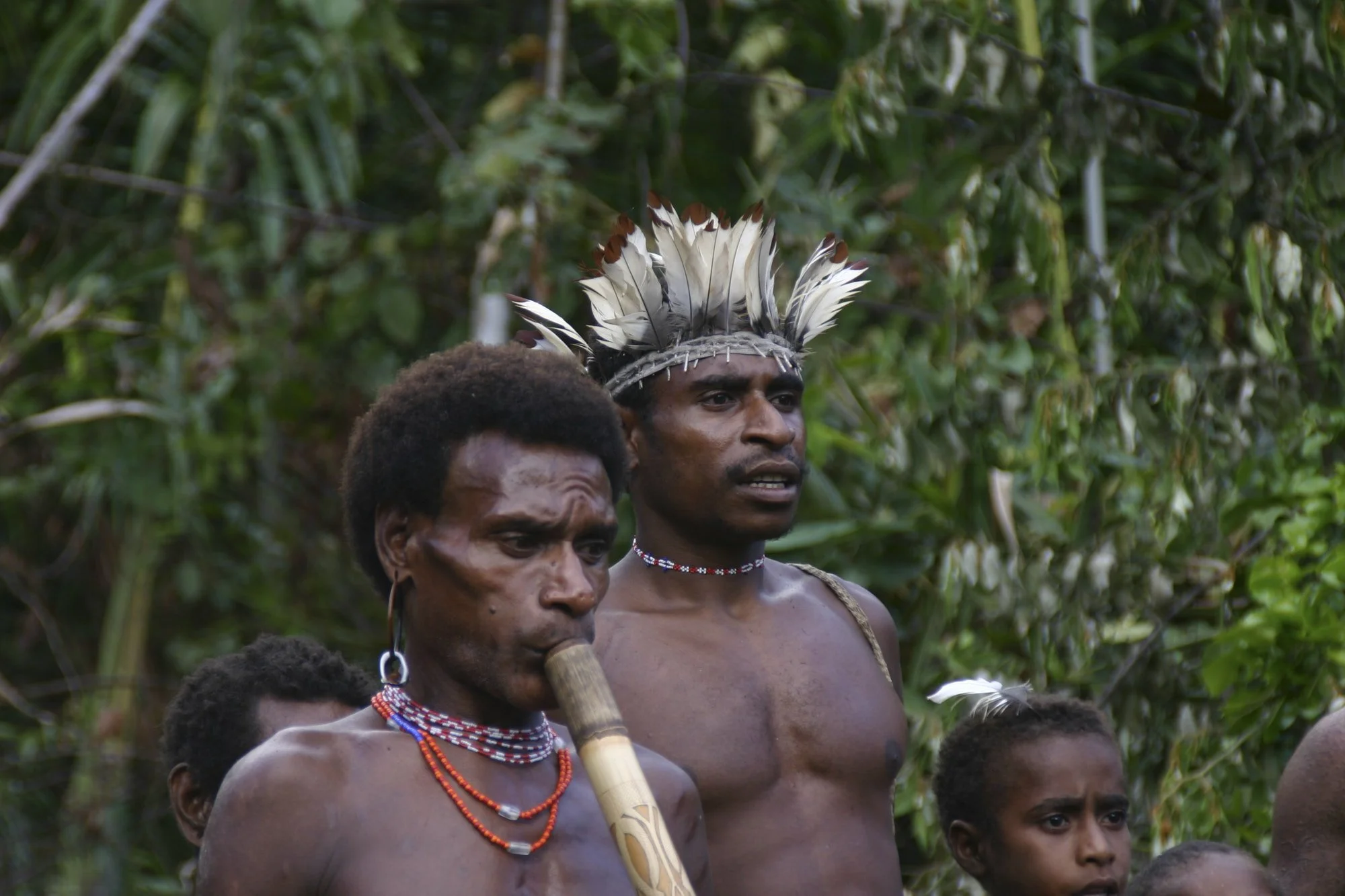
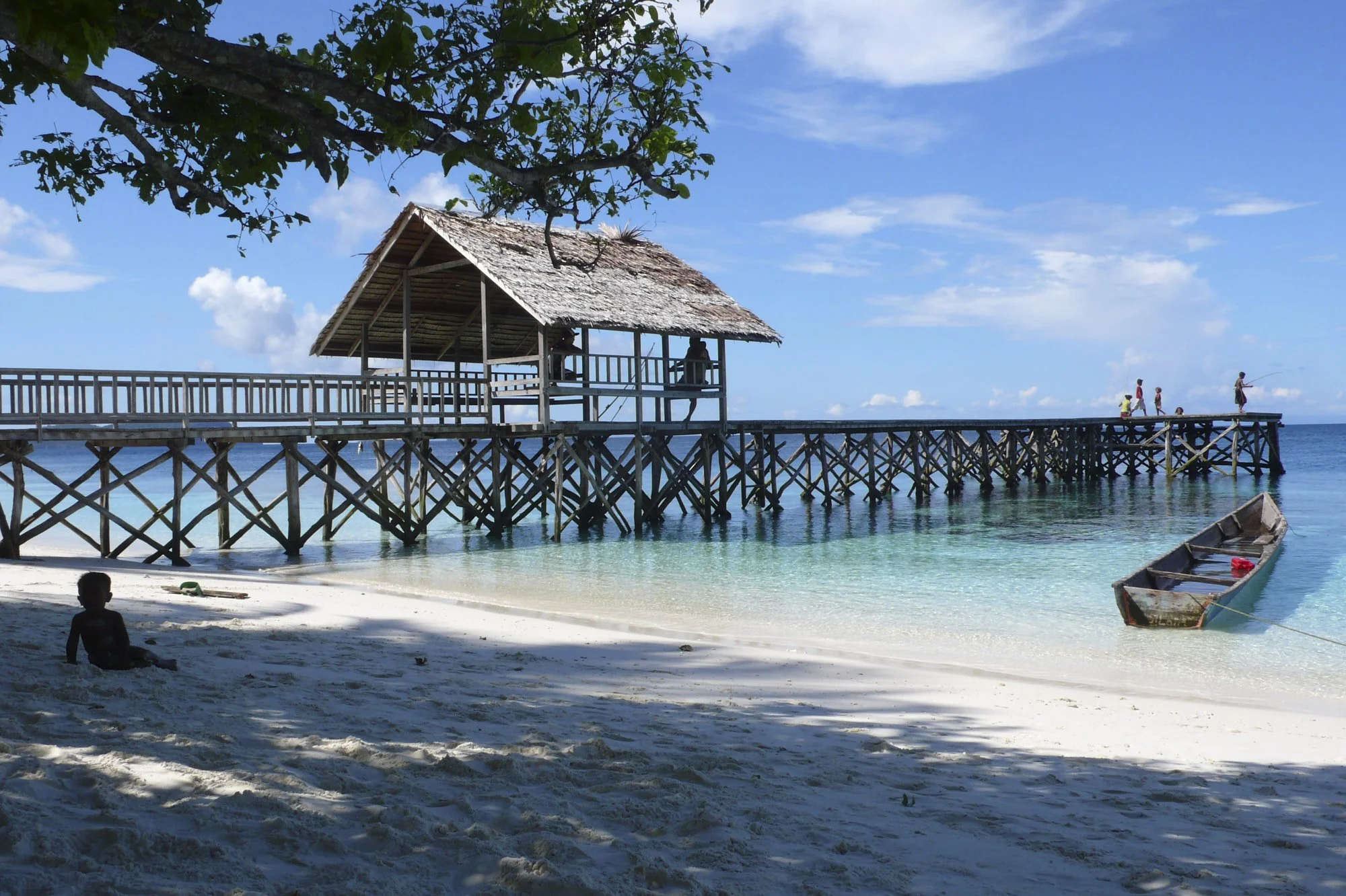
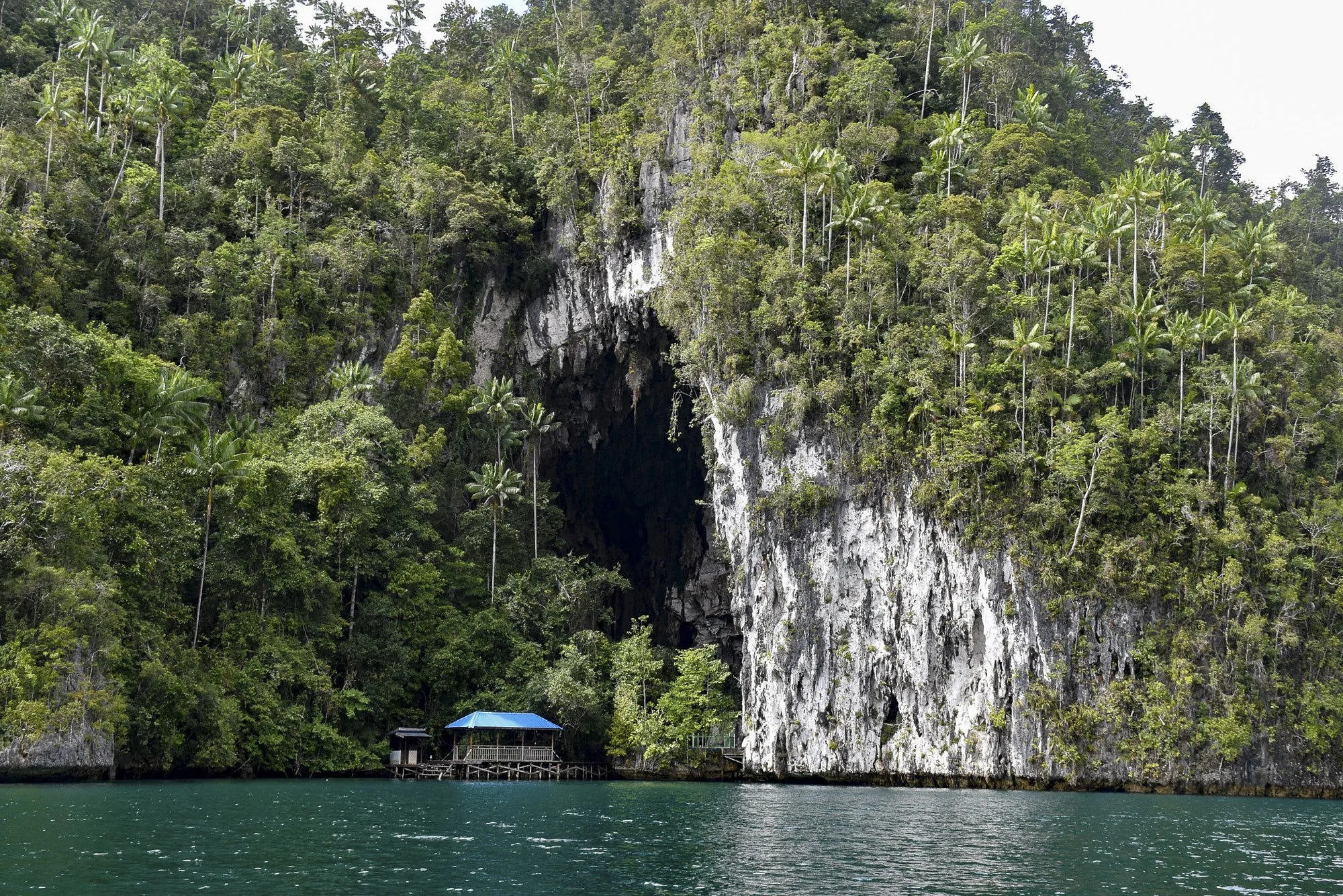
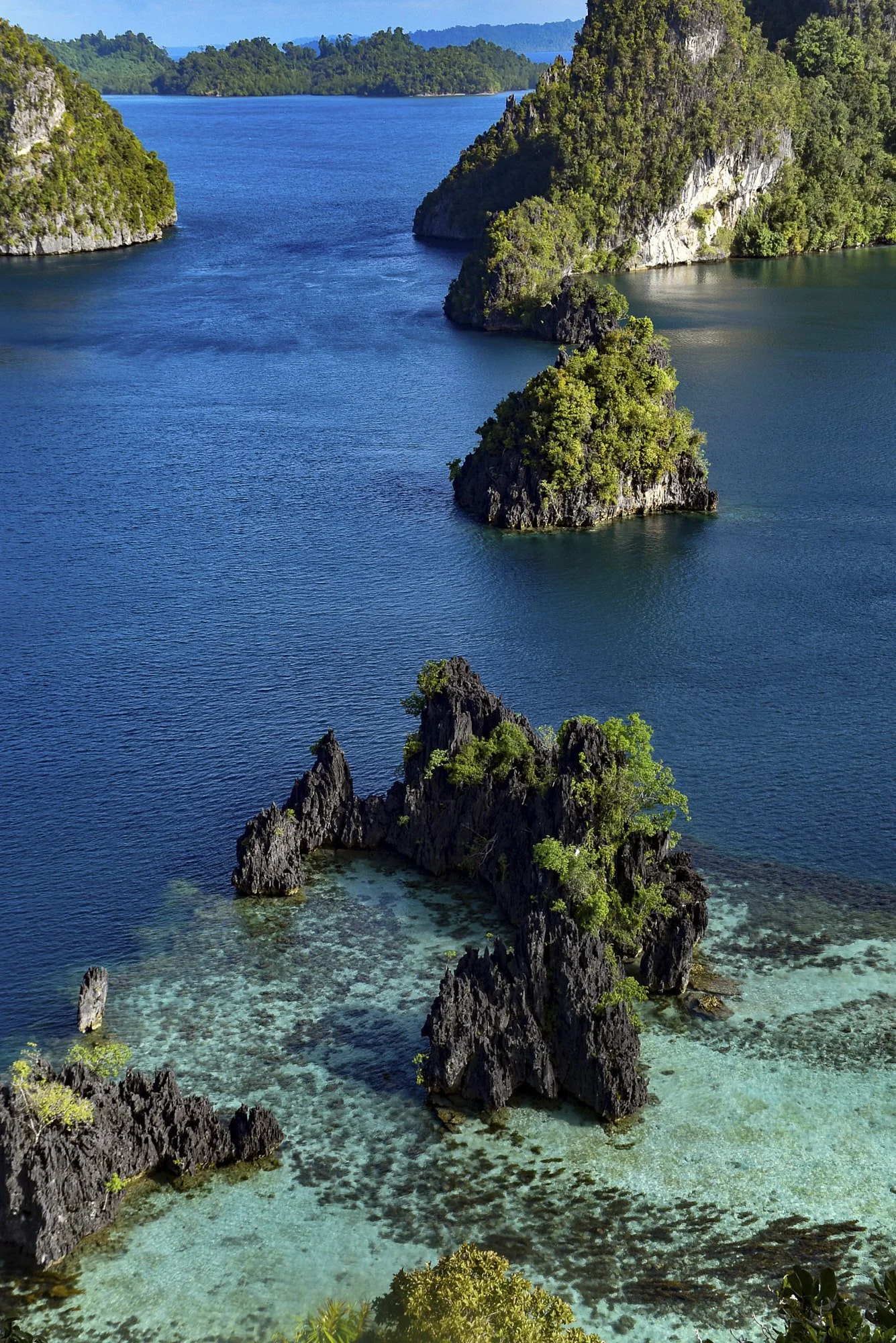
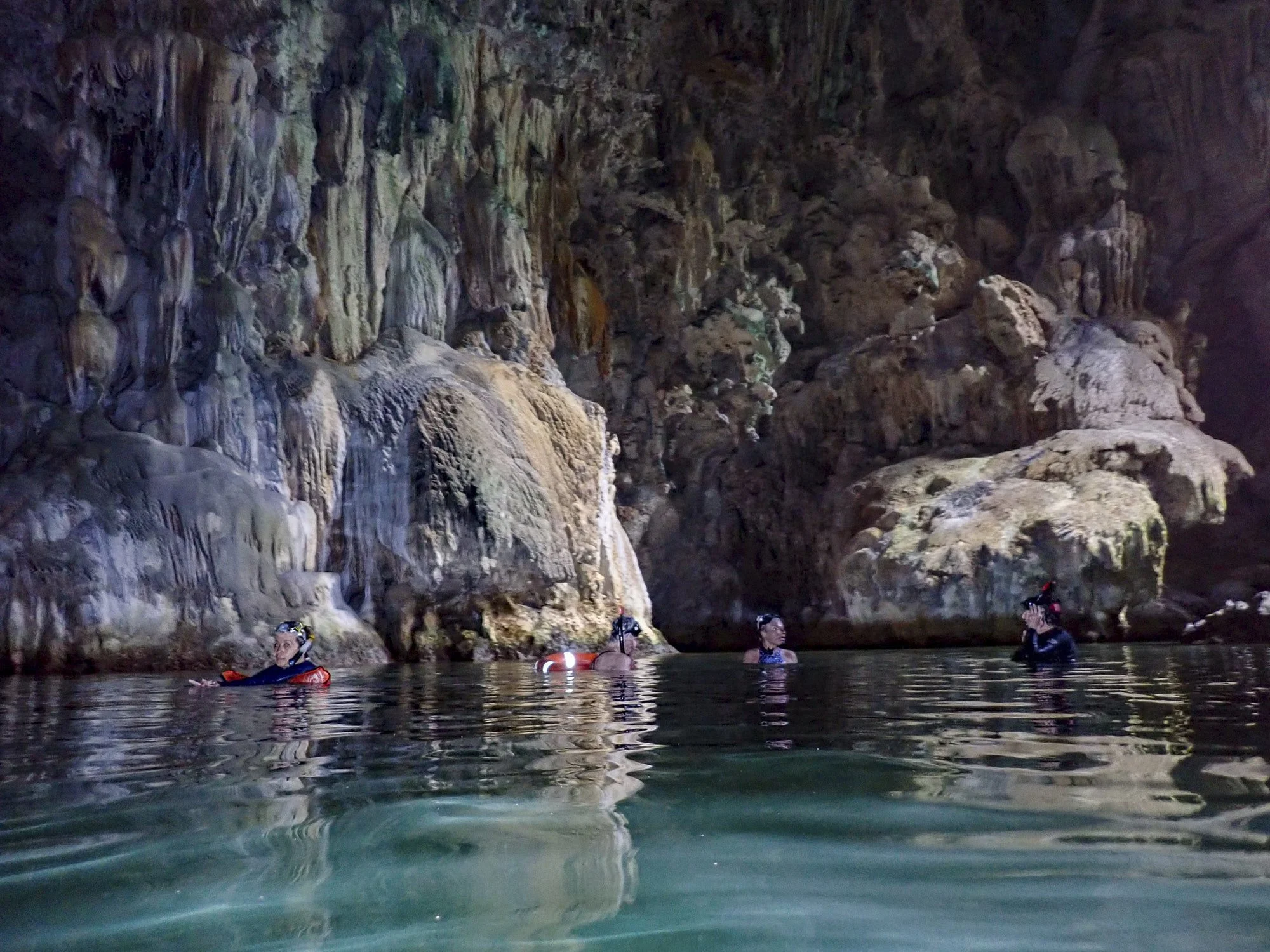
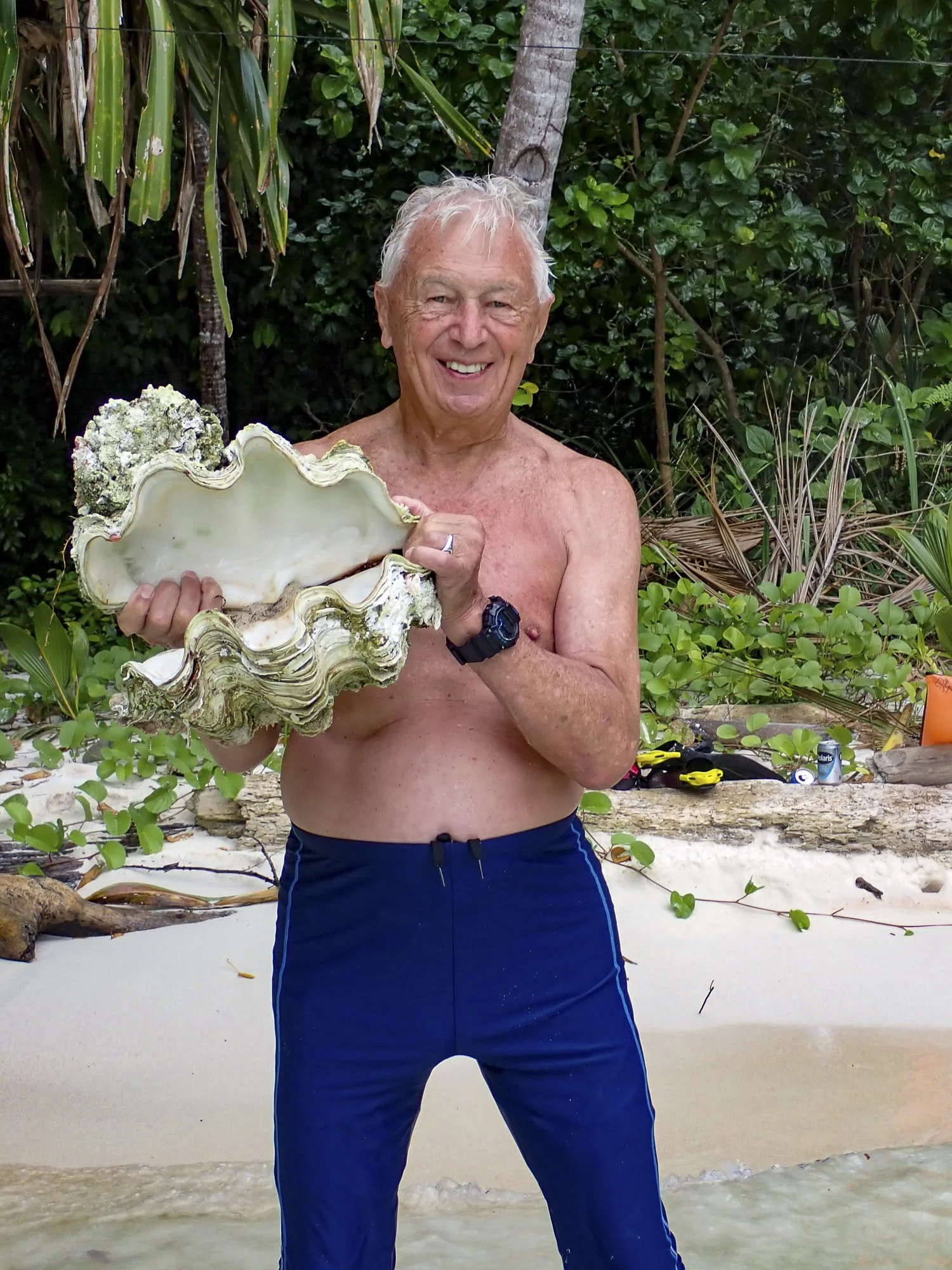
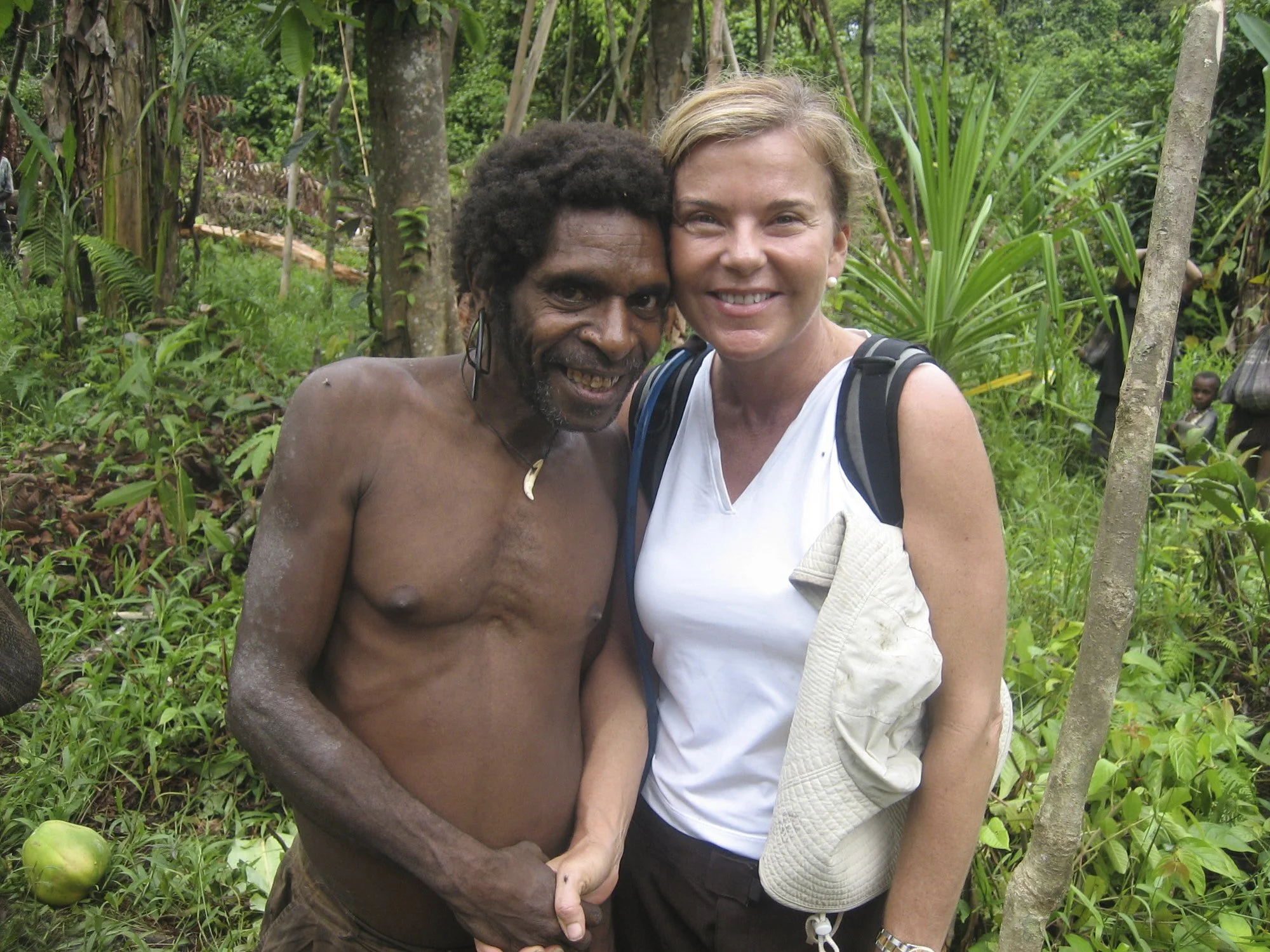
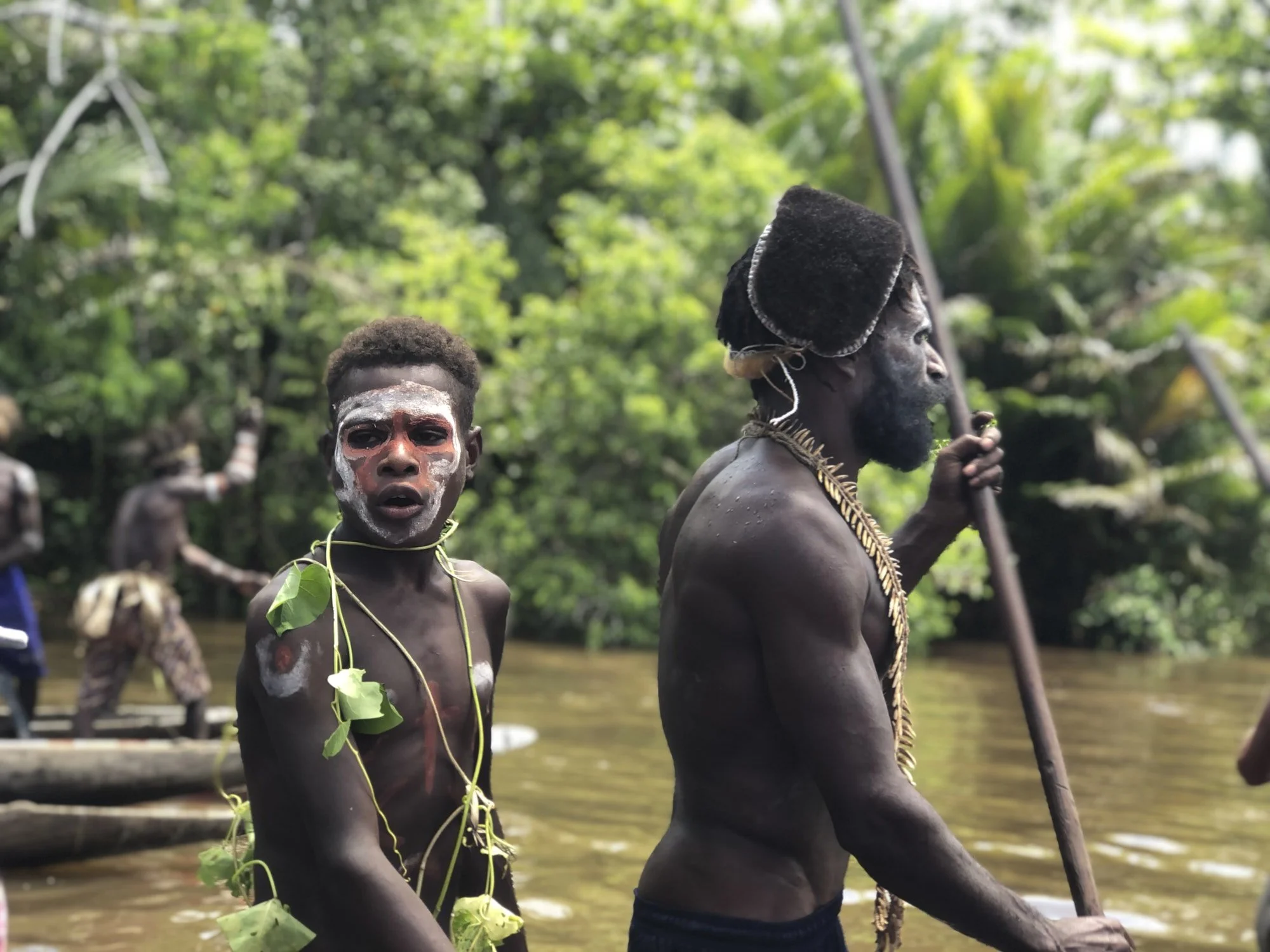
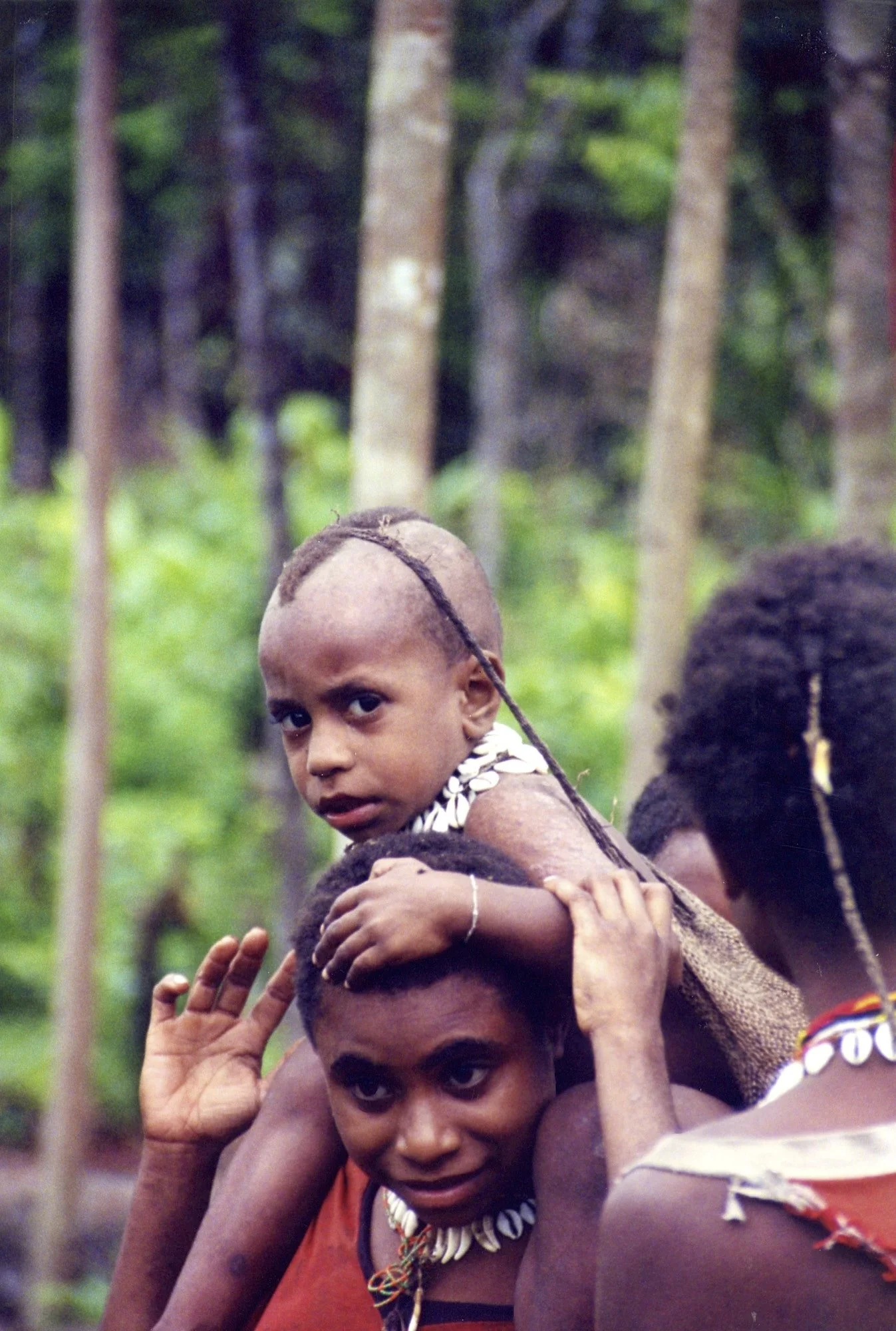
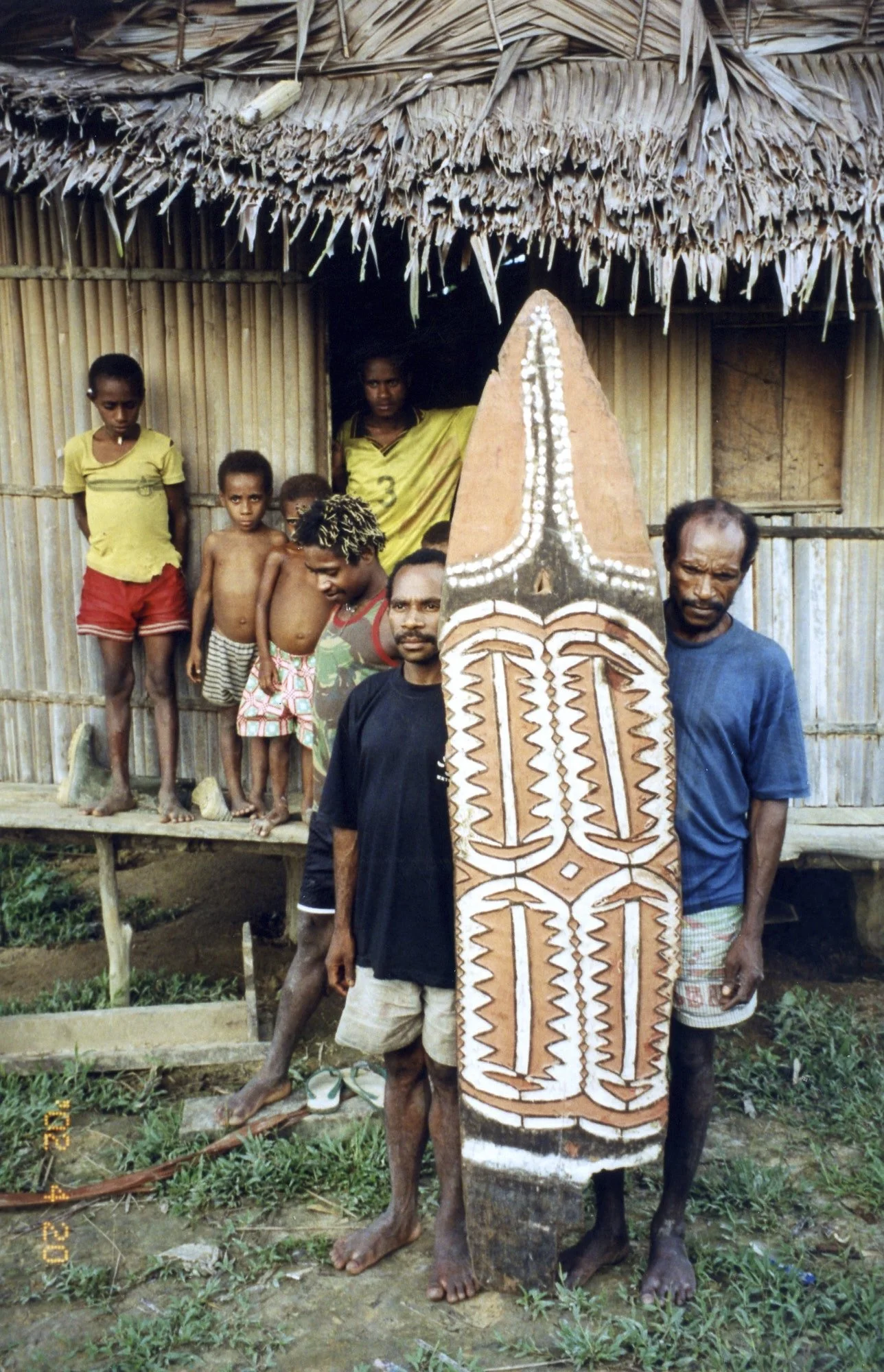
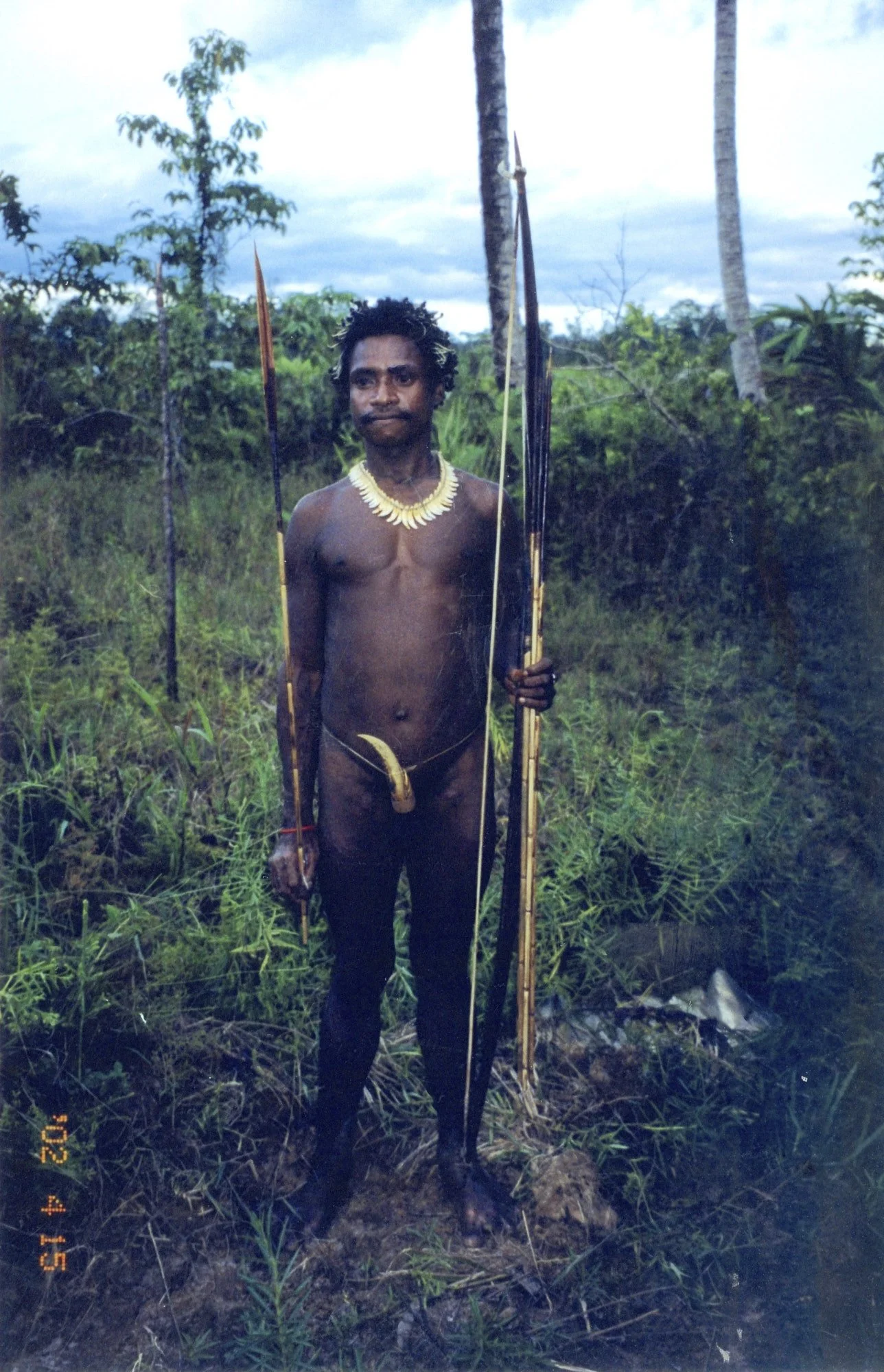
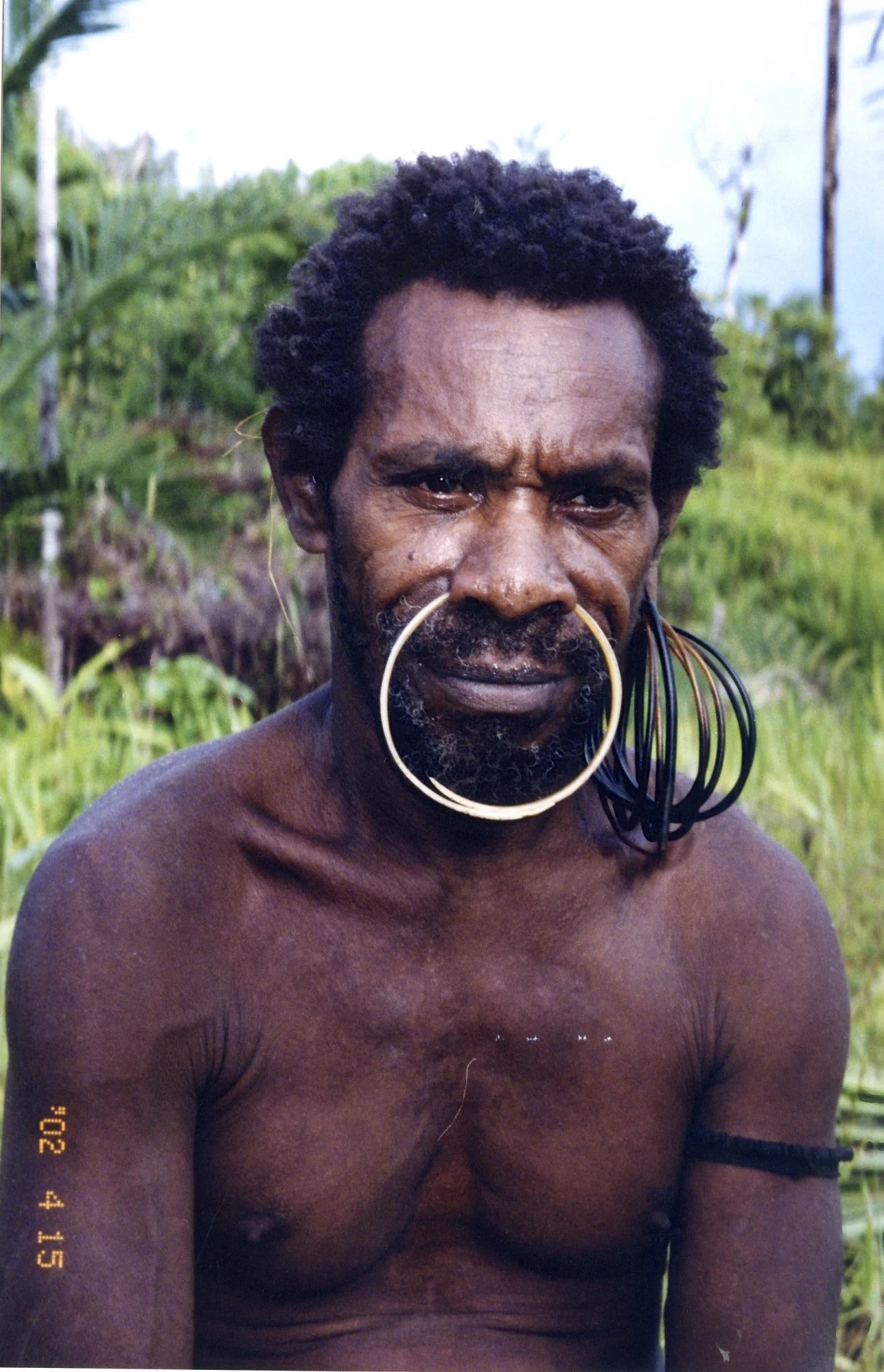
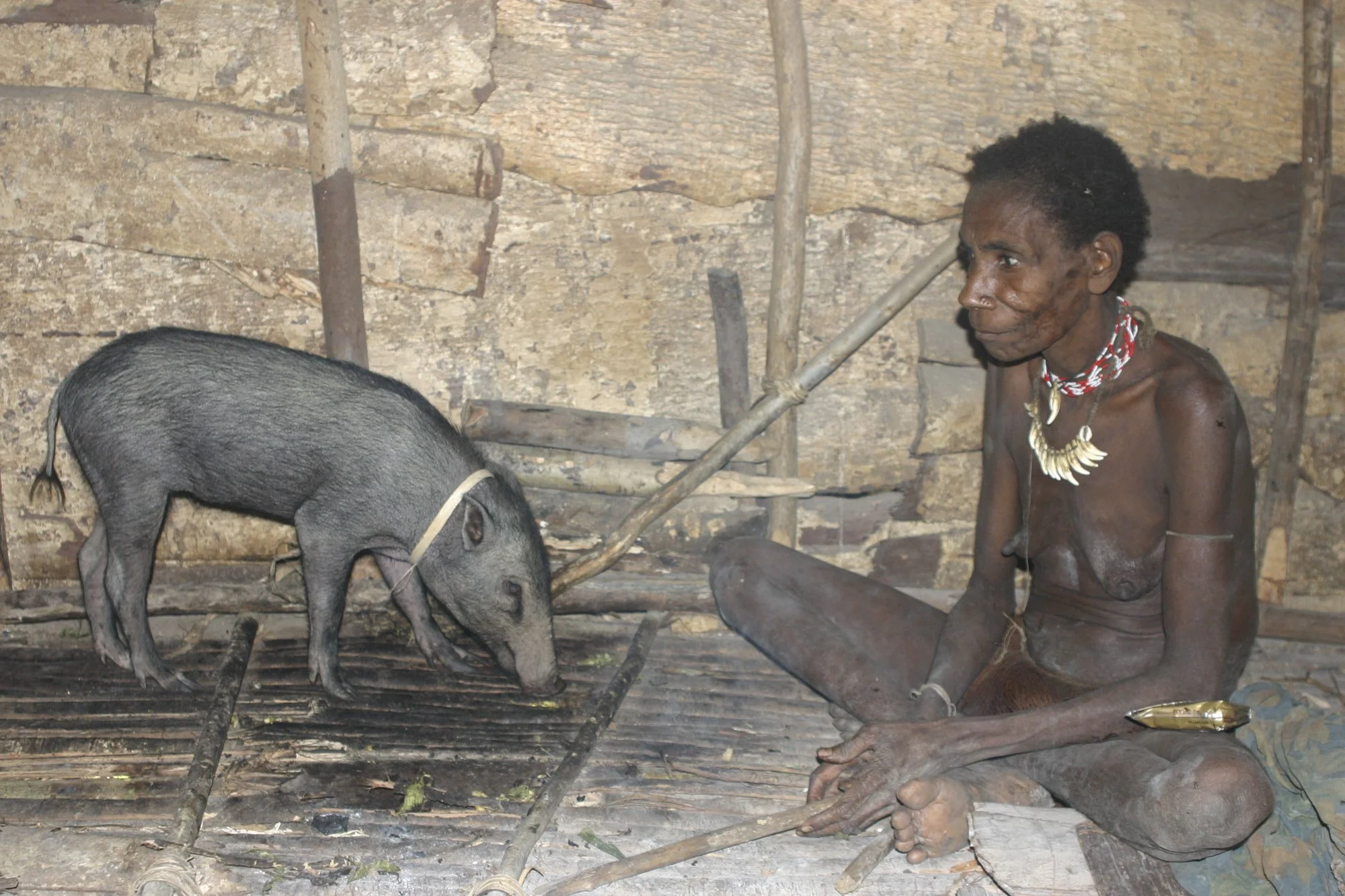
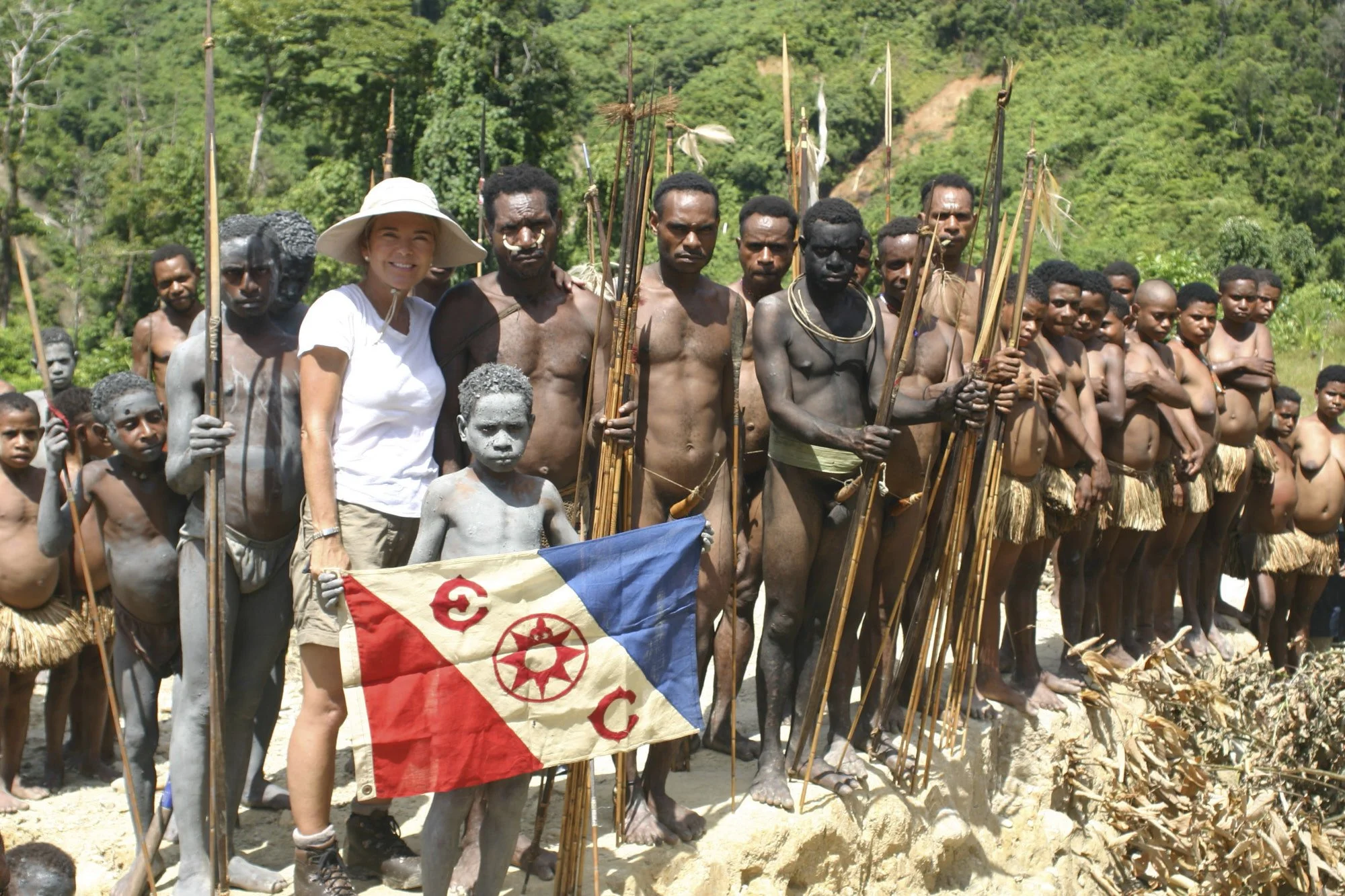
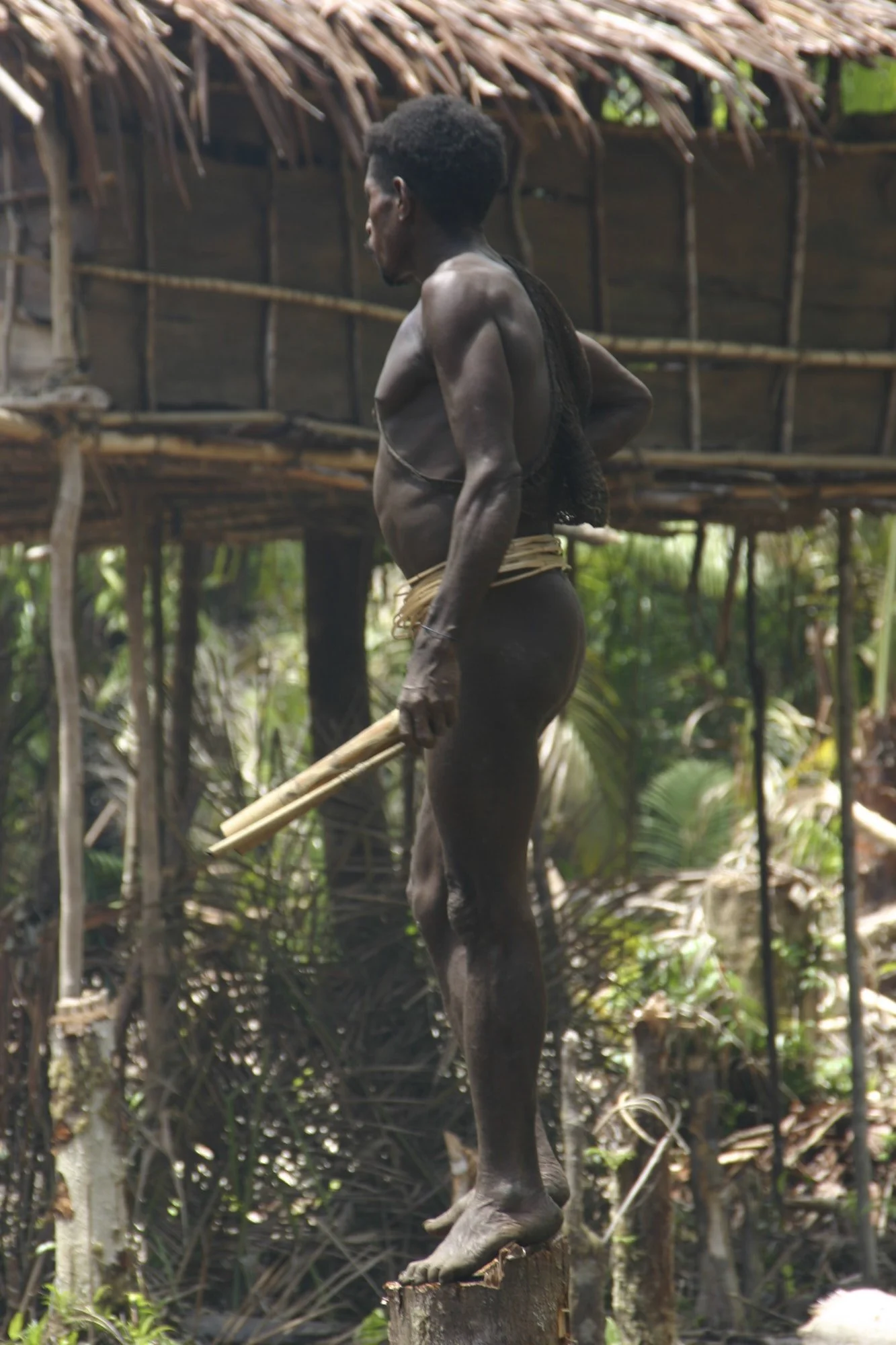
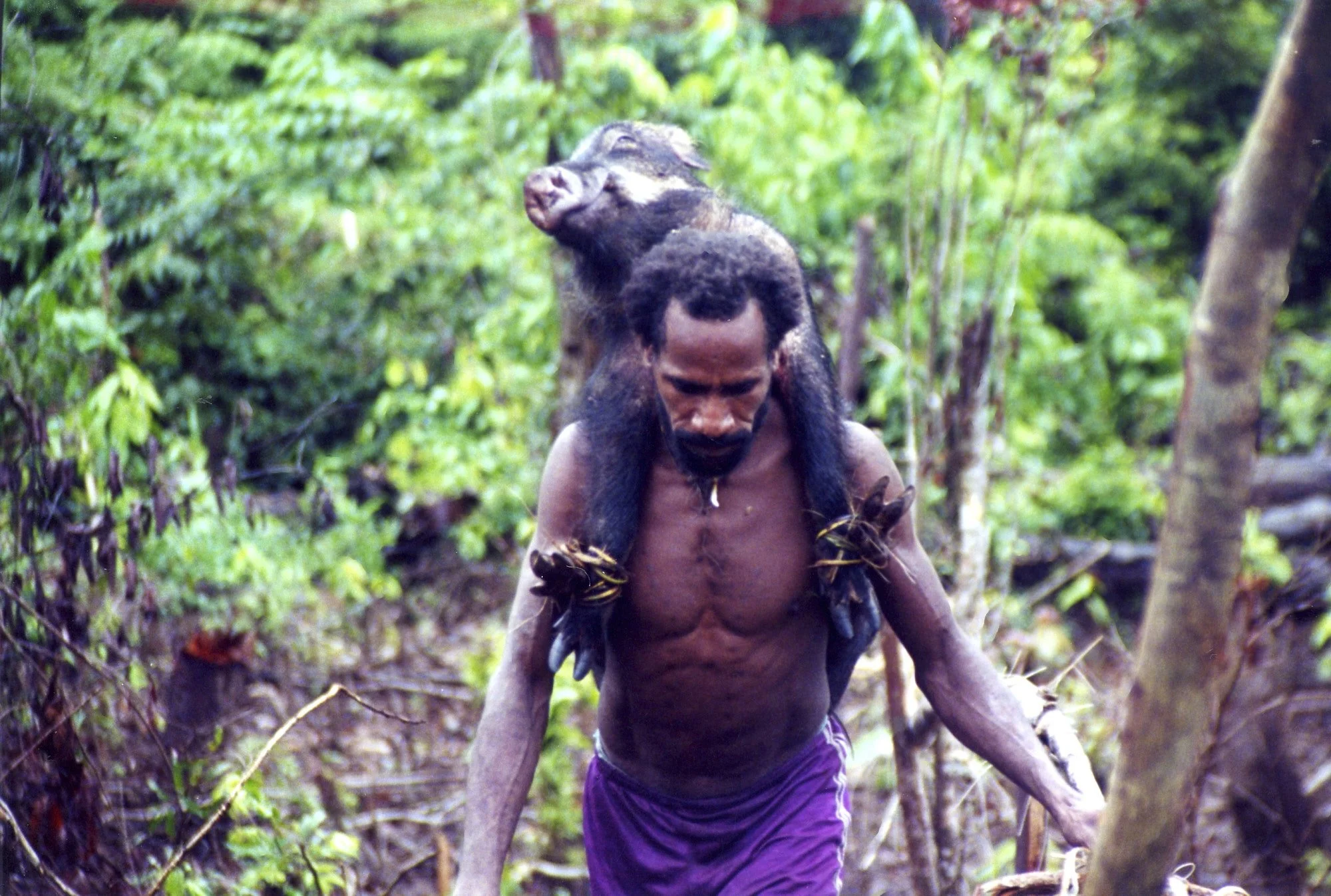
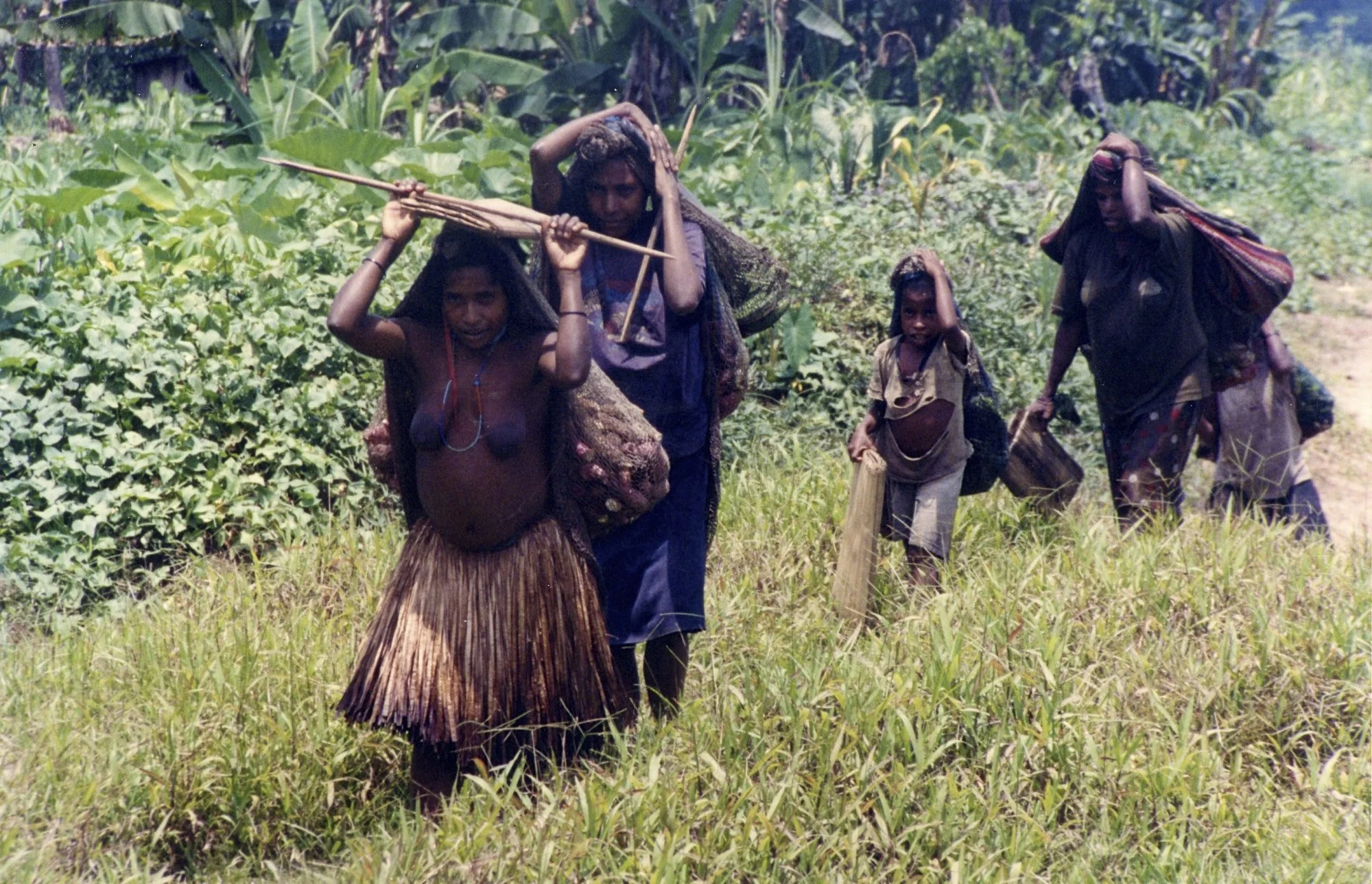
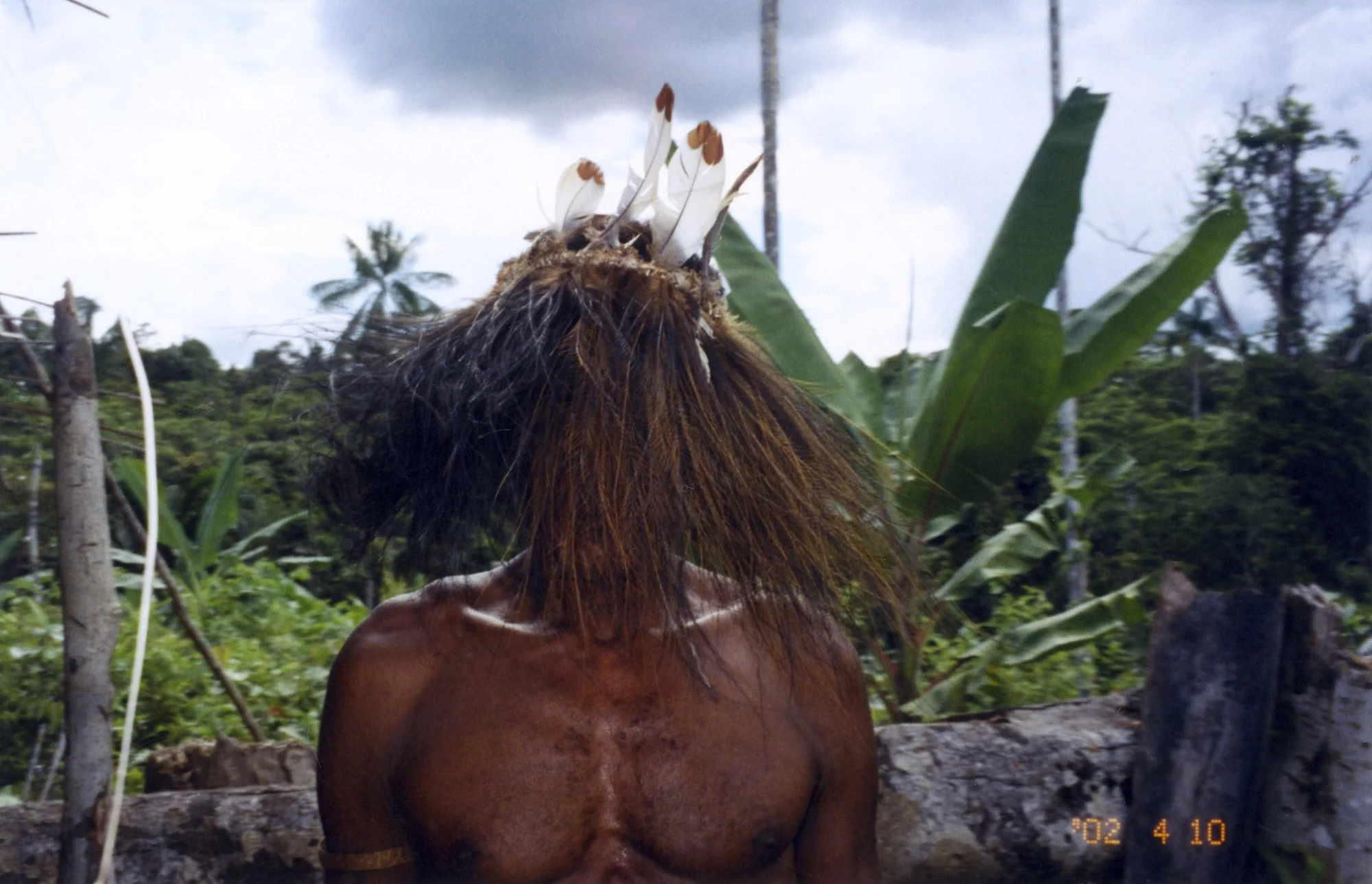
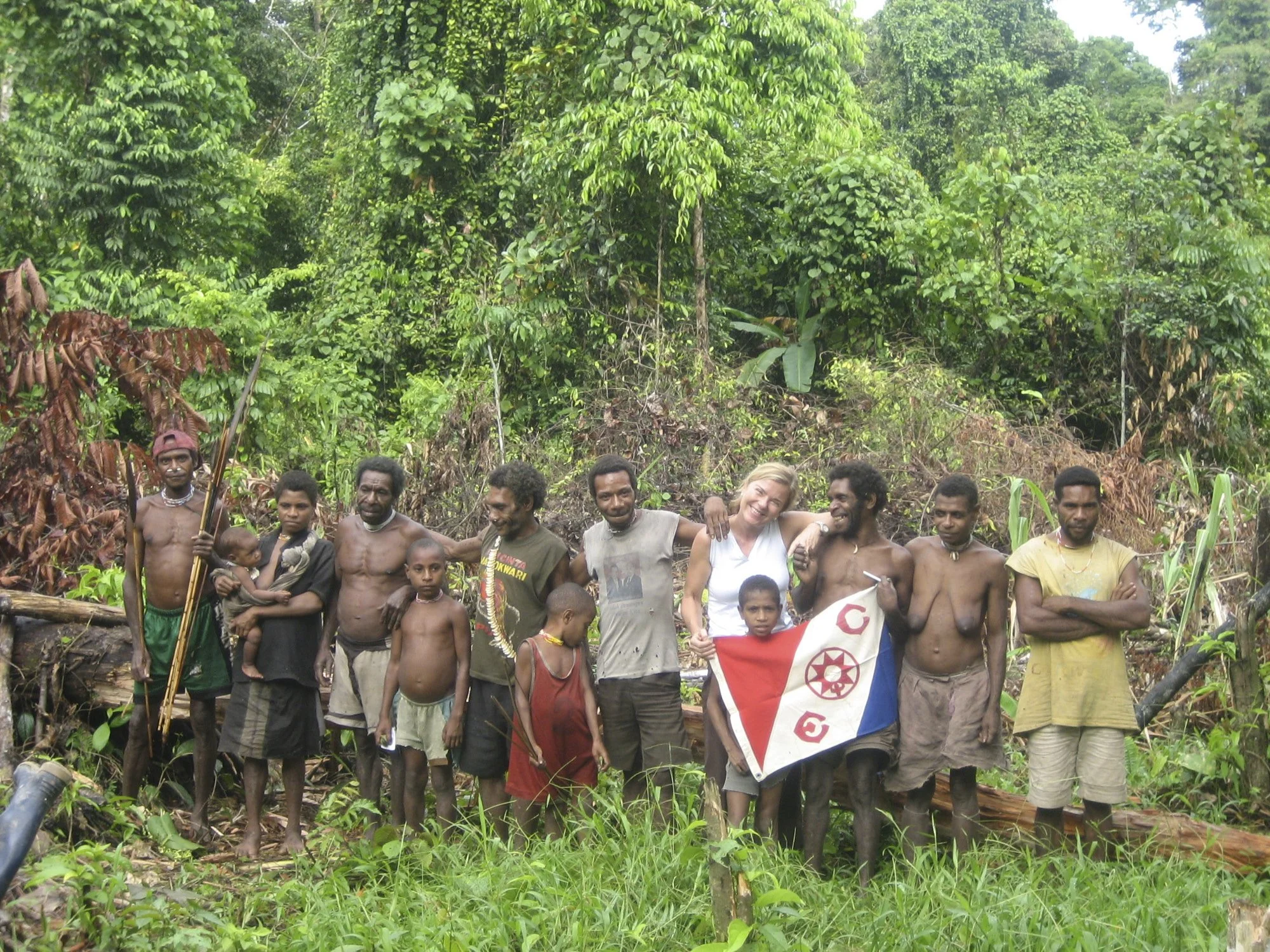
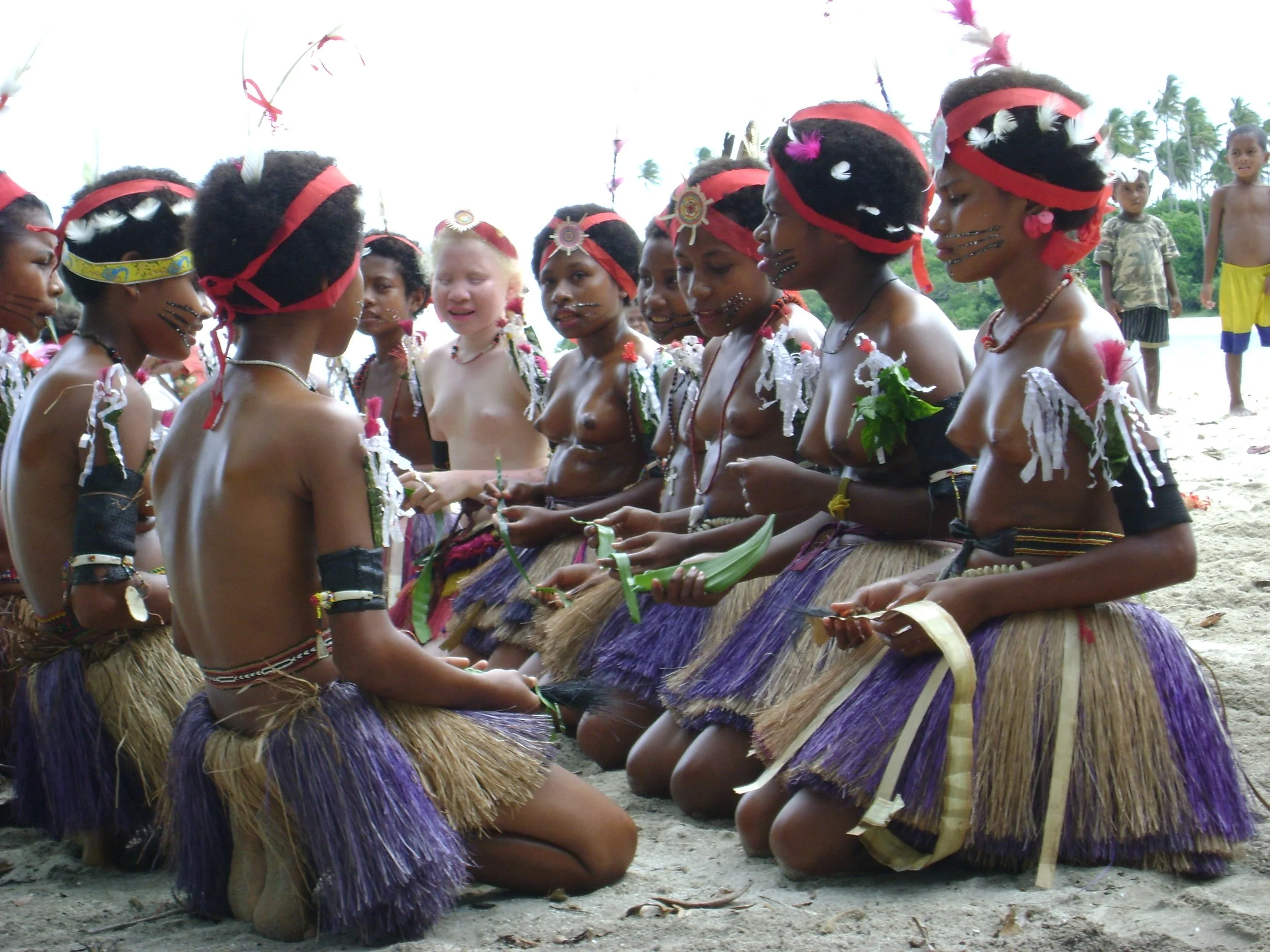
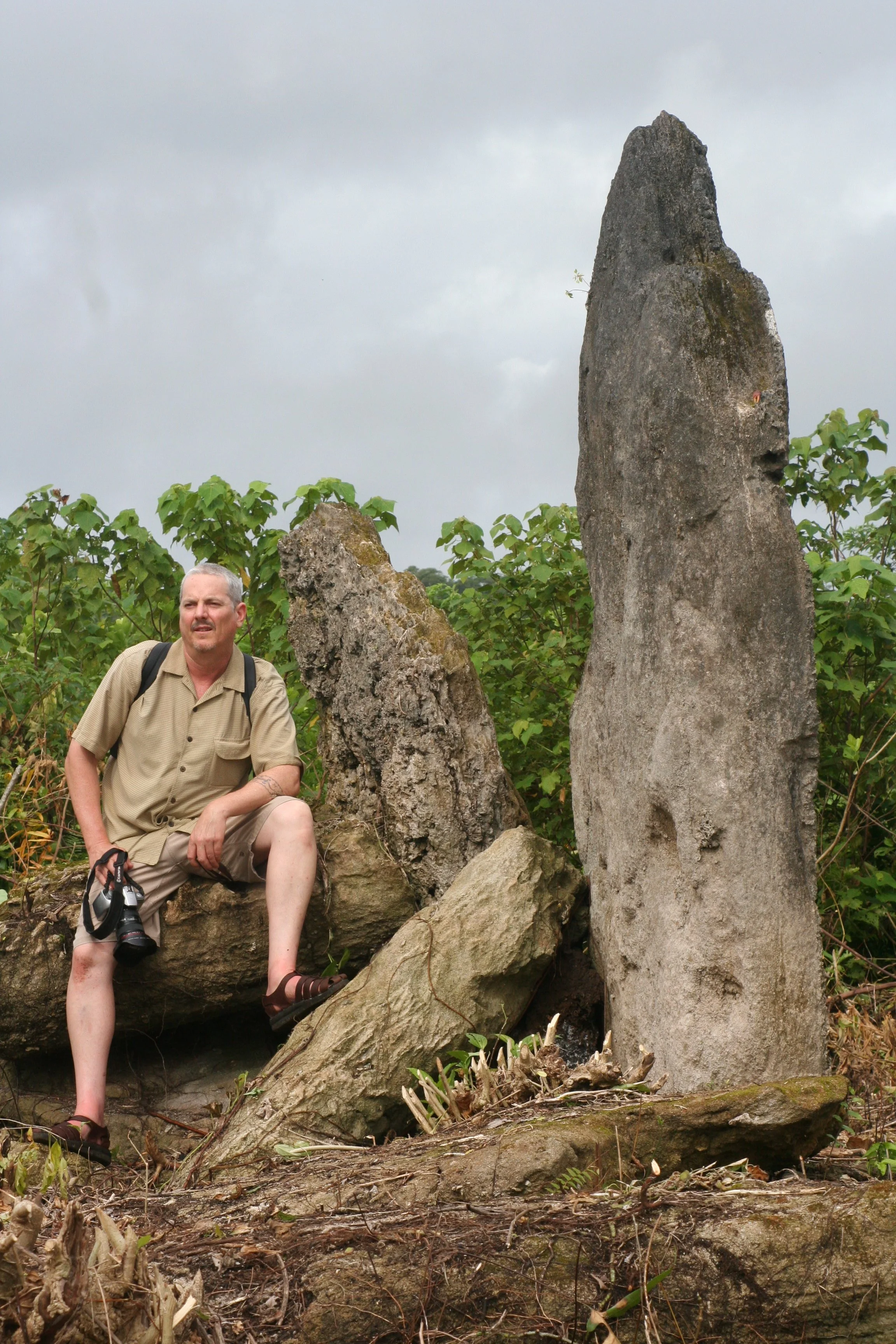
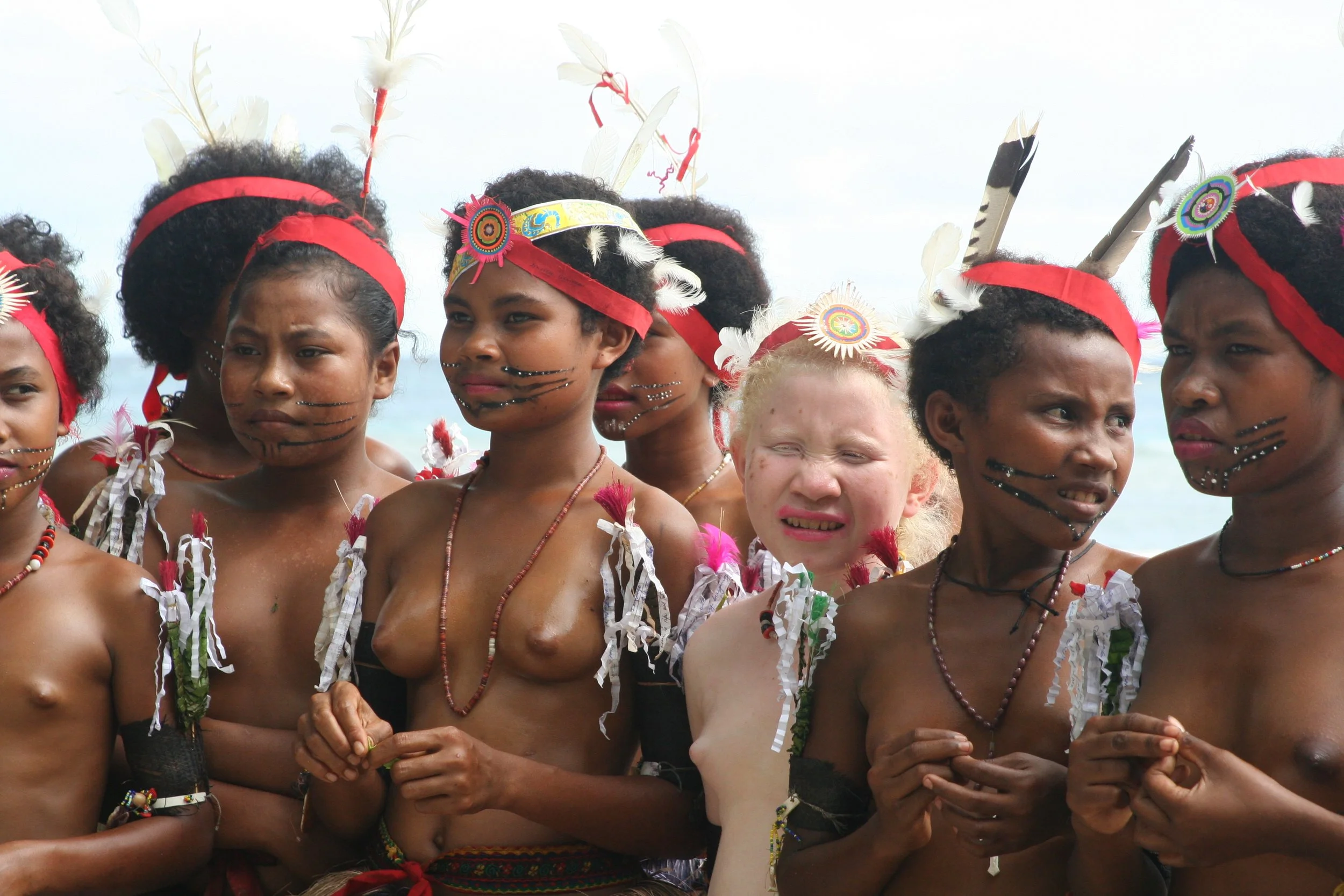
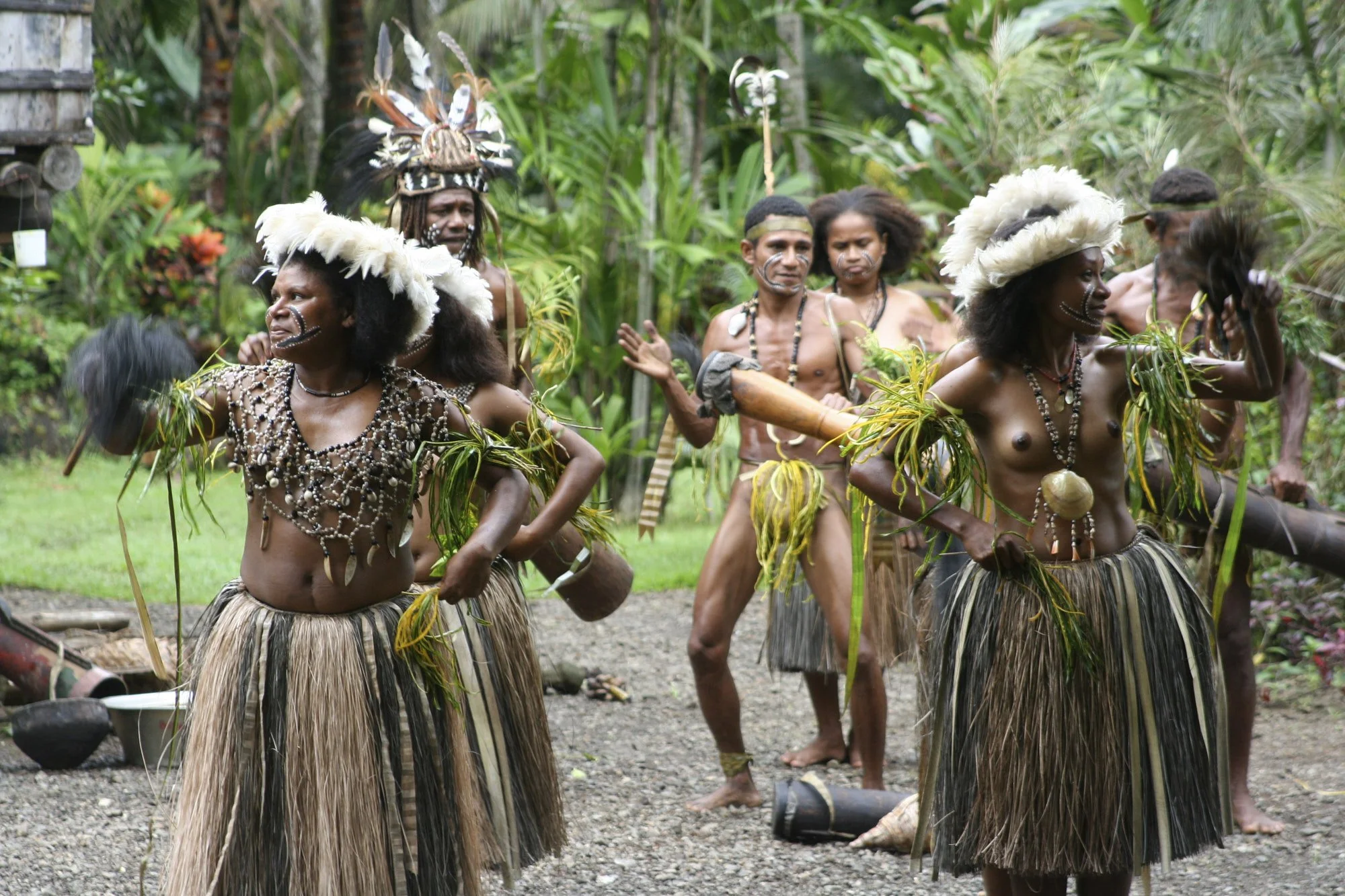
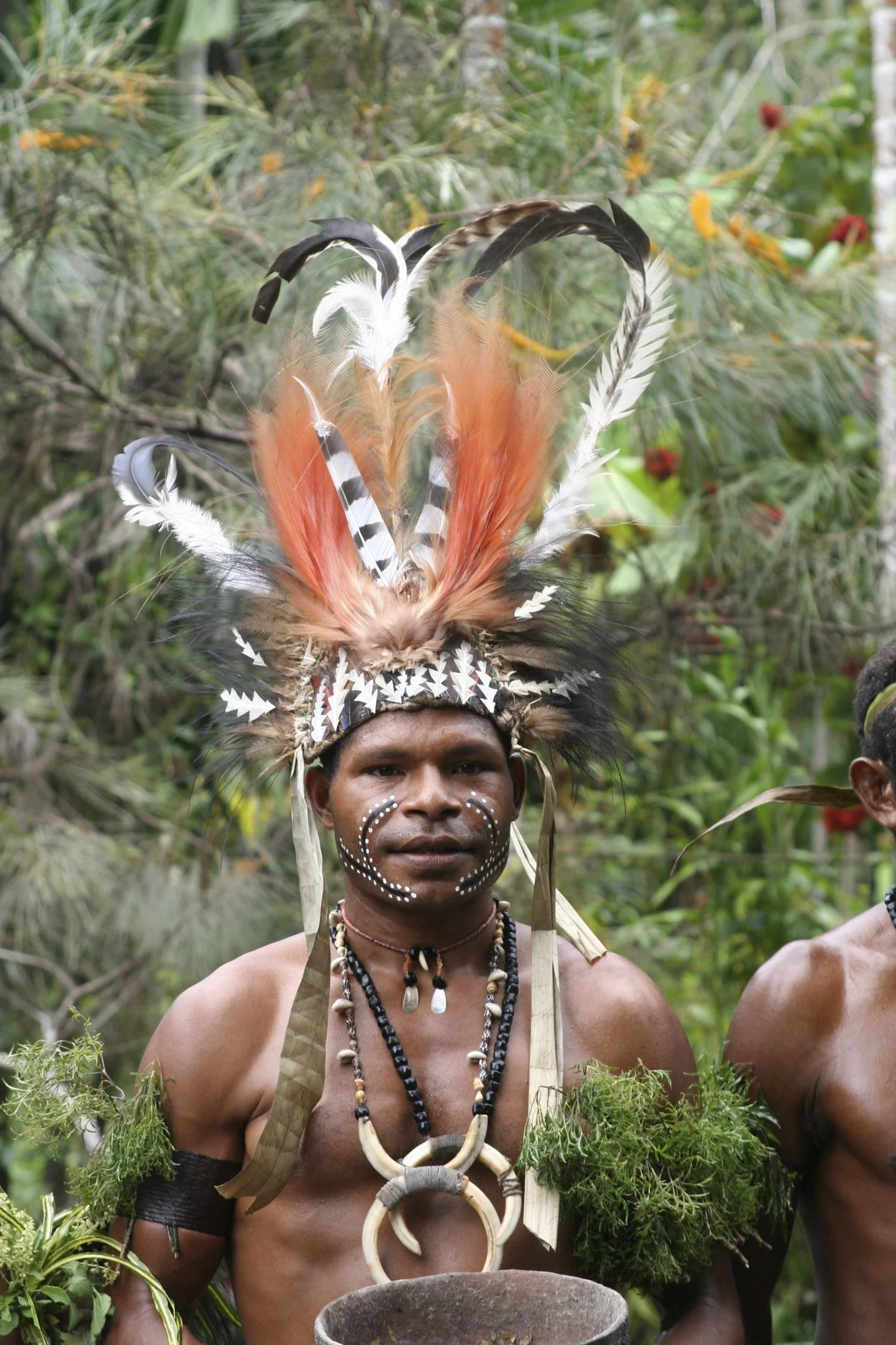
Over the years, my travels have taken me across Indonesia, from the western islands of the archipelago through Siberut, Java, Bali, Sulawesi, the Lesser Sundas, the Moluccas, and eastward into New Guinea—and beyond into the wider Pacific, including Papua New Guinea and Vanuatu. Asmat has almost always remained a destination along the way, but whenever possible I have tried to include other remote regions and communities as part of the journey.
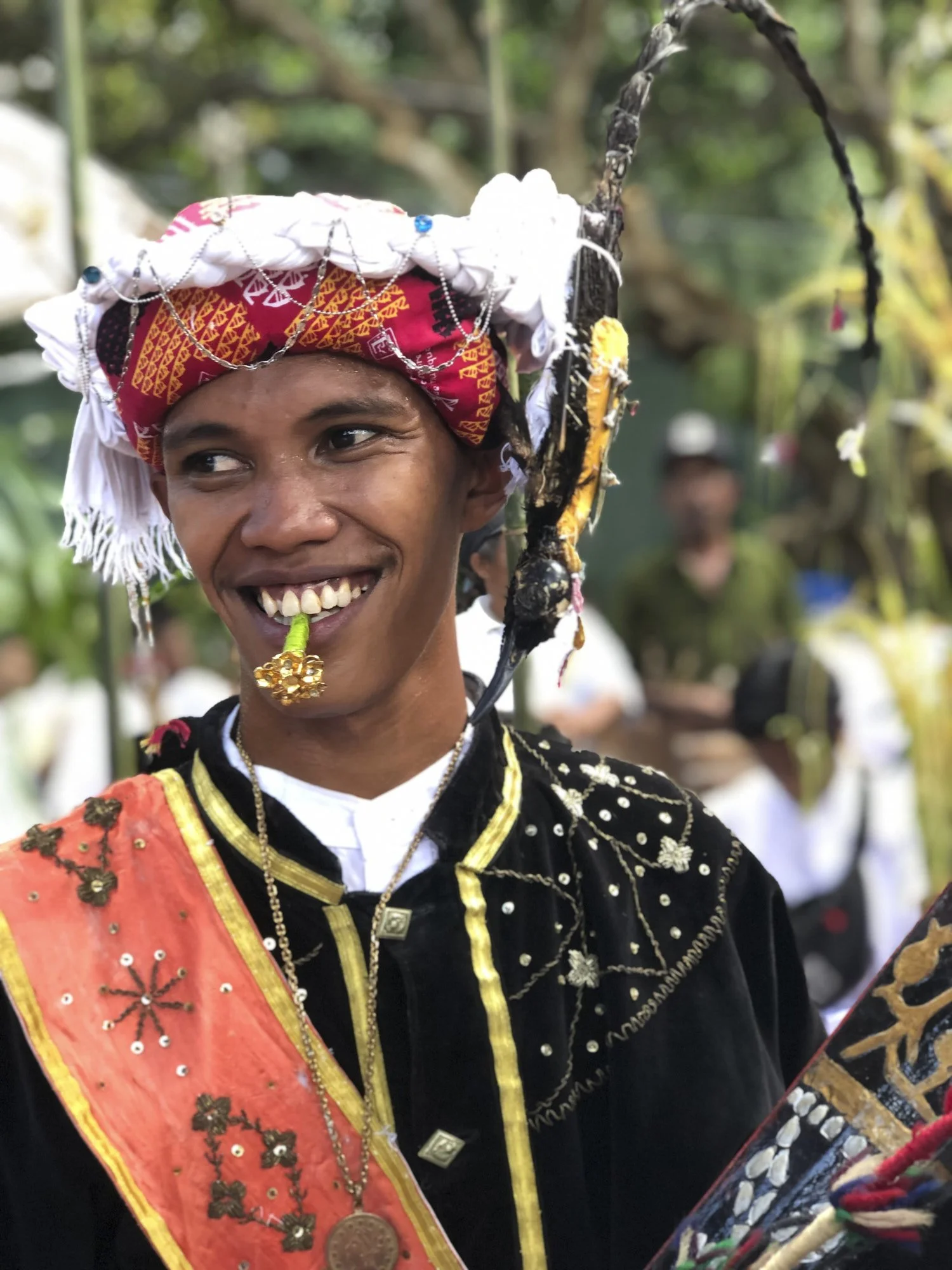
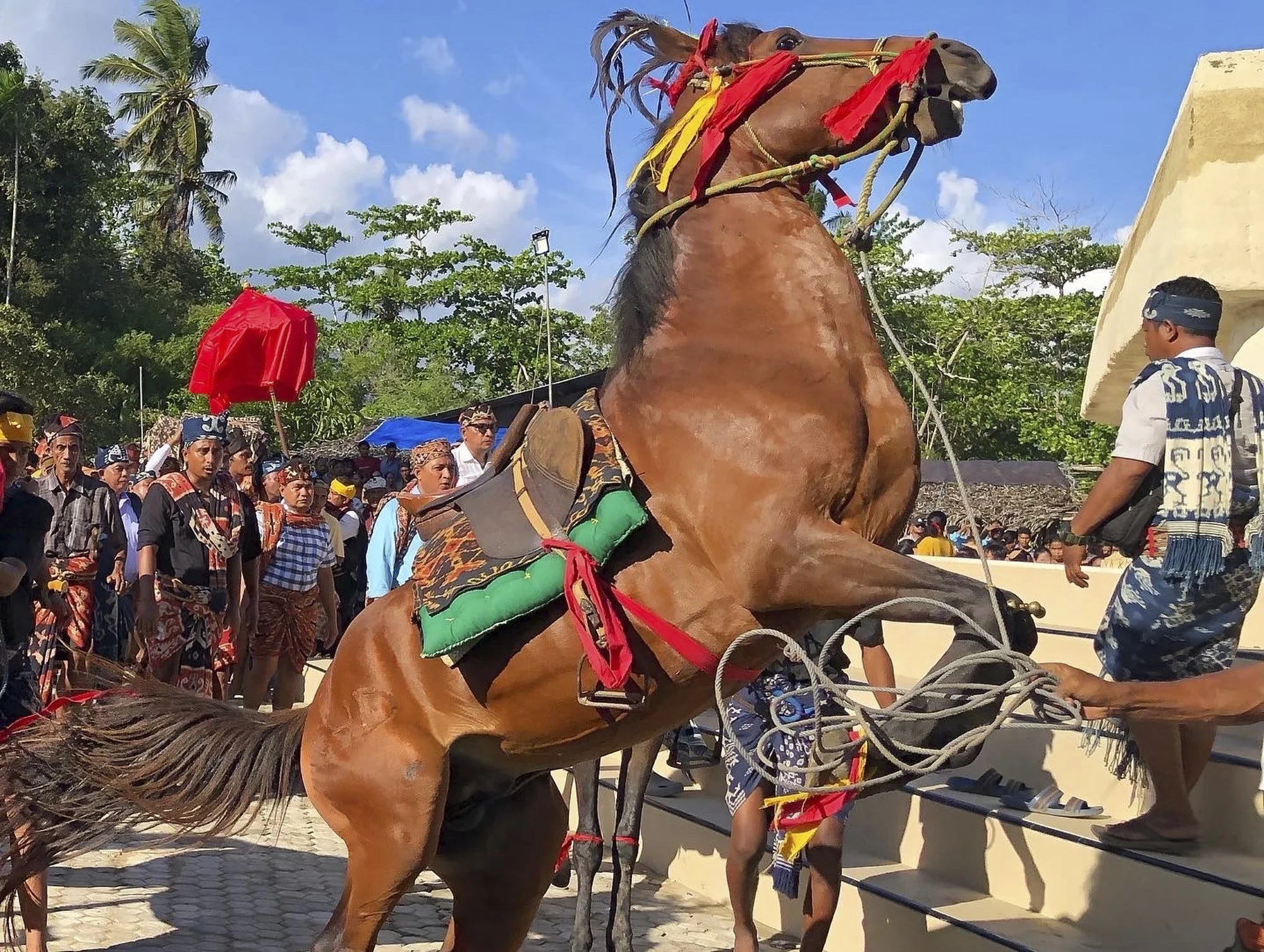
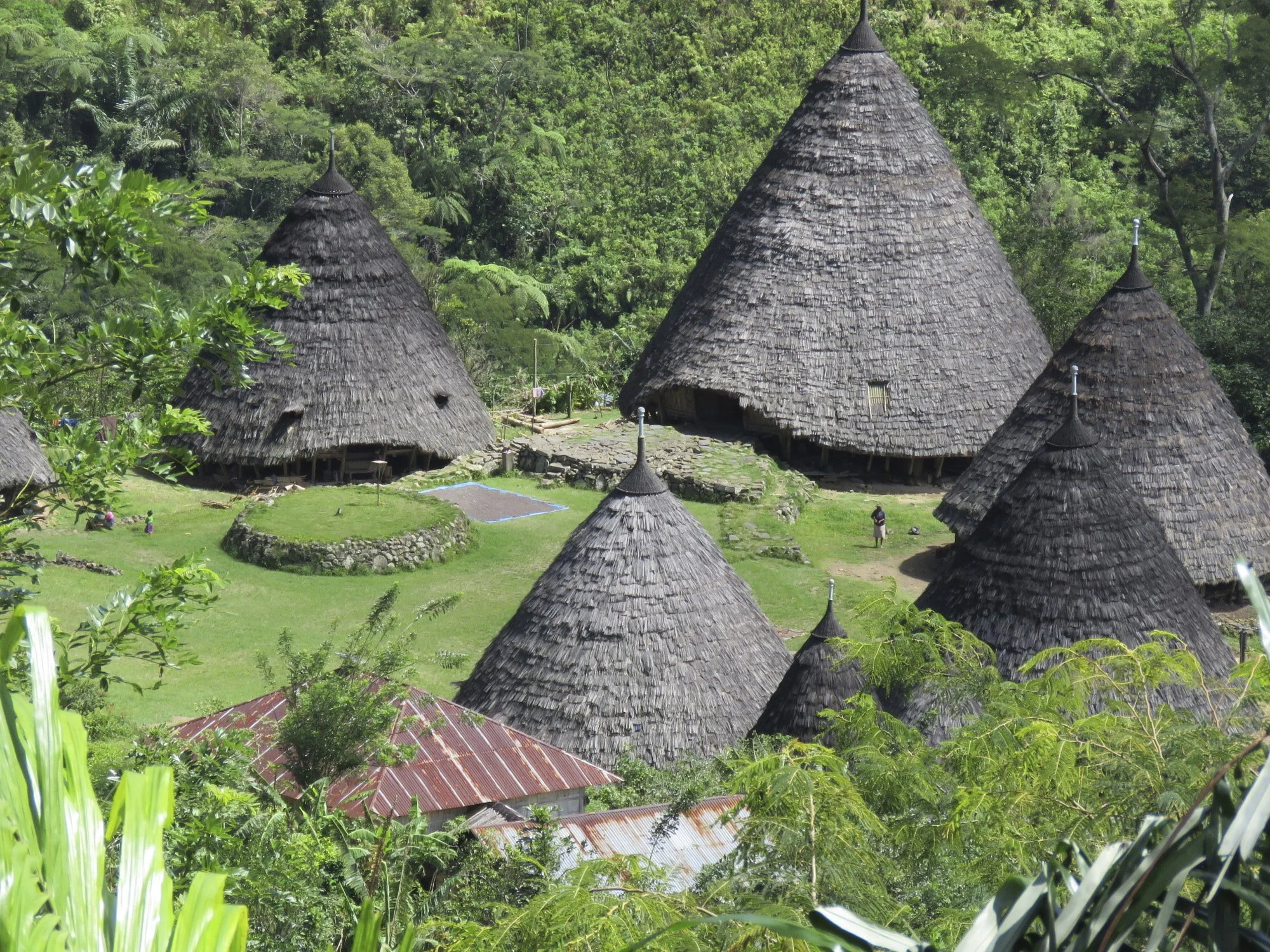
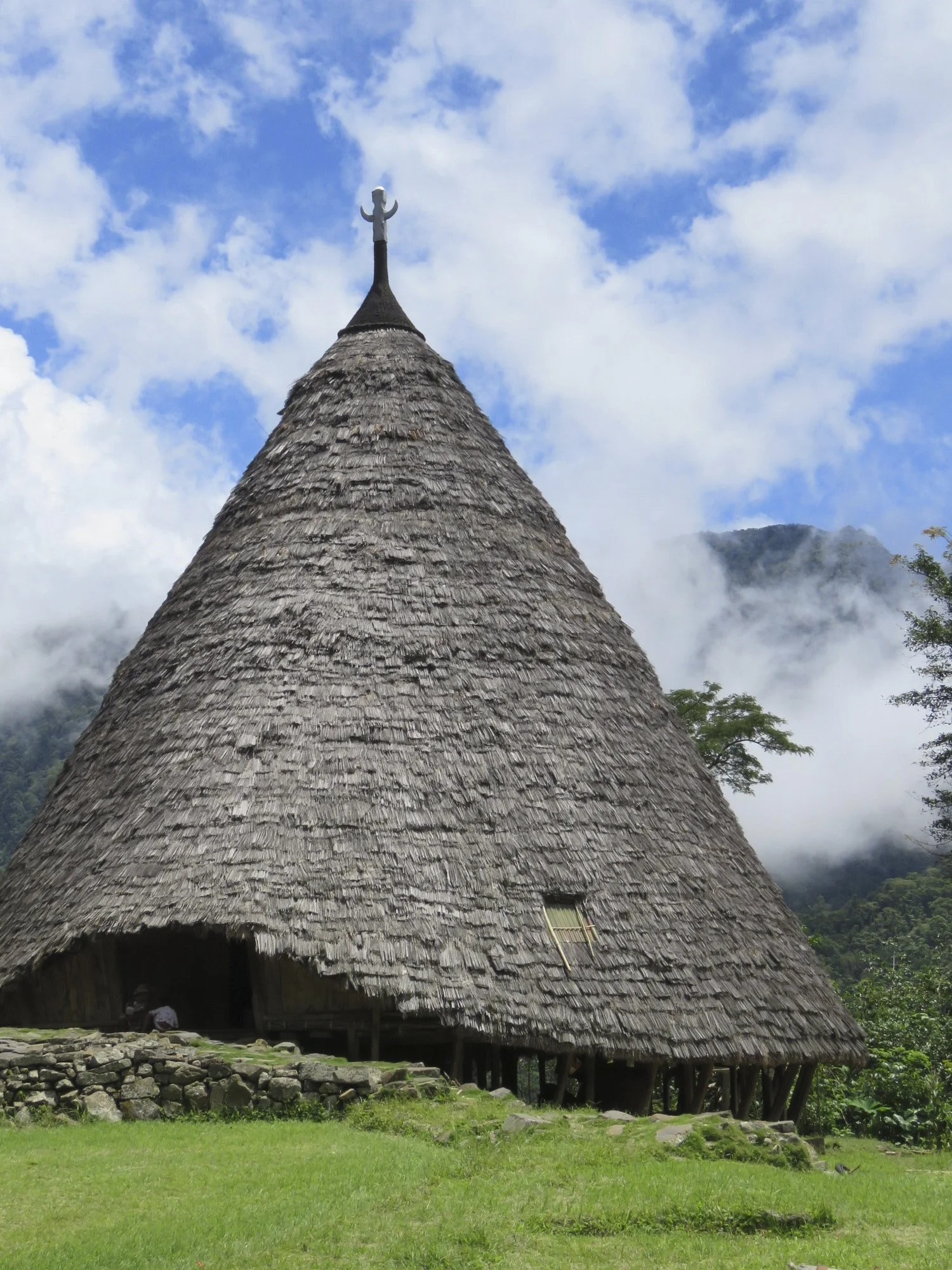
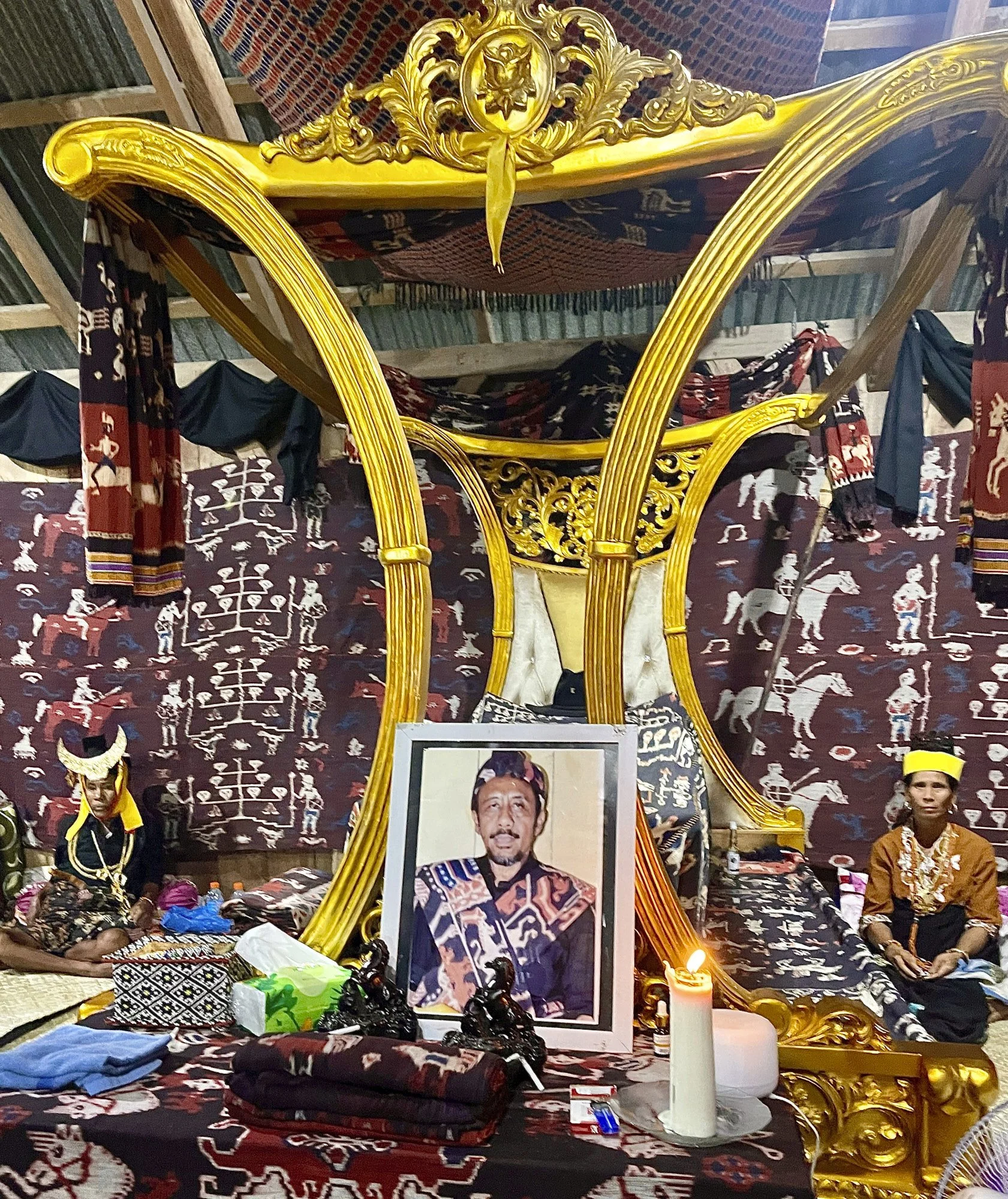
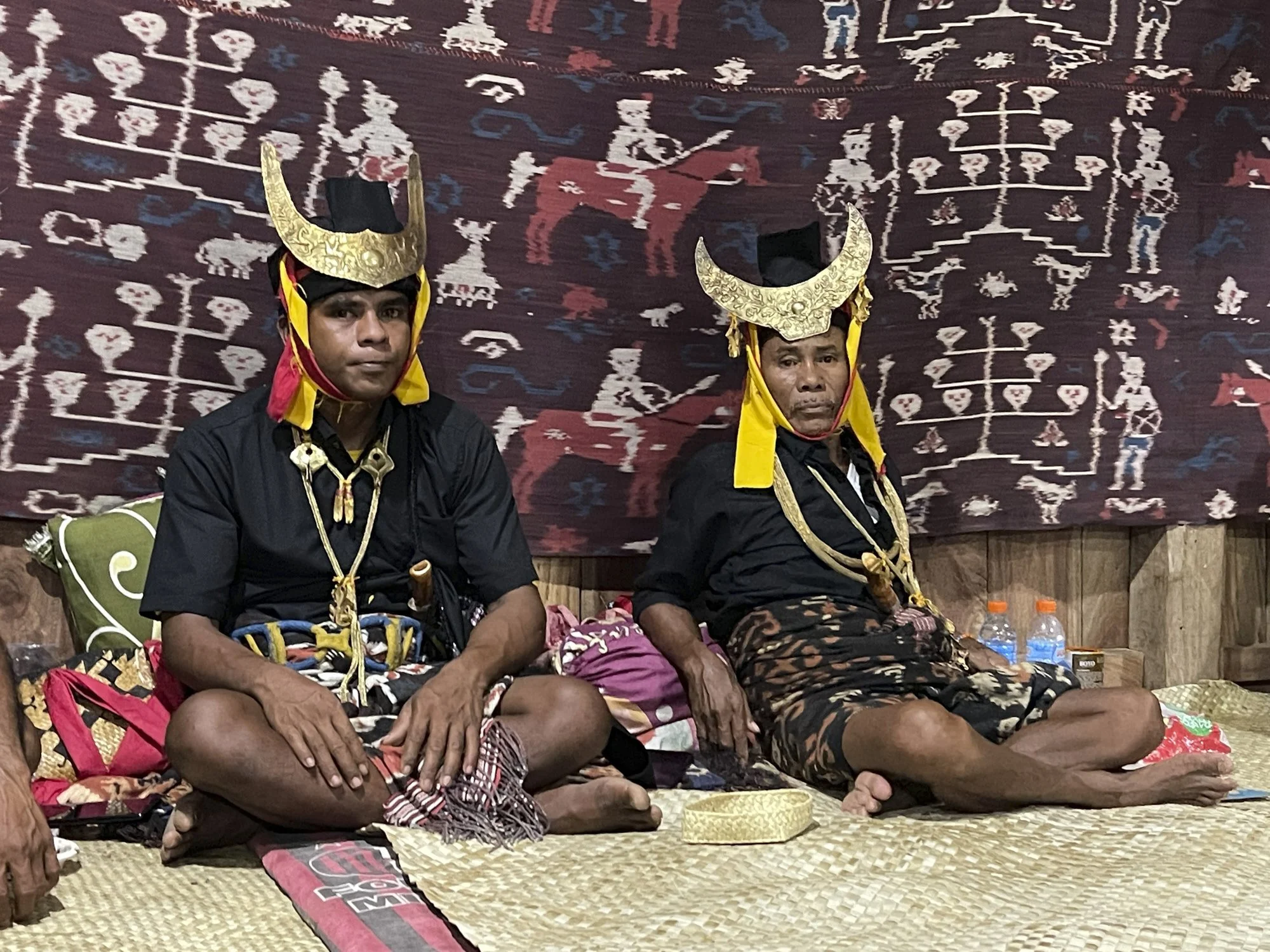
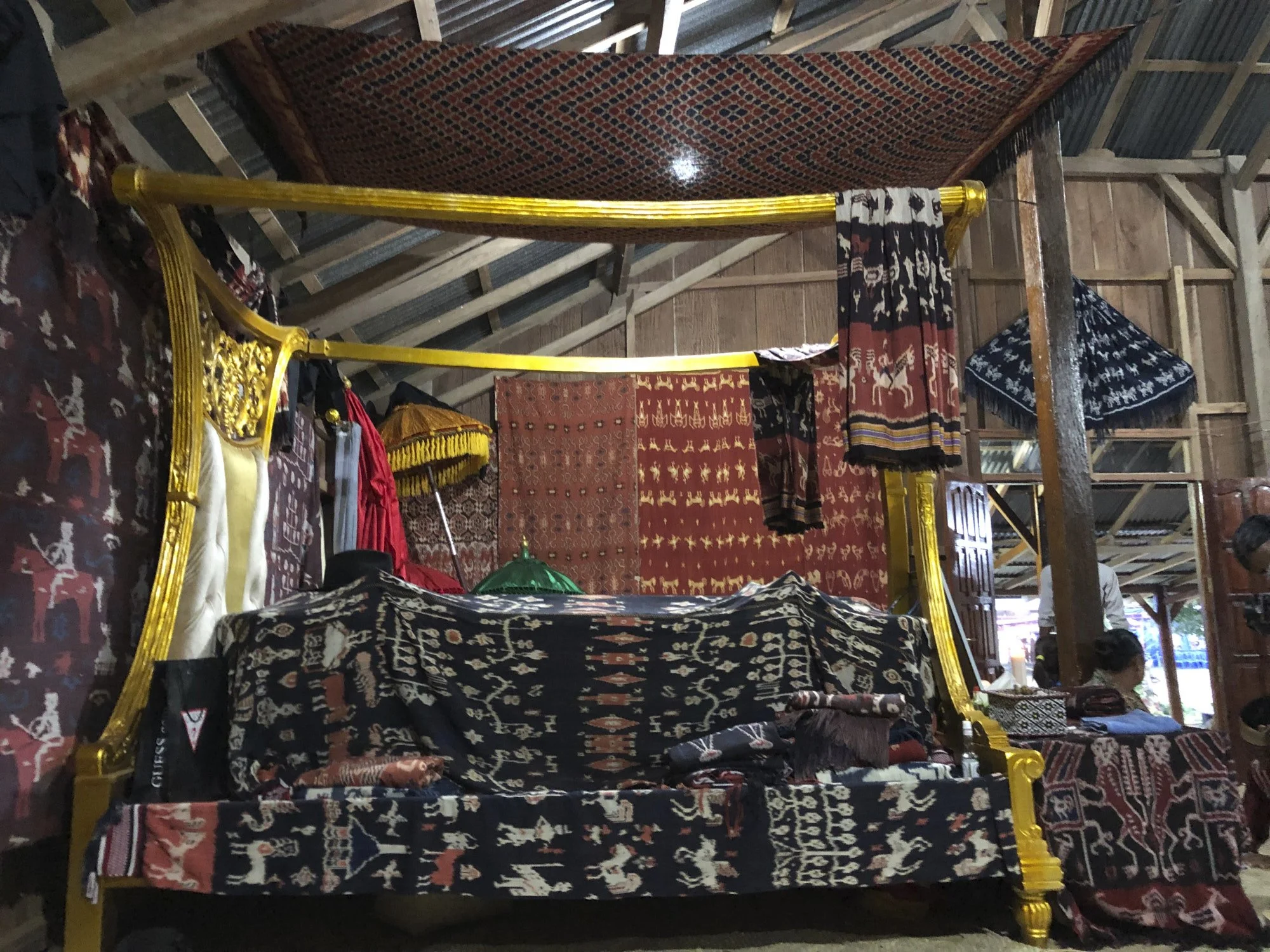
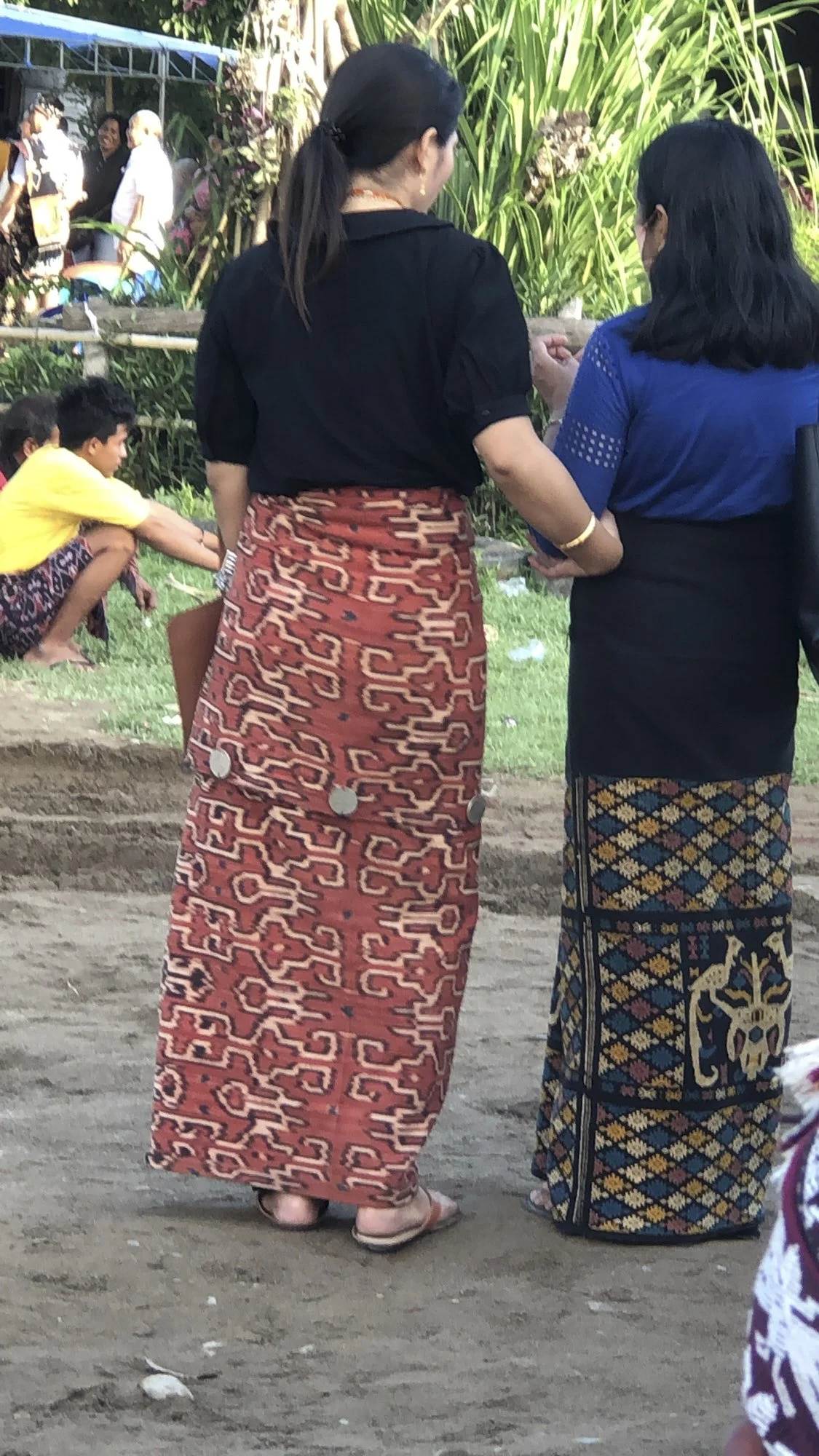
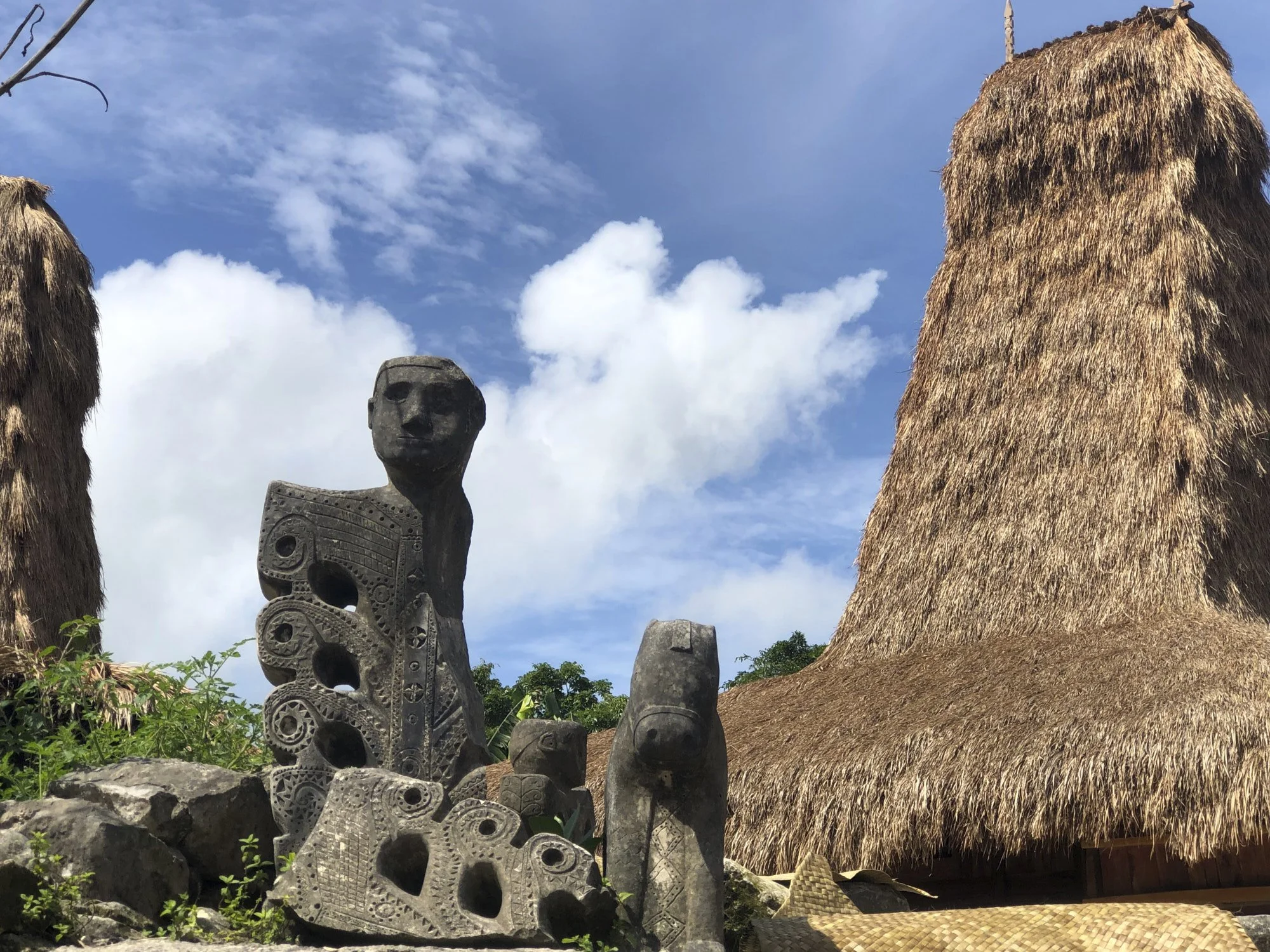
One of the most remarkable things about traveling east across the Indonesian archipelago is the change that occurs around the Wallace Line. On either side of this invisible boundary, the natural world changes dramatically. Asian flora and fauna increasingly give way to species associated with Australia and New Guinea. The human landscape is equally extraordinary. Moving eastward across the islands, languages, ancestral traditions, architecture, textiles, sculpture, and ceremonial practices change again and again, sometimes within surprisingly short distances.
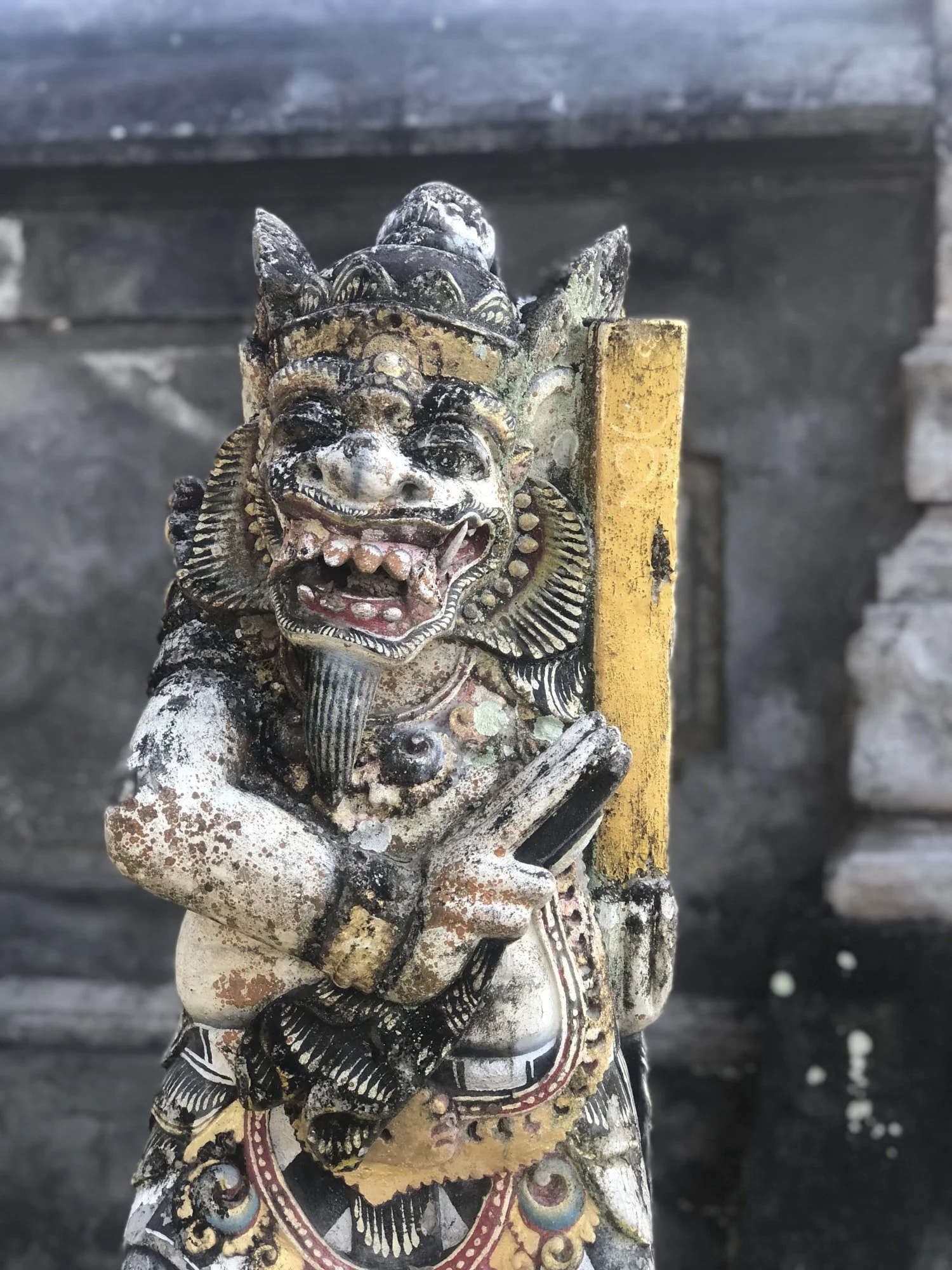
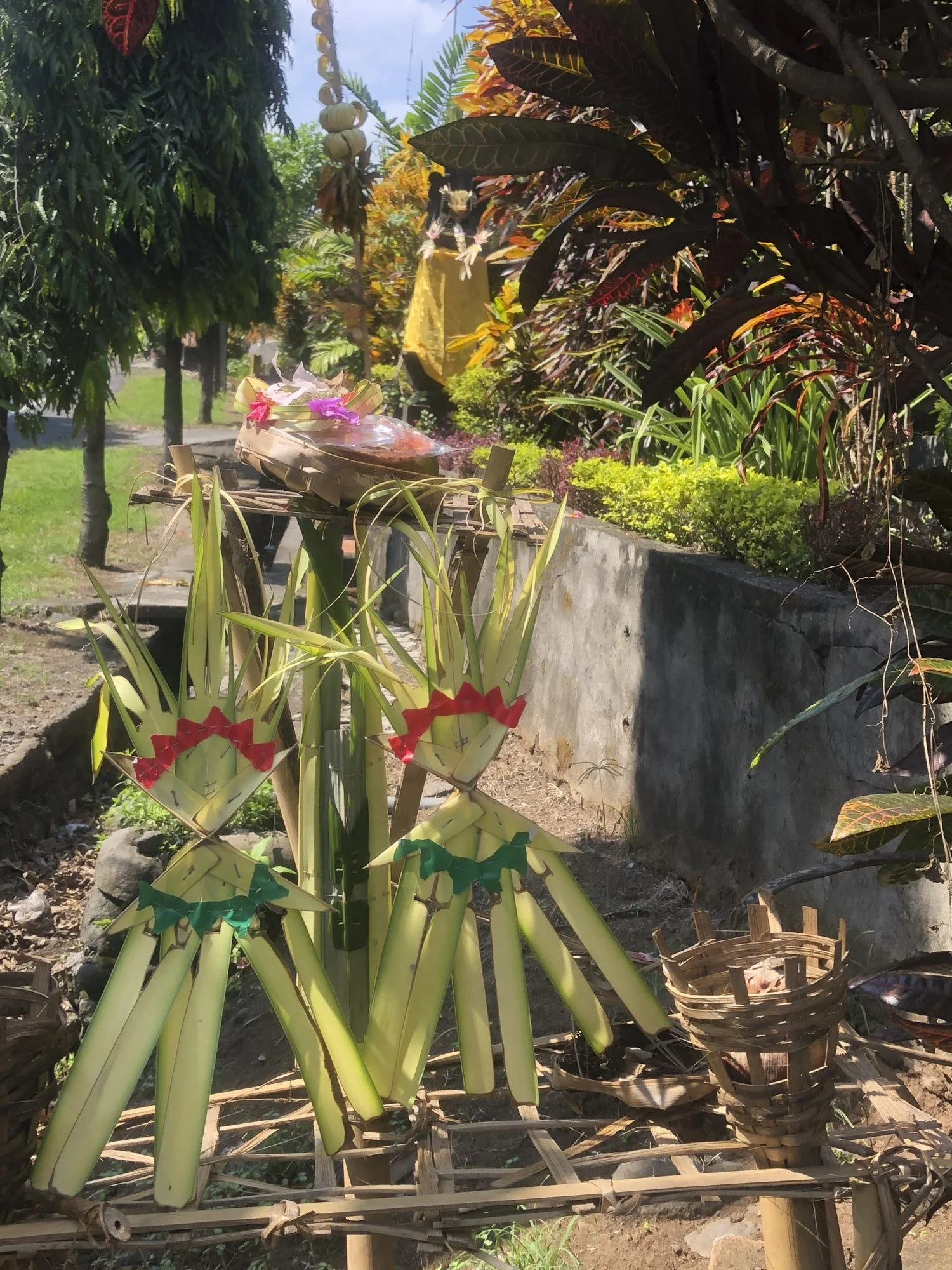
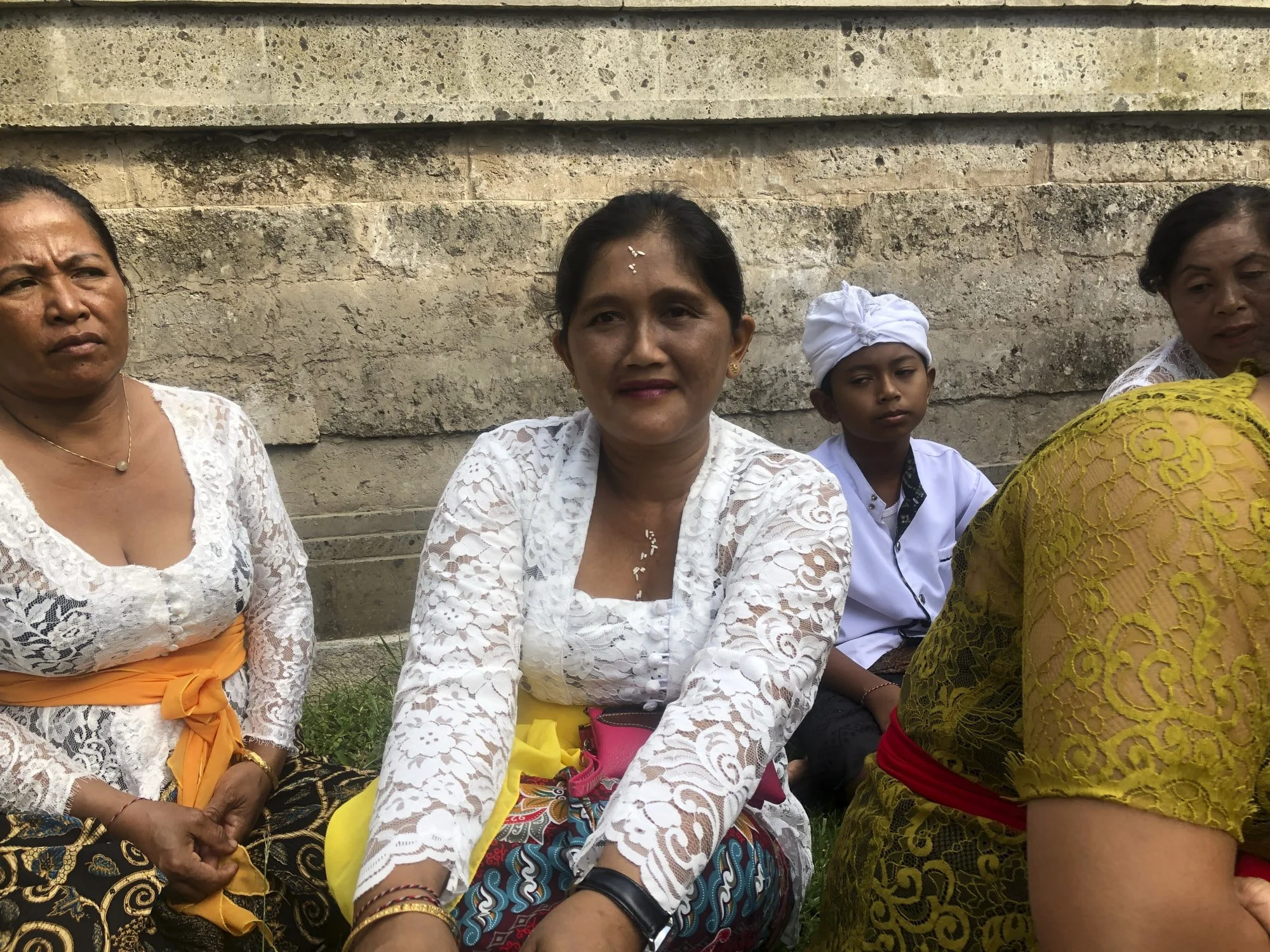
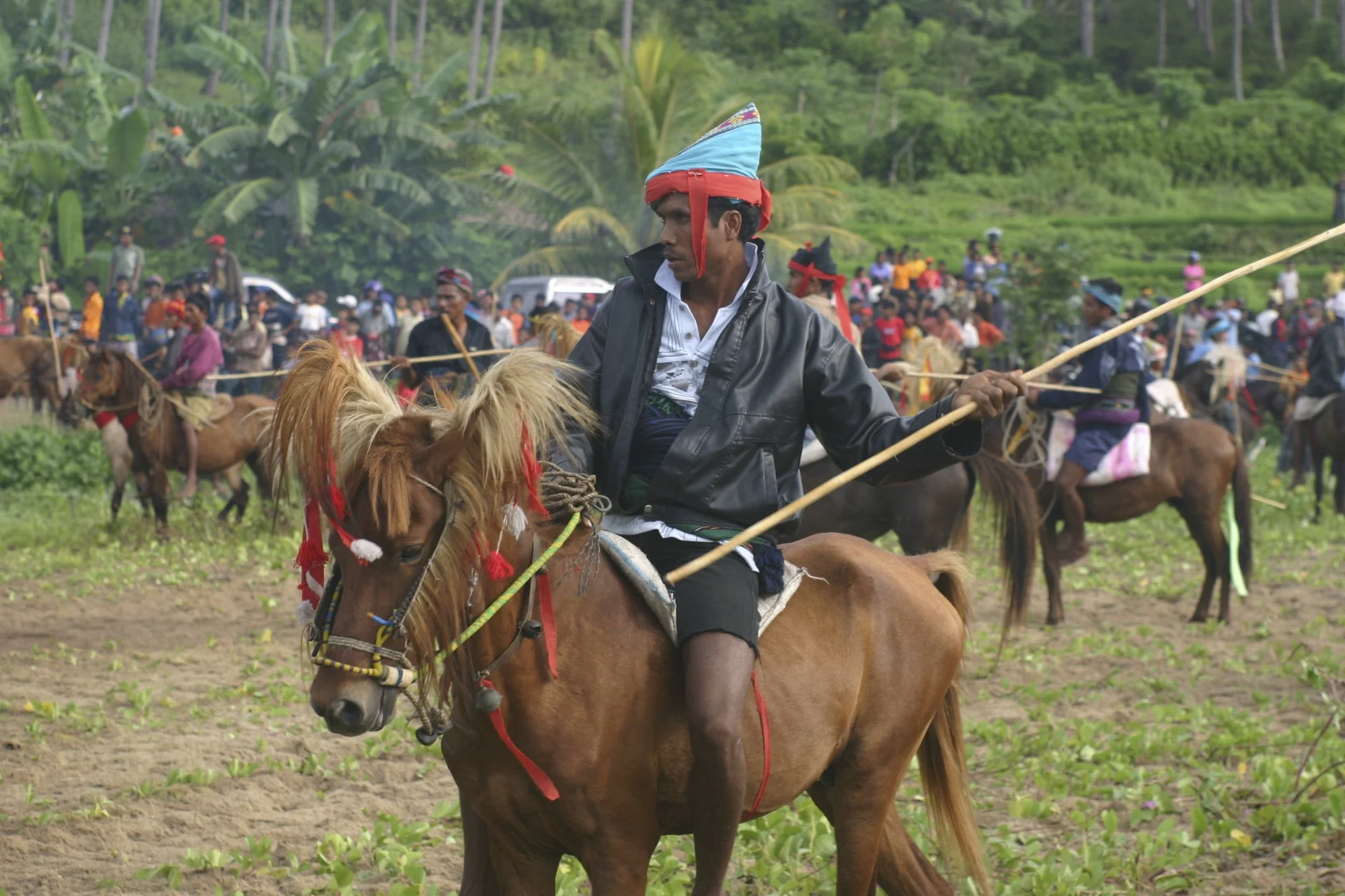
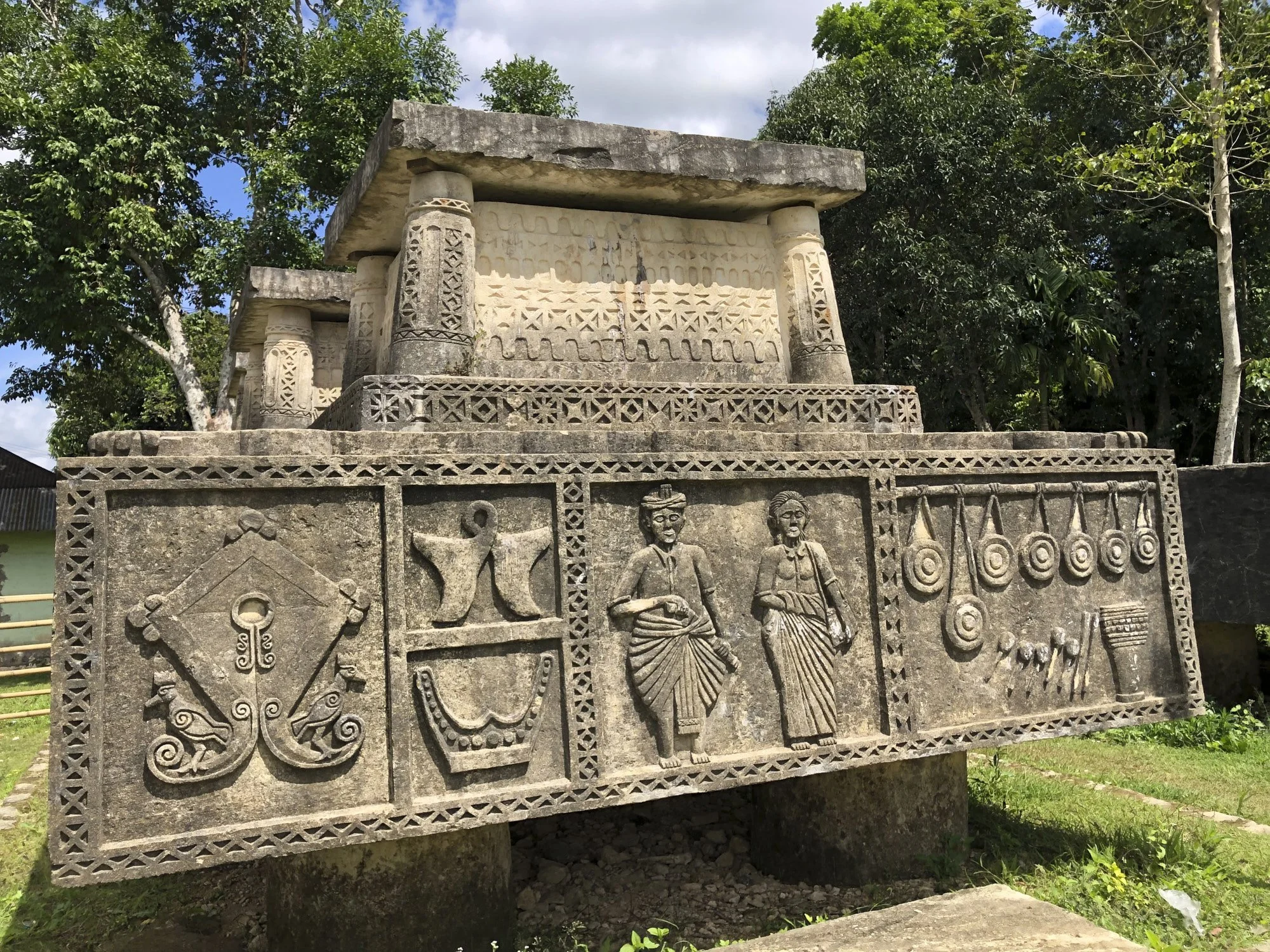
Few places in the world contain such diversity within one vast island world. Mountains, rainforests, volcanic islands, remote valleys, coastal villages, and small island communities have each developed their own languages, beliefs, ceremonies, textiles, sculpture, ritual objects, and artistic traditions.
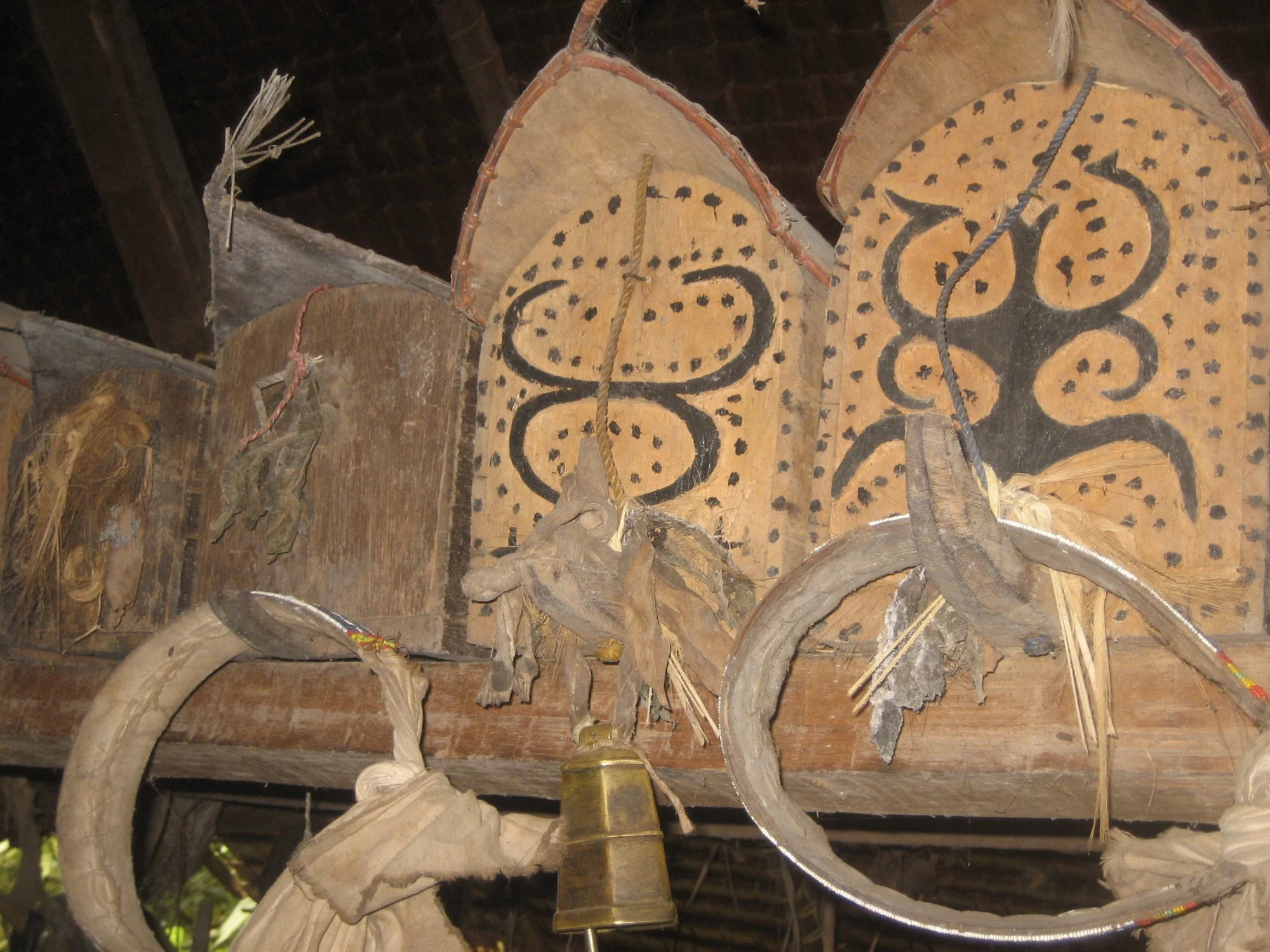
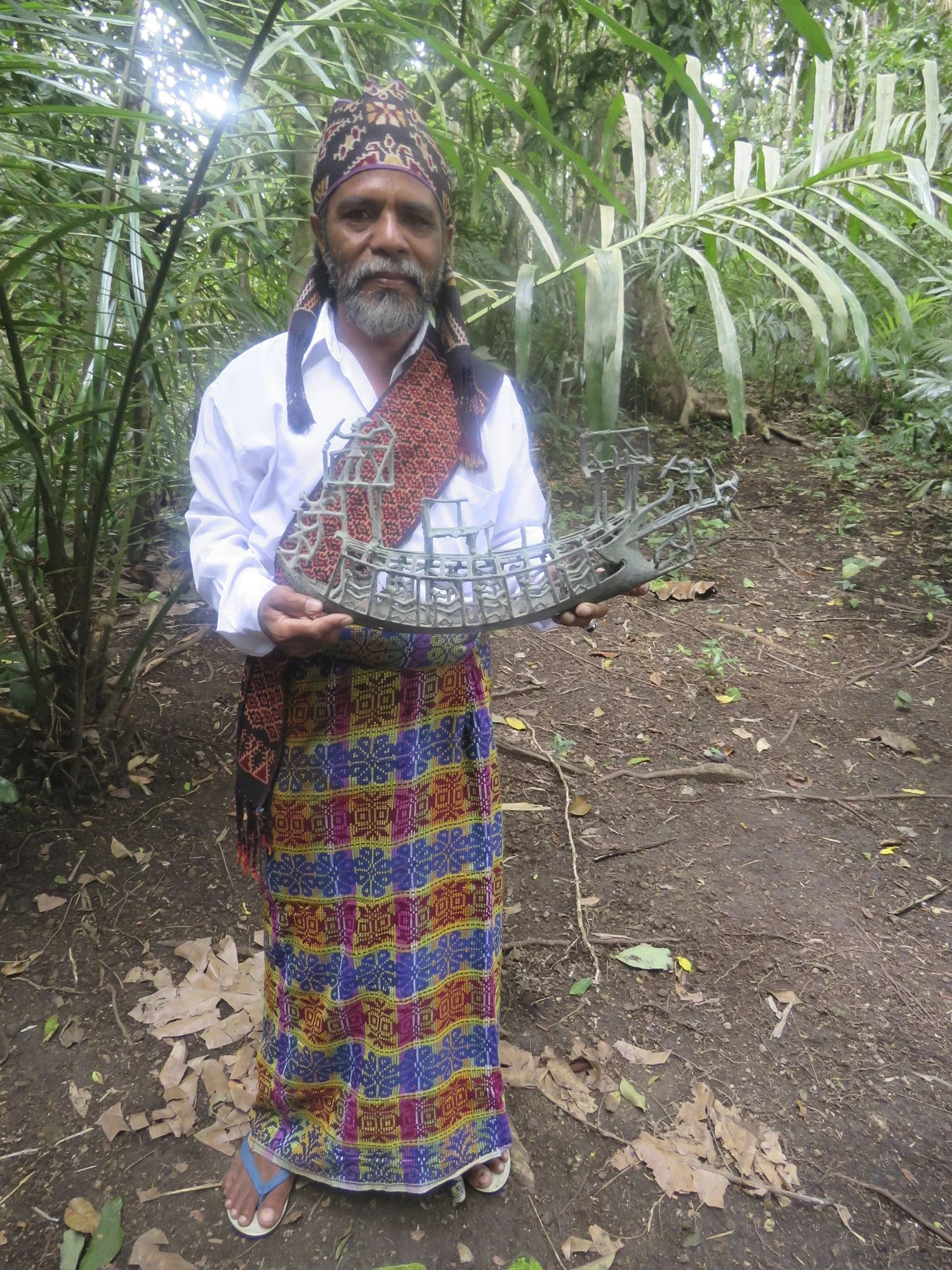
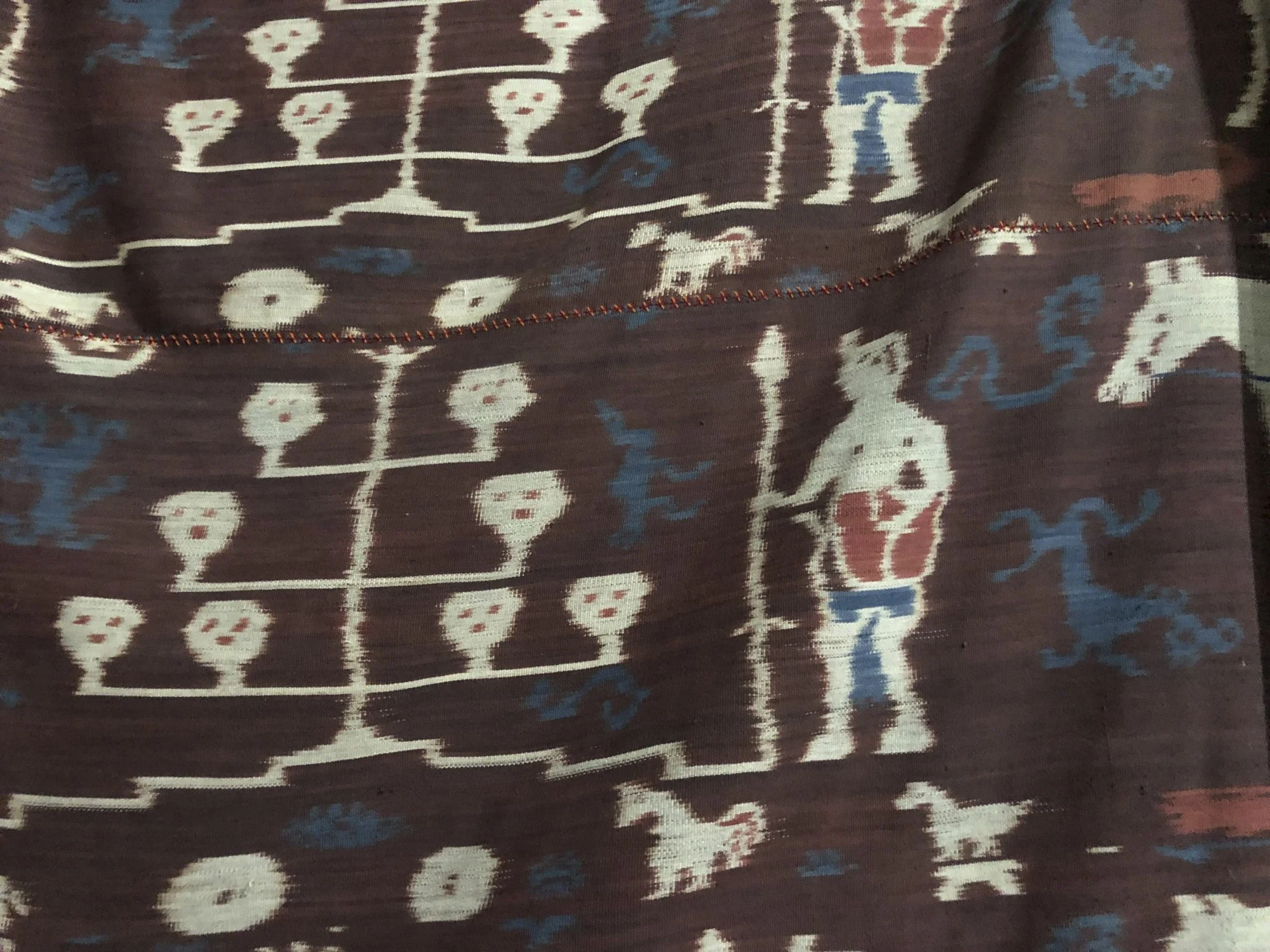
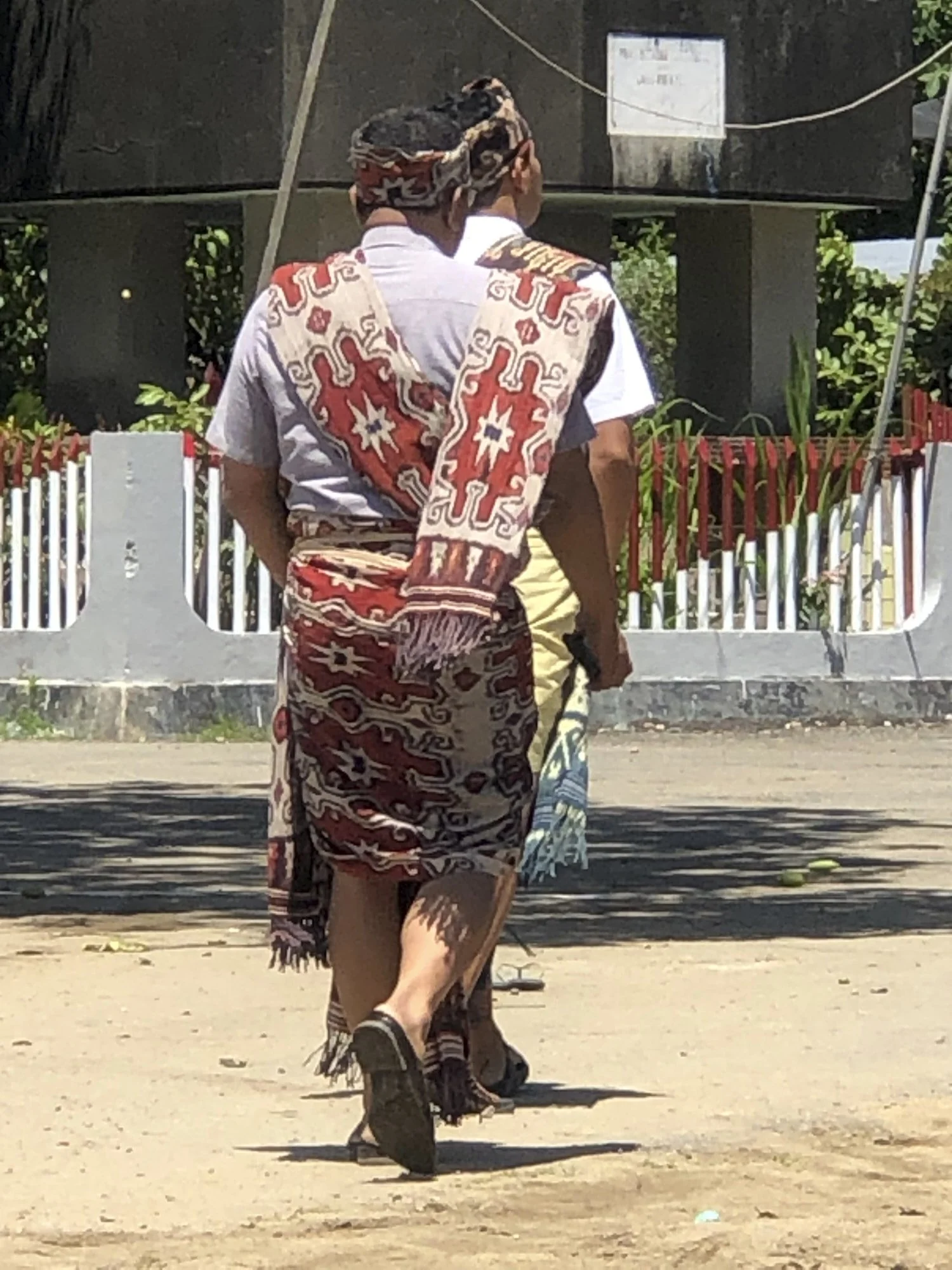
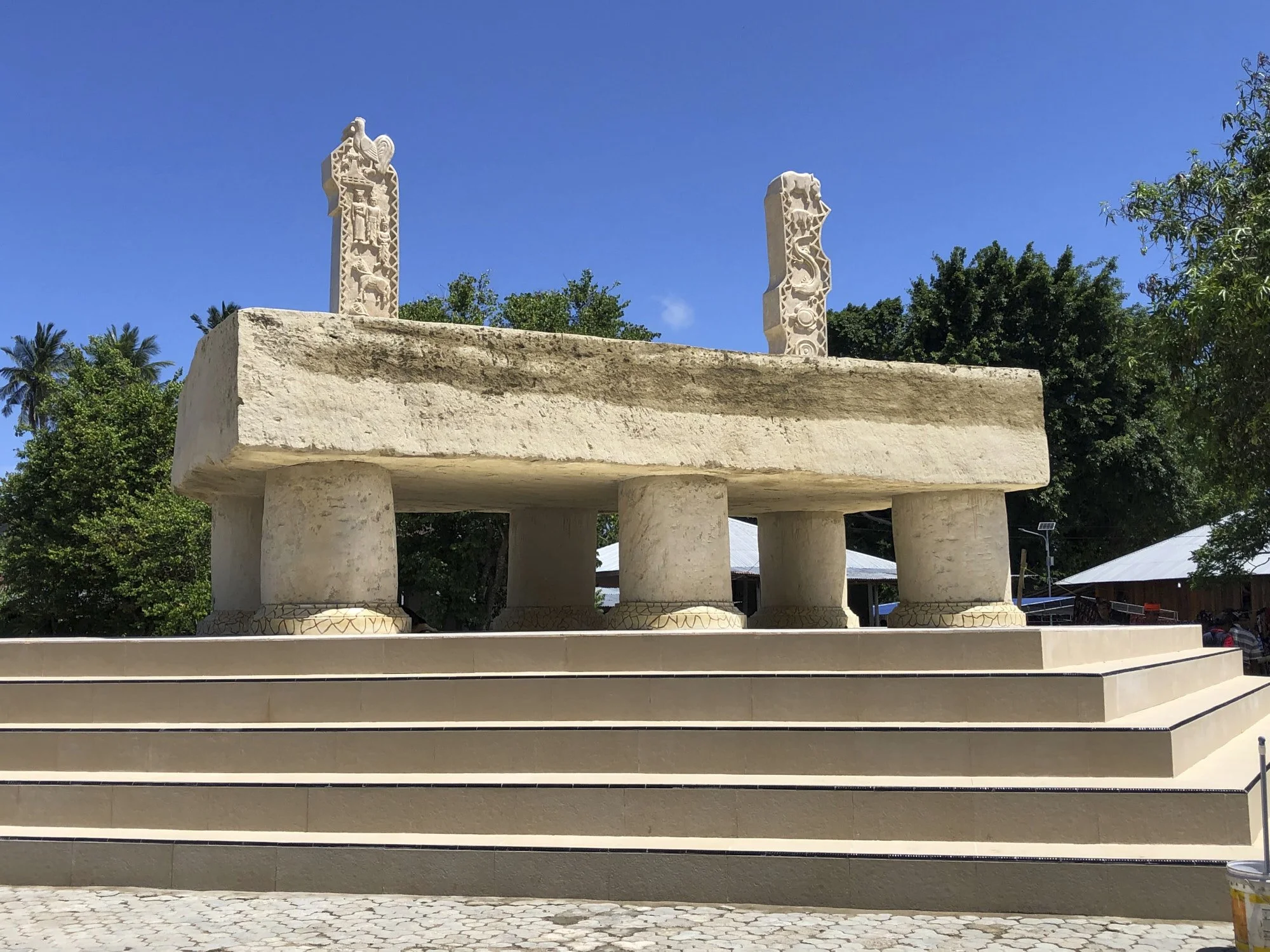
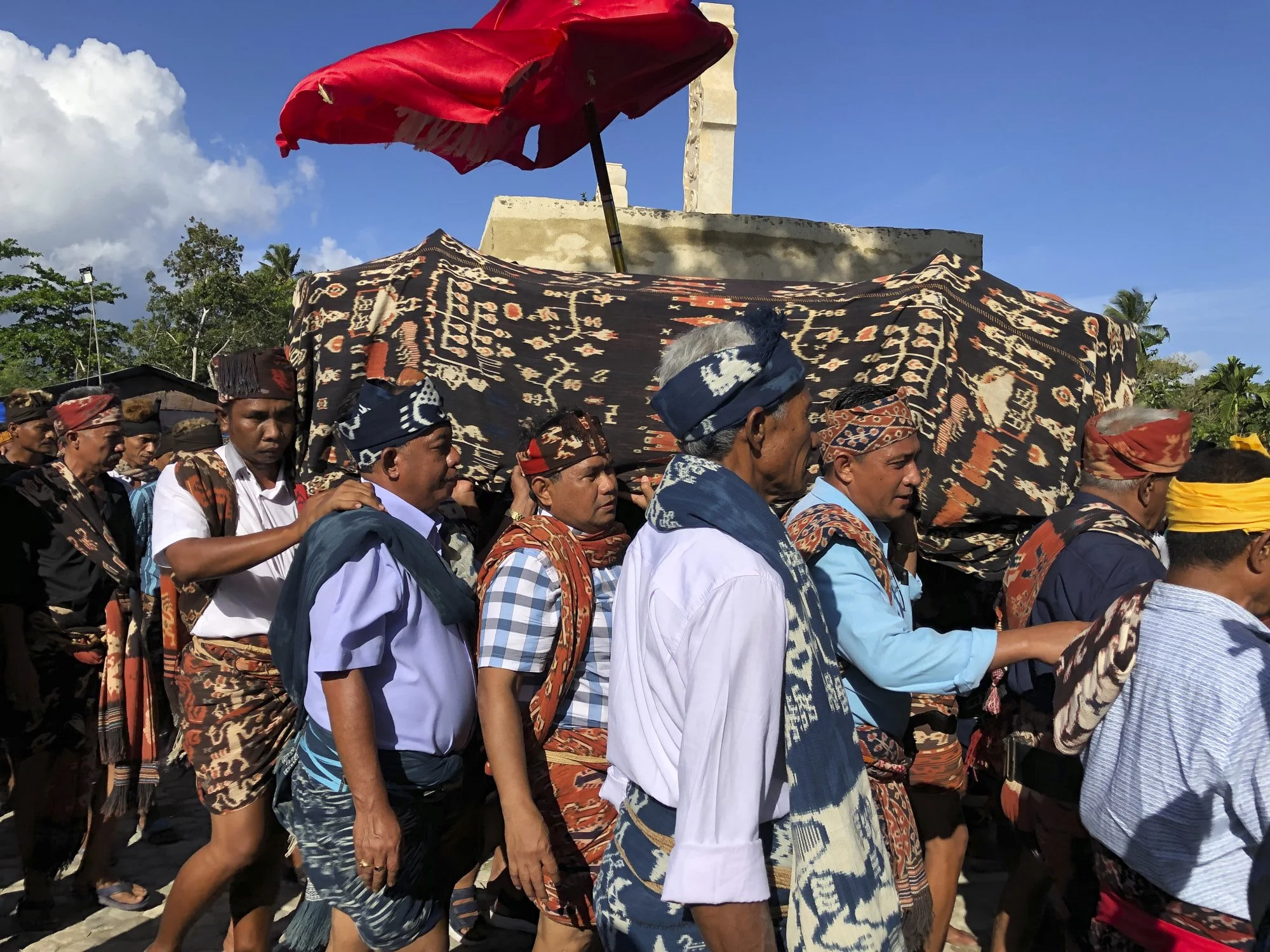
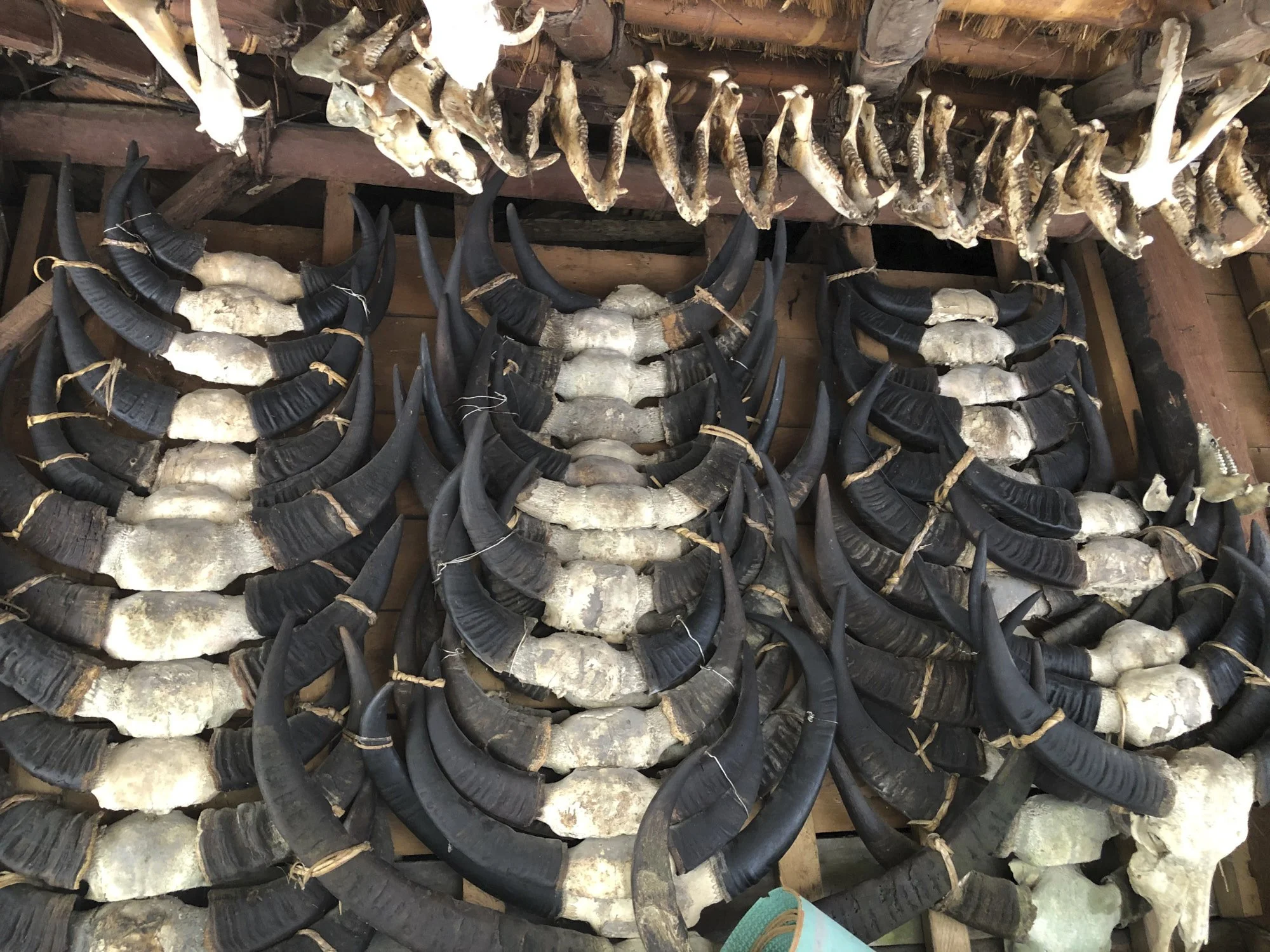
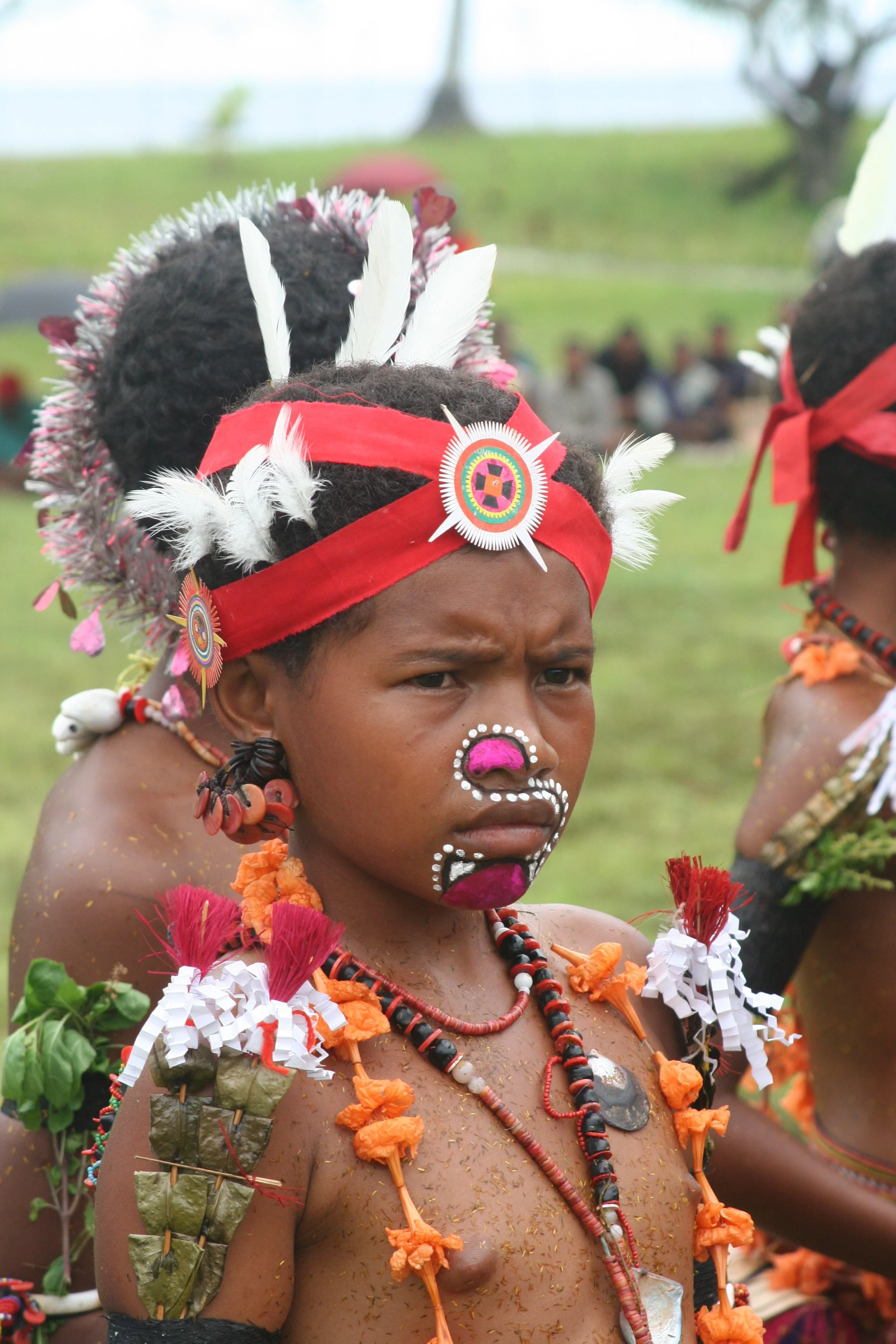
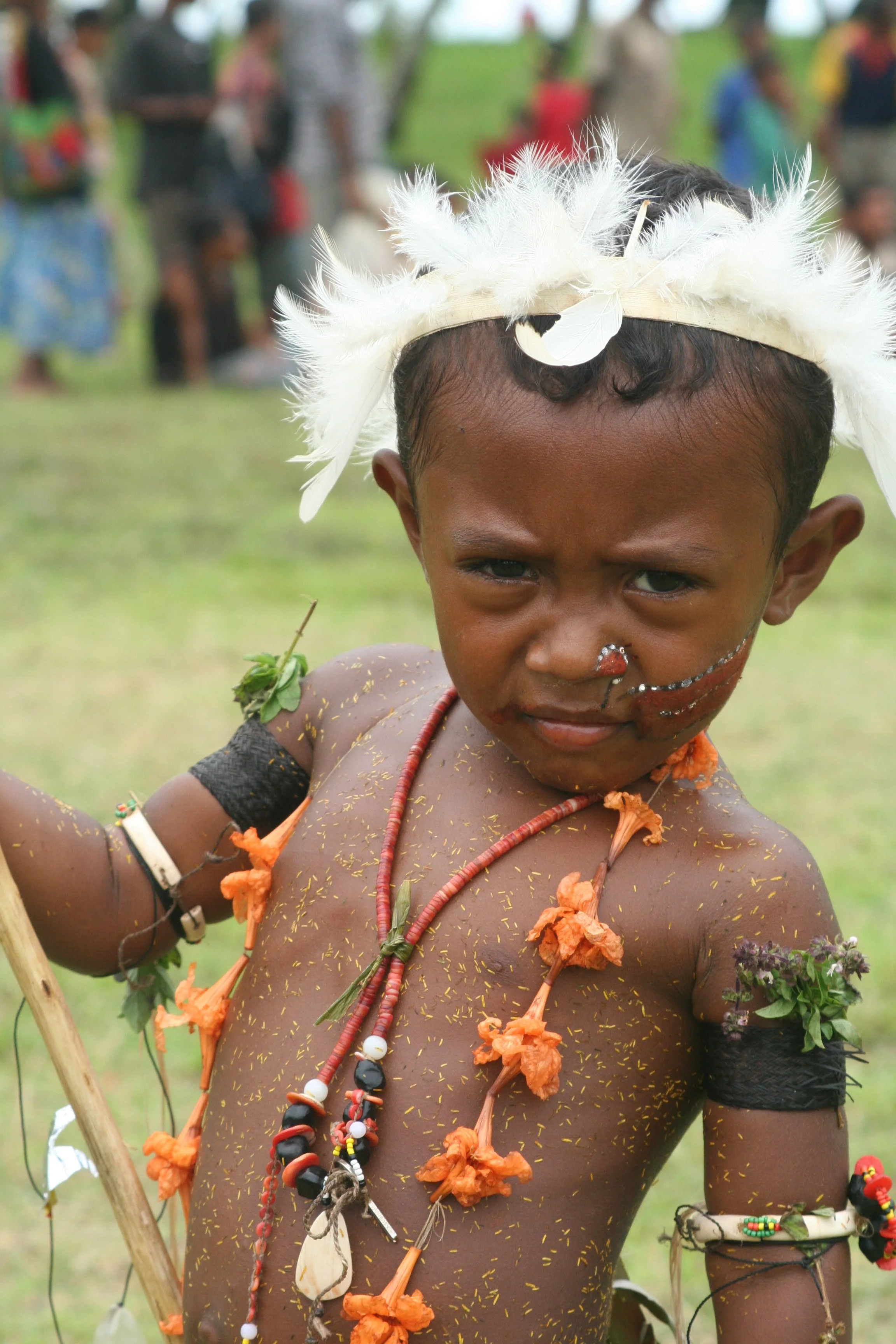
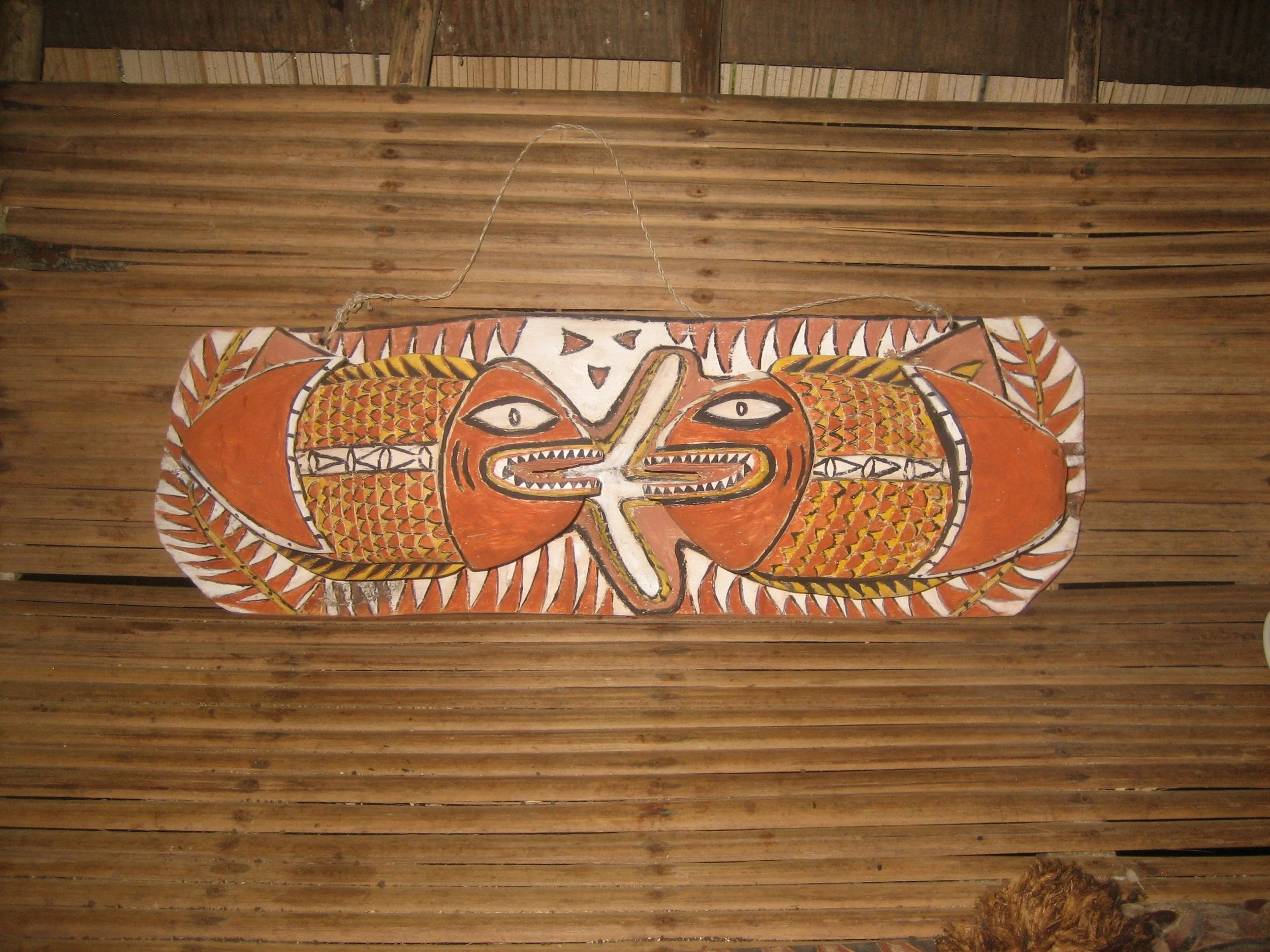
What connects these very different cultures is the importance of objects in everyday and ceremonial life. A carving, textile, mask, figure, vessel, or piece of adornment was rarely made simply to be decorative. These objects could mark identity and status, honor ancestors, protect a family or village, accompany ritual, celebrate fertility or harvest, or connect the living with the spirit world.
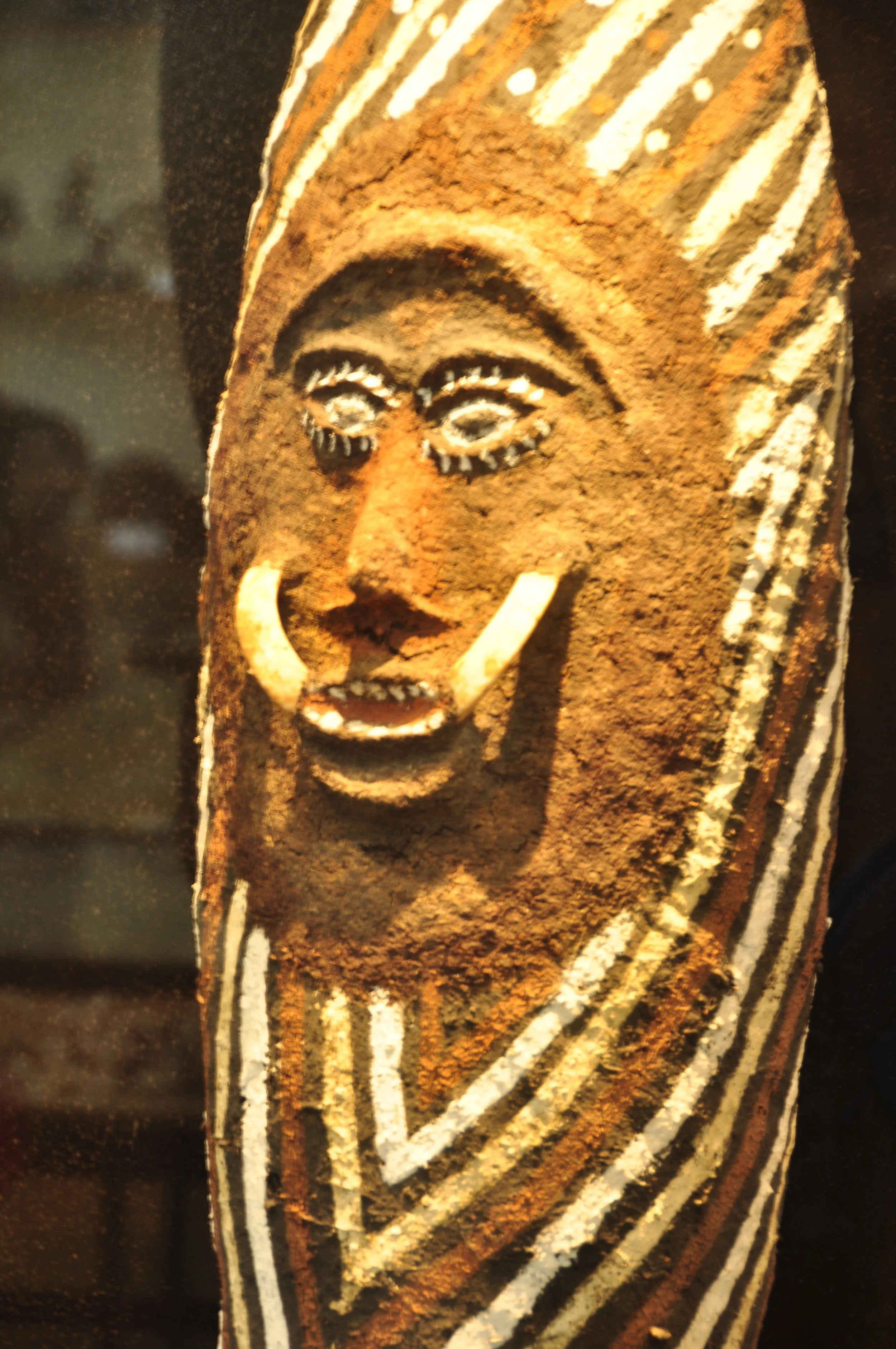
Beyond Asmat explores this wider world—from the western reaches of Indonesia across the archipelago to New Guinea and into Melanesia. The collection reflects both the remarkable differences between these cultures and the ideas that connect them: ancestry, community, ceremony, protection, identity, and the relationship between people and the unseen world.
For me, these objects are inseparable from the places and people who made them. Understanding where a piece came from, how it was used, and why it was created is what gives it meaning.