THE JOURNEY
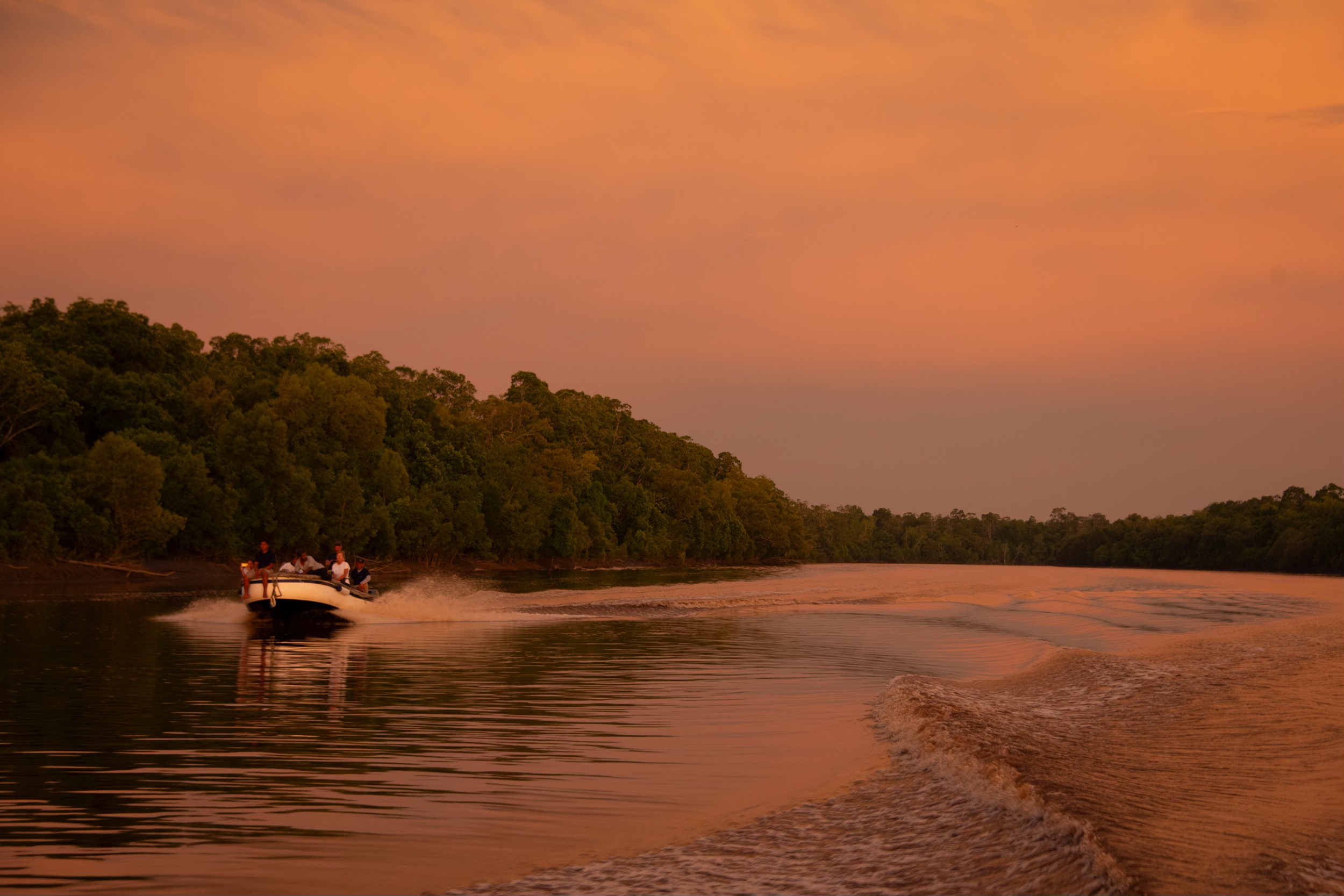
For more than 30 years I have traveled throughout Indonesia and Papua, returning several times a year to Asmat villages, where my journey began and lasting friendships have grown. Travelling throughout remote regions by dugout canoe, longboat, sail and on foot. I have returned time and again to places first visited decades ago. The journeys and friendships formed along the way have given me a deeper understanding of the people, their ceremonies, ancestral traditions, and the cultural meaning behind their art.
Everything in the collection was field collected. From the beginning, I kept detailed notes whenever possible — who made a piece, where it came from, why it was made, how it was used, and the stories or traditions connected to it. For me, that information has always been as important as the object itself.
When I first began traveling in Asmat, carvings made specifically for visitors could be found, but important ceremonial works were far more difficult to acquire. Many were large, deeply connected to village and ritual life, and not simply objects that could be bought and carried away. Finding them required time, trust, repeated visits and an understanding of their place within the community.
For the past 20 years, I have also led small art and cultural journeys through Asmat and across Indonesia. Traveling from island to island has given me an extraordinary view of the diversity of the archipelago — its languages, traditions, architecture, textiles, carving and ritual life.
I have also taken part in several Explorers Club expeditions in Papua, including journeys beyond Asmat into the Korowai, Kombai and neighboring regions, at a time when many communities there had had very little contact with the outside world.
For me, an object becomes far more meaningful when you understand where it came from, why it was made, how it was used, and the culture that gave it life.
Ndormon grew out of those years of travel, collecting, friendship and discovery.