Art and culture of
ASMAT
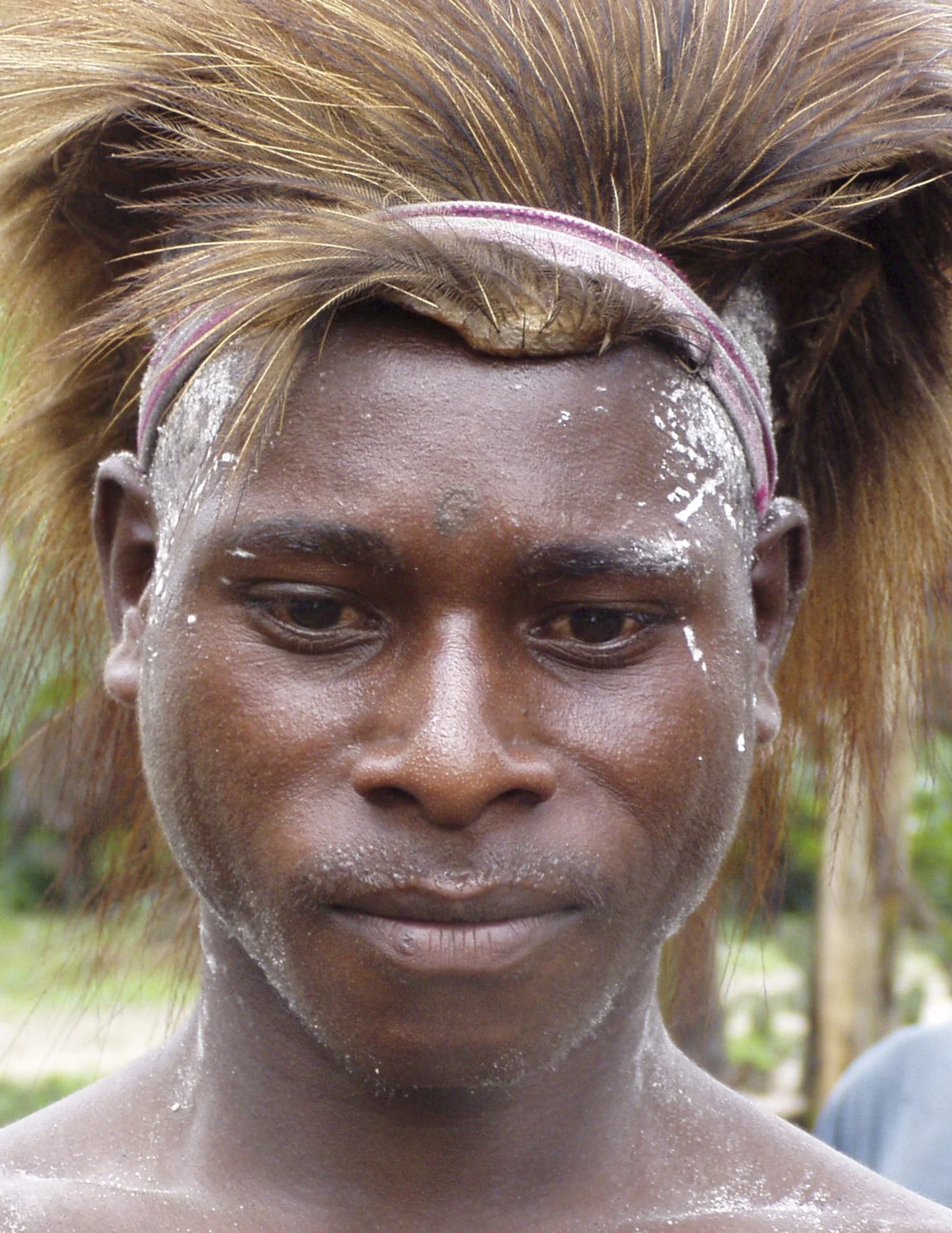
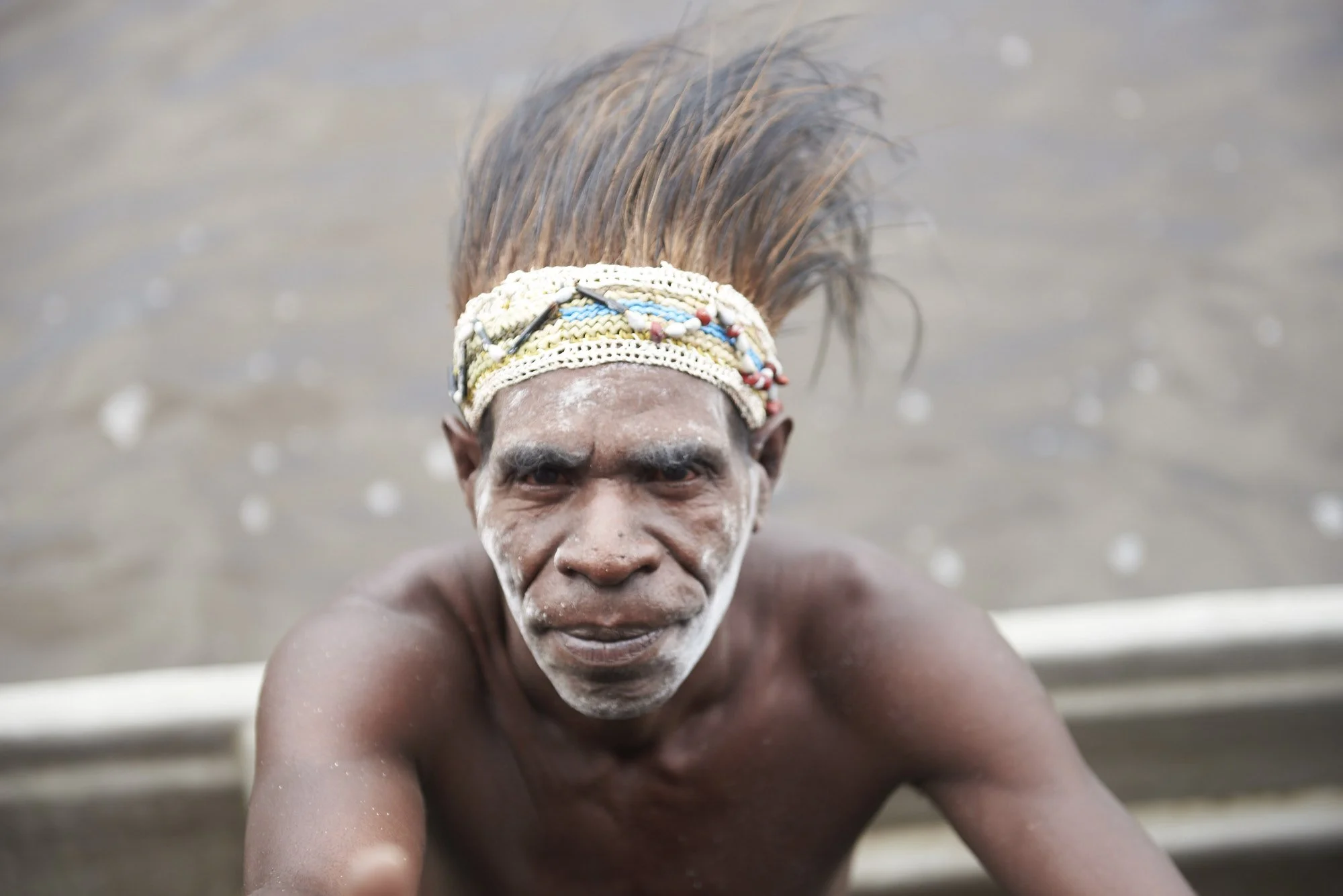
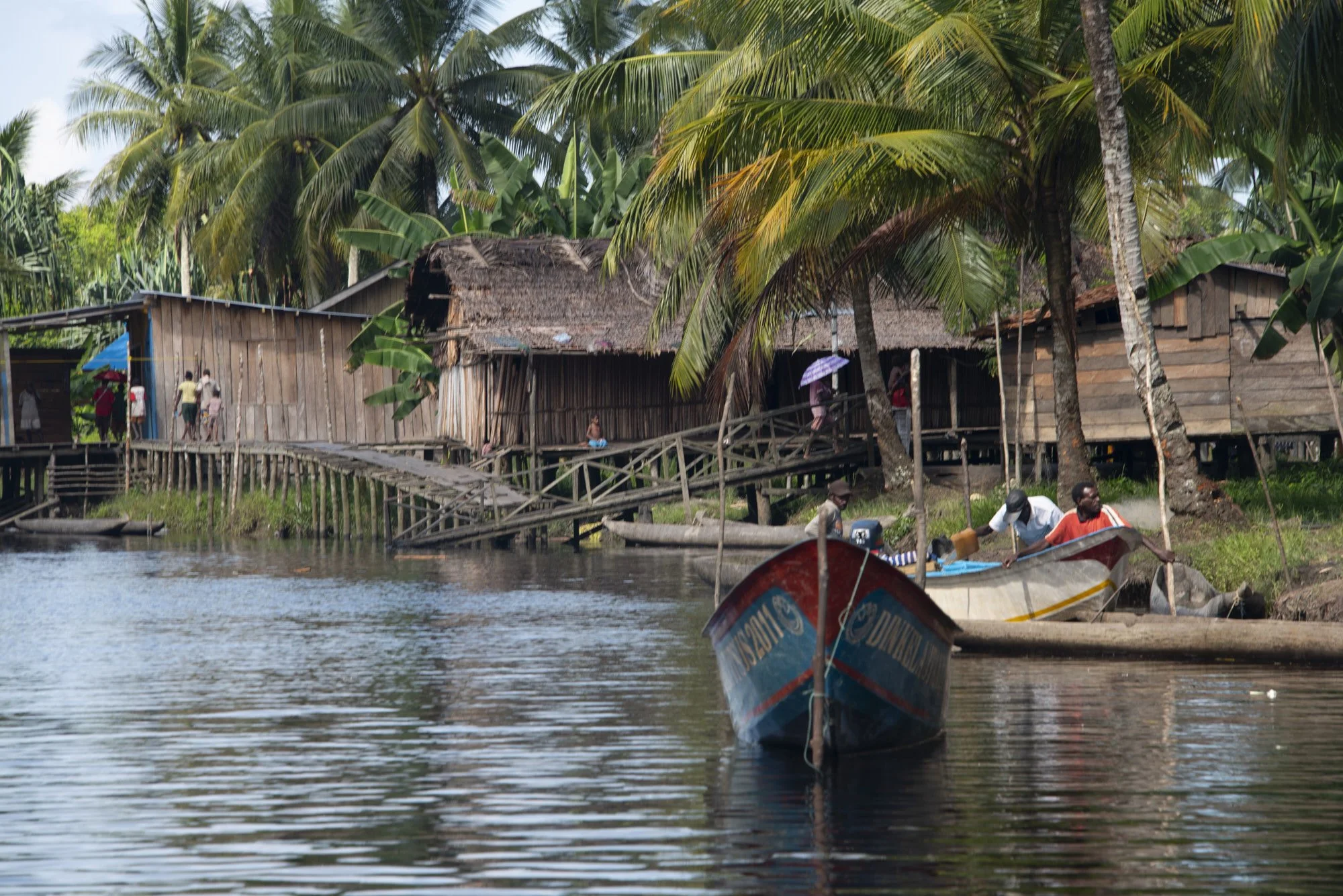
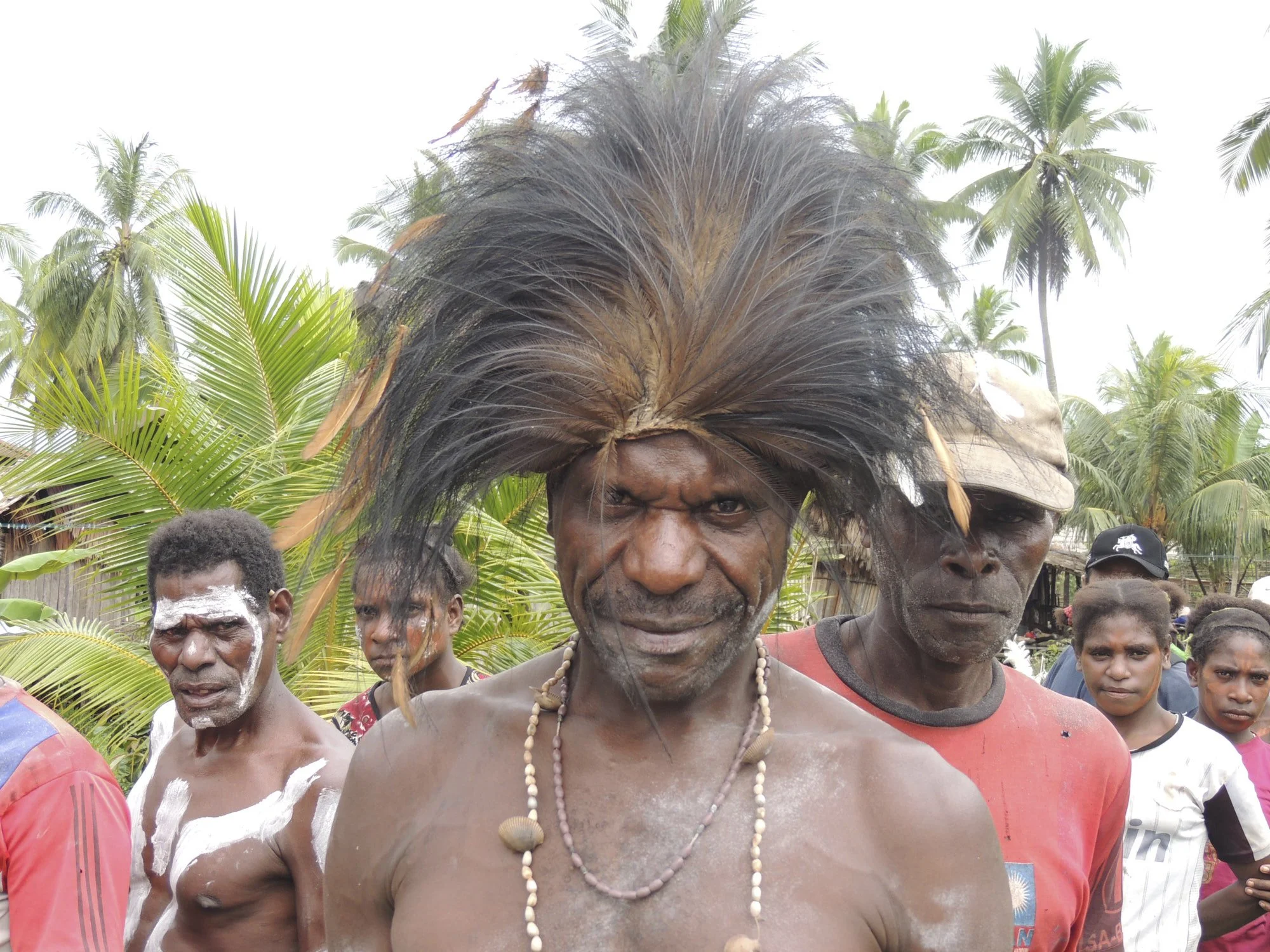
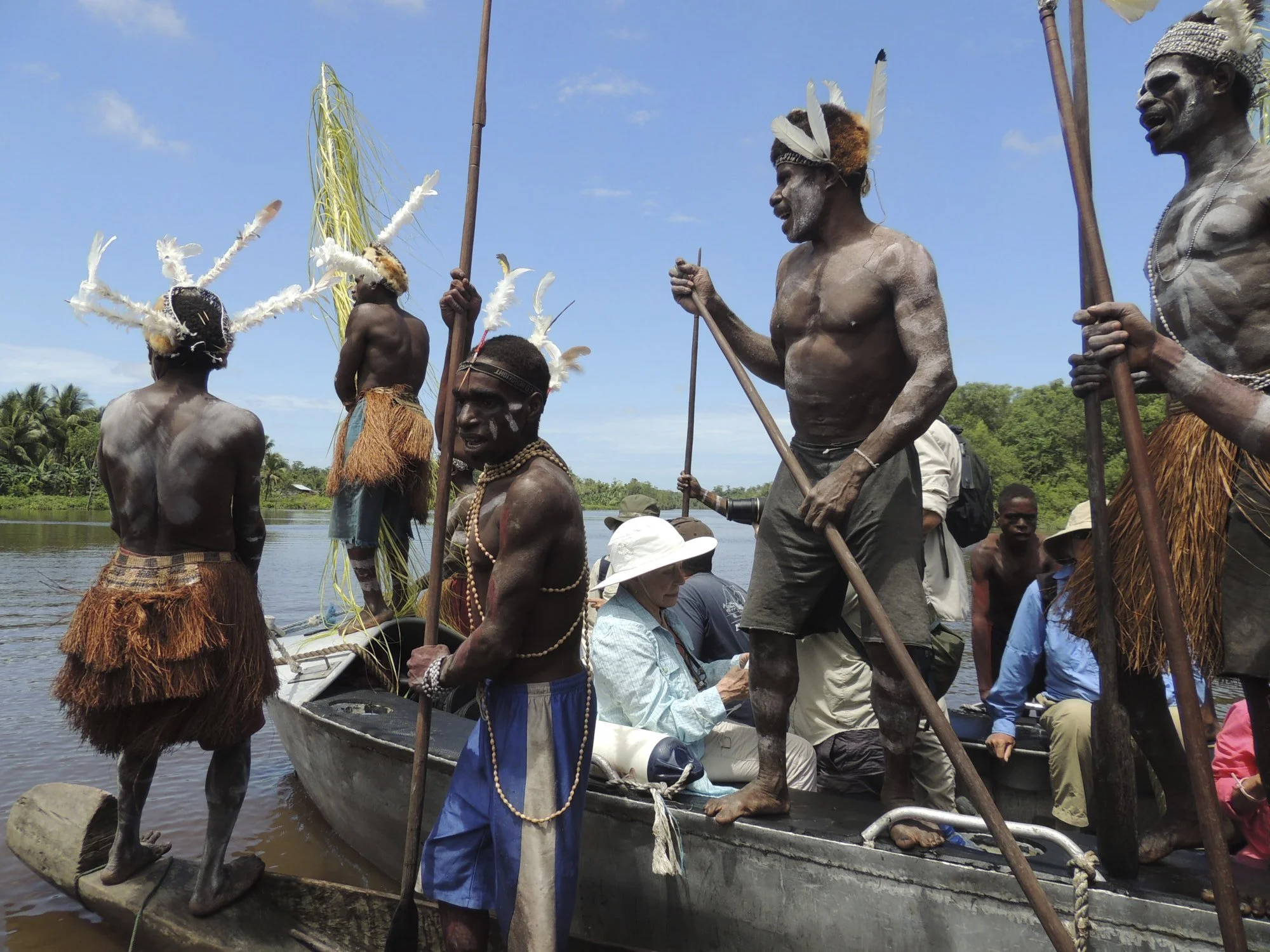
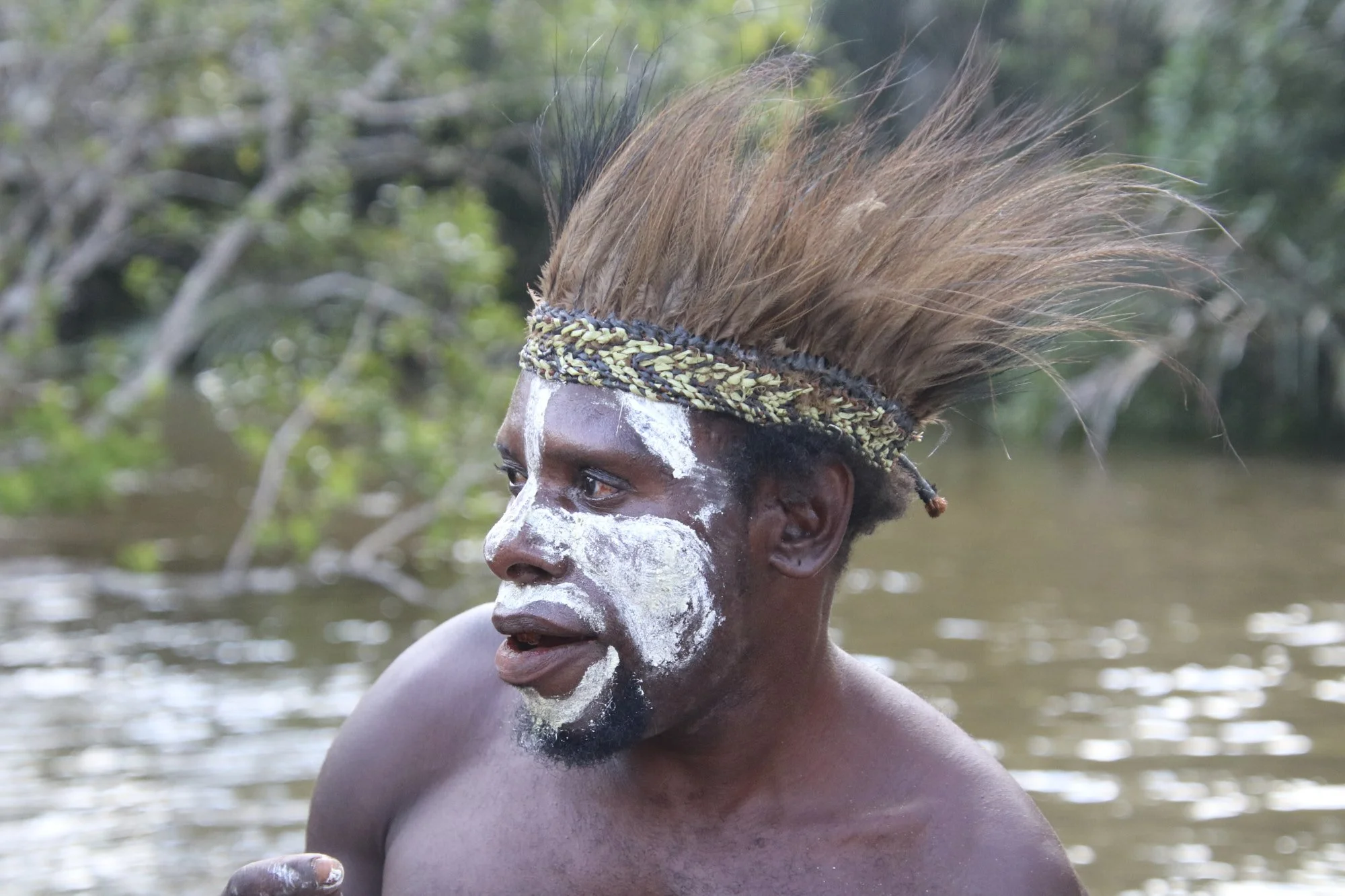
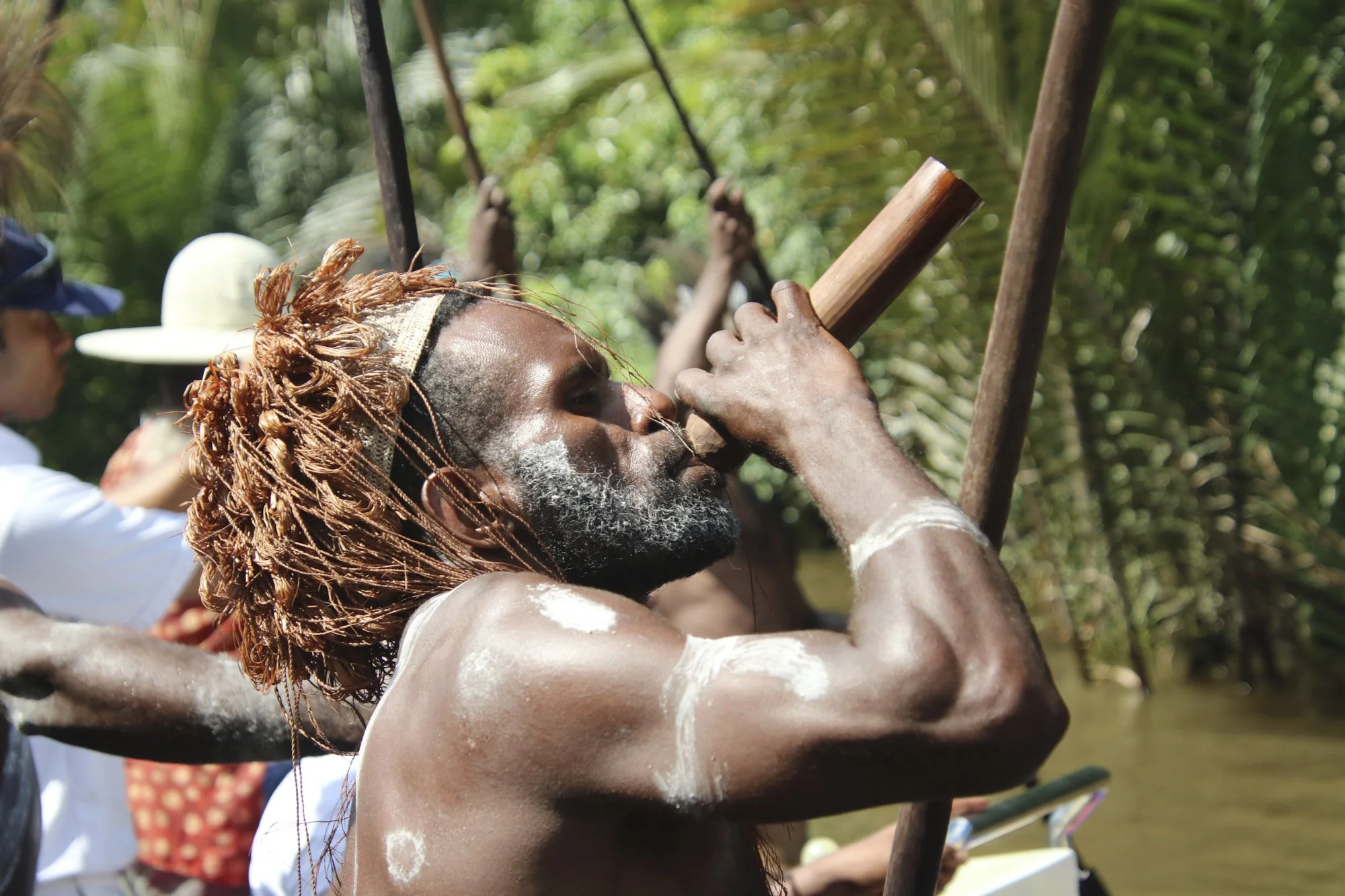
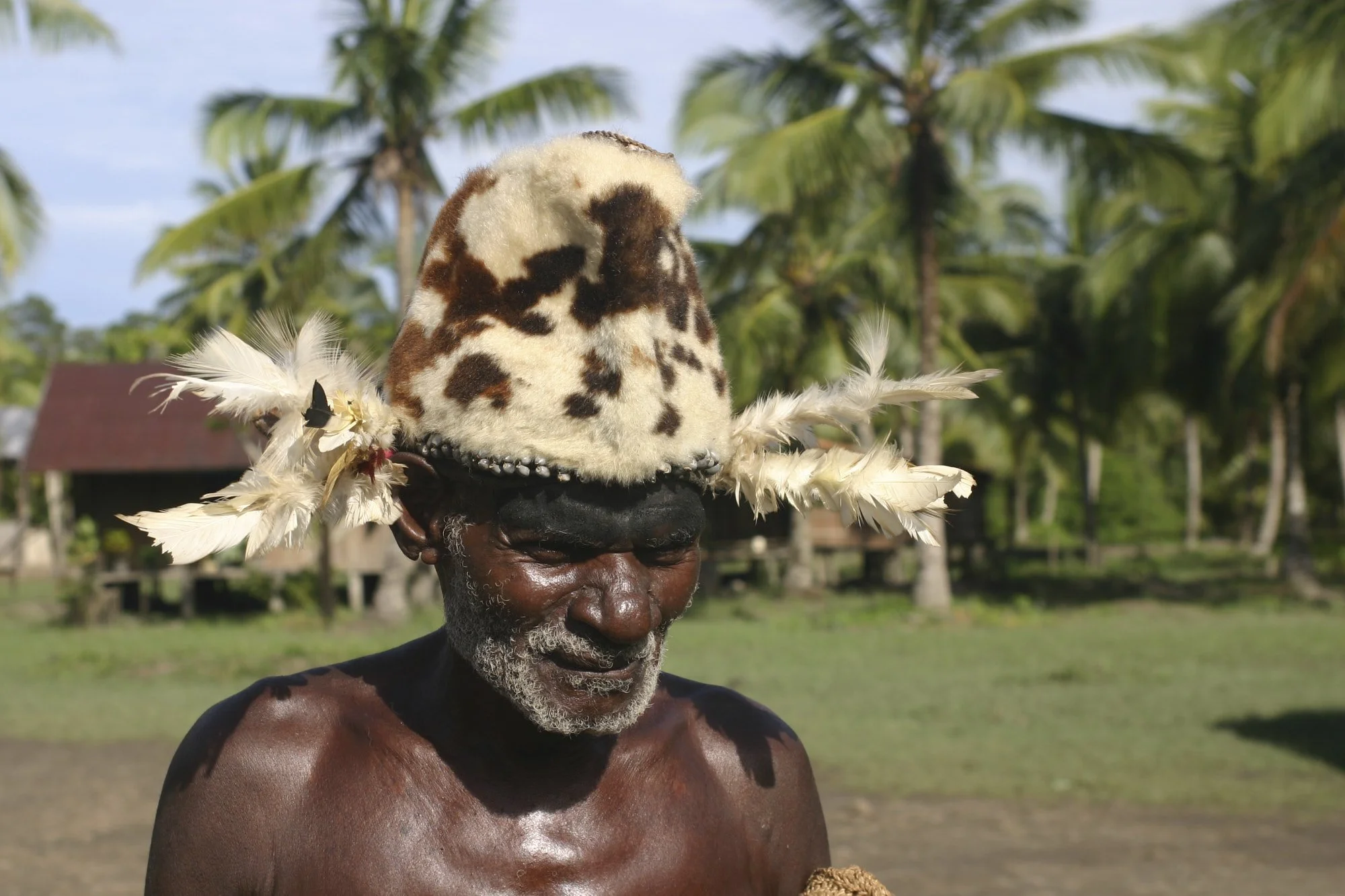
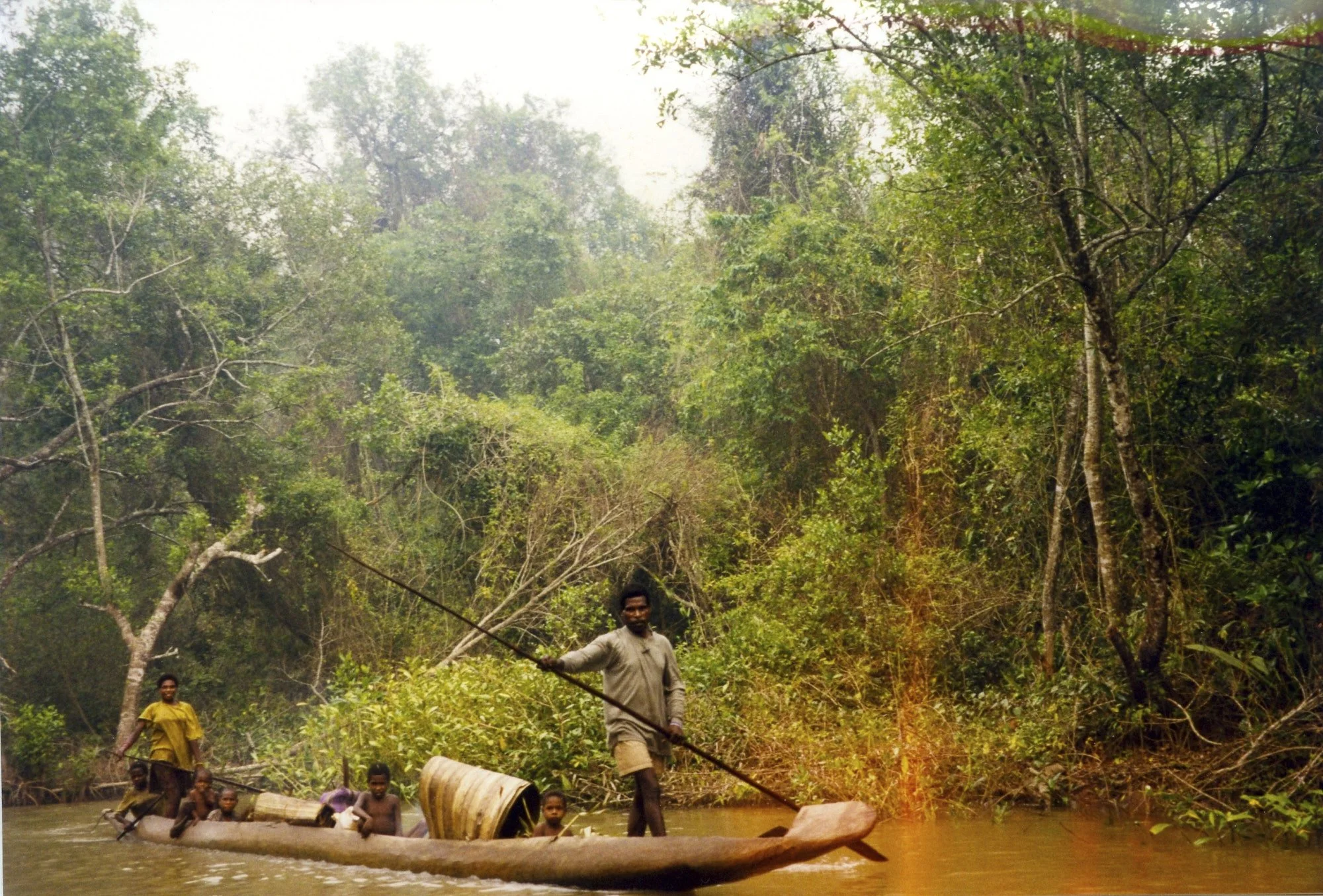
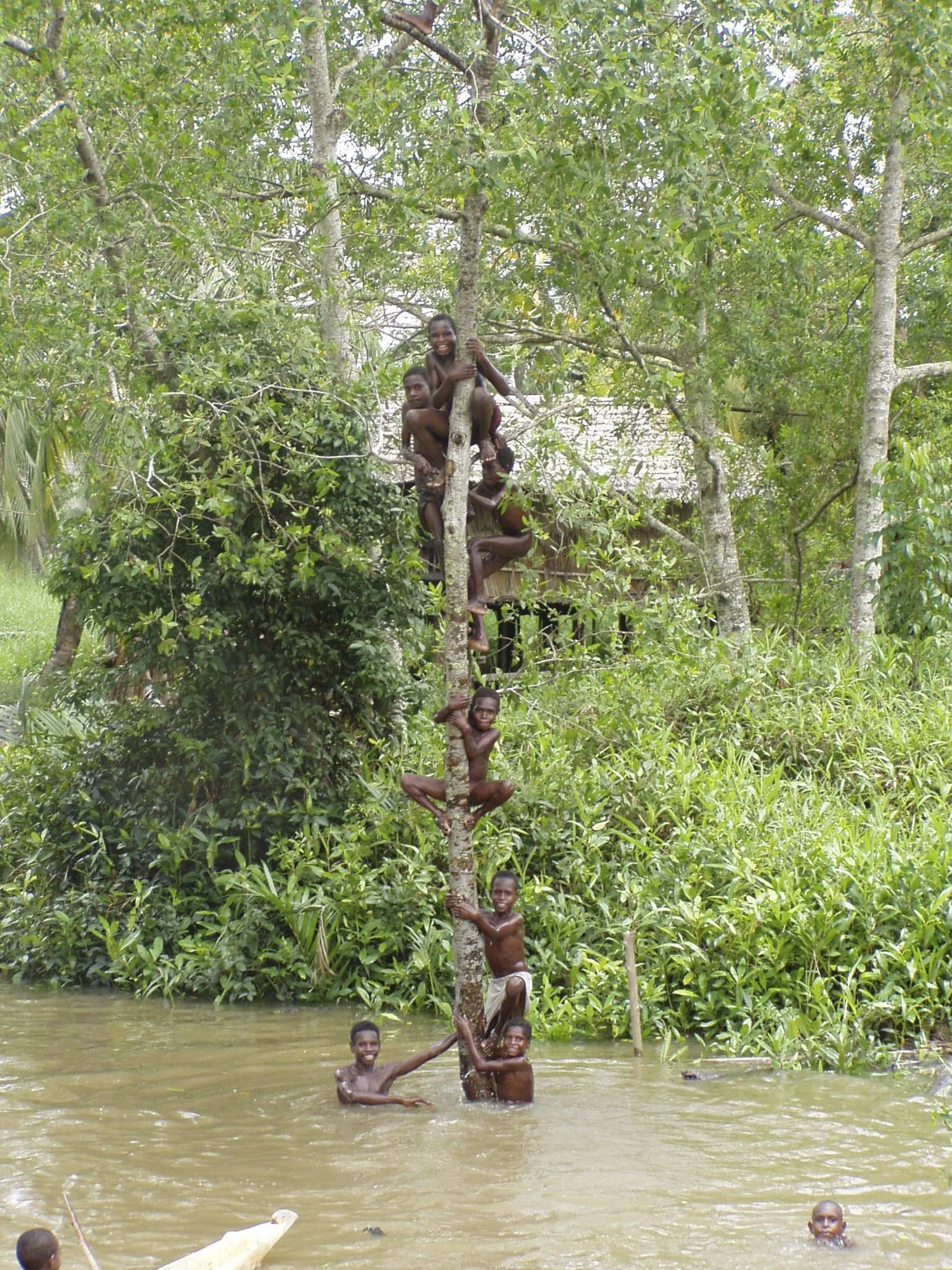
Asmat is both the name of a people and the land they inhabit, a vast lowland region along the southwestern coast of New Guinea in what is now southwest Papua, Indonesia.
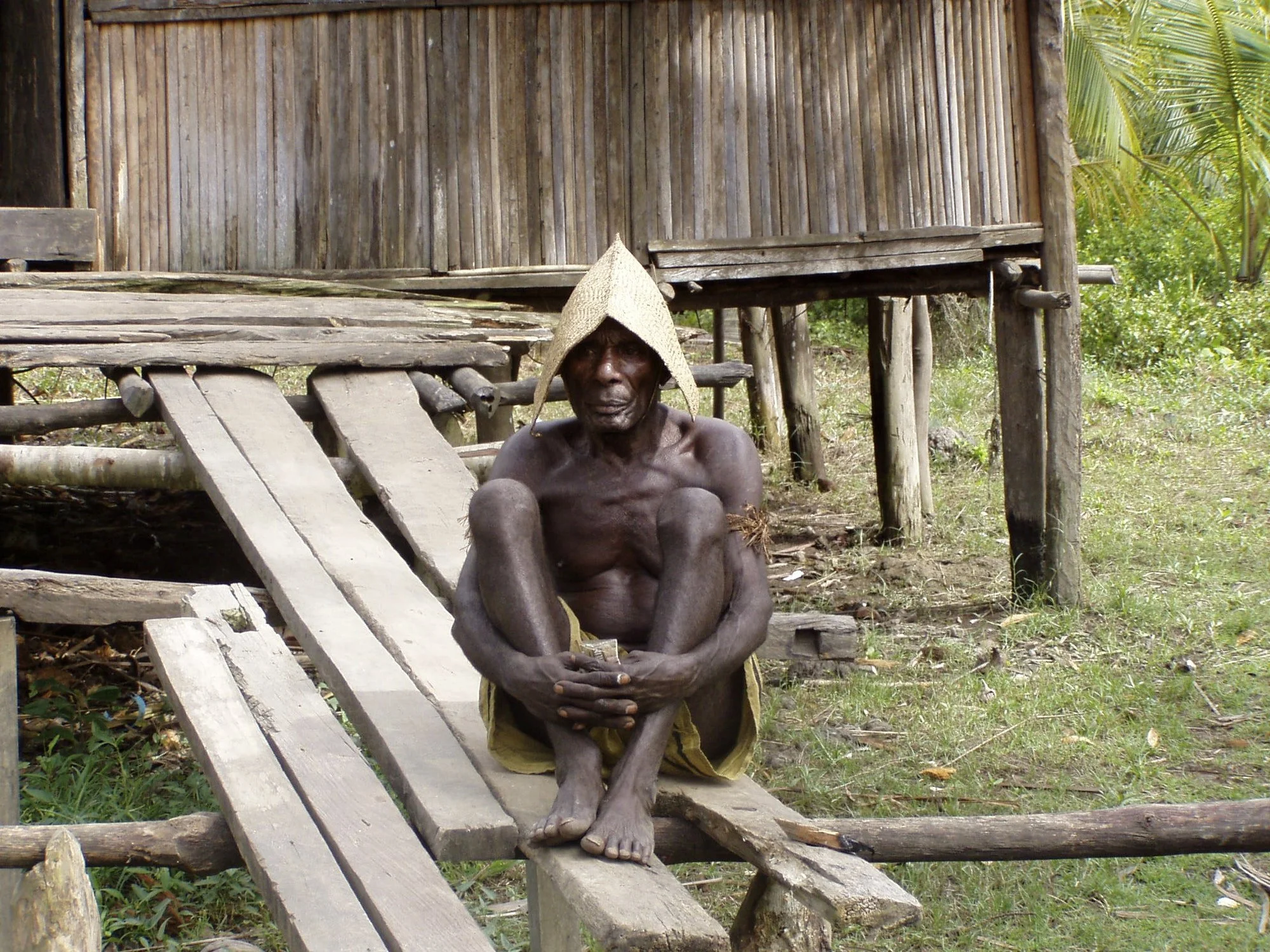
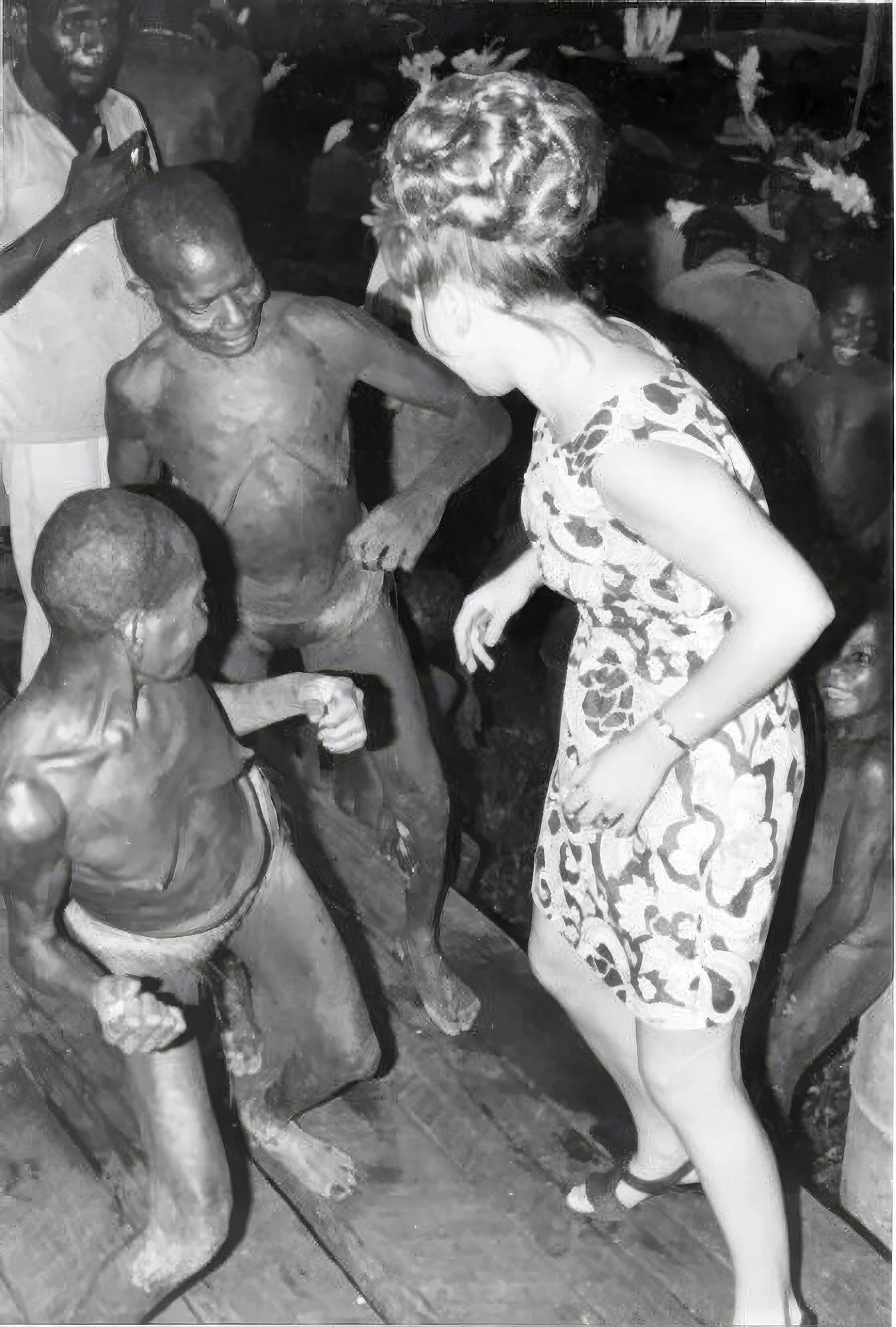
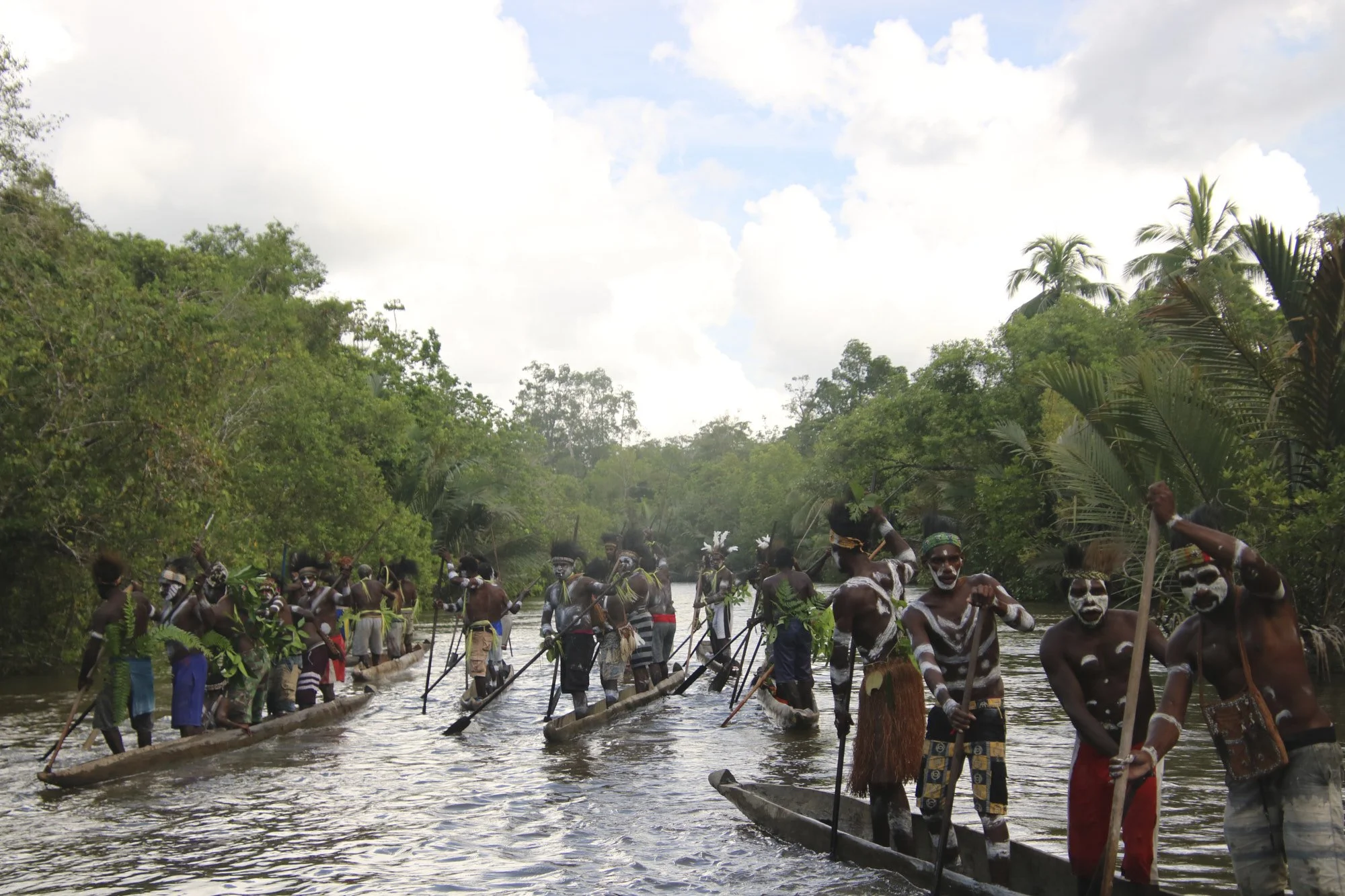
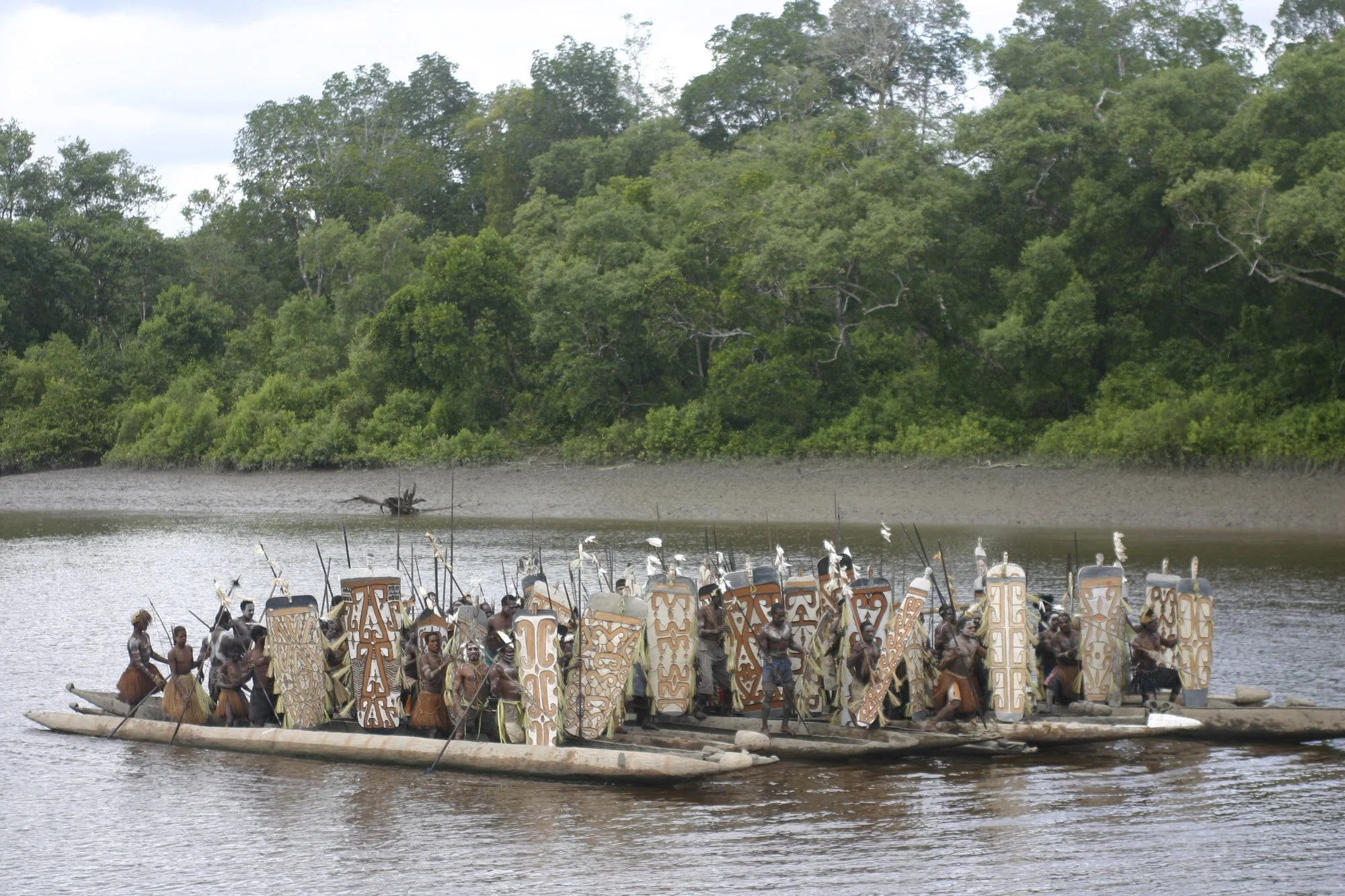
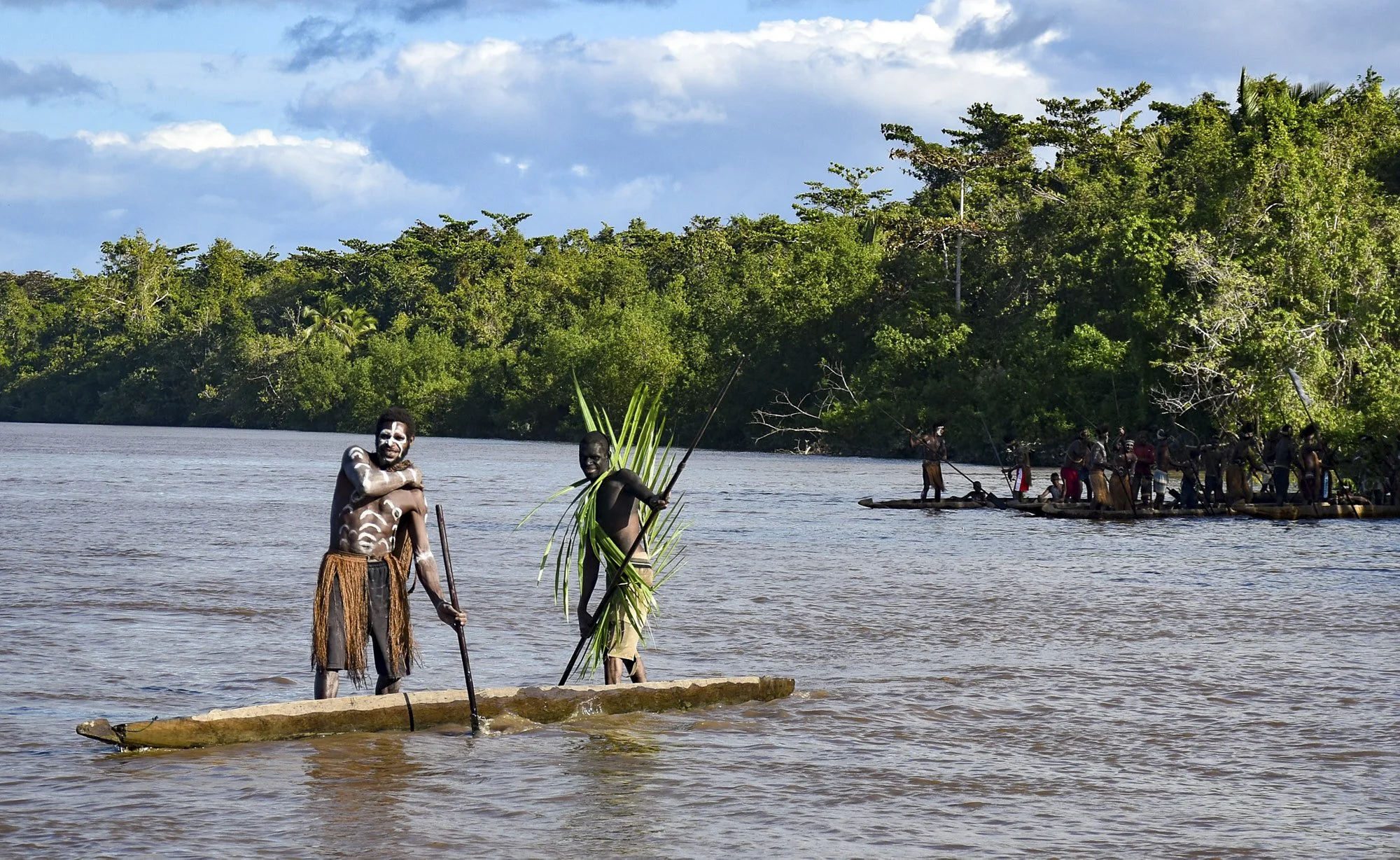
In the 1950s, Asmat remained one of the most isolated regions in the world. Vast swamps, tidal rivers, and dense rainforest made travel extremely difficult, and many villages had little or no contact with the outside world. Headhunting and ritual warfare were still part of traditional life, and Asmat communities continued to live much as they had for generations, relying on the forest and rivers and working primarily with wood, stone, bone, and shell.
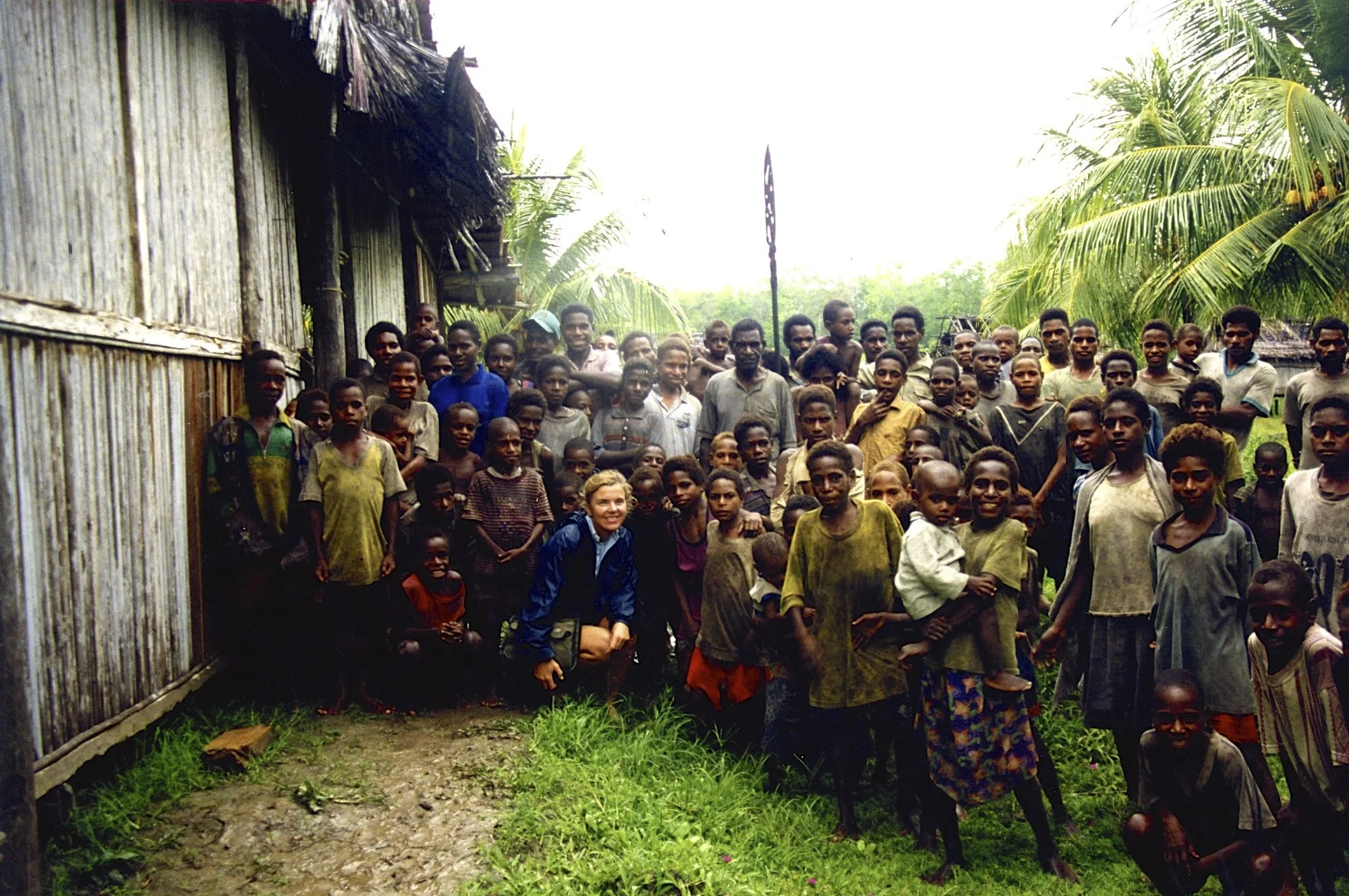
For a brief period the region was administered as part of Dutch New Guinea. In the early 1960s, control passed to Indonesia, and the territory later became known as Irian Jaya. These changes brought increasing outside contact, missionary activity, government presence, and modernization.
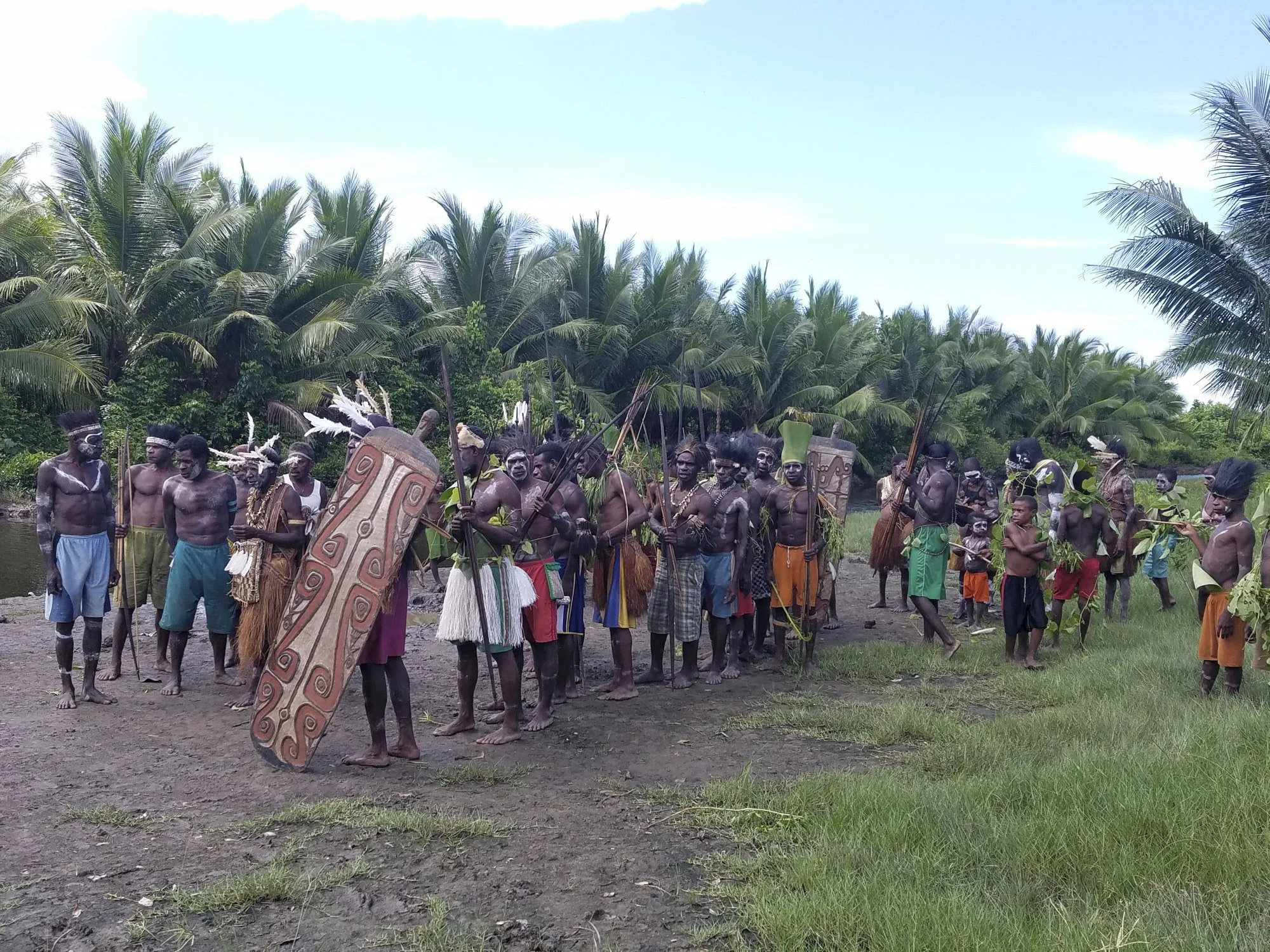
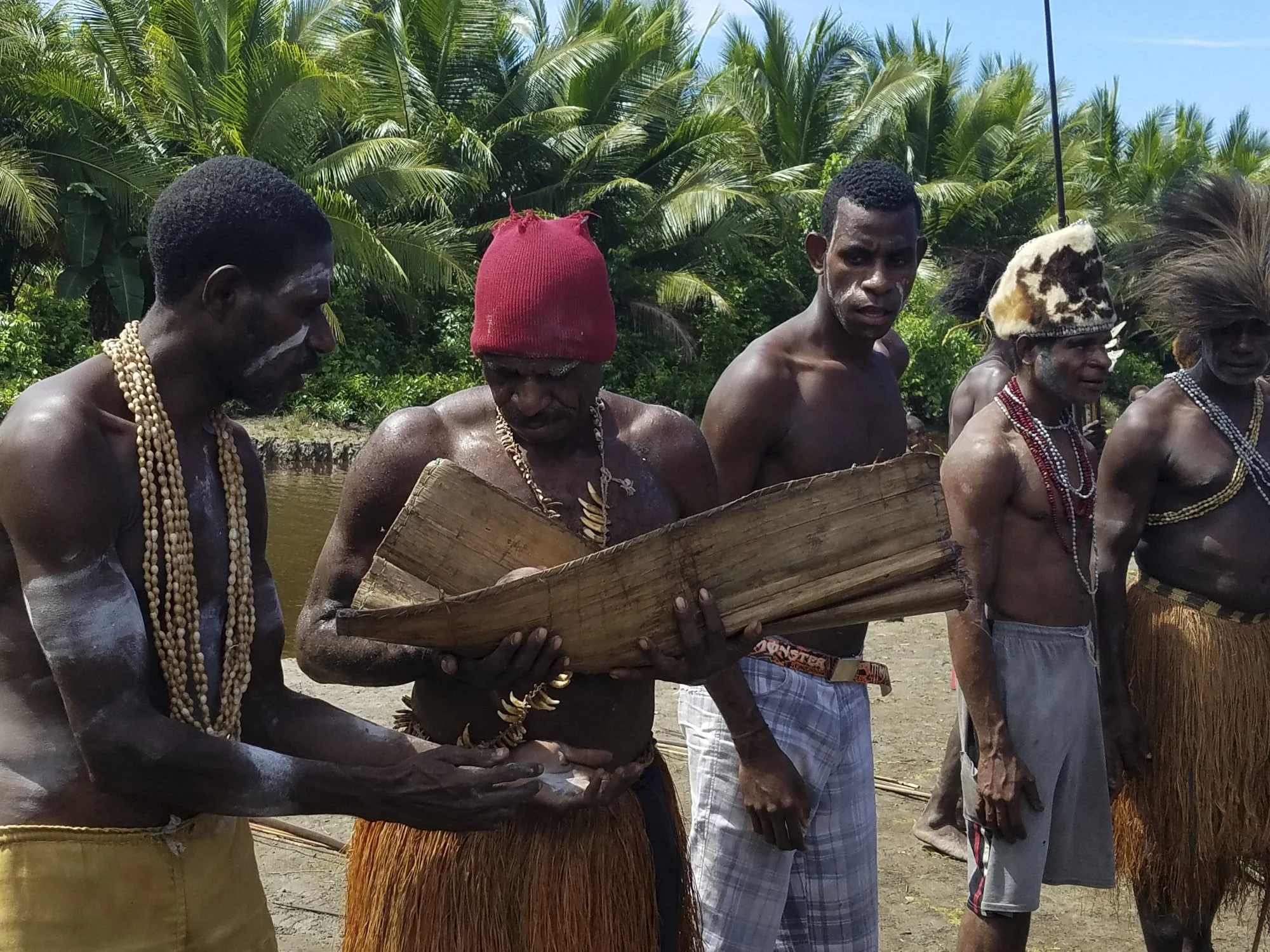
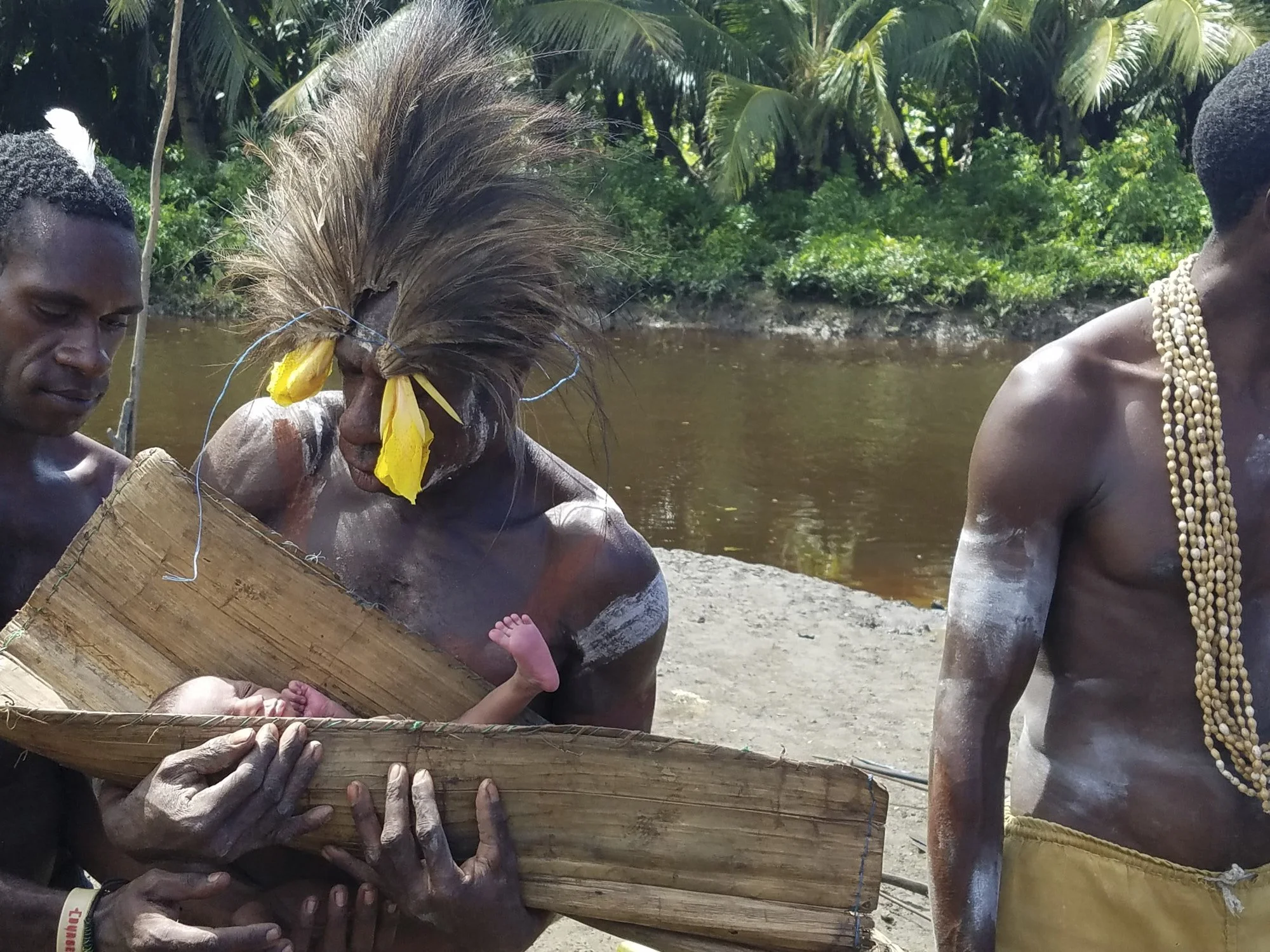
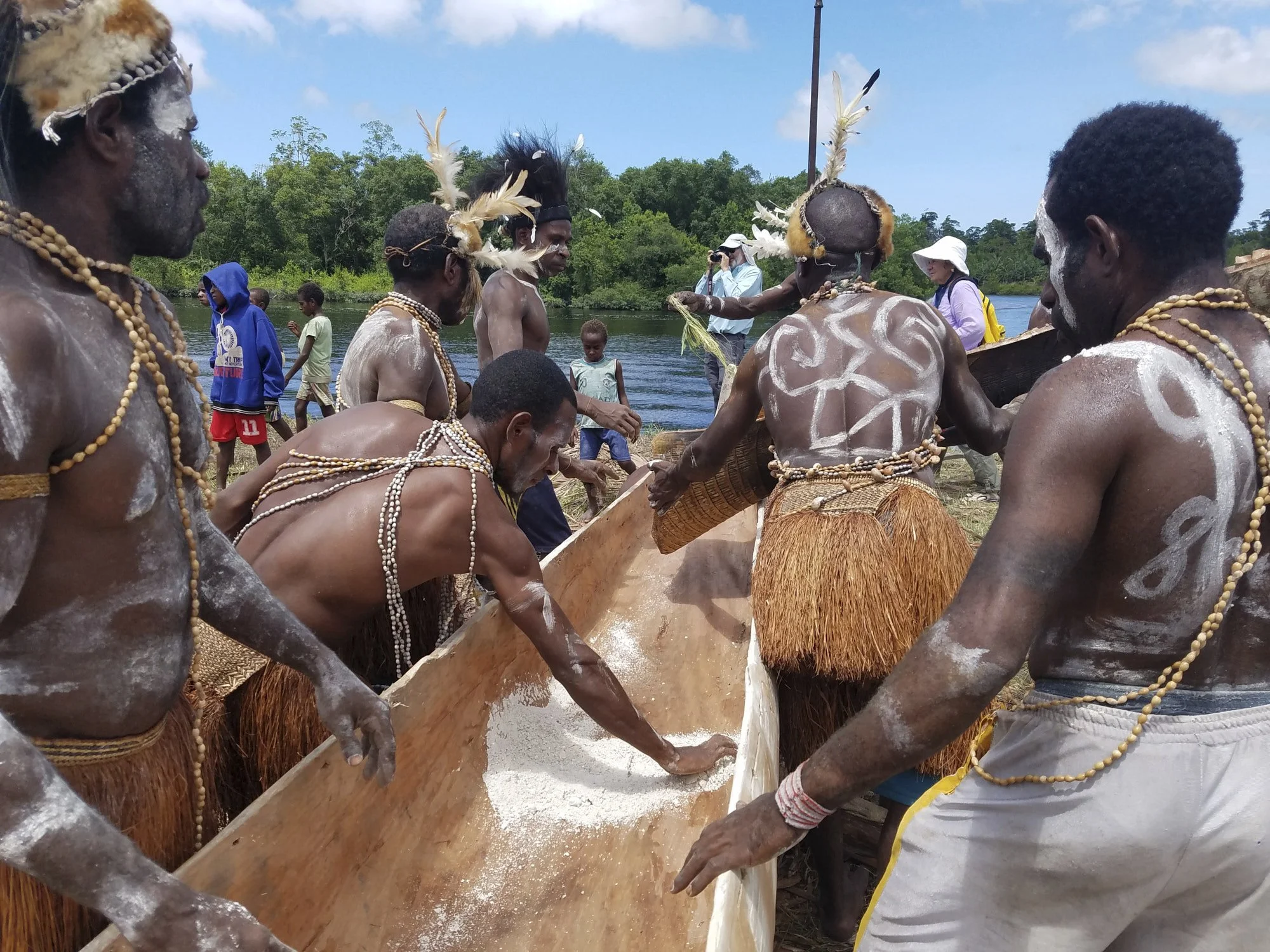
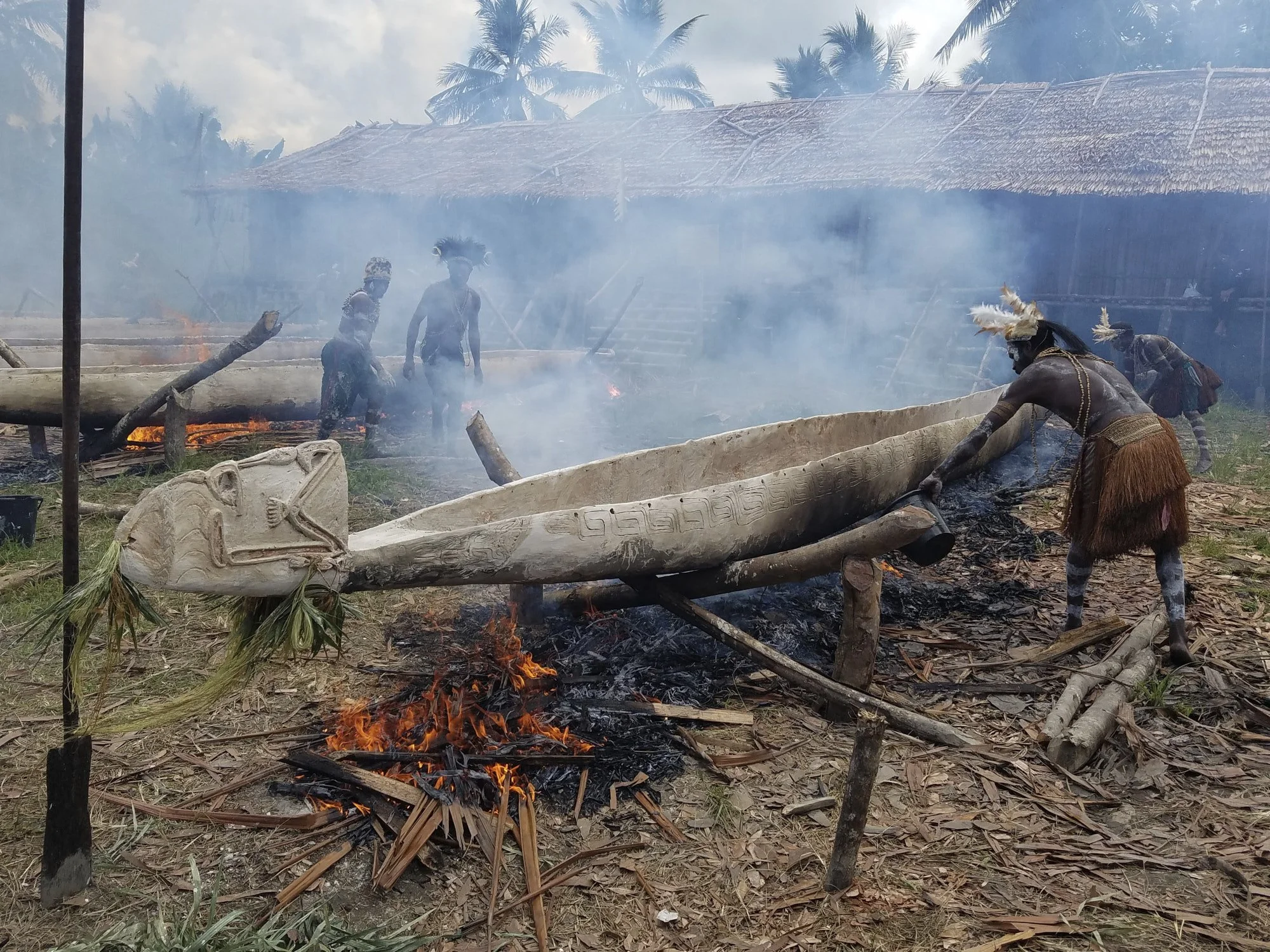
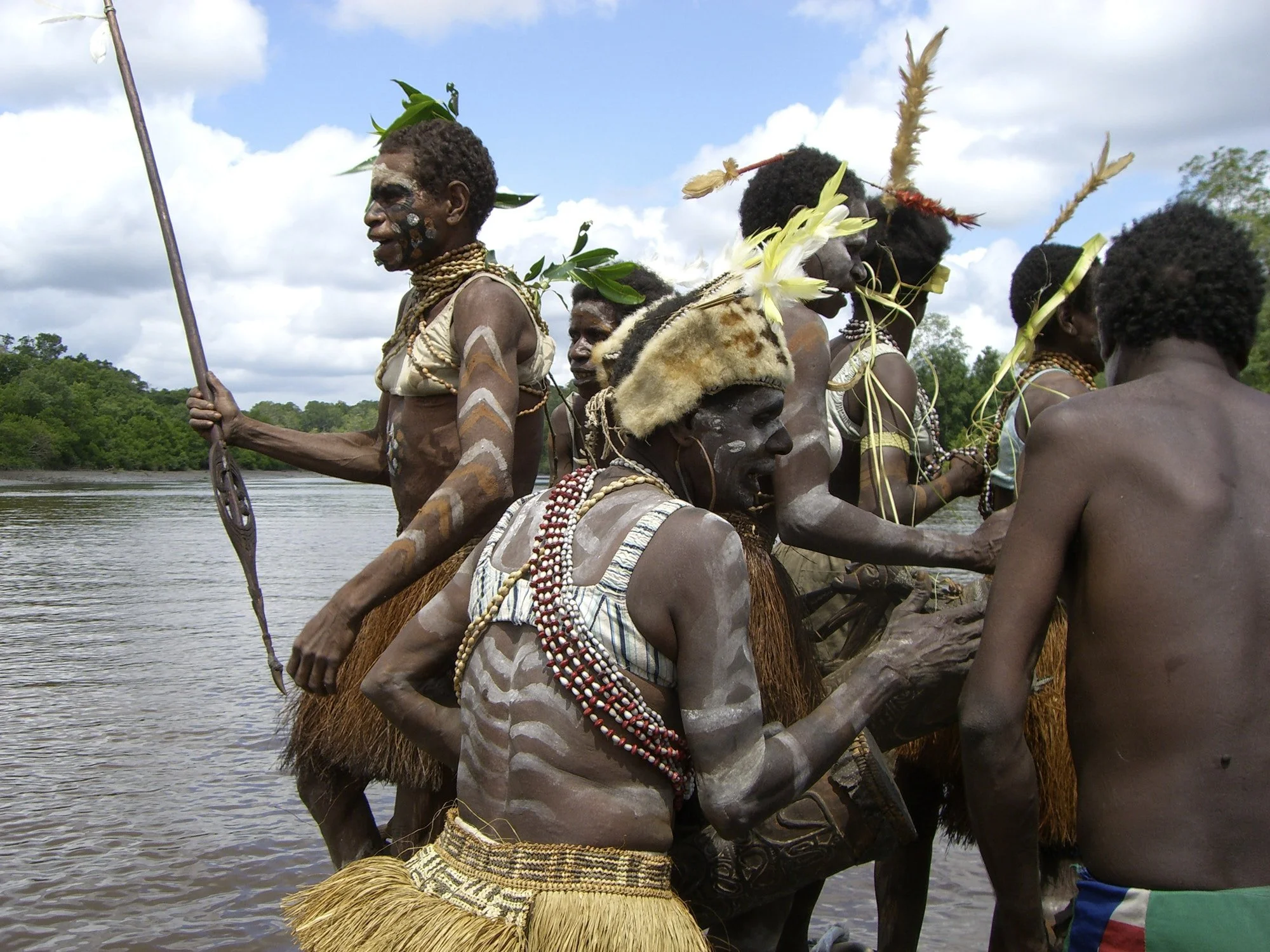
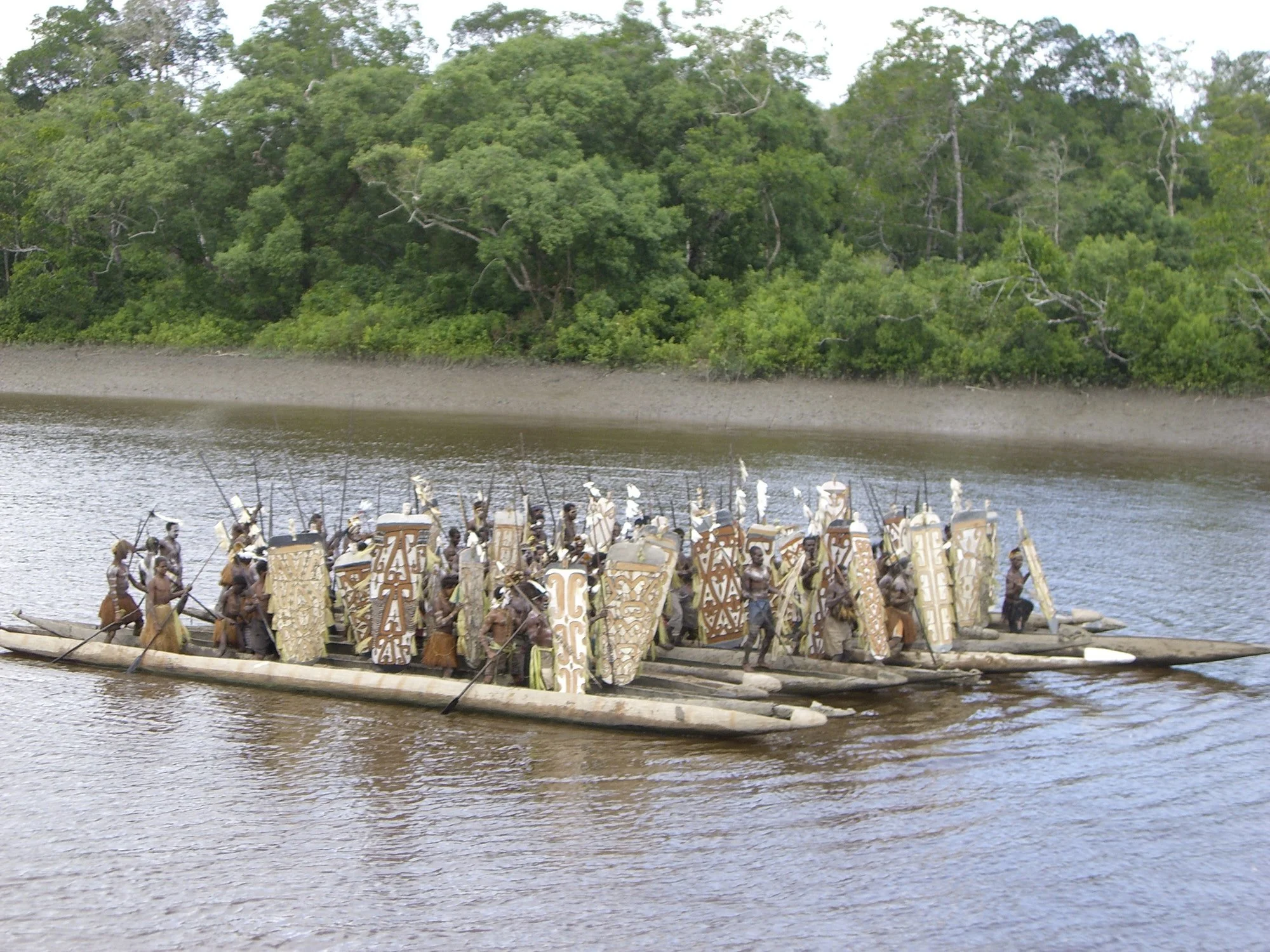
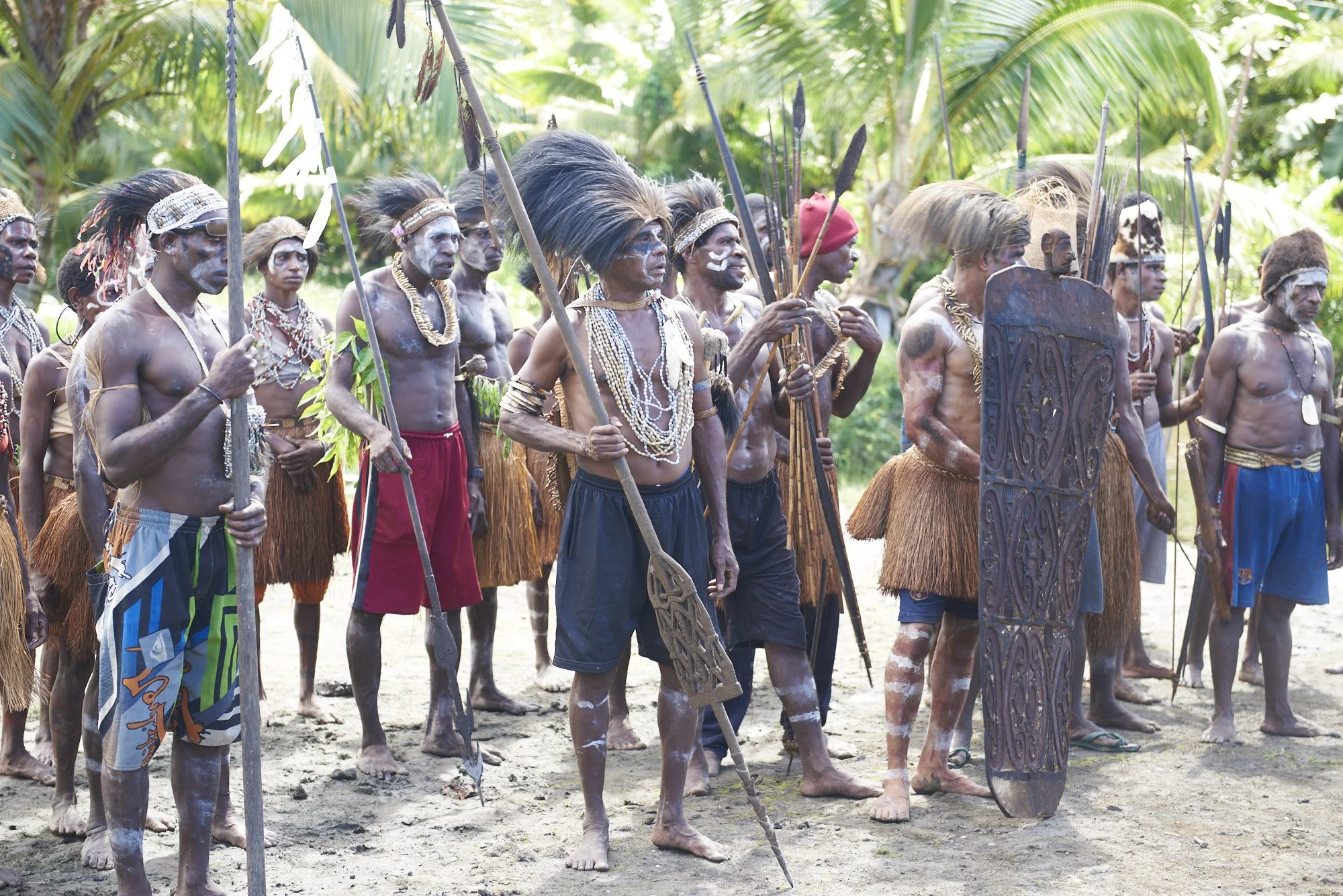
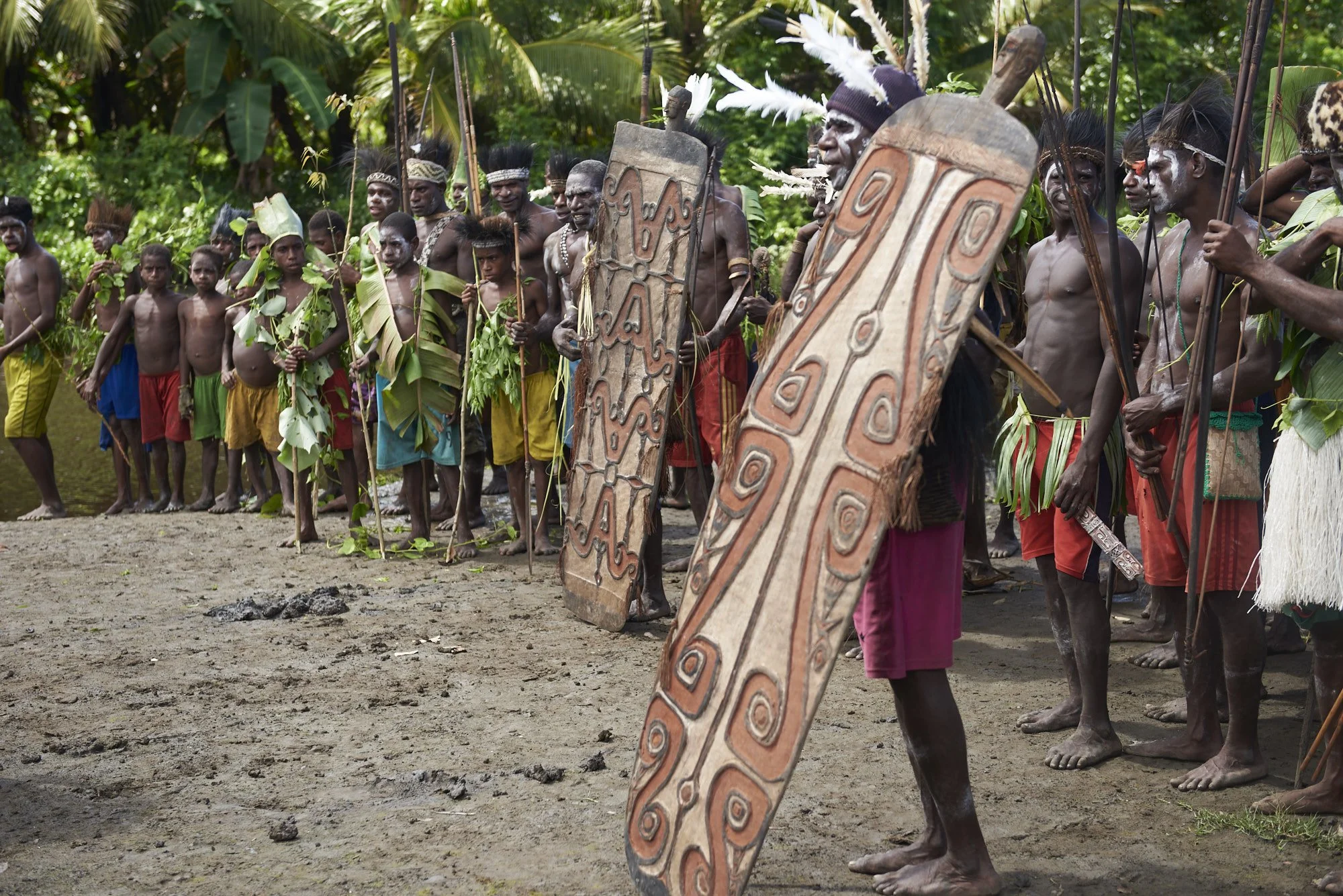
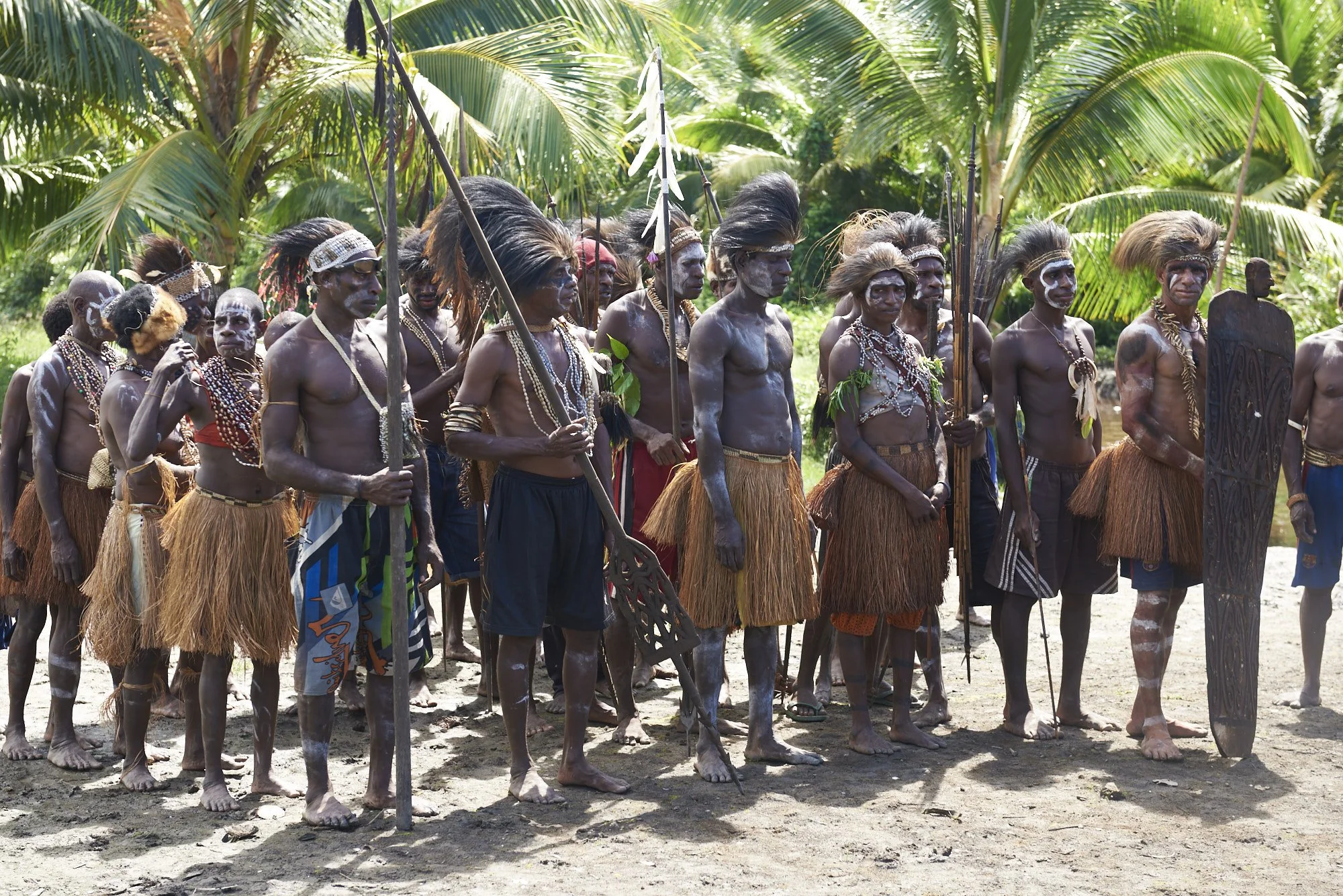
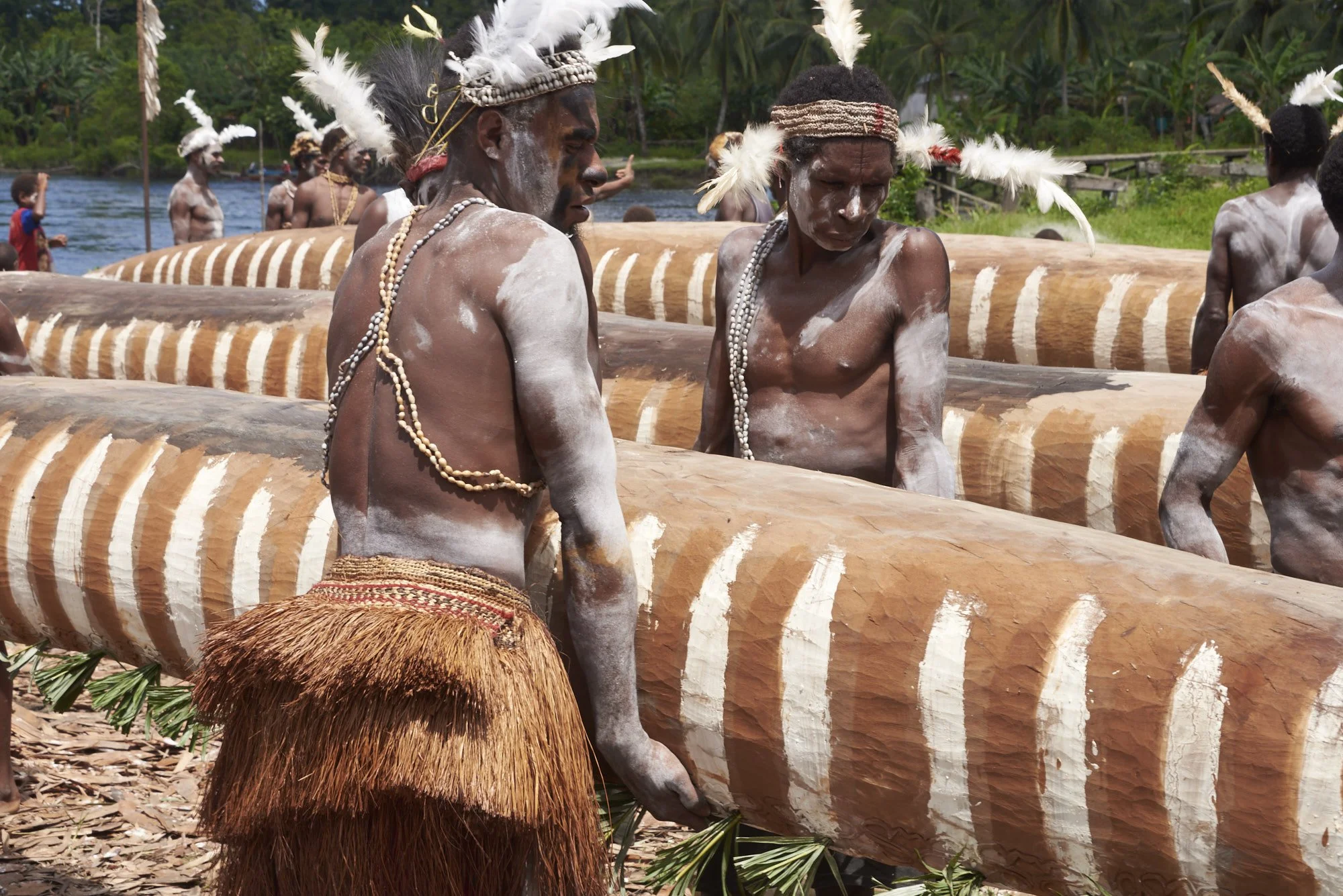
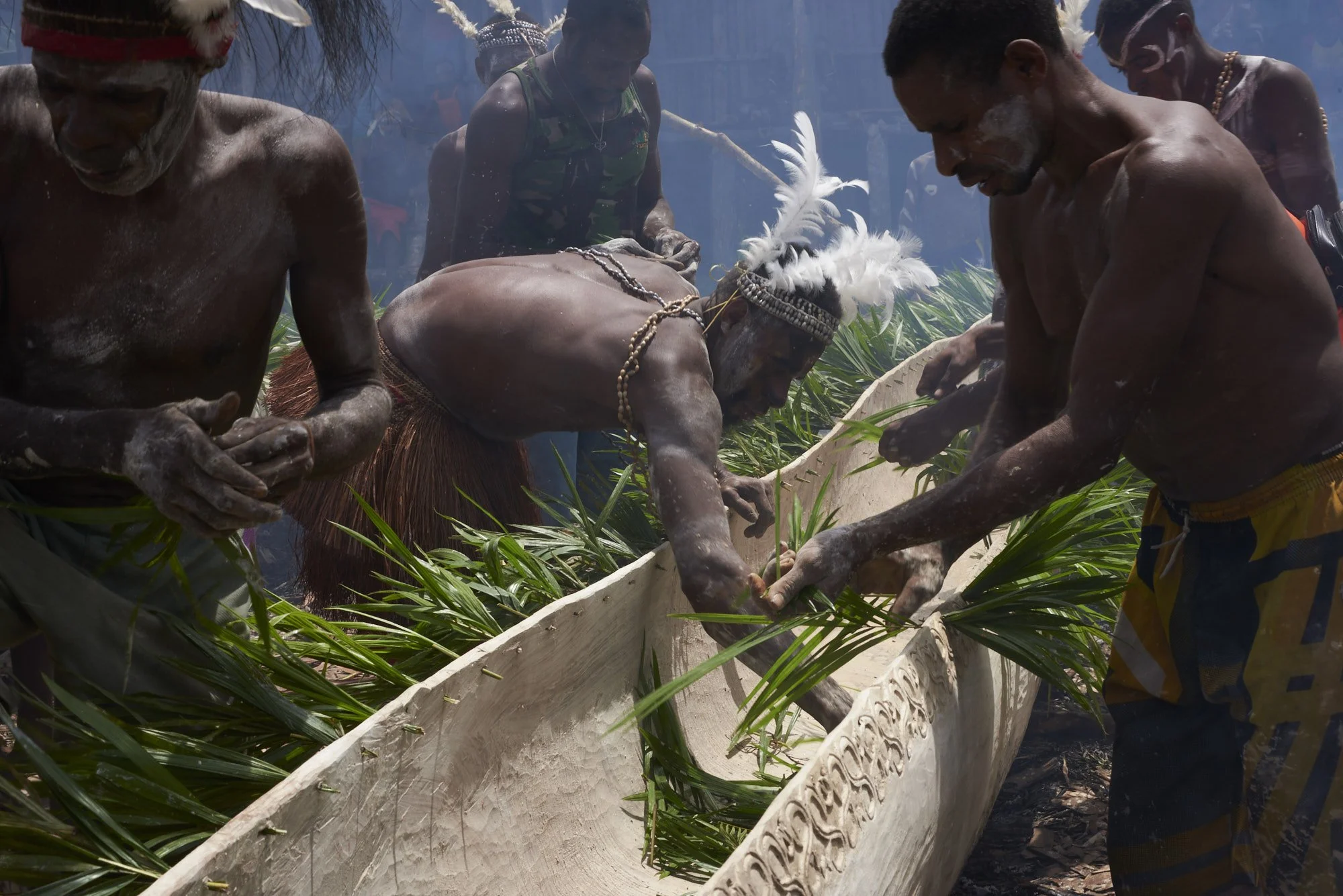
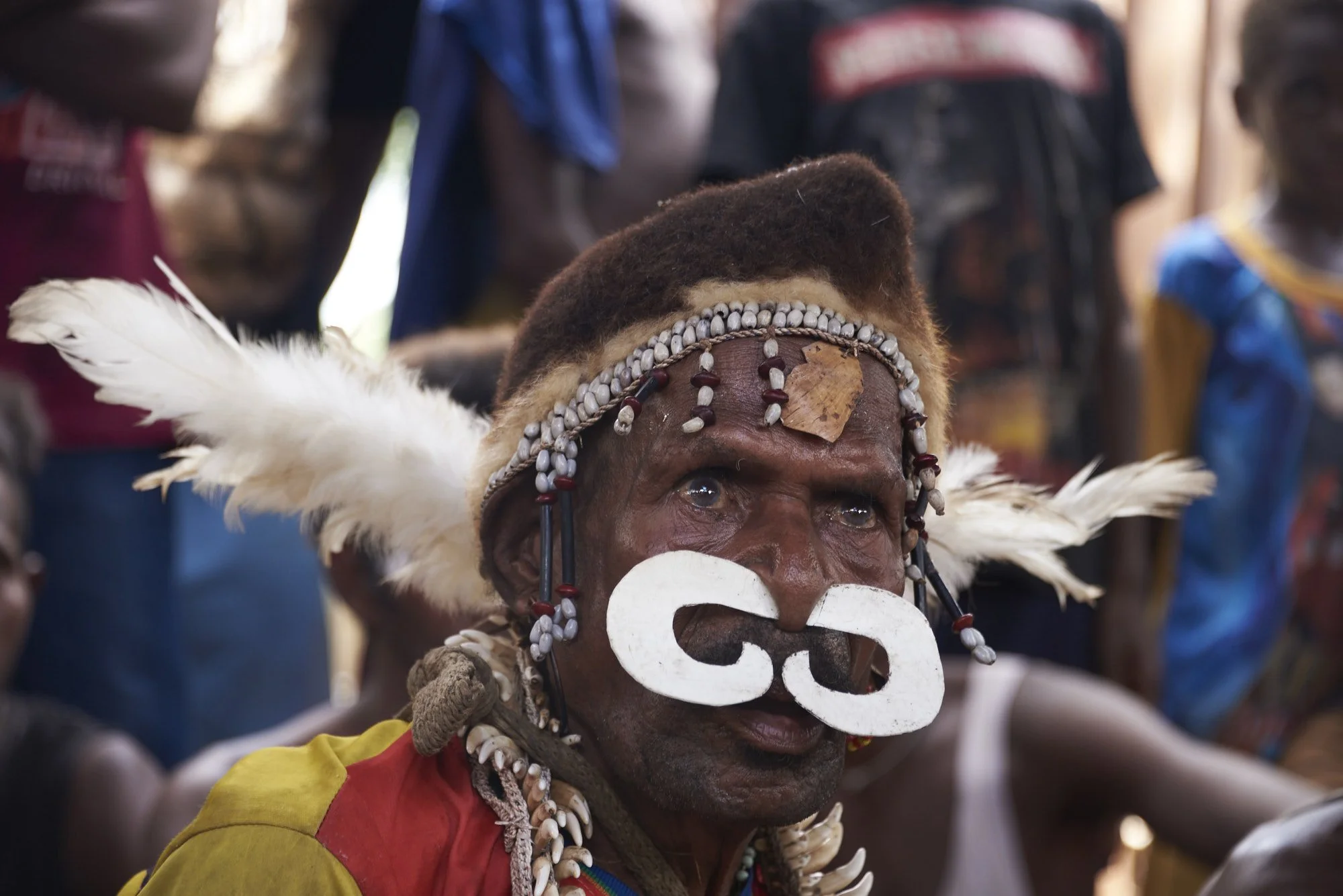
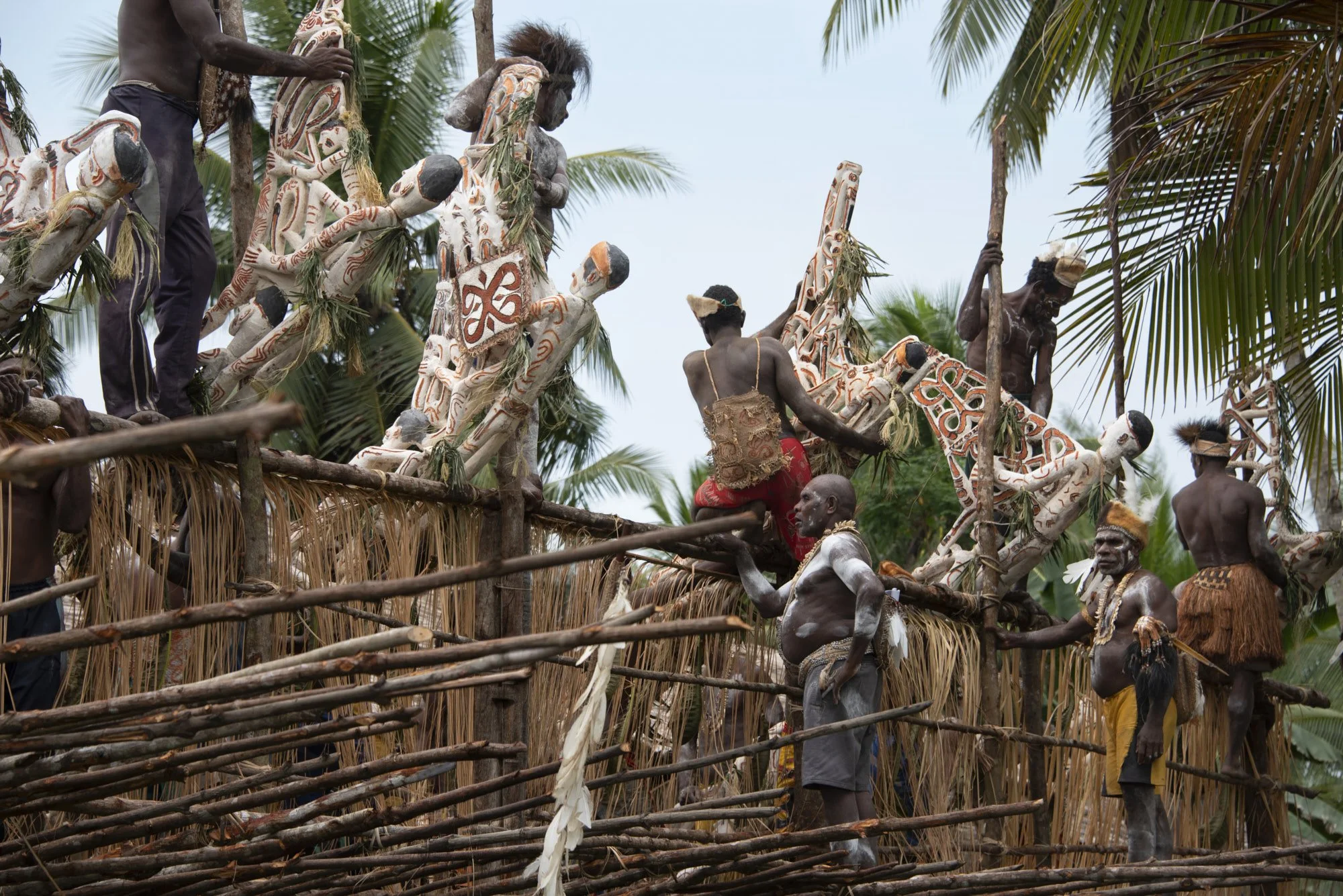
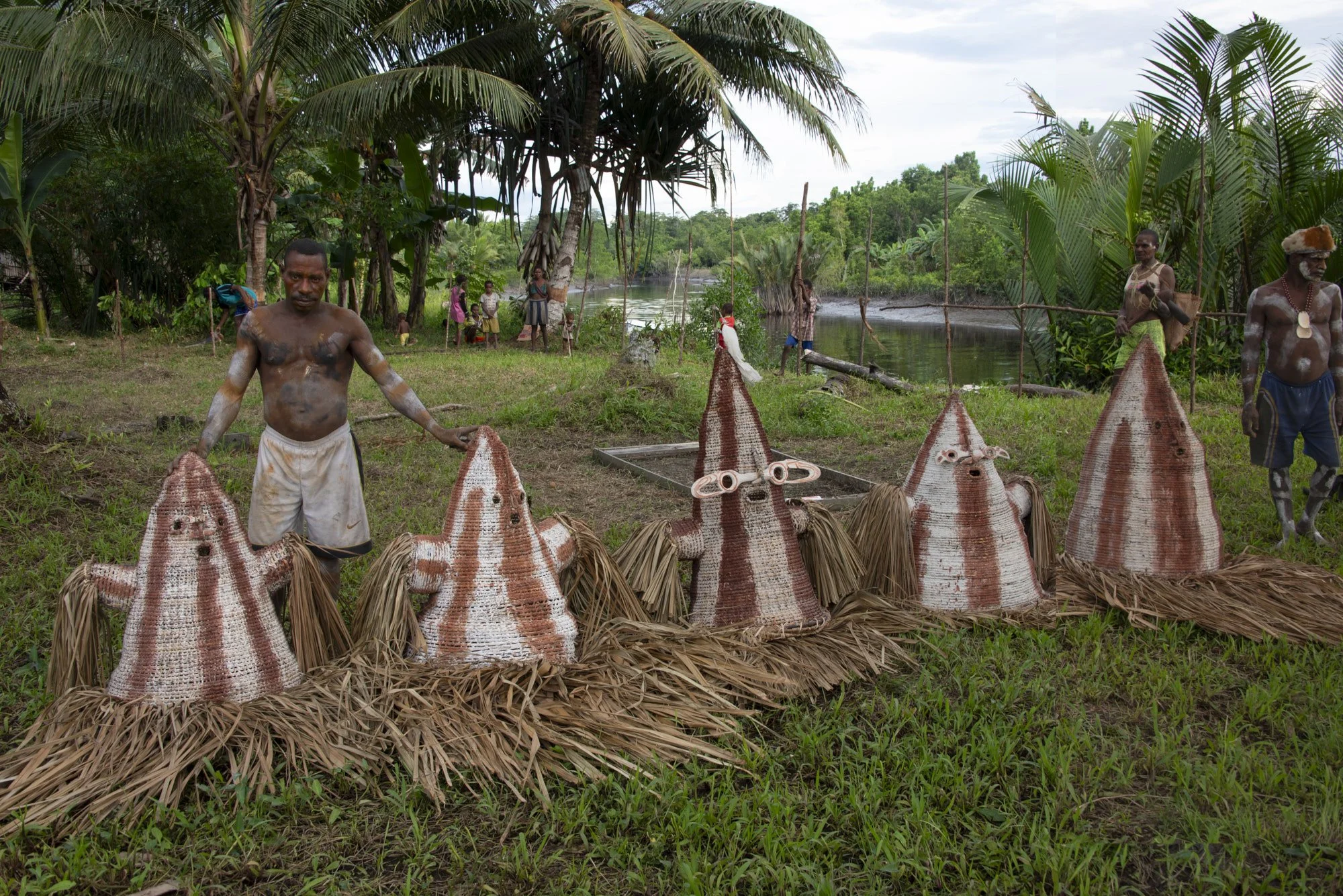
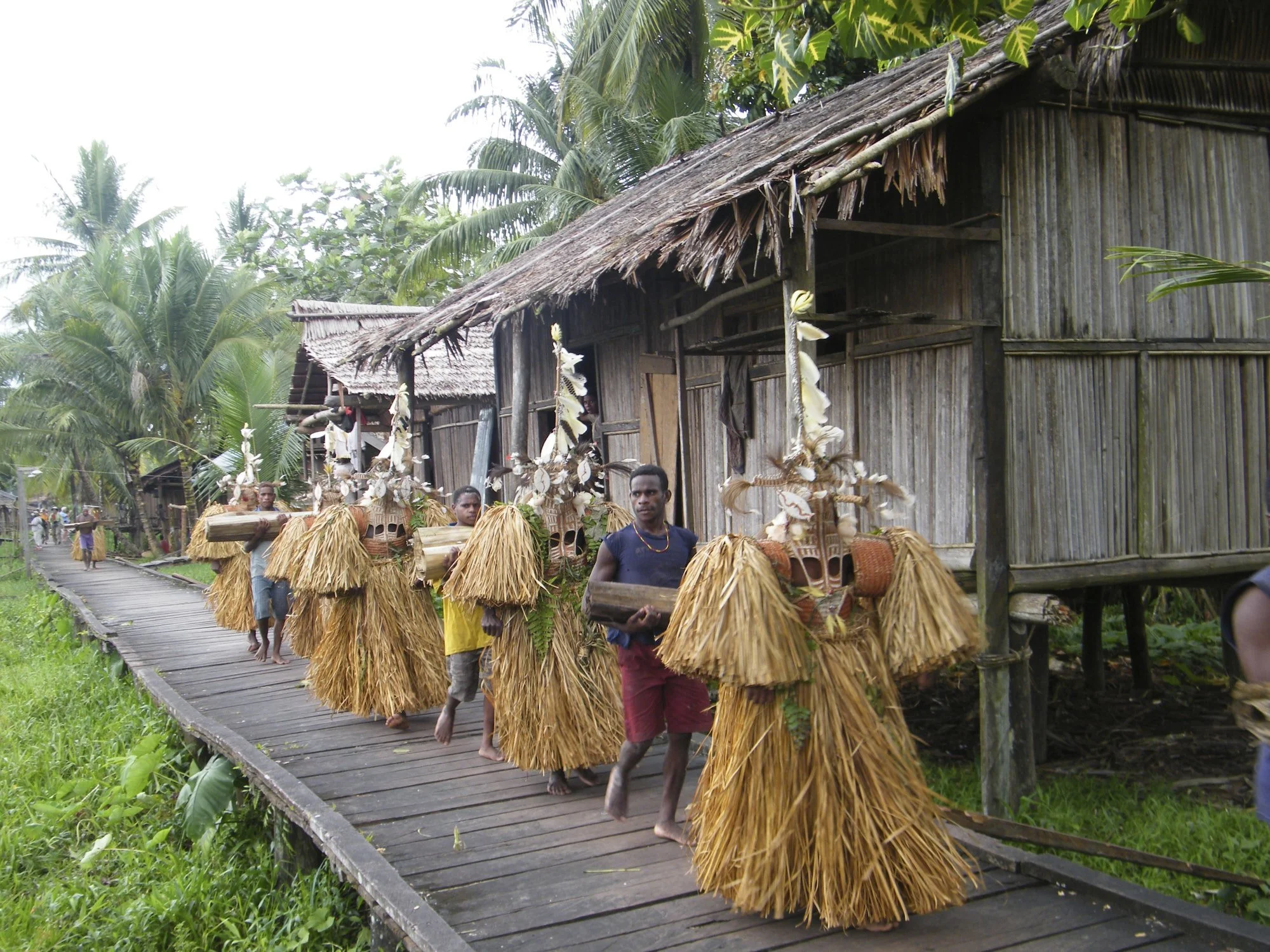
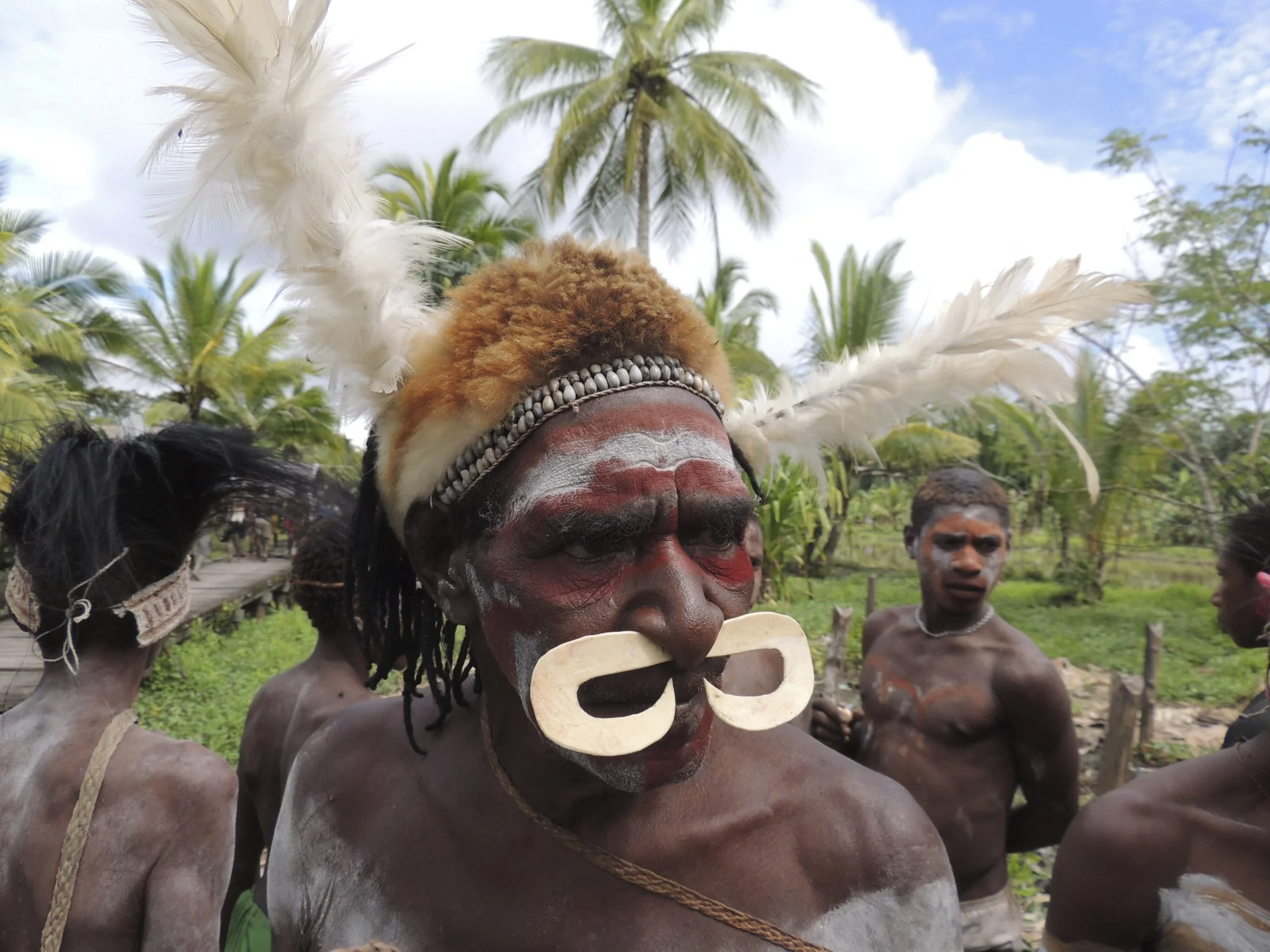
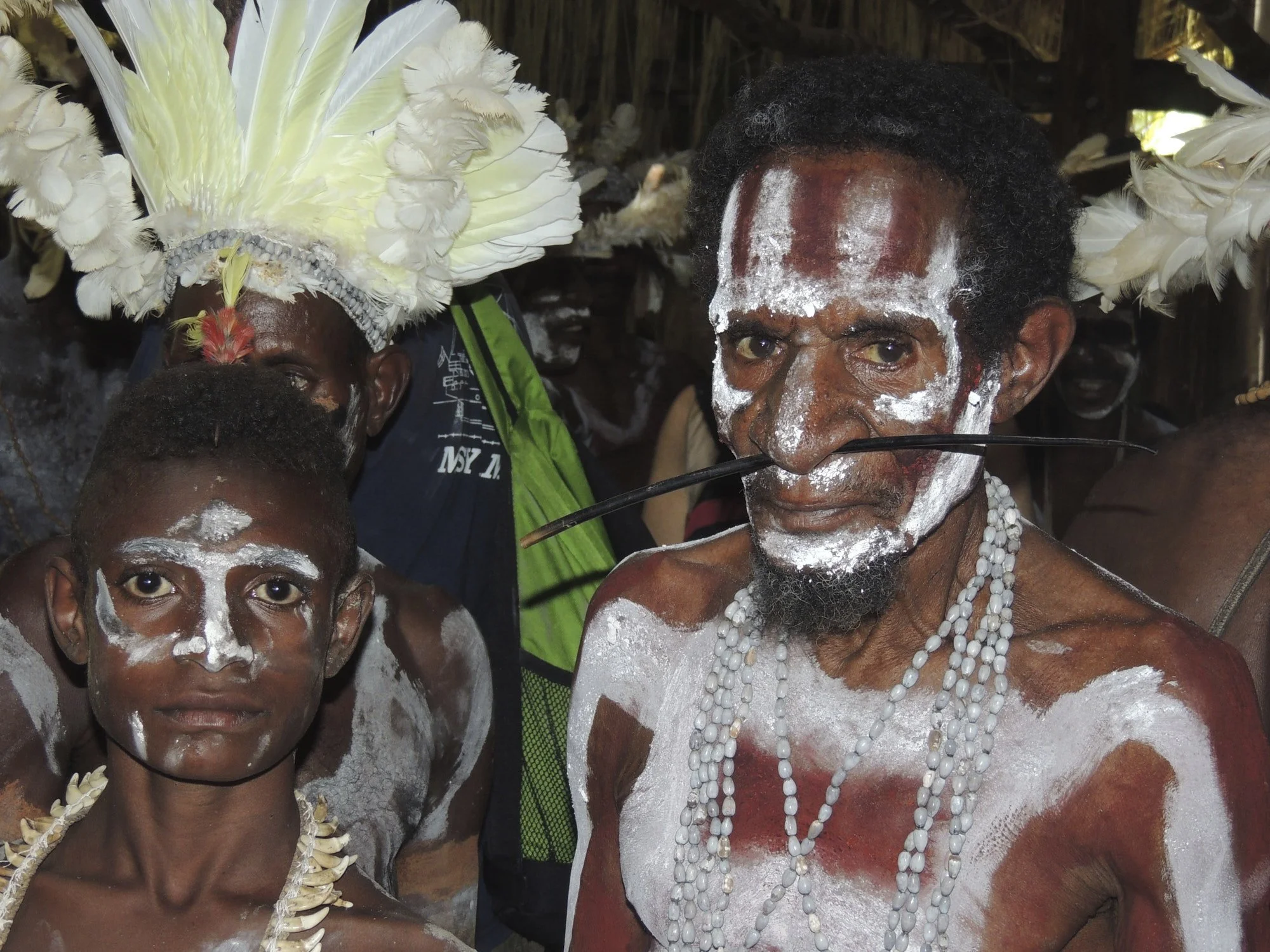
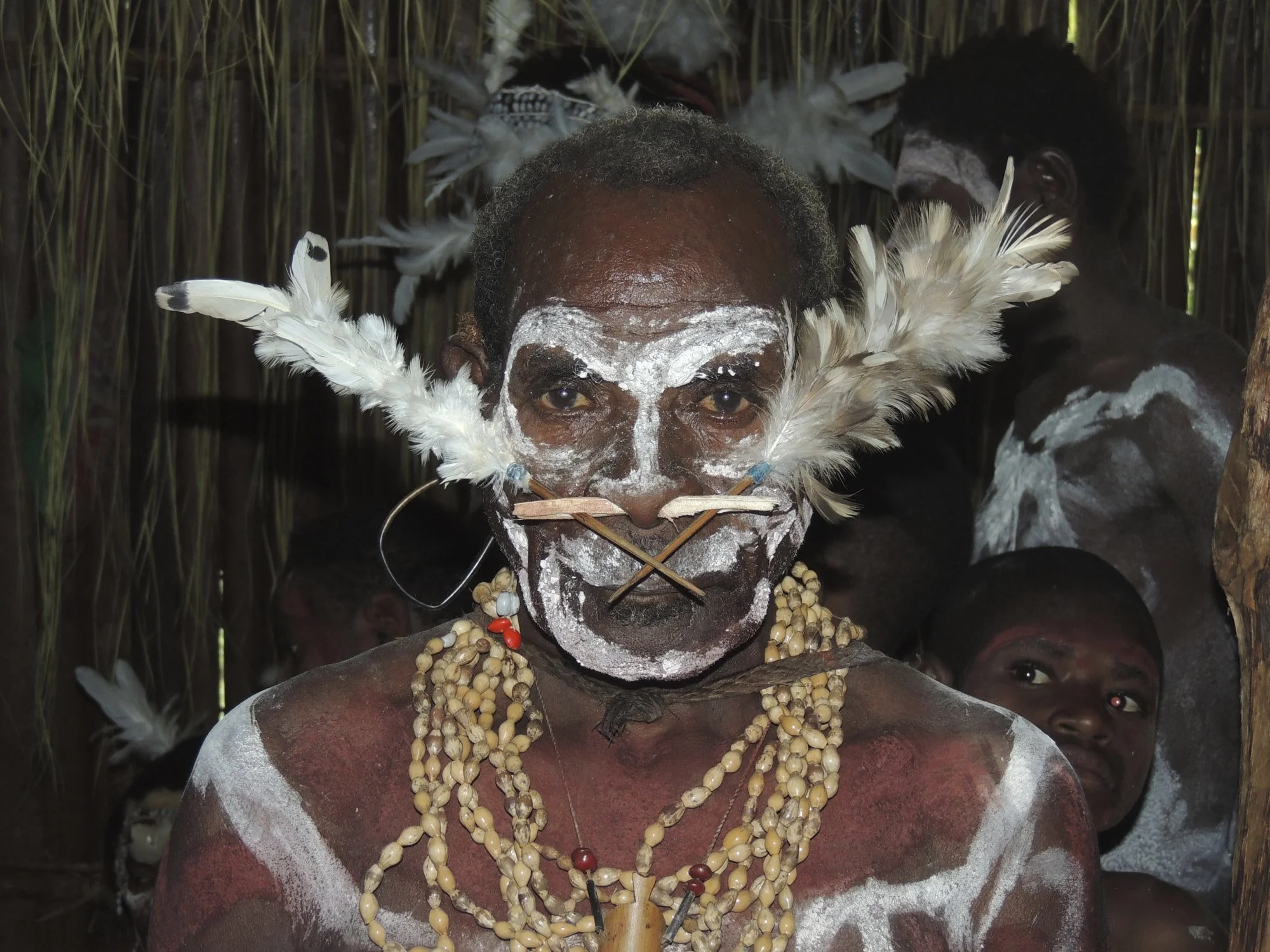
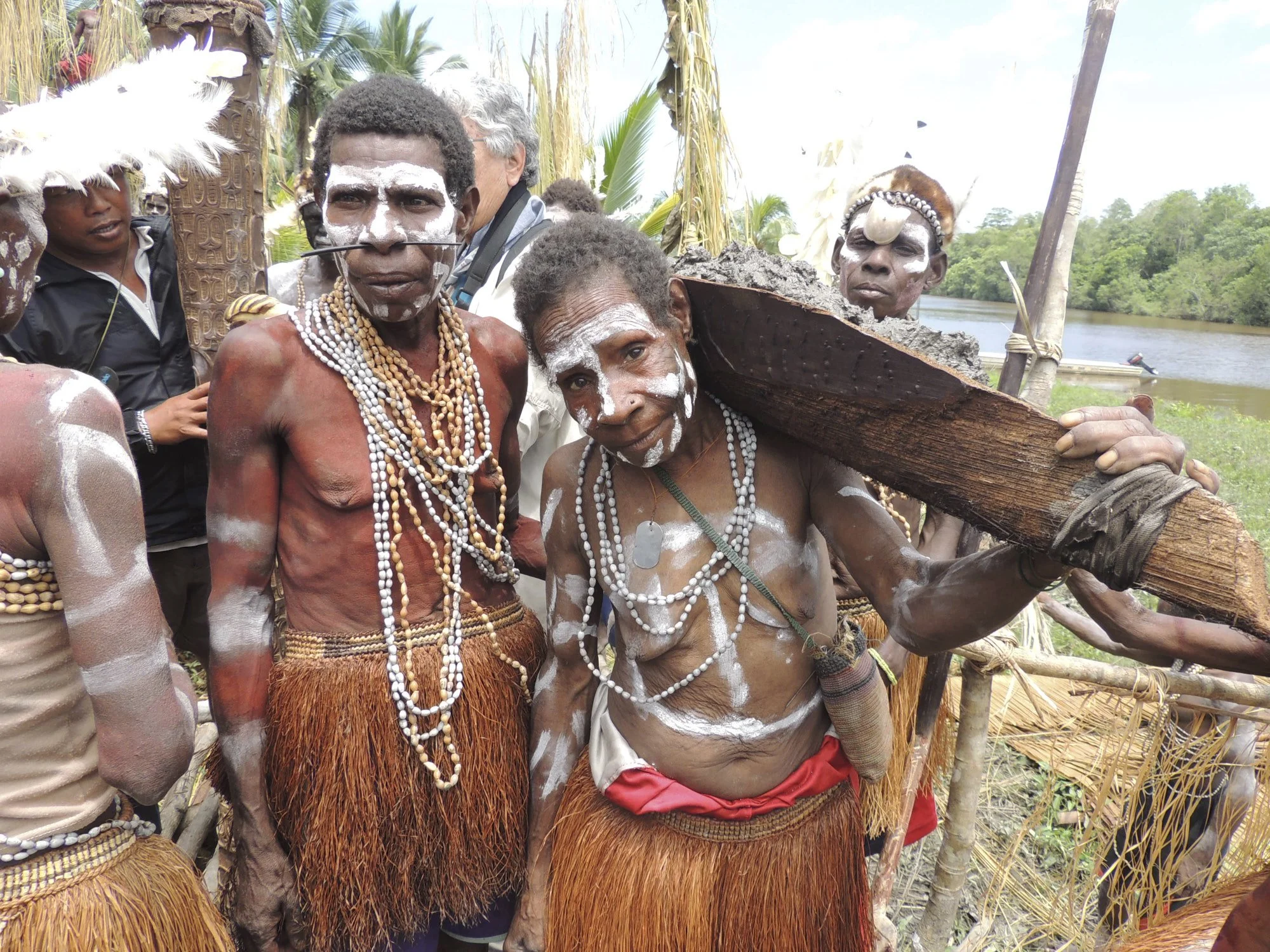
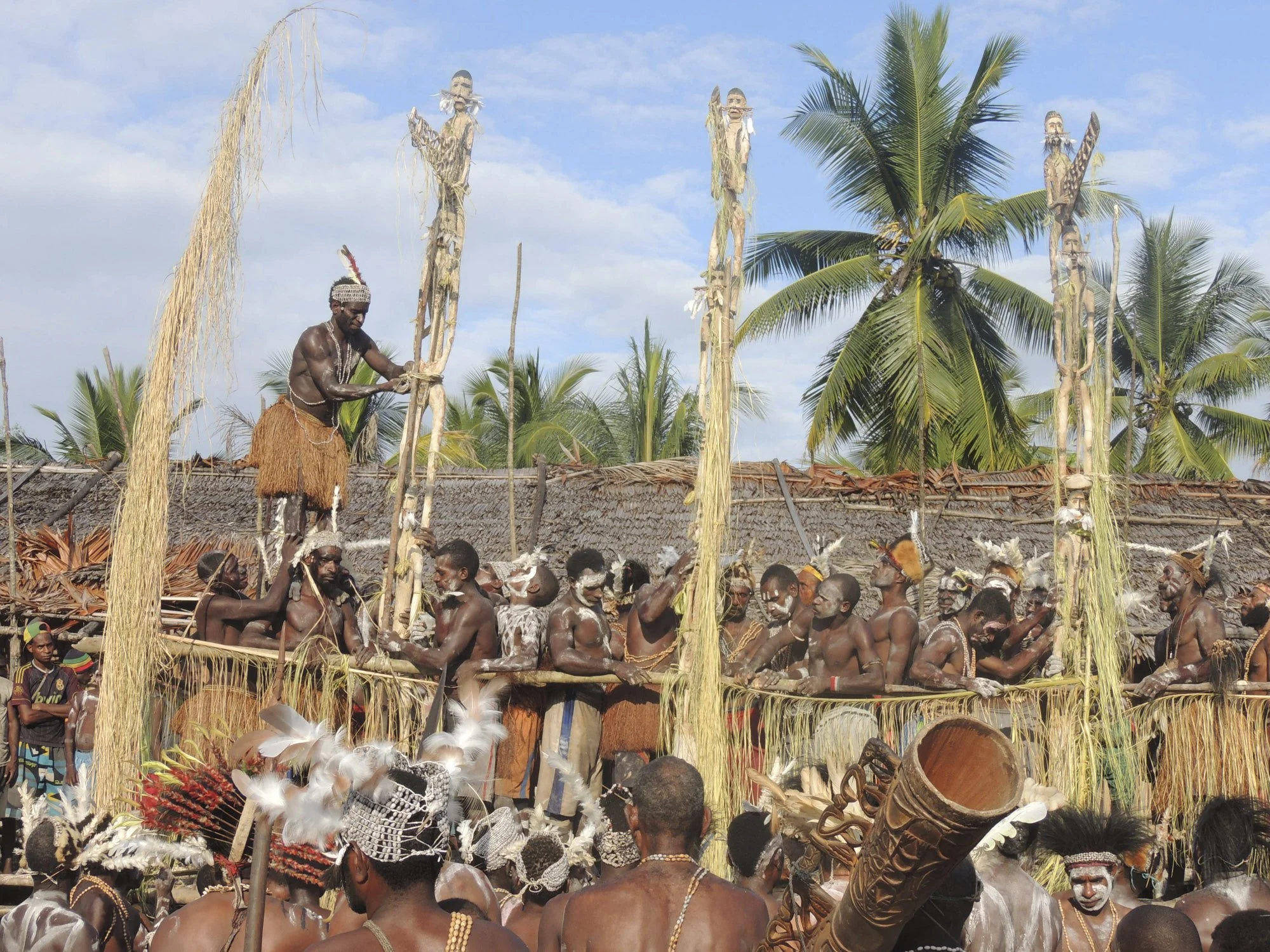
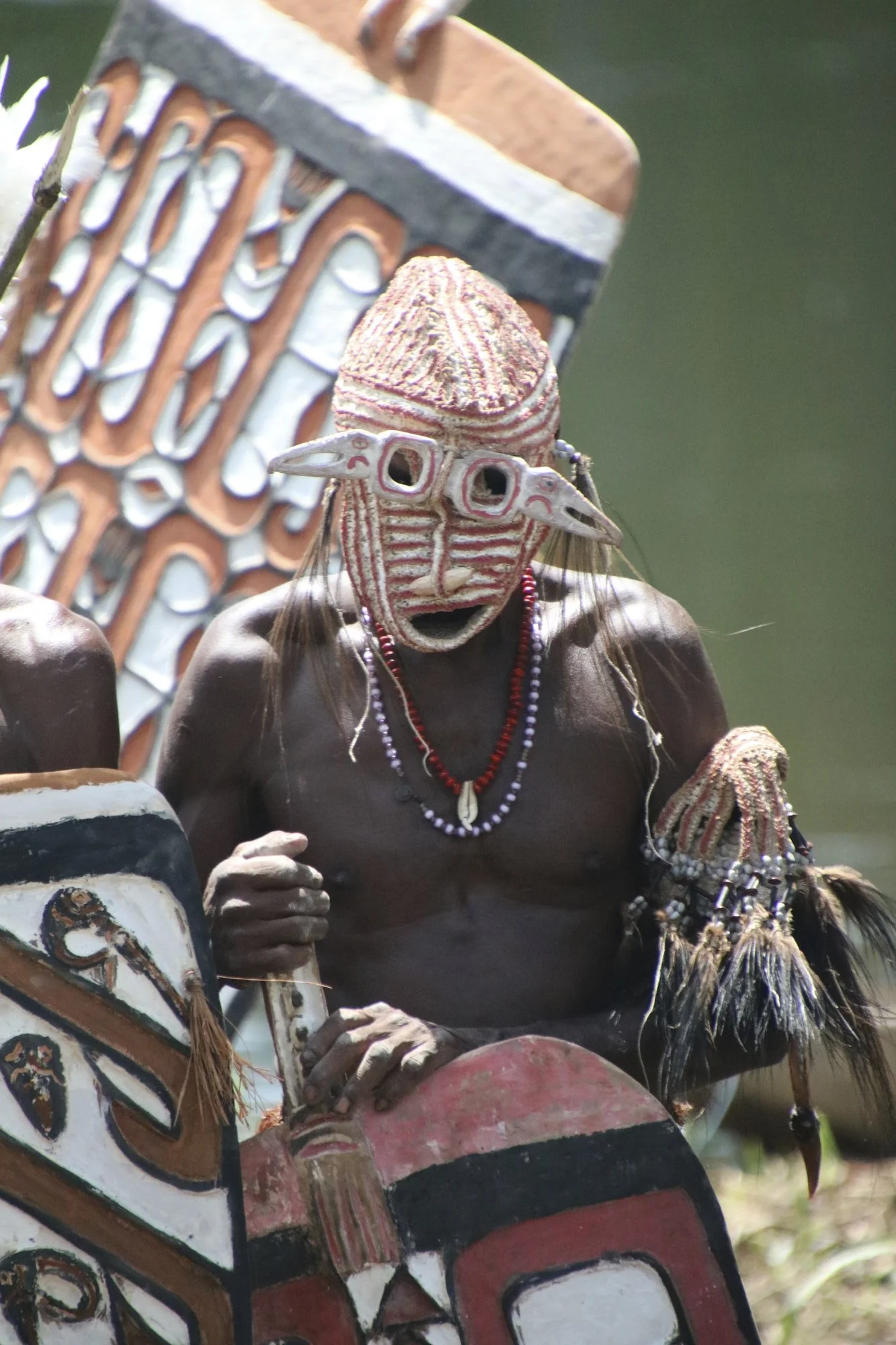
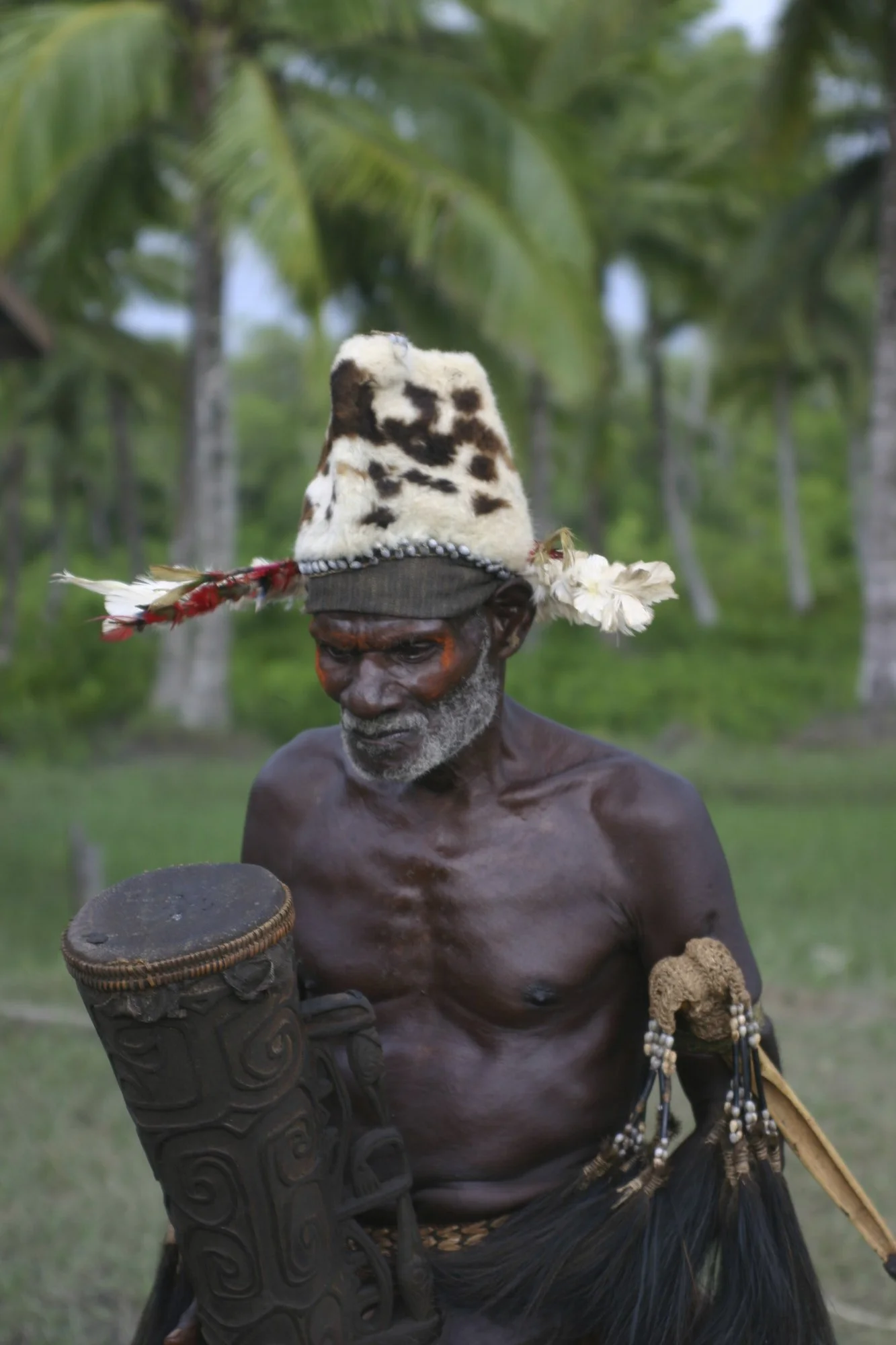
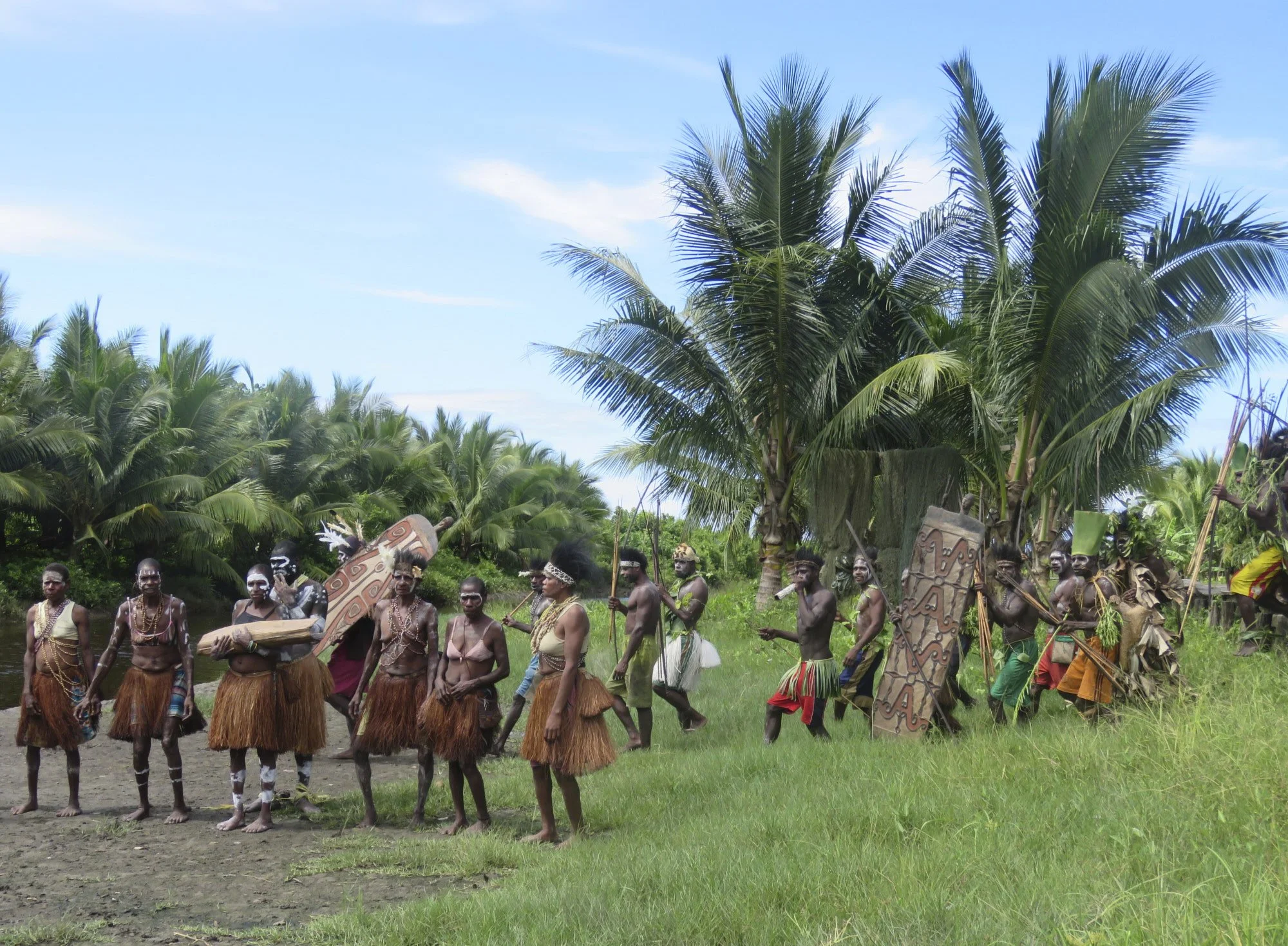
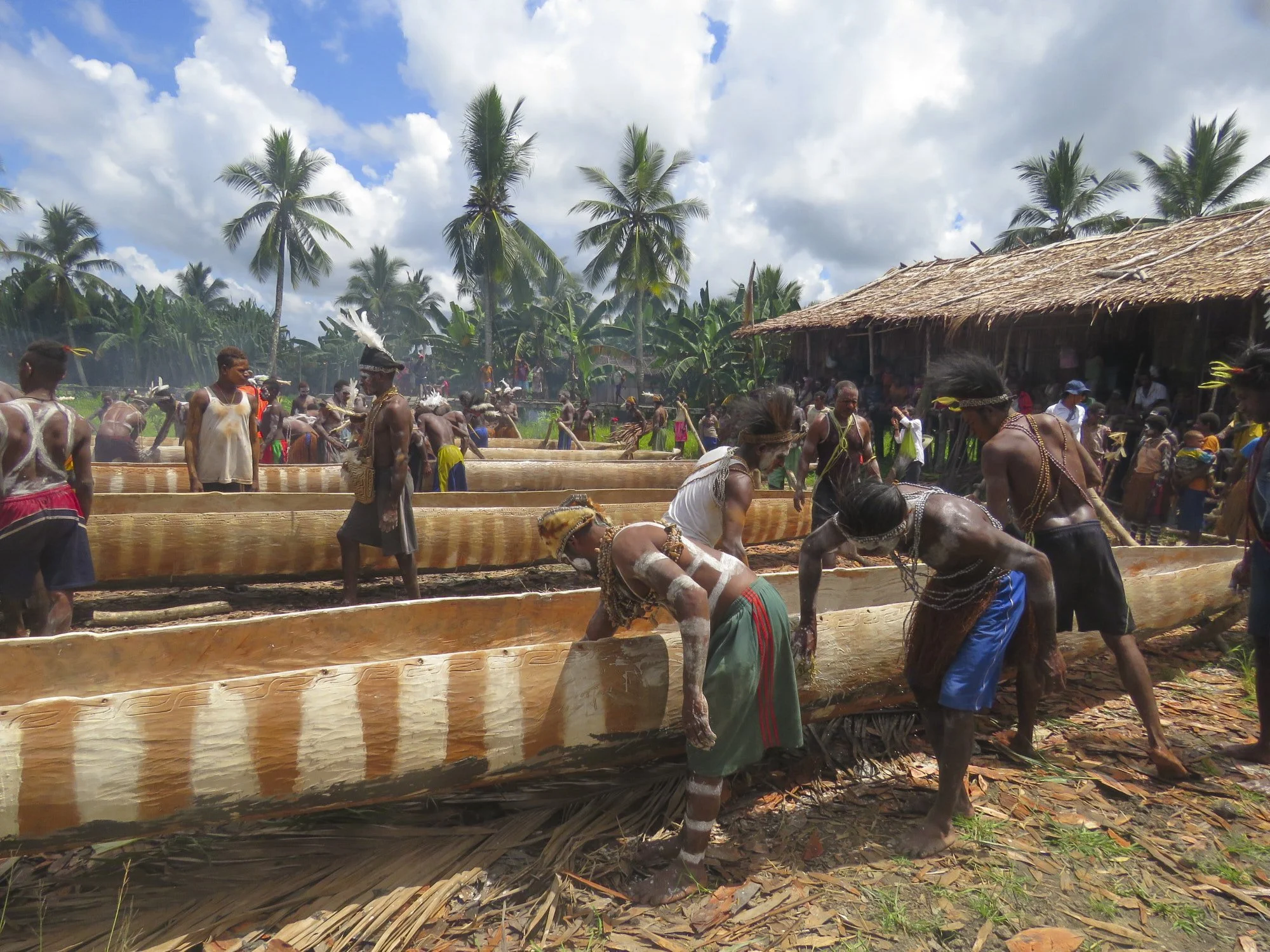
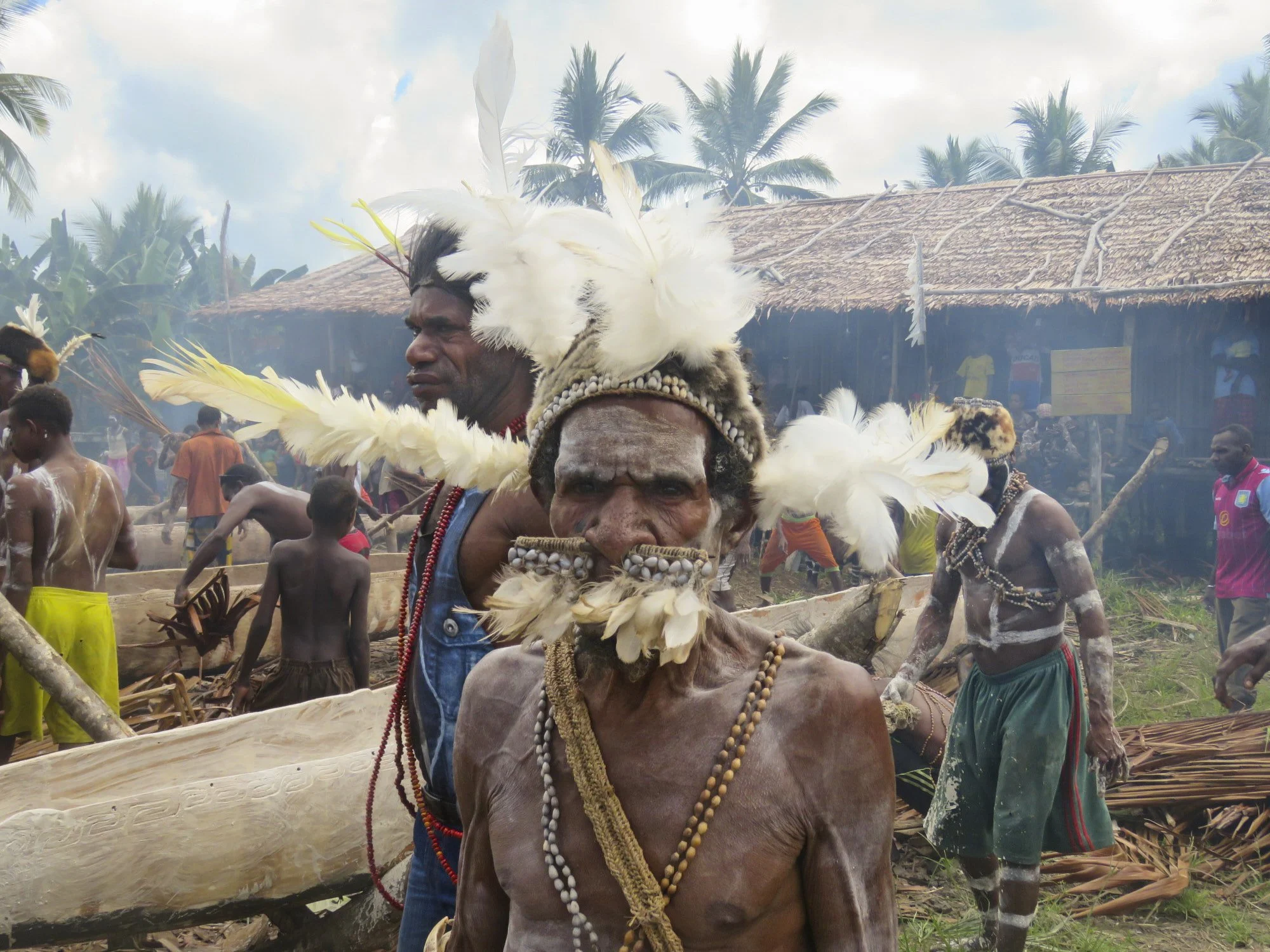
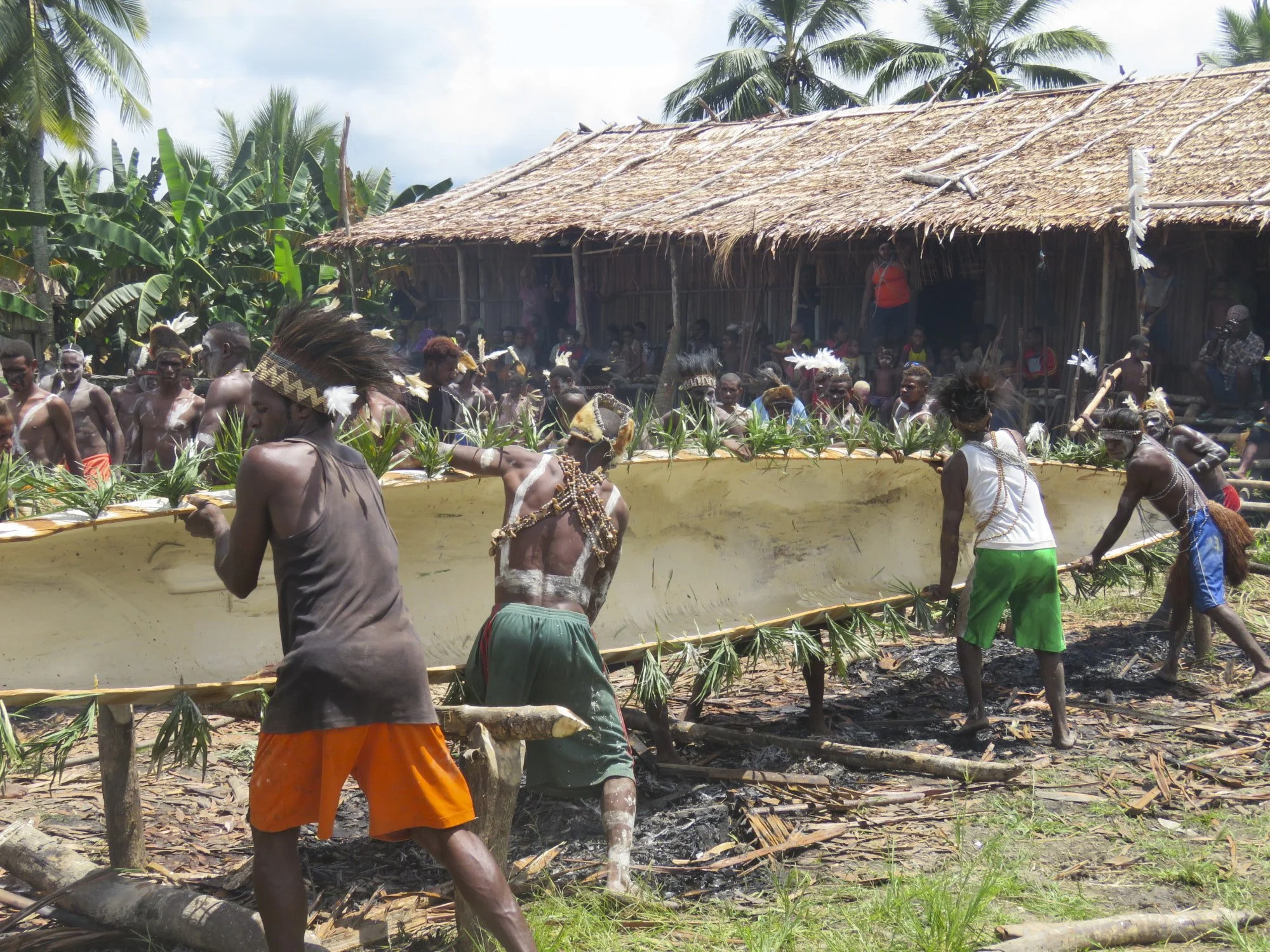
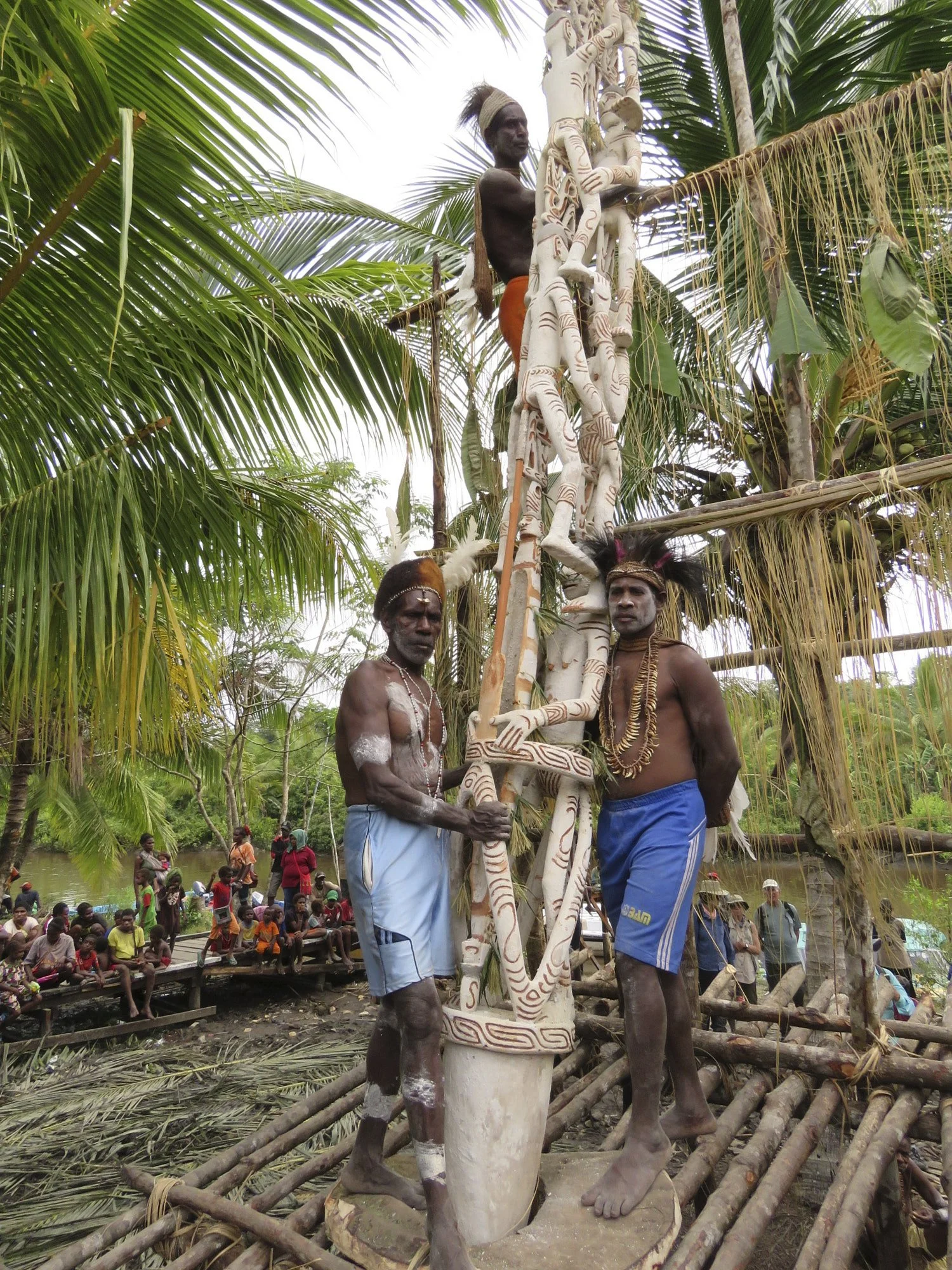
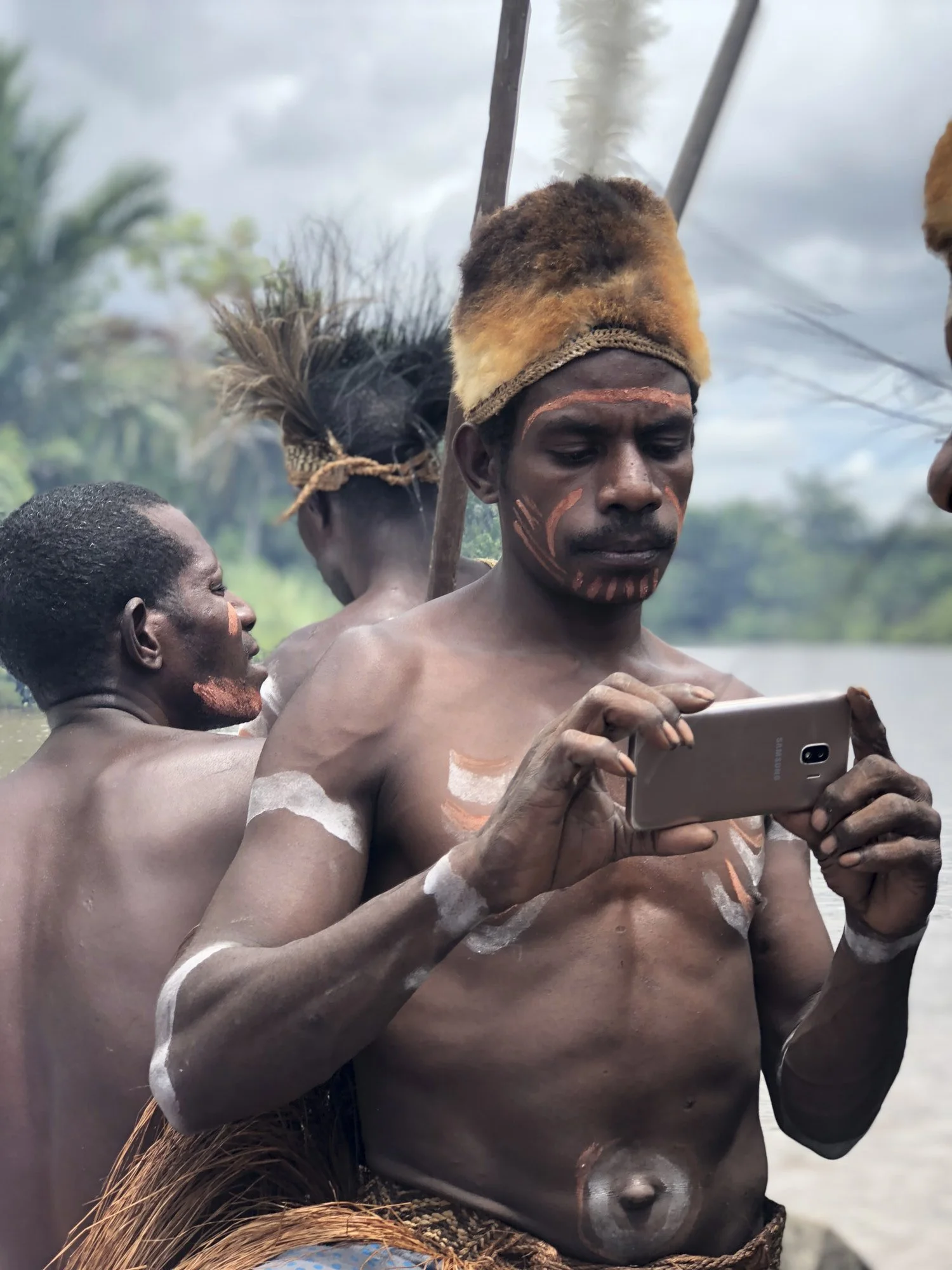
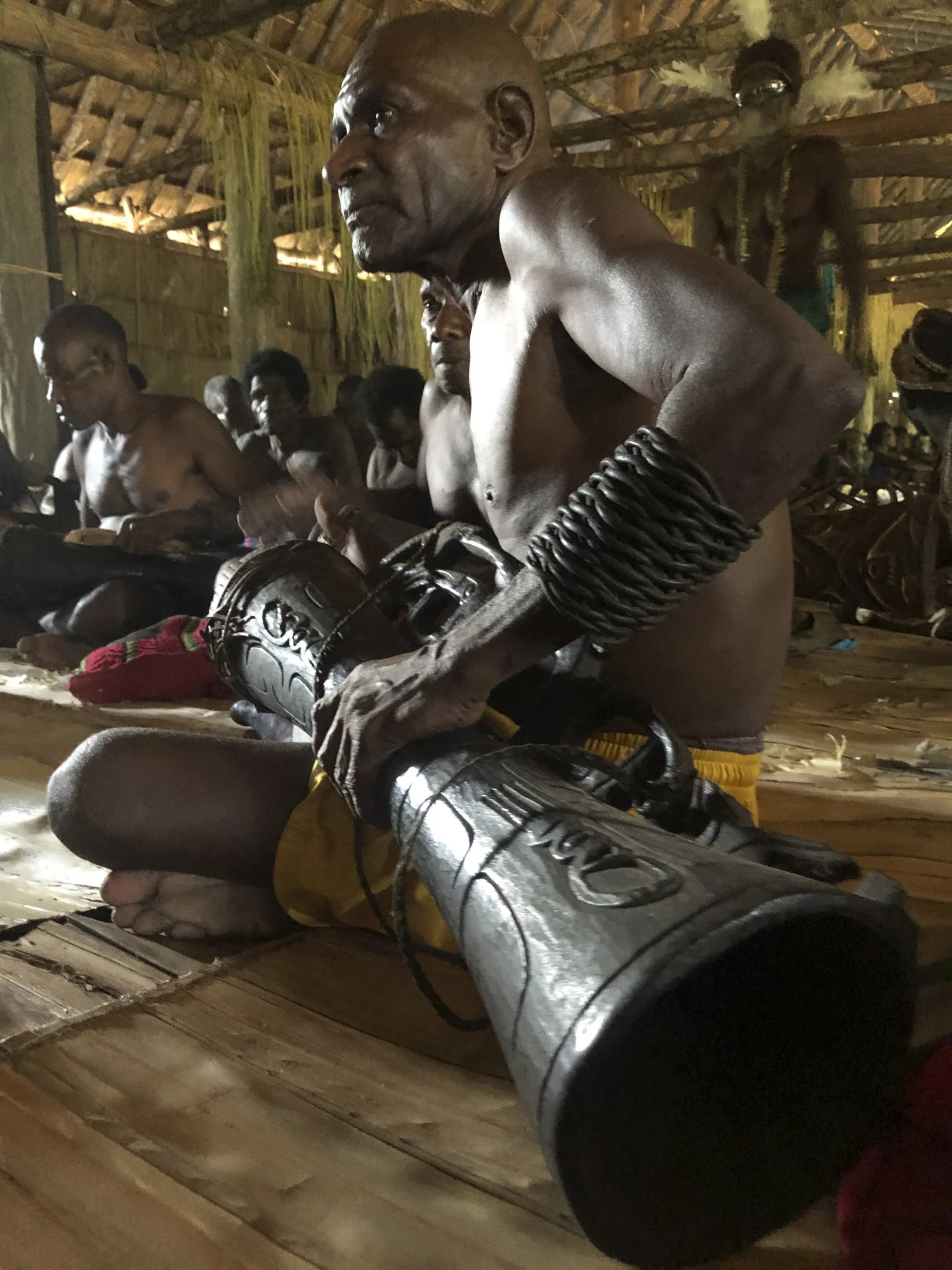
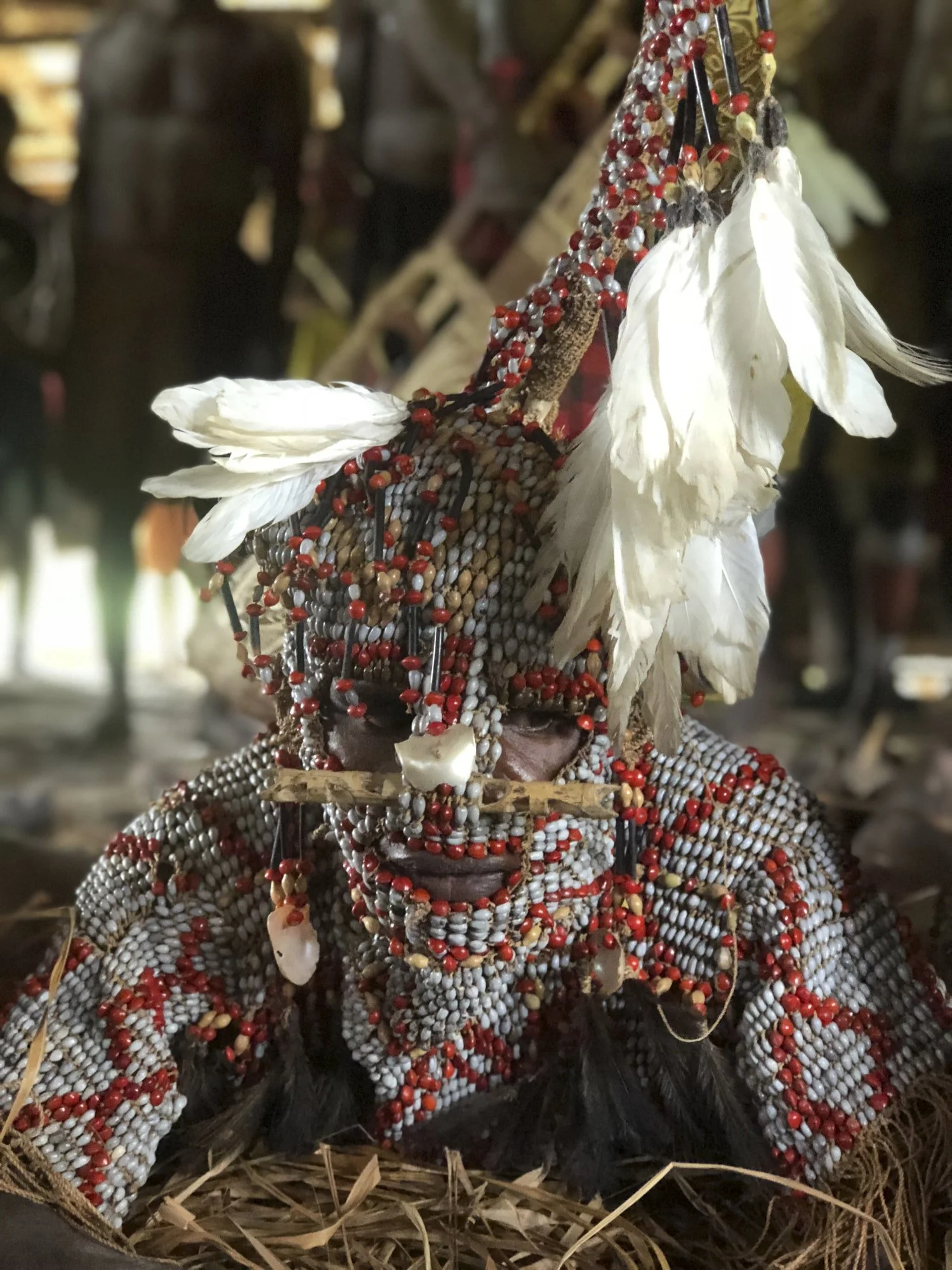
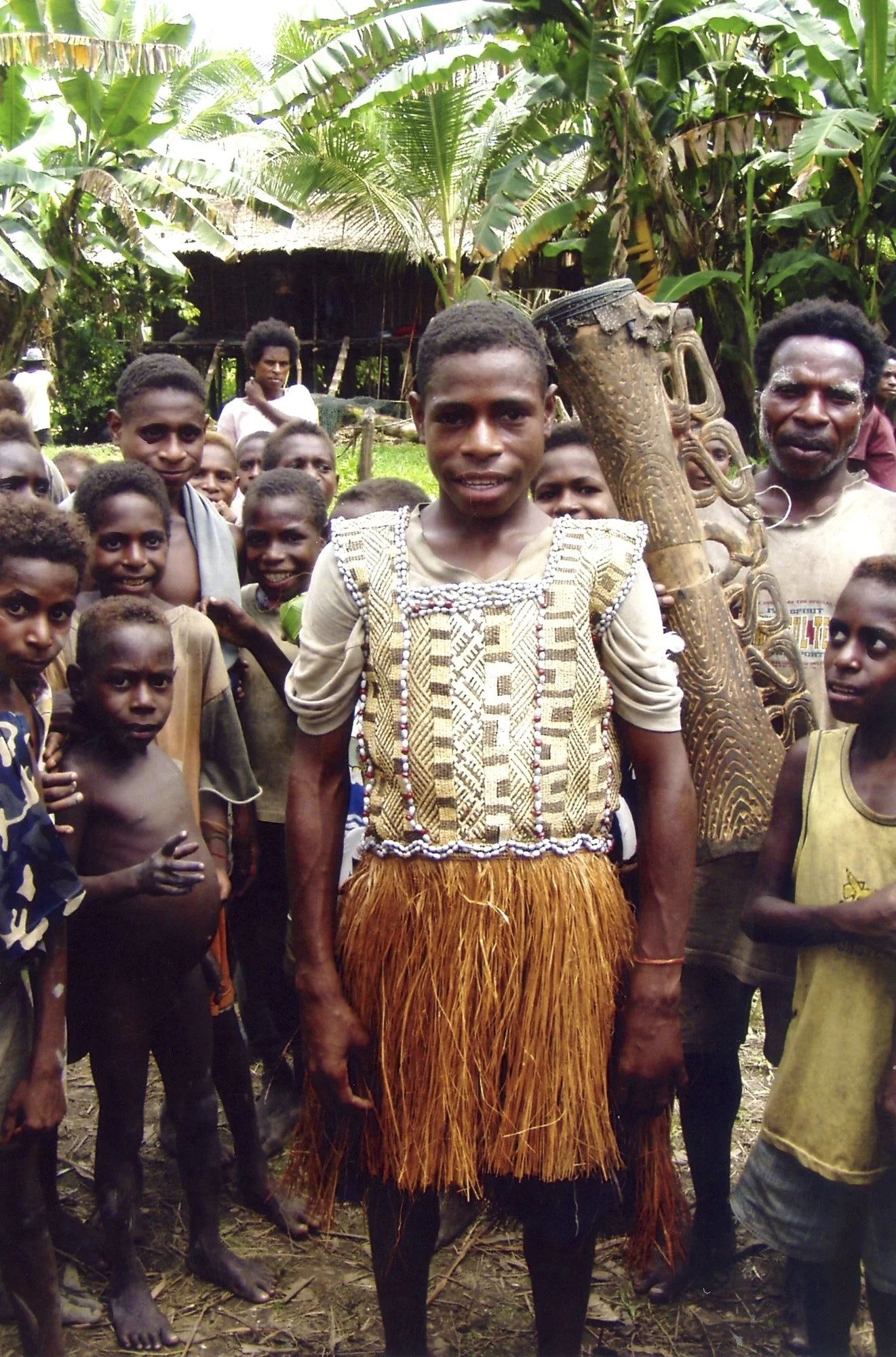
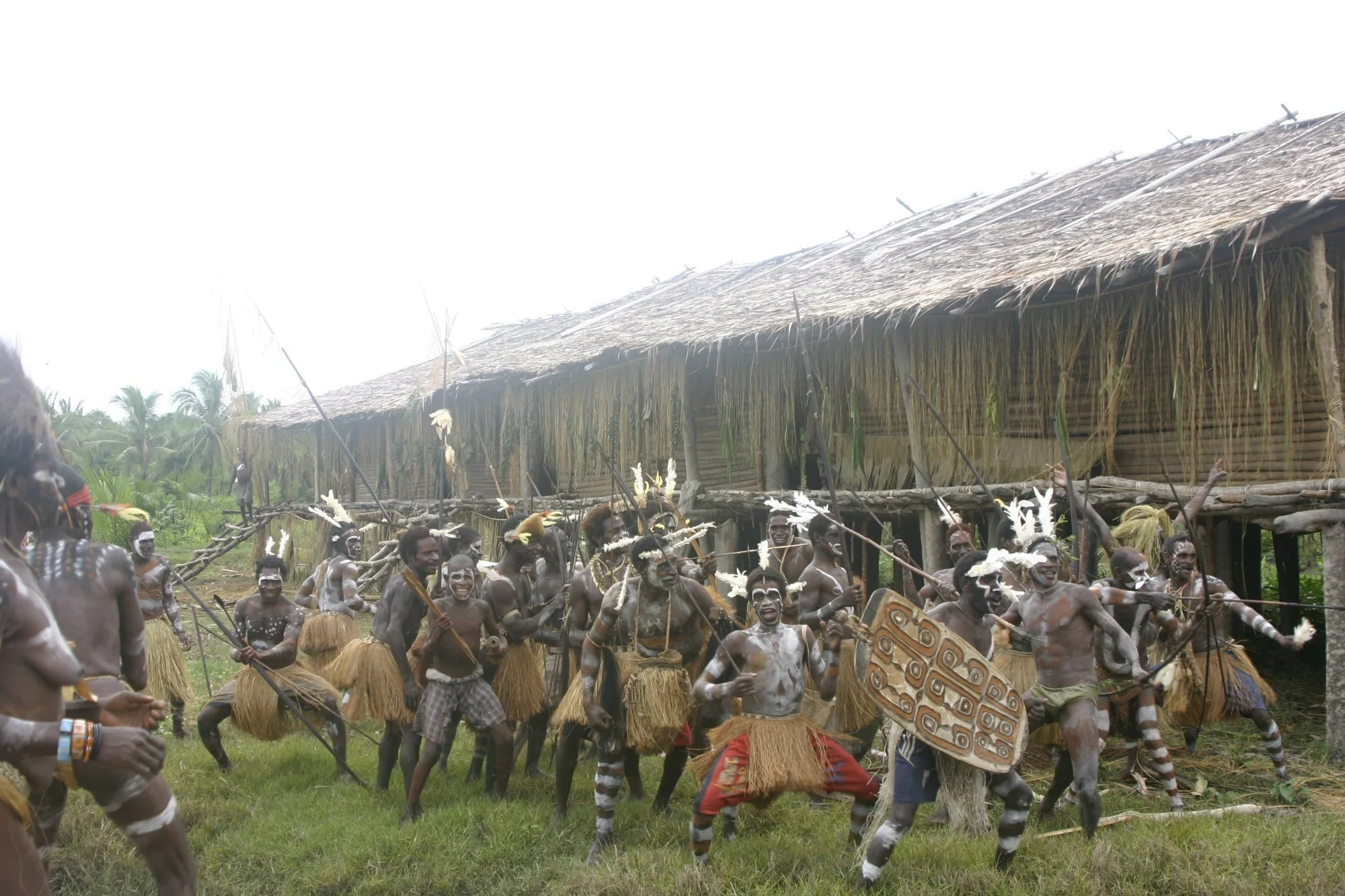
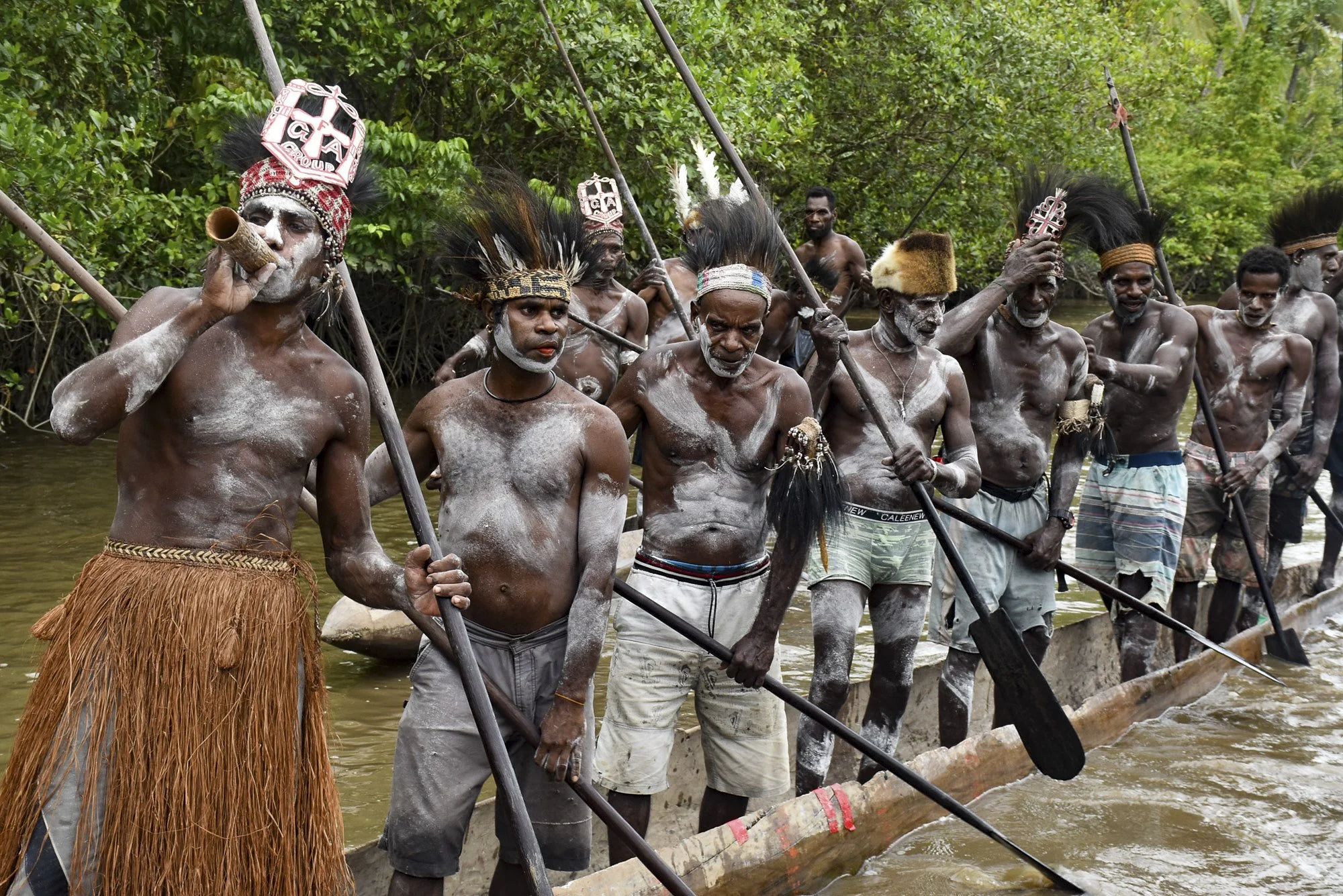
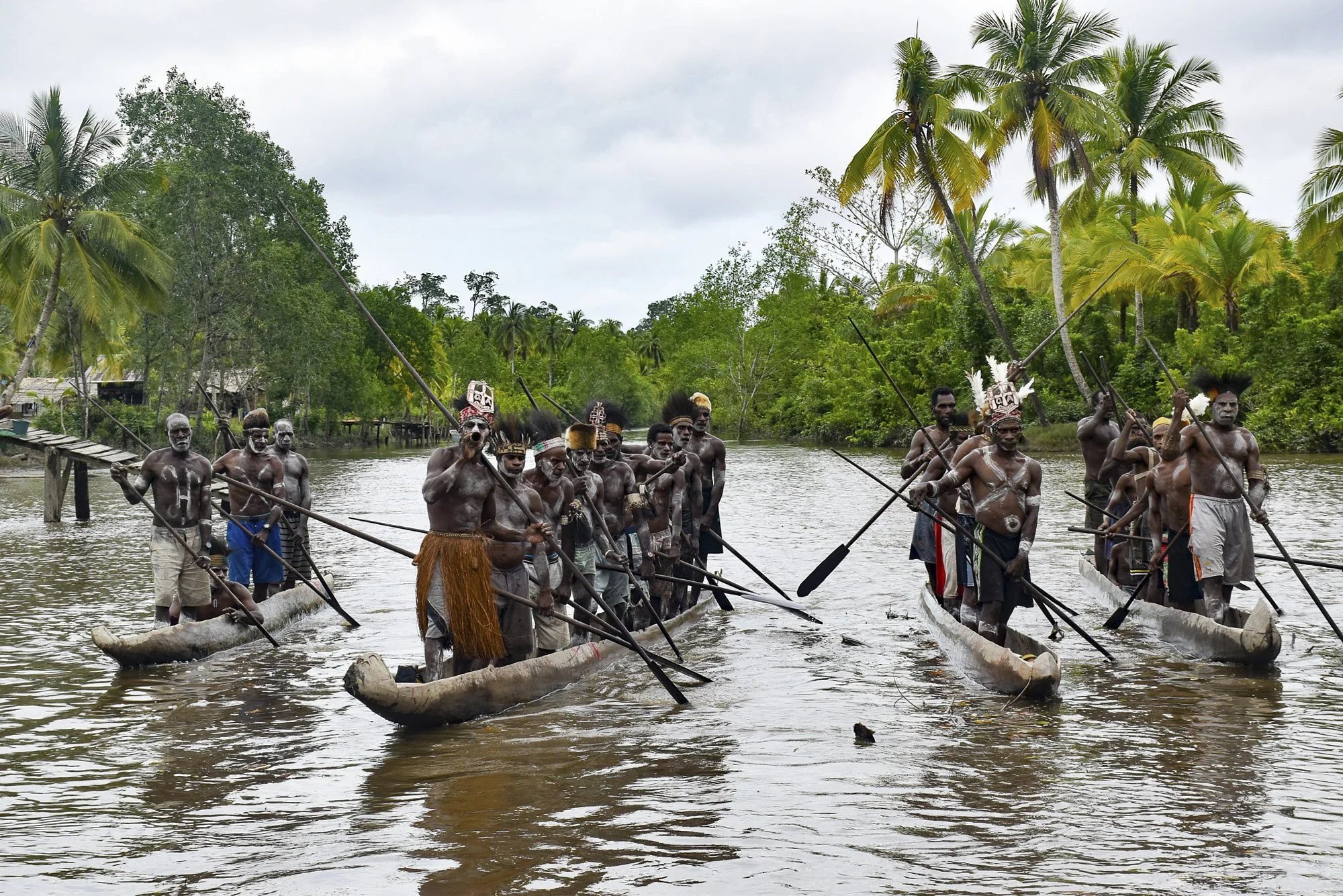
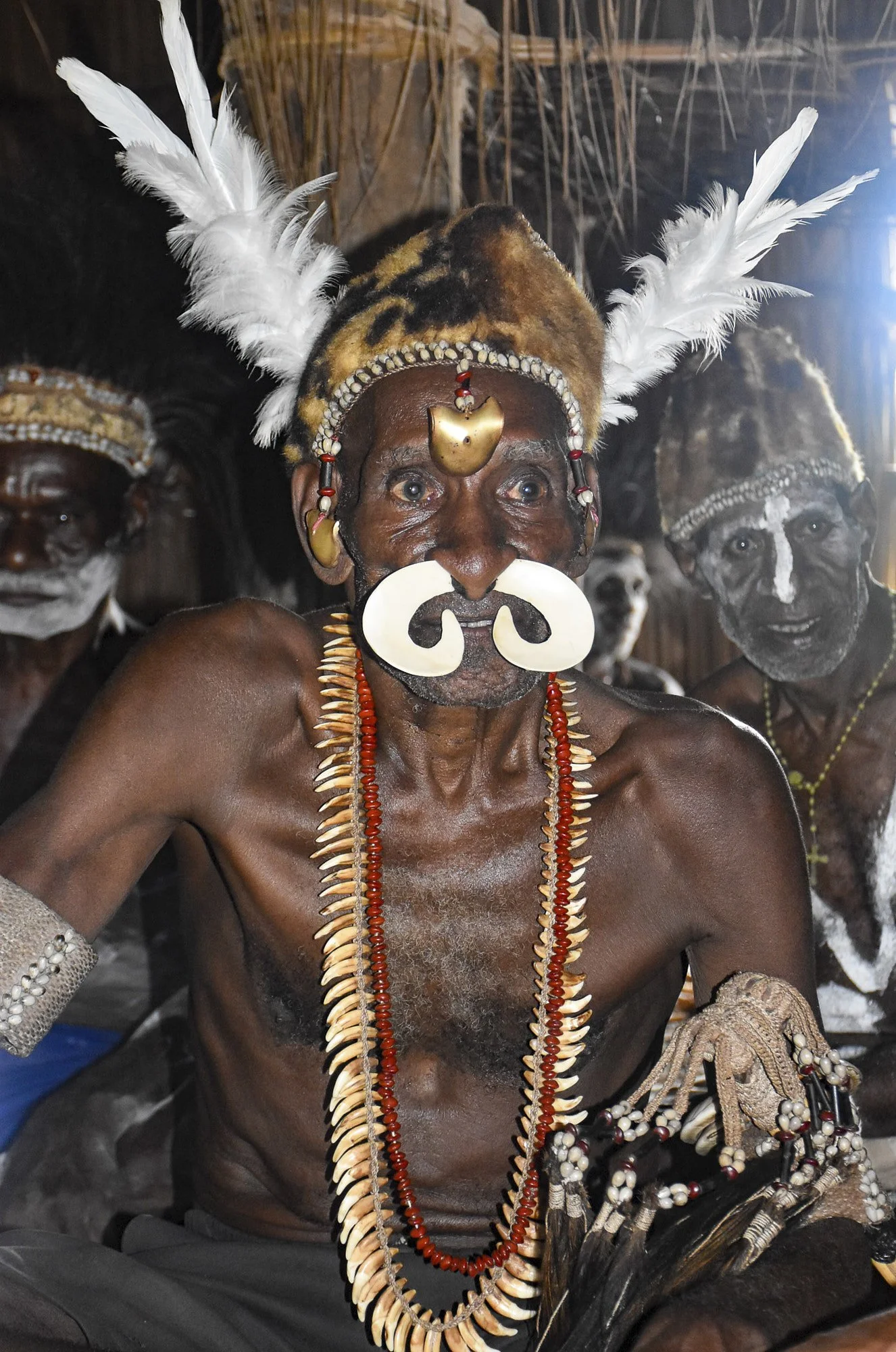
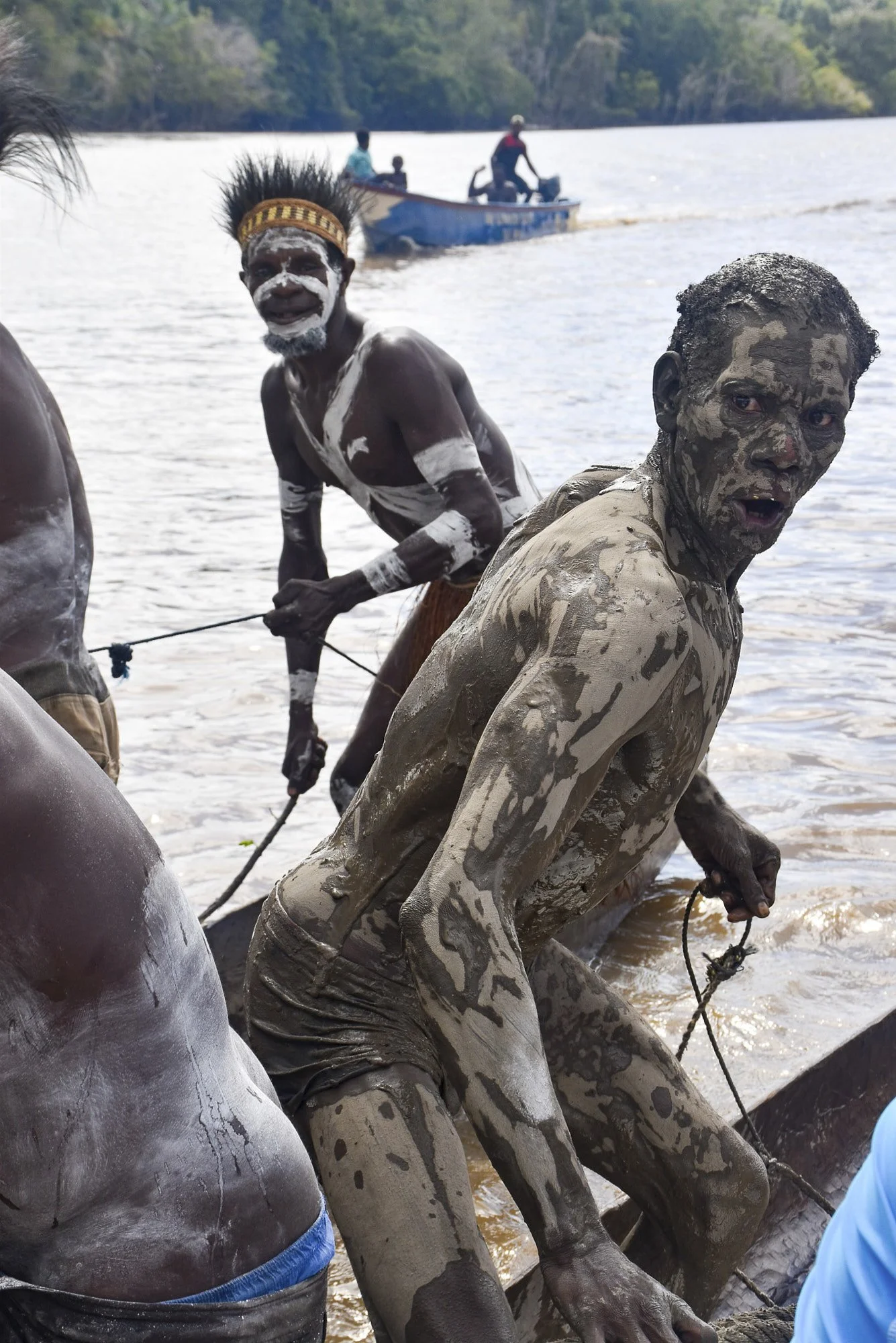
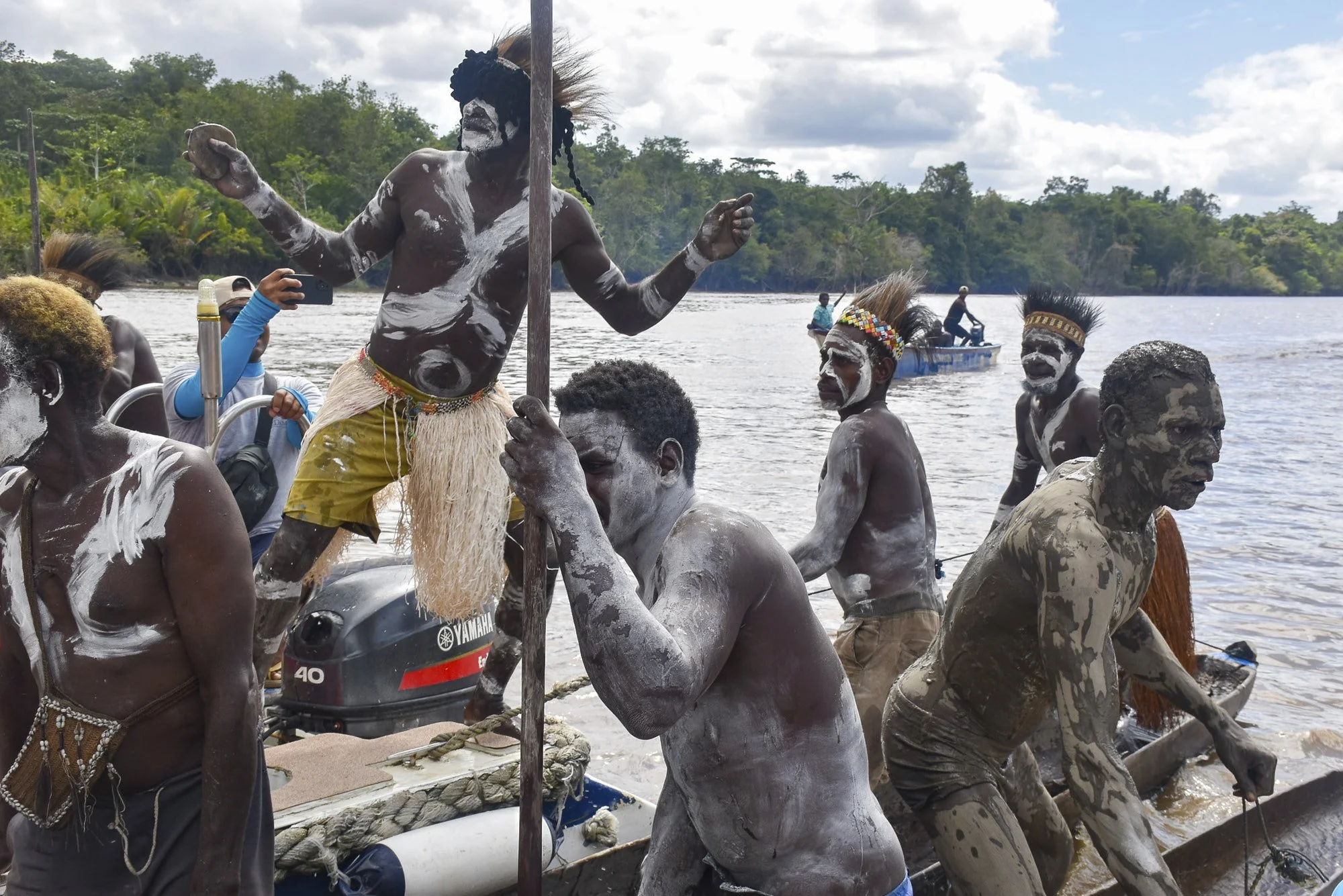
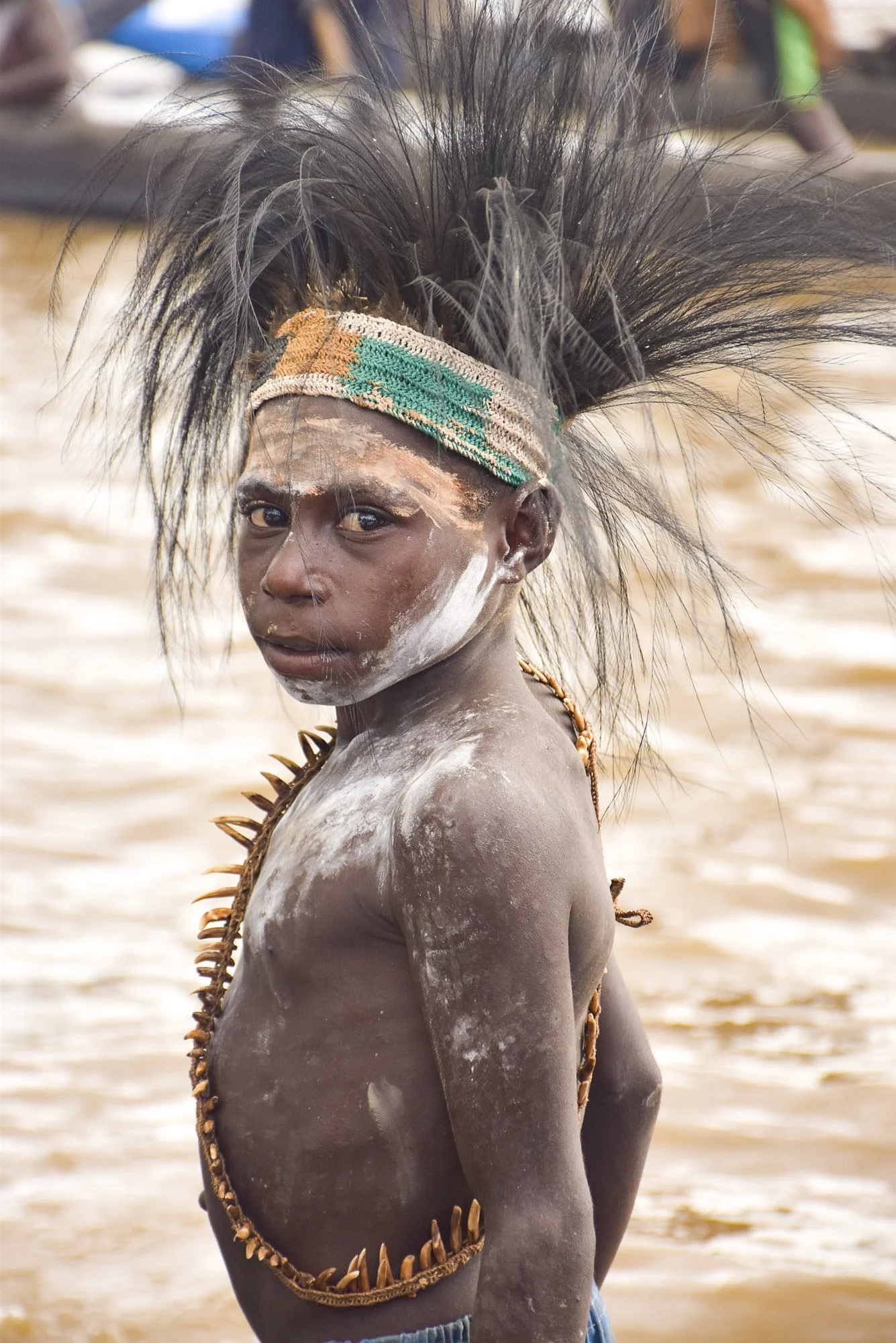
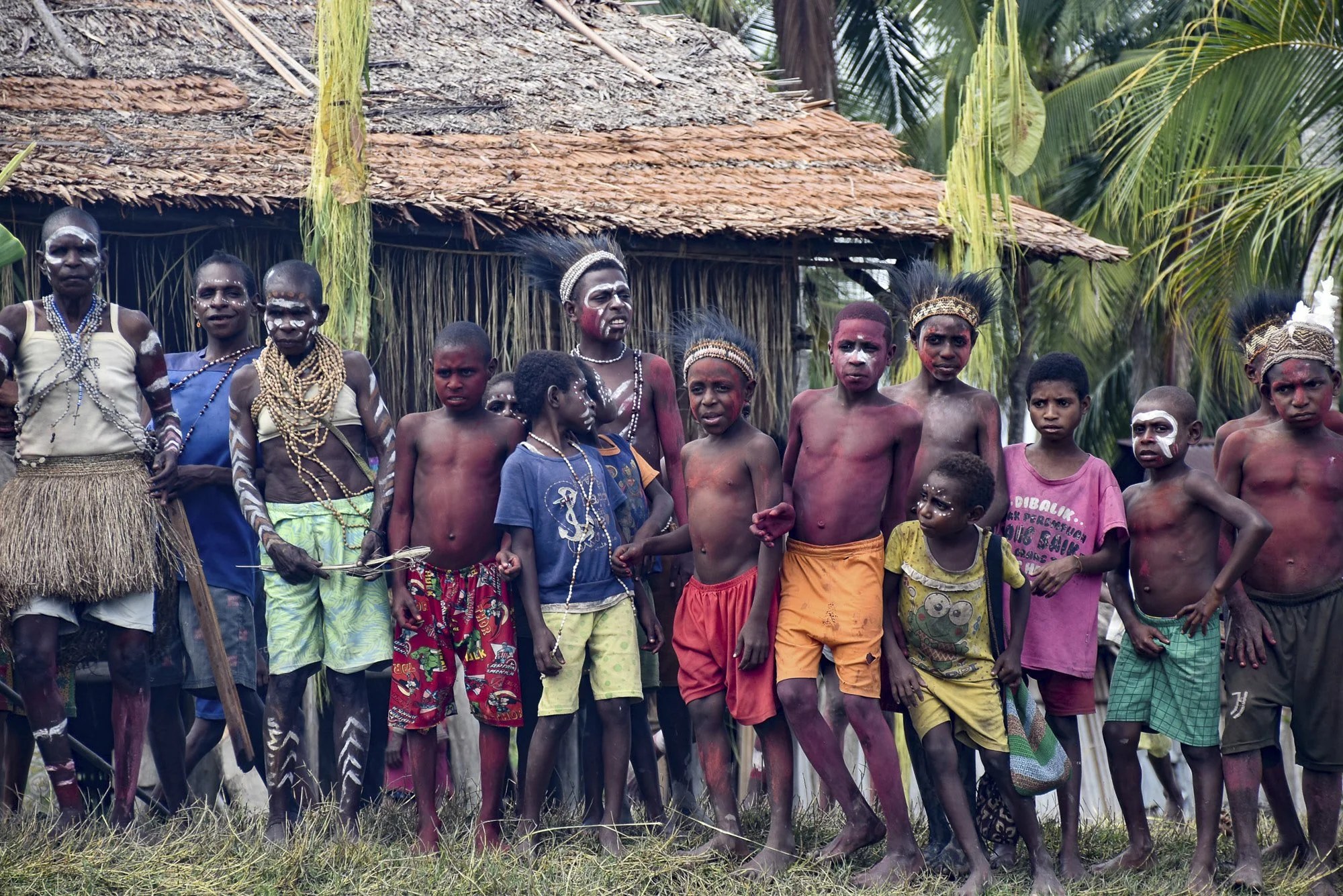
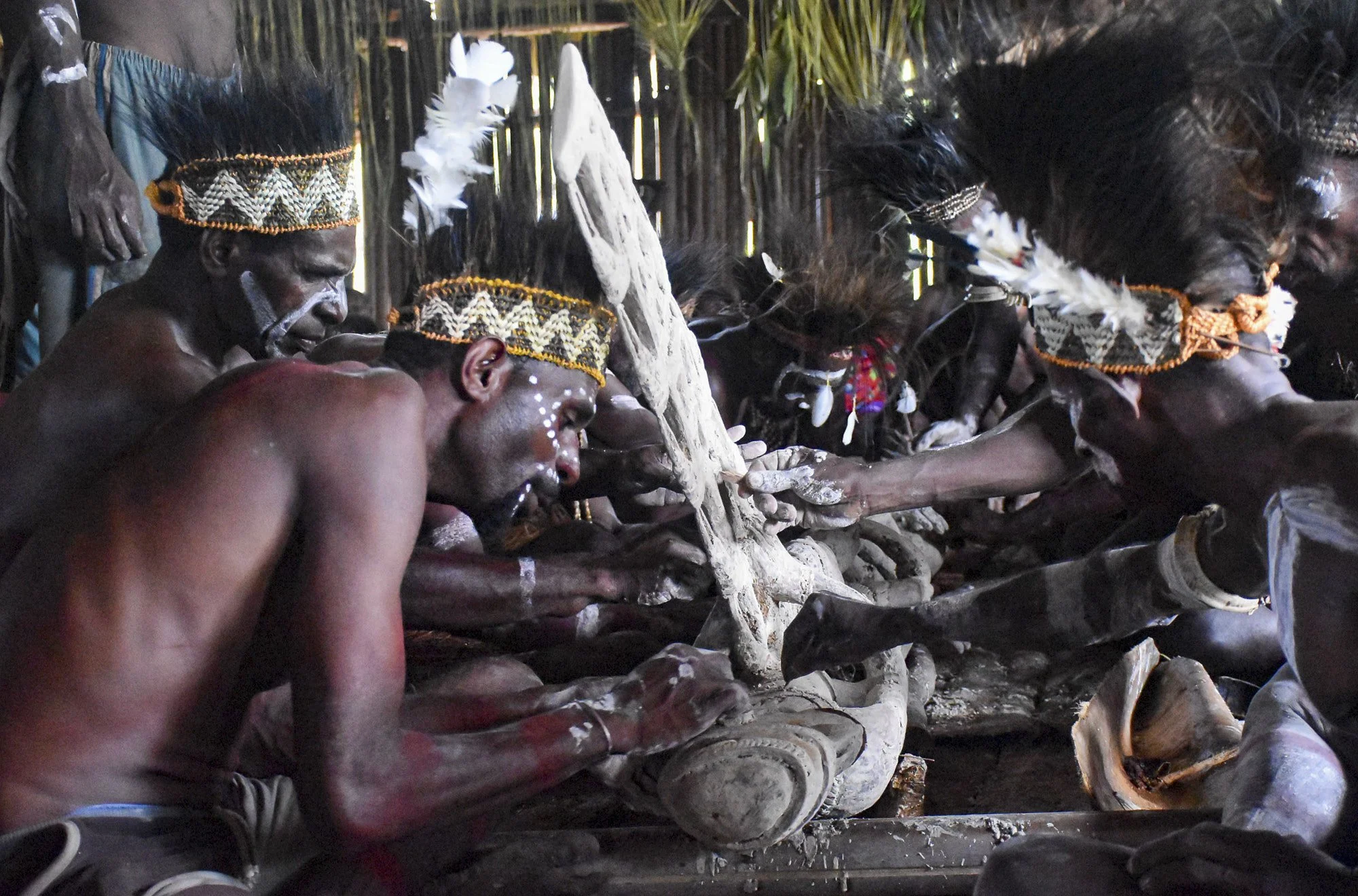
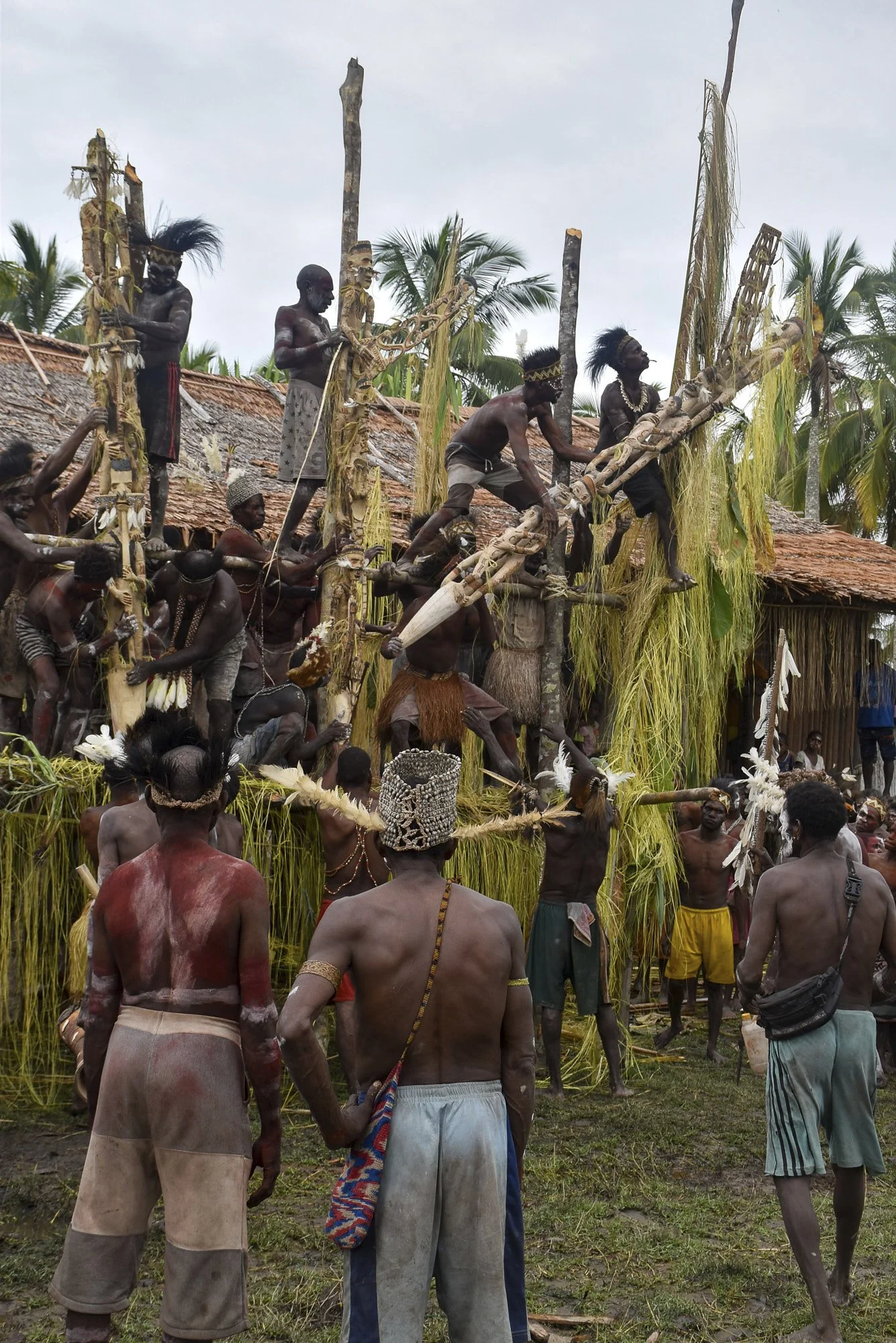
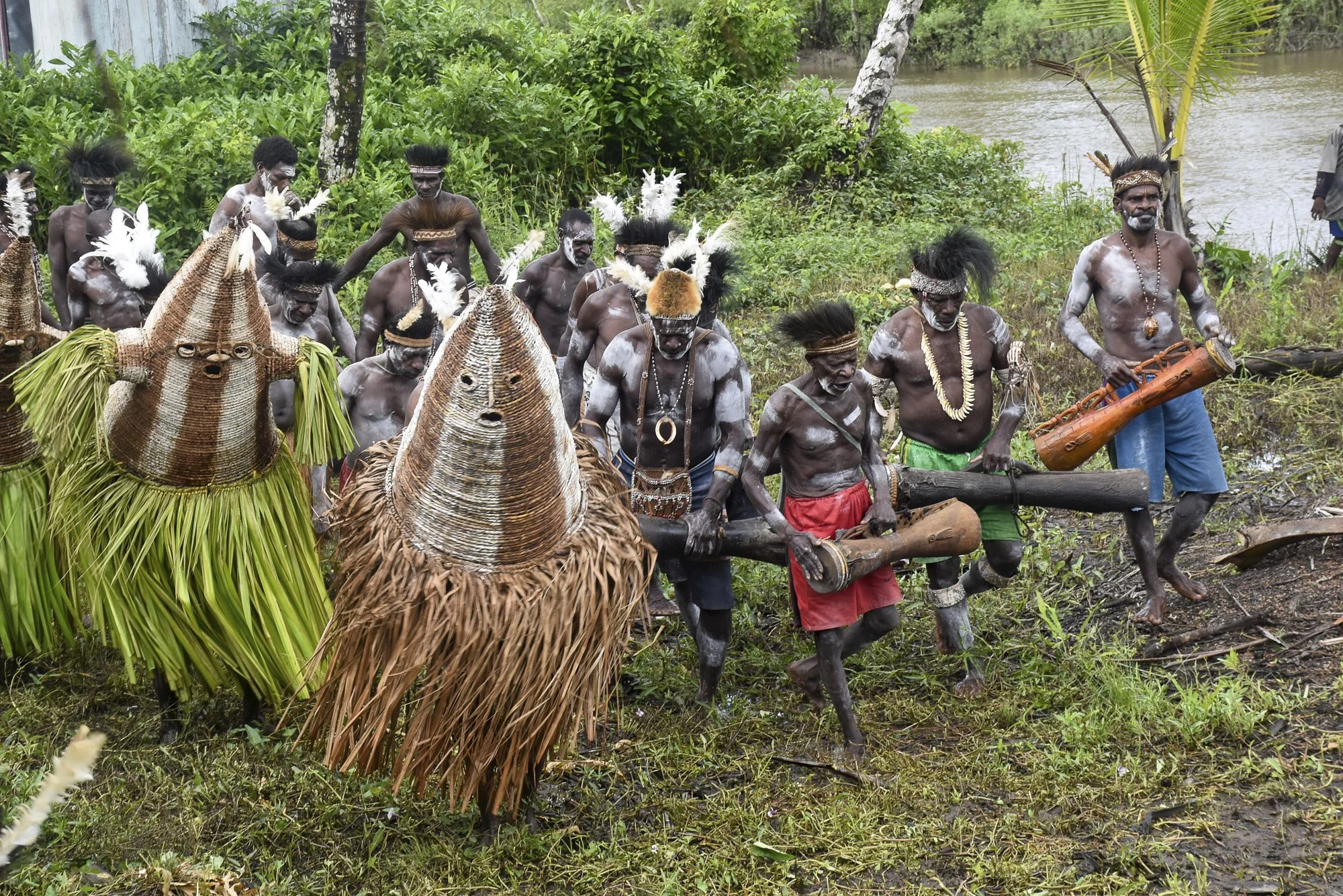
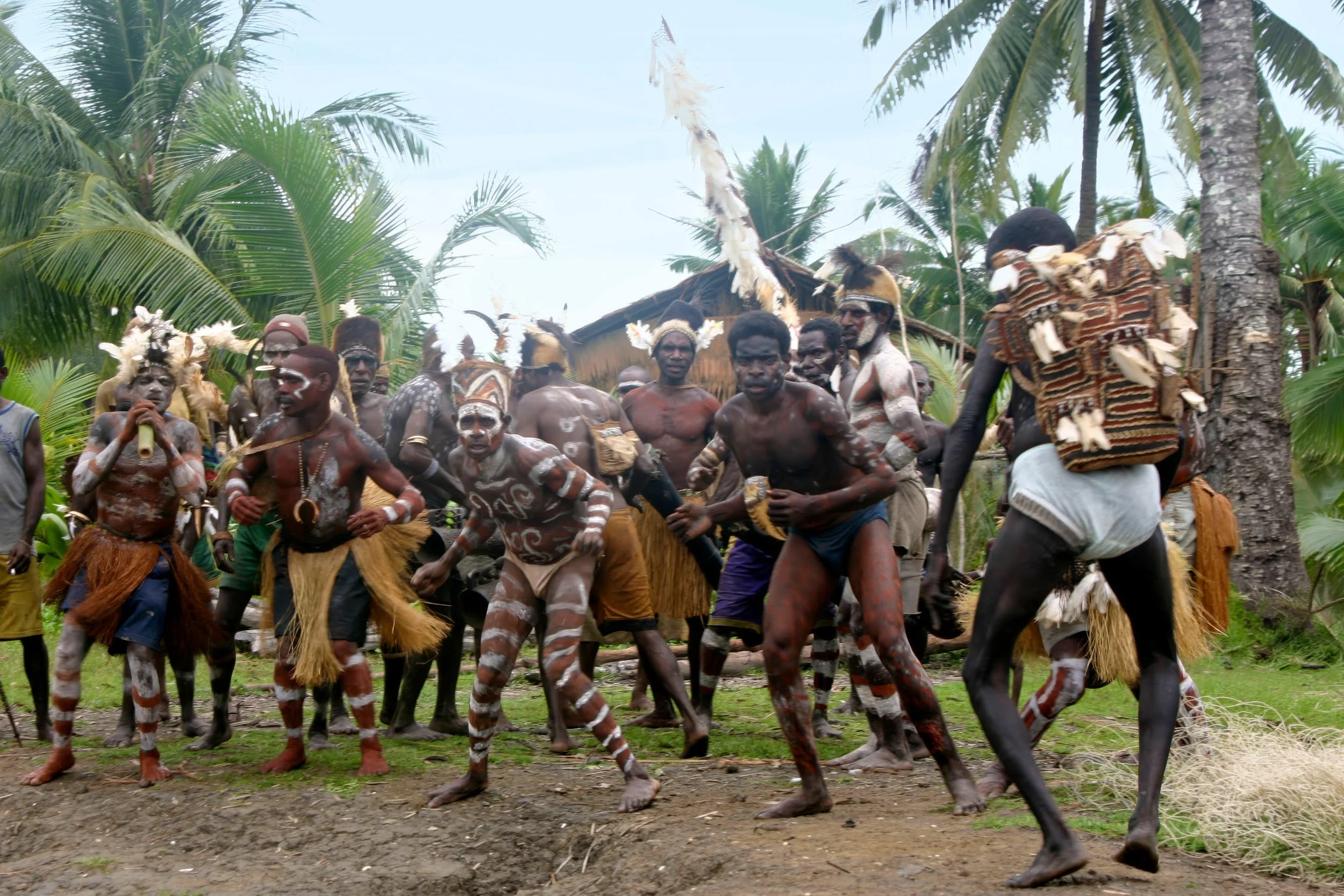
Yet in many parts of Asmat, the heart of the culture remains remarkably intact. Modern life has certainly arrived, but many of the ceremonies, rituals, and beliefs continue much as they have for generations. Central to Asmat life is the need to maintain balance between the world of the living and the world of the ancestors. The ceremonies of honouring the dead take up to a year to plan, prepare and execute. Ceremonies are central to Asmat life, sustaining the delicate balance between the living and the ancestral world.
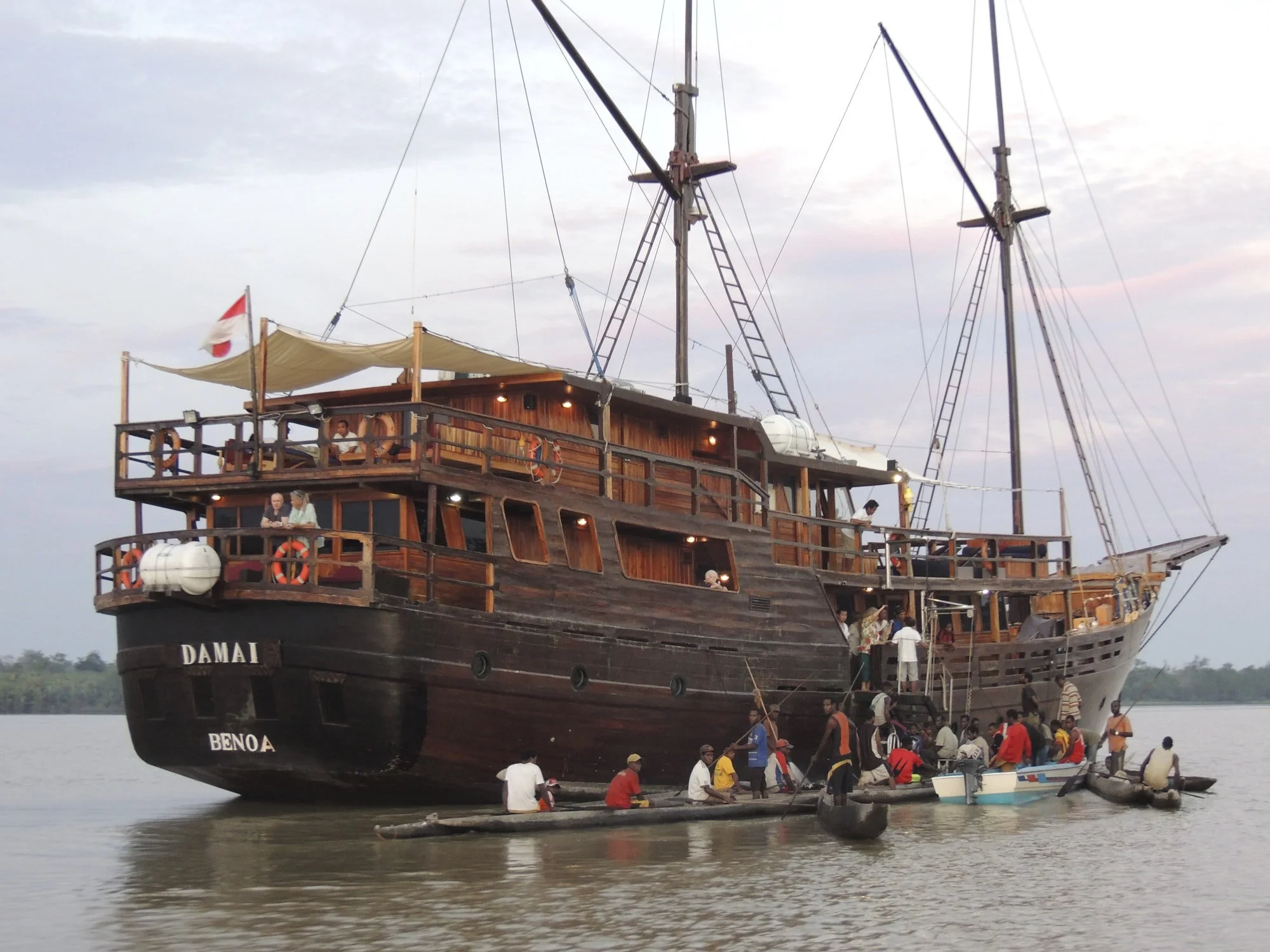
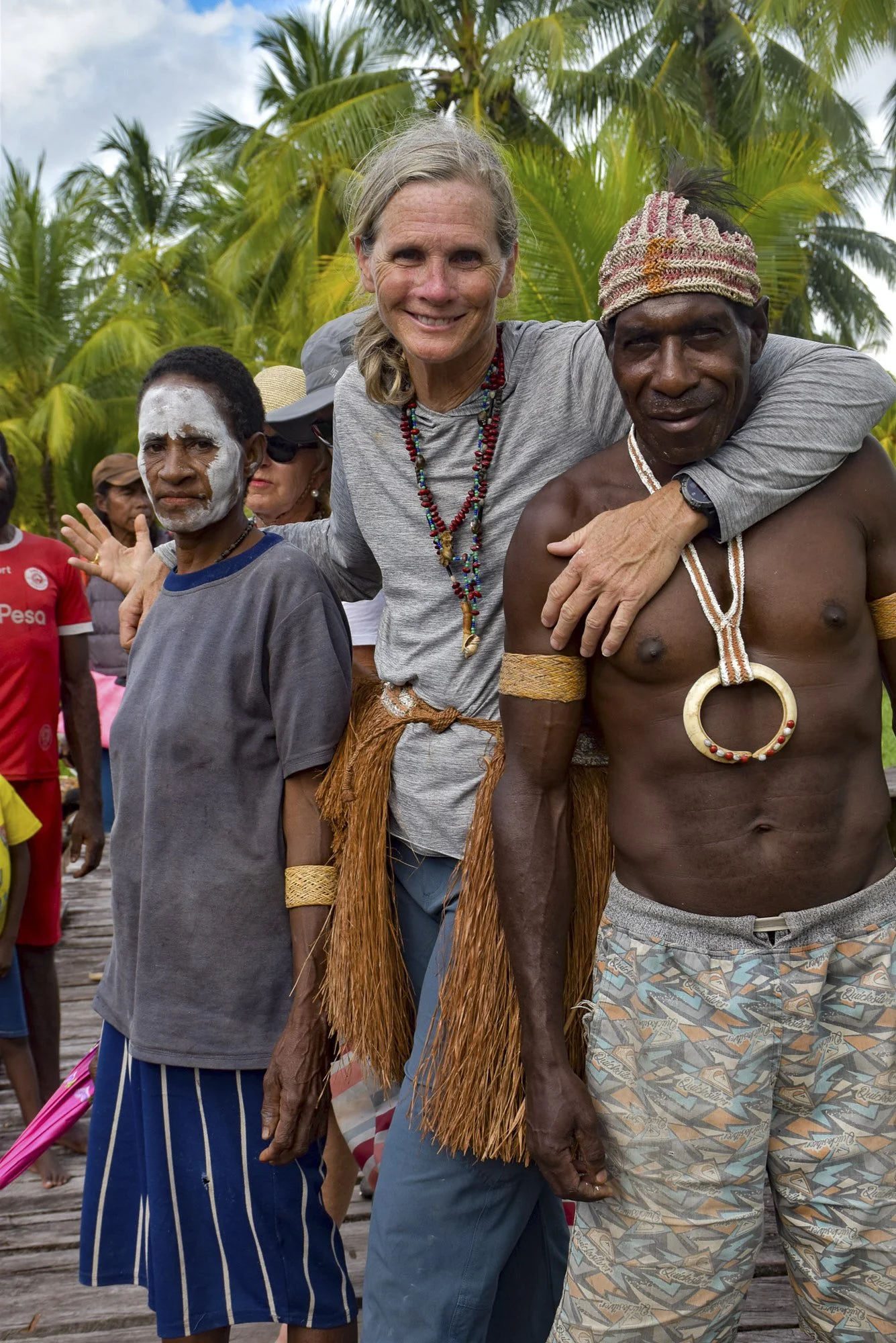
This is one of the reasons I've kept returning—and one of the reasons I began taking small groups there. There is something extraordinary about being able to experience a place where traditions remain intact and where ceremonies practiced for generations are still part of everyday life.
Asmat art first came into the international spotlight in the early 1960s when Michael Rockefeller, who traveled extensively in the region collecting and documenting Asmat carving disappeared in 1961. At the time headhunting was still practiced in parts of Asmat and the region remained one of the most inaccessible places in the world. His disappearance drew worldwide attention to Asmat people and their unique sculptural traditions.
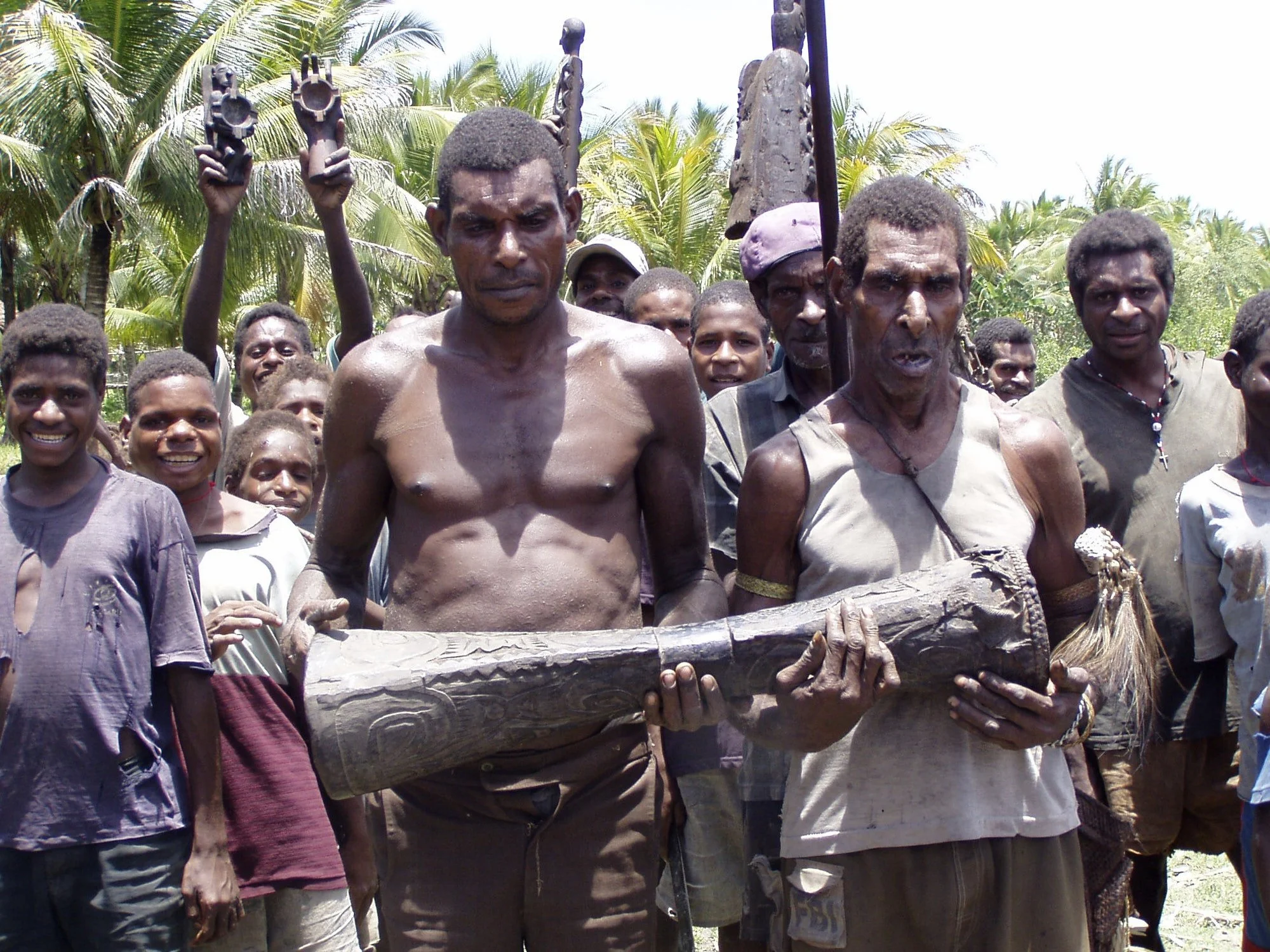
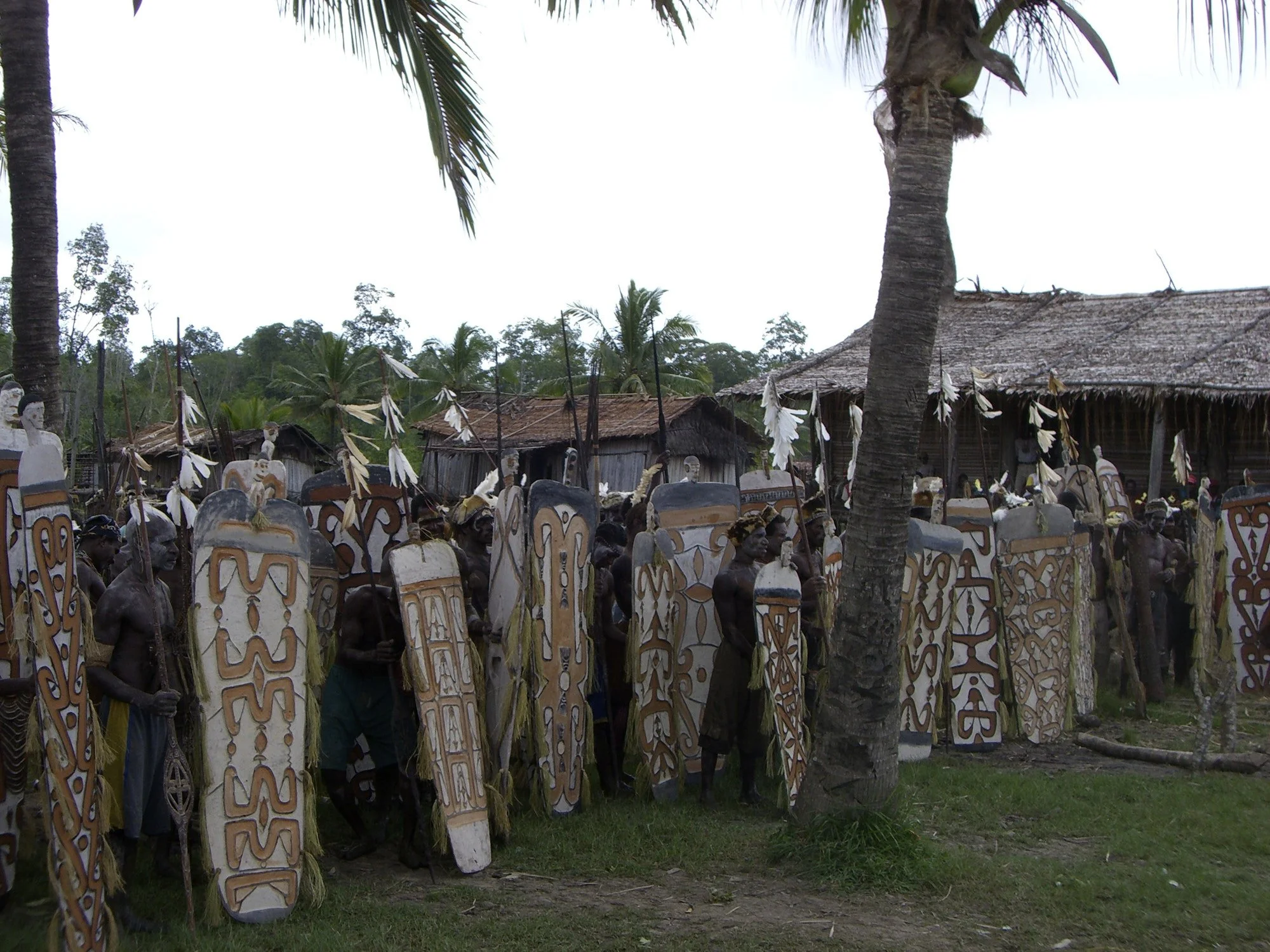
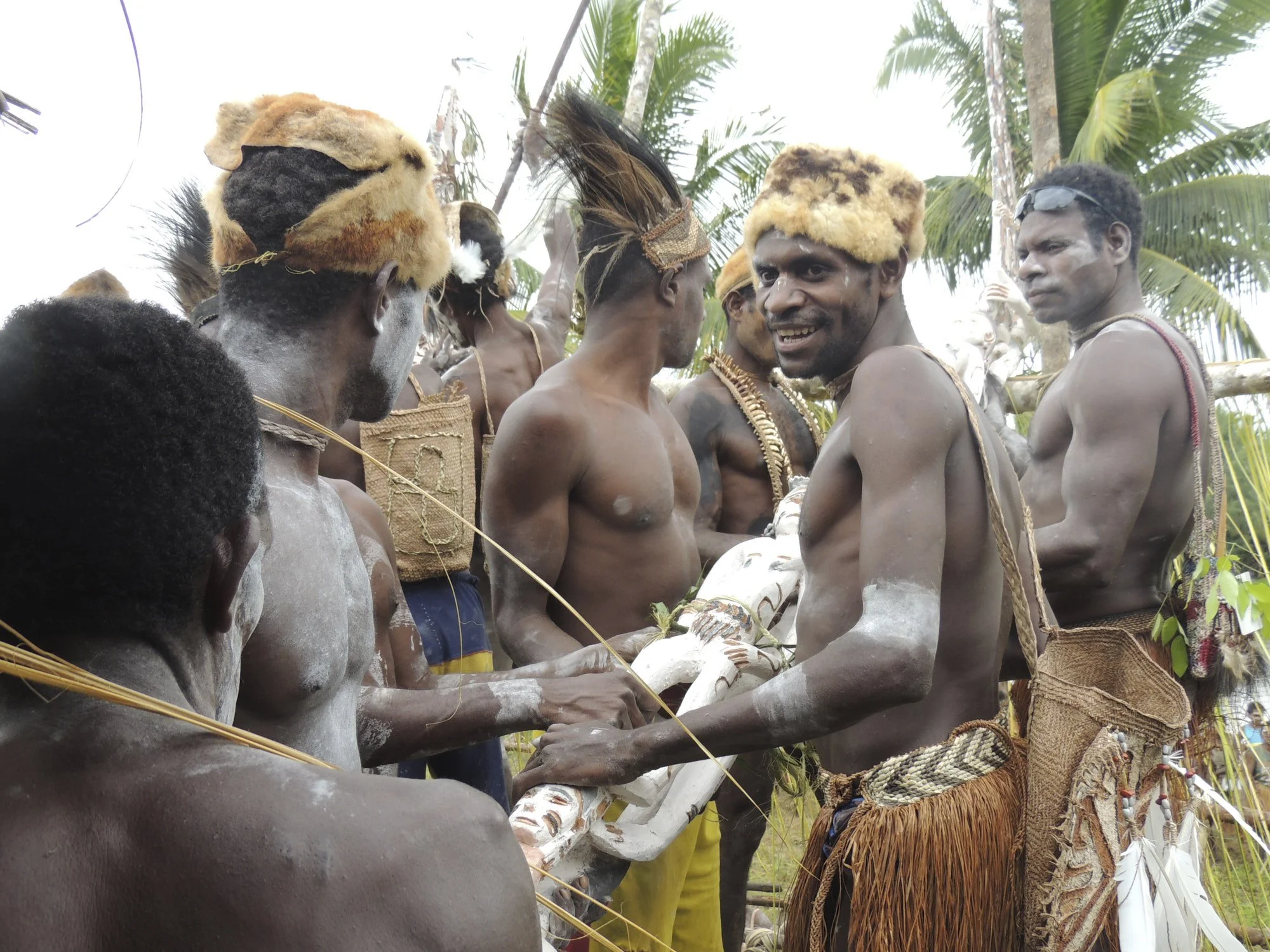
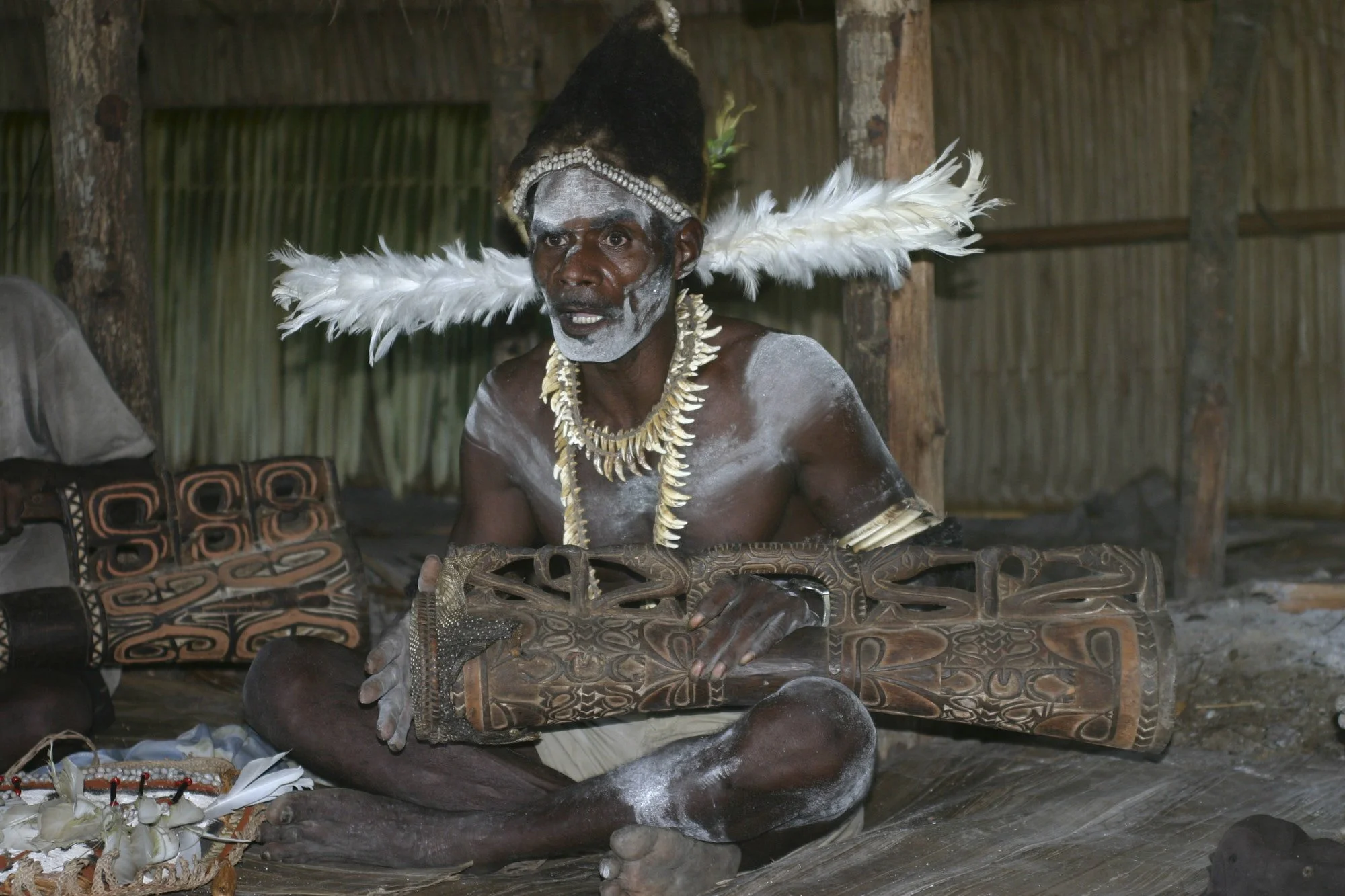
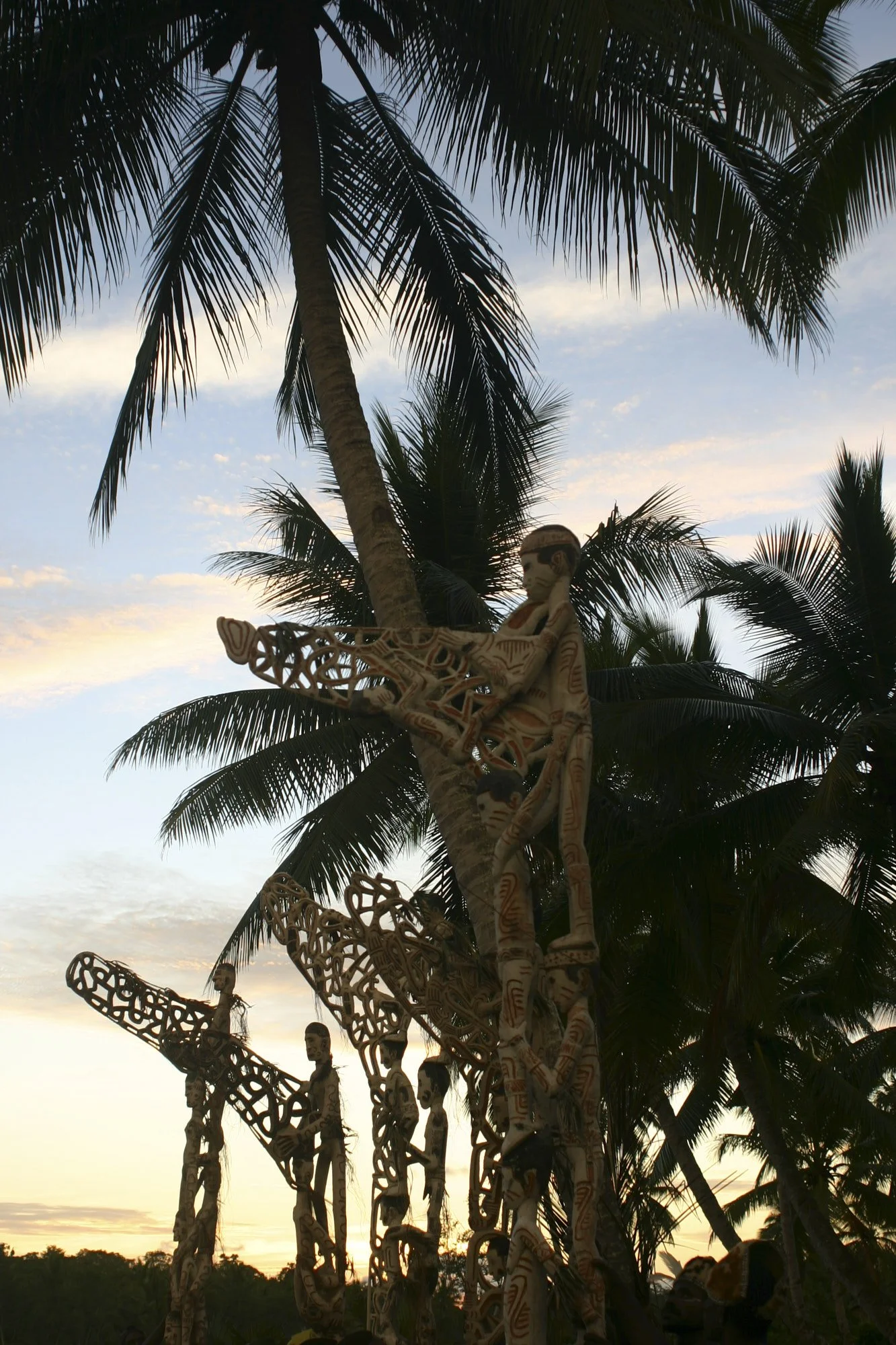
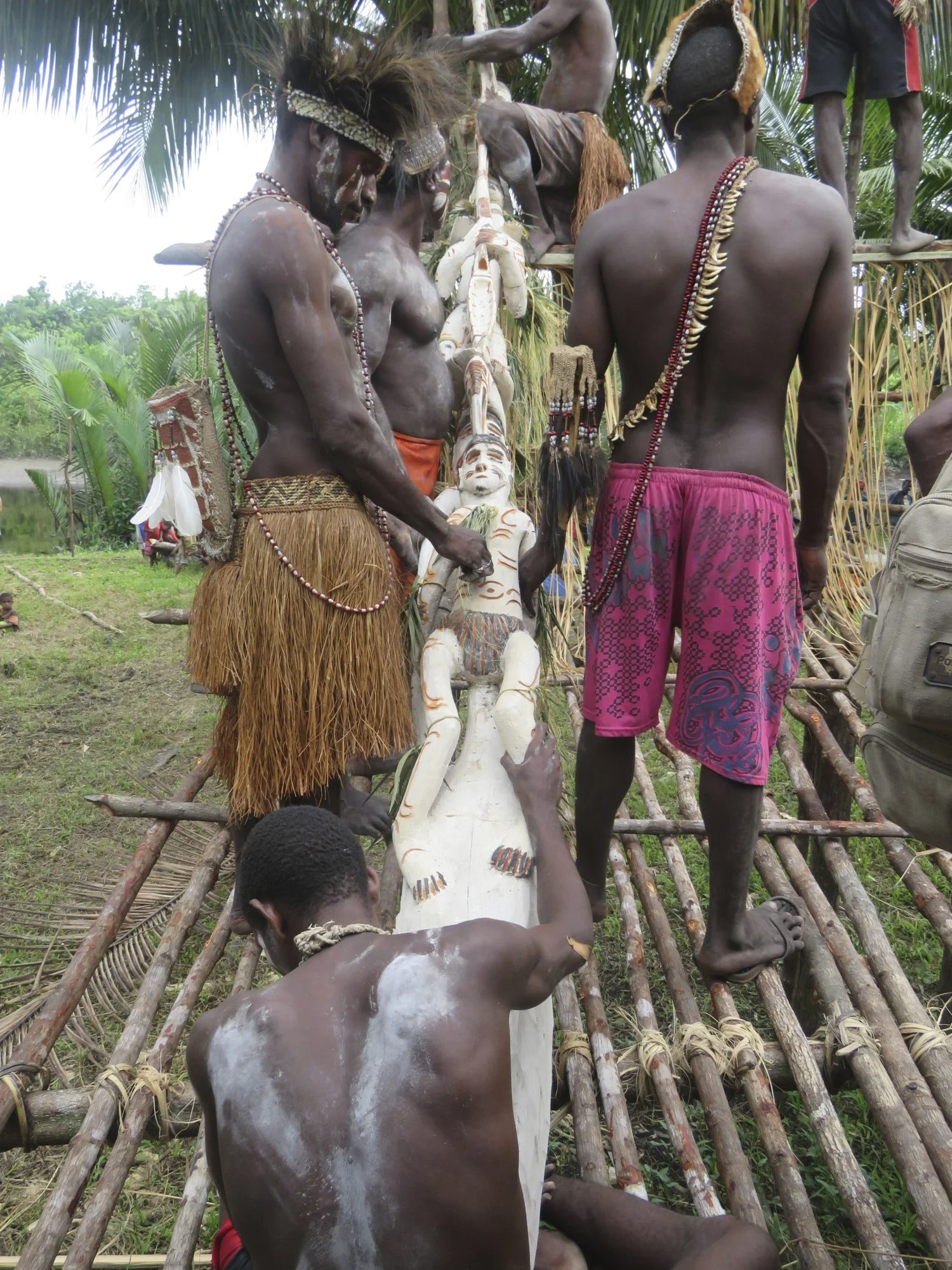
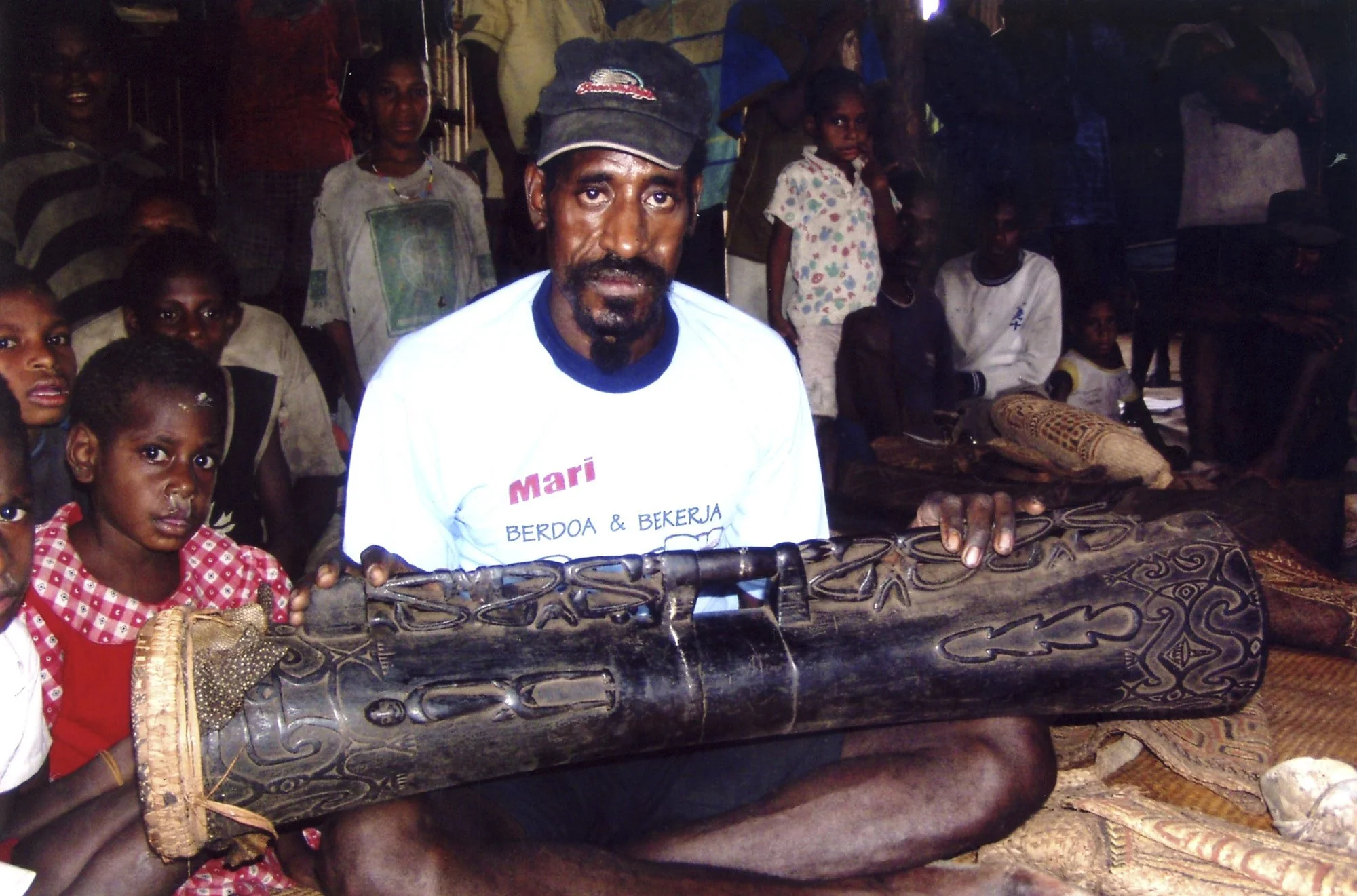
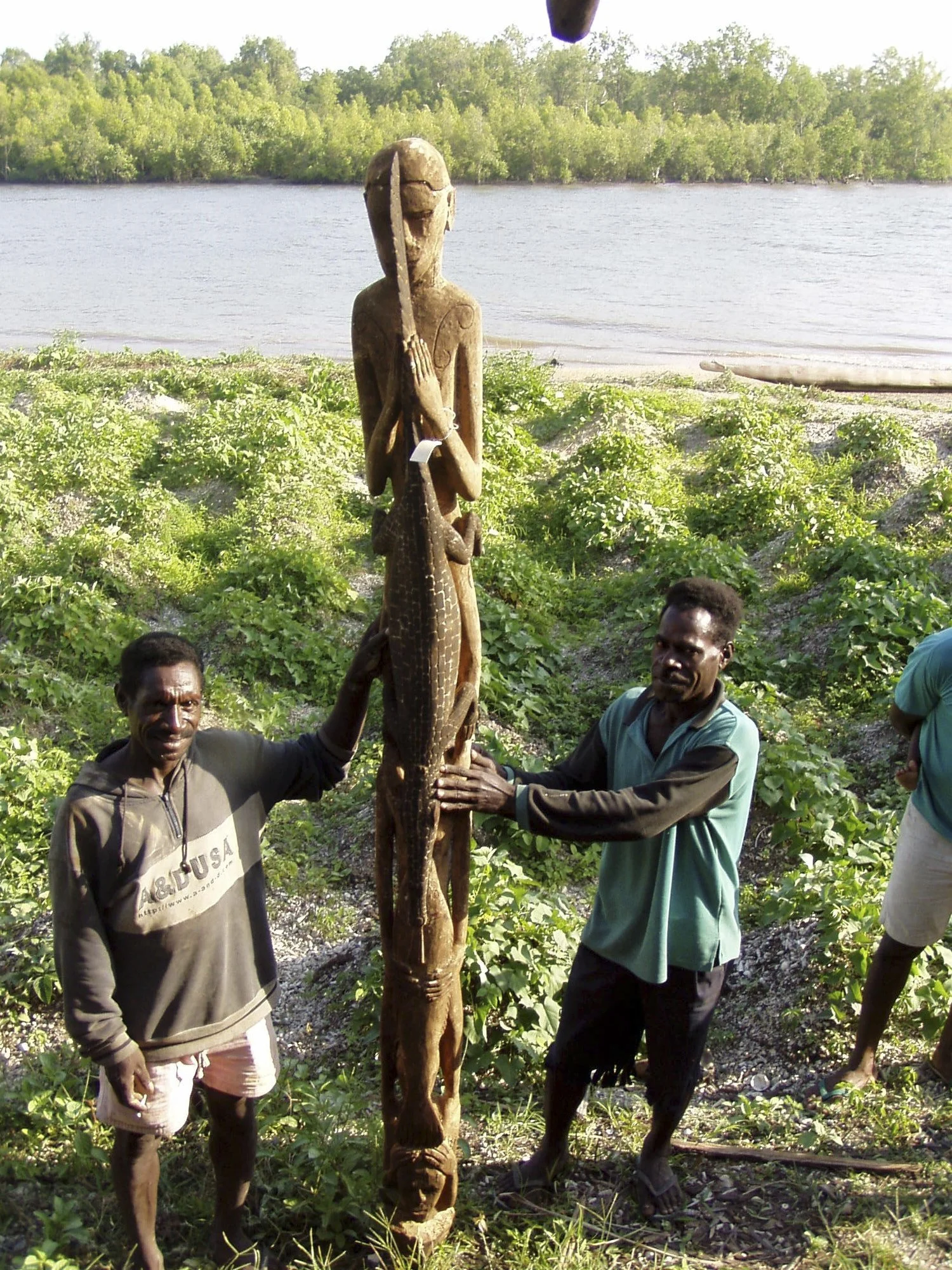
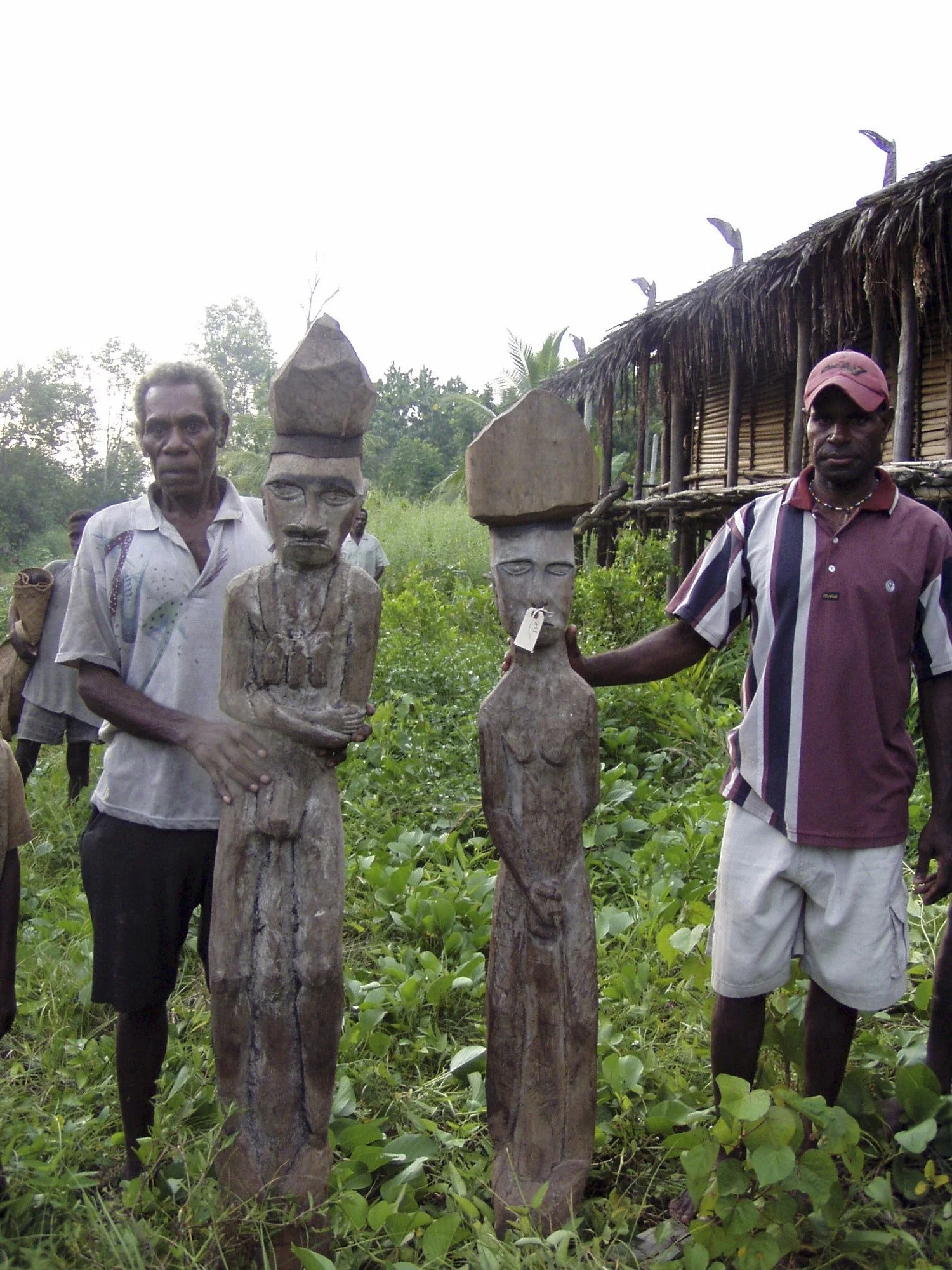
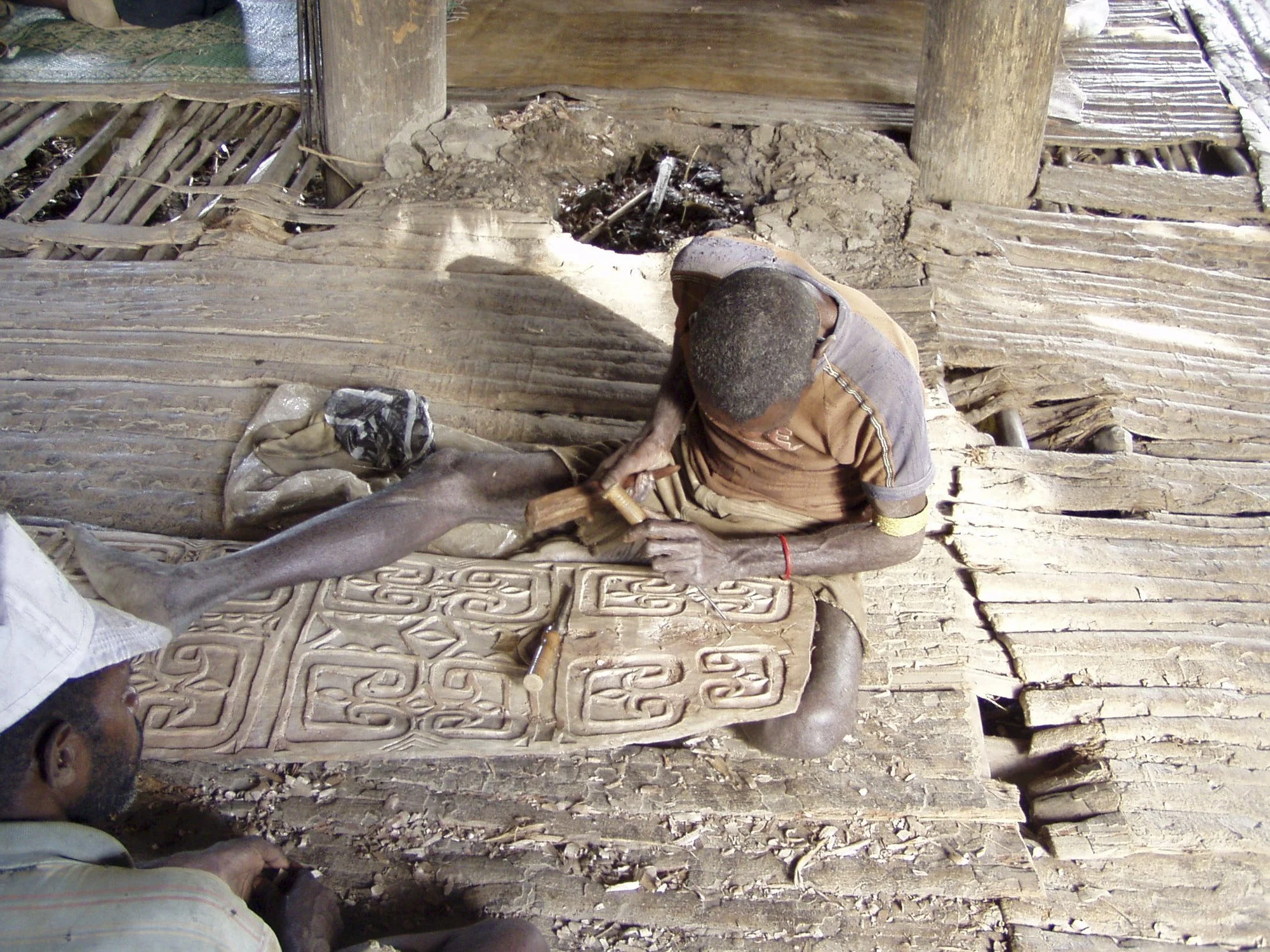
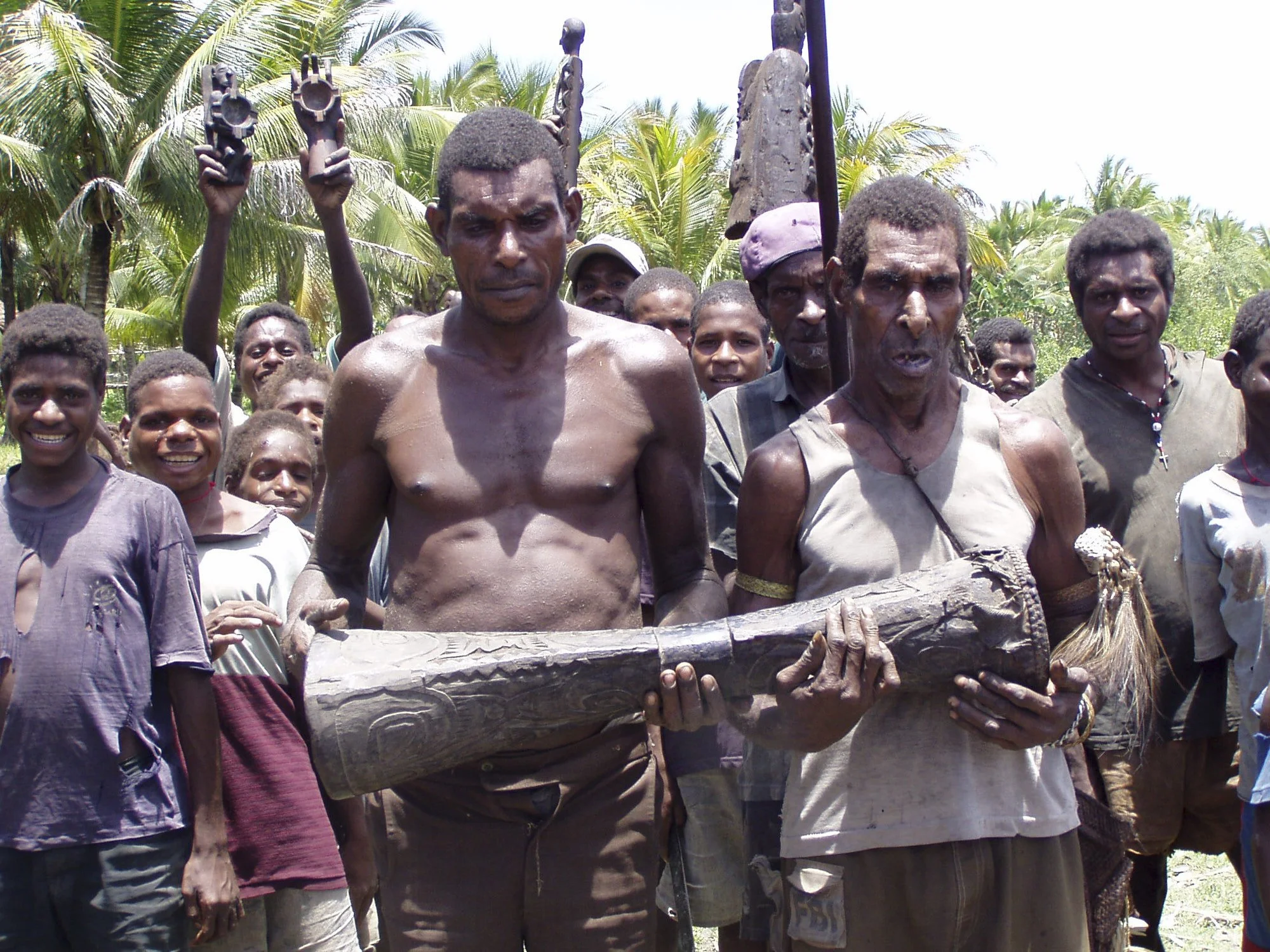
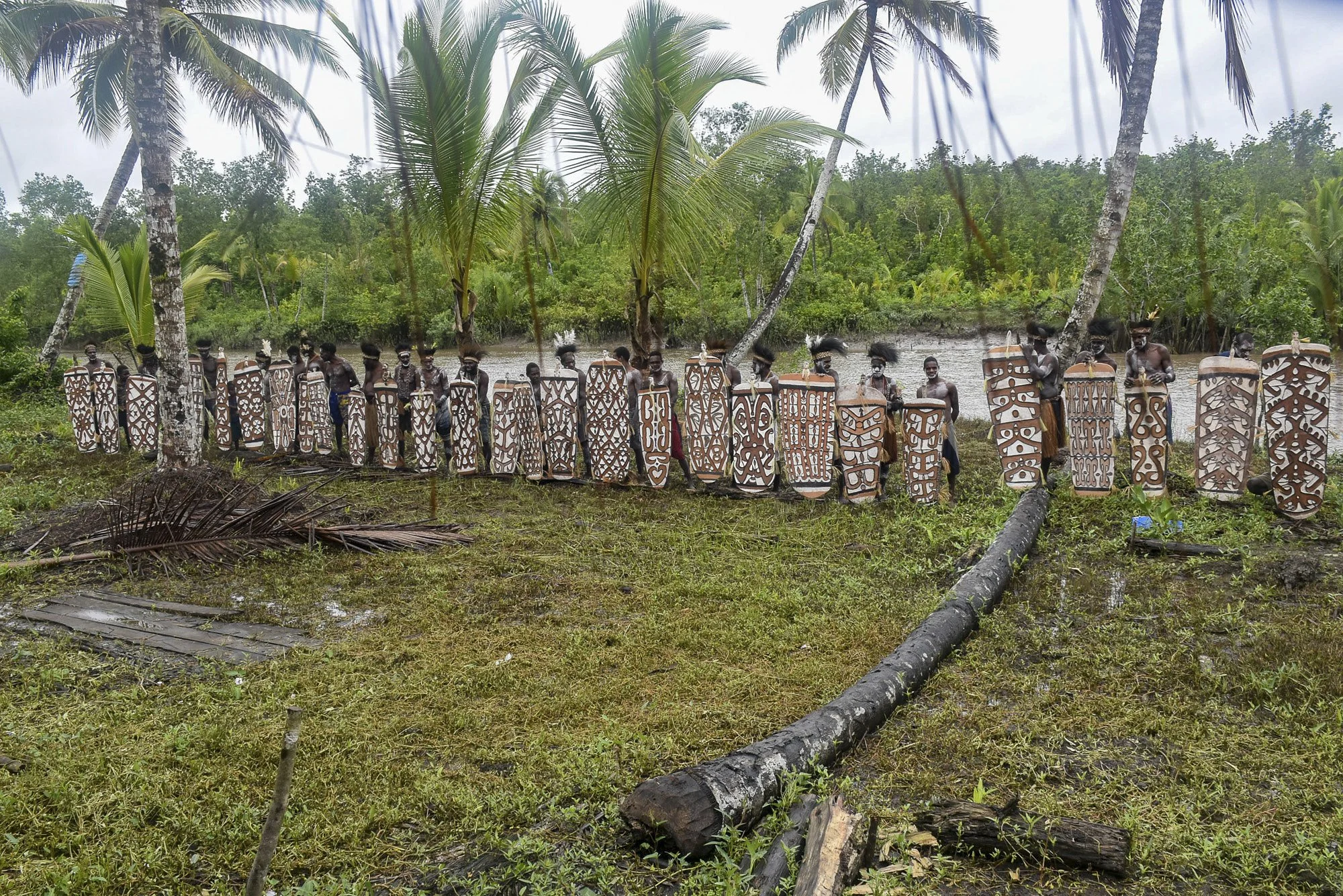
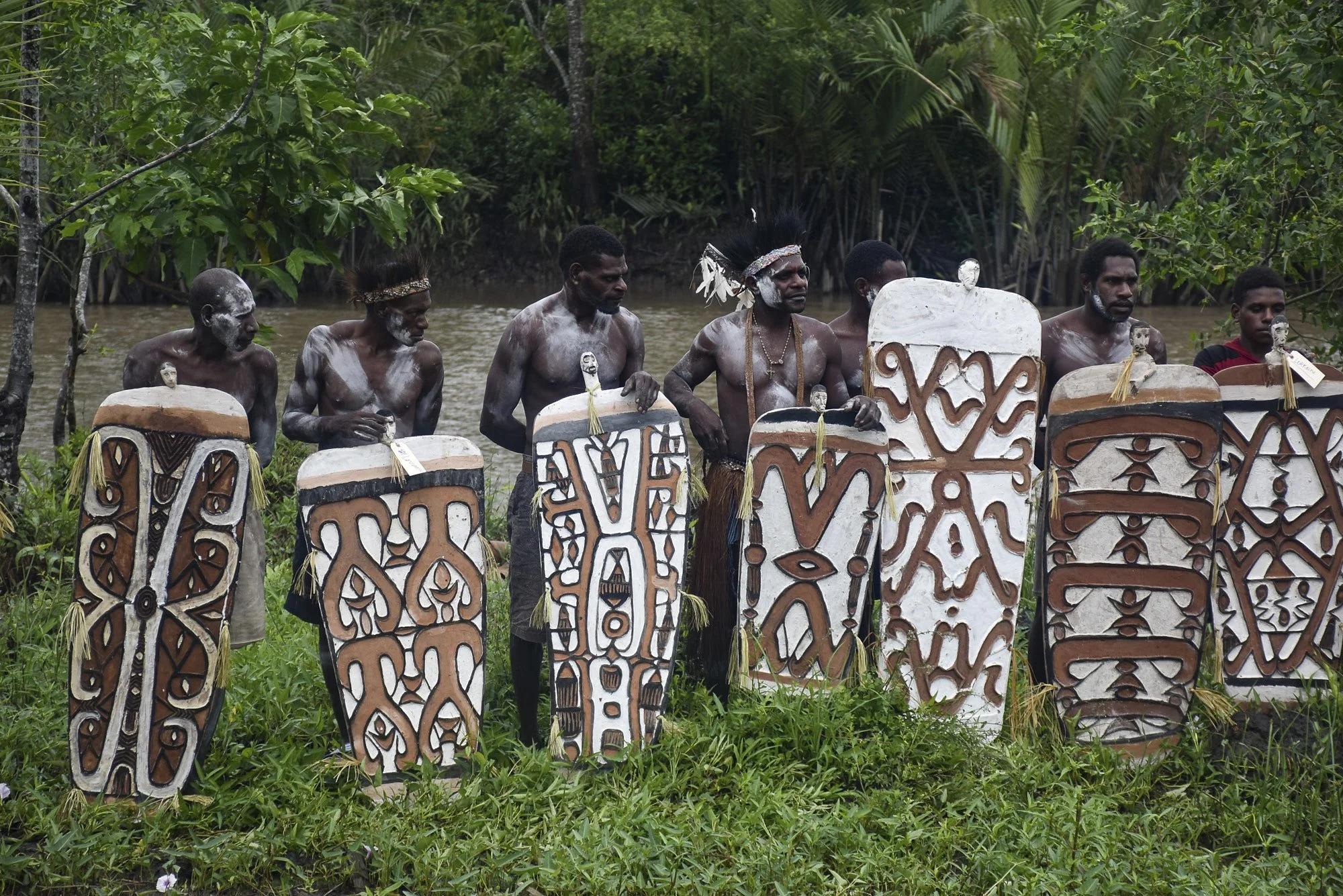
Carving has always been inseparable from Asmat life. Figures, shields, drums, and ceremonial objects were made to honor the ancestors and help maintain balance between the living and the dead. What the Asmat have done for generations, they continue to do today for essentially the same reasons.